What is a Timeline in Microsoft Excel? A timeline in Microsoft Excel is a visual way to display events, tasks, or data in chronological order, helping track progress or analyze patterns over time. You can create one using several methods depending on your needs.
If you’re wondering ‘how to do a timeline in PowerPoint’, then this guide is for you. Keep reading to discover how to insert a timeline in PowerPoint with step-by-step instructions, understand its limitations and why Creately is the best alternative.
What is a Timeline in Microsoft Word? A timeline in Microsoft Word is a visual graphic created using the SmartArt feature to display events or milestones in chronological order. It helps illustrate project phases, progress, or historical sequences directly within a Word document. By selecting a timeline layout under Process SmartArt, you can design horizontal or vertical timelines and customize them with dates, descriptions, and colors for professional-looking visuals. While this method works well for simple timelines, it quickly becomes limiting when managing multiple events, maintaining alignment, or collaborating with others.
If you were wondering ‘how do you make a timeline on Google Docs’, then this is the guide for you. Keep reading to learn how to make a timeline chart in Google Docs with step-by-step instructions, understand its limitations and why Creately is a better alternative.
In today’s competitive business landscape, product management is key to driving innovation and market success. A product manager is central to this process, overseeing a product lifecycle from ideation to launch and beyond. By understanding the different types of product managers, companies can harness specialized skills to meet customer needs and achieve strategic goals.
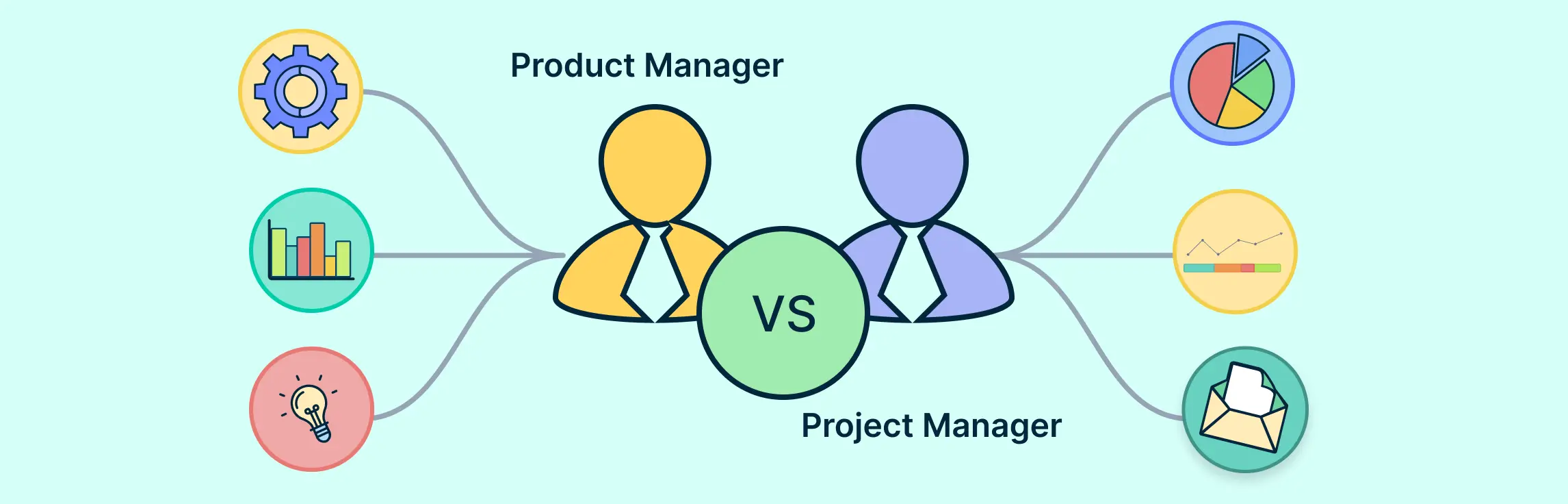
Understanding the difference between a product manager vs project manager is essential for businesses and professionals. A product manager focuses on product vision, strategy, and customer needs, while a project manager ensures smooth project execution by managing timelines, budgets, and resources. Although they often collaborate, their roles serve distinct purposes. Many businesses mistakenly interchange these positions, but clearly defining them improves efficiency and success. By bridging the gap between product management vs. project management, teams can collaborate more effectively and drive better outcomes.
Agile Product Management is a flexible approach to developing products that focuses on continuous improvement, adaptability, and teamwork. Unlike traditional methods that follow a fixed plan, Agile allows teams to make adjustments as they go, ensuring that products evolve based on customer feedback and market changes.
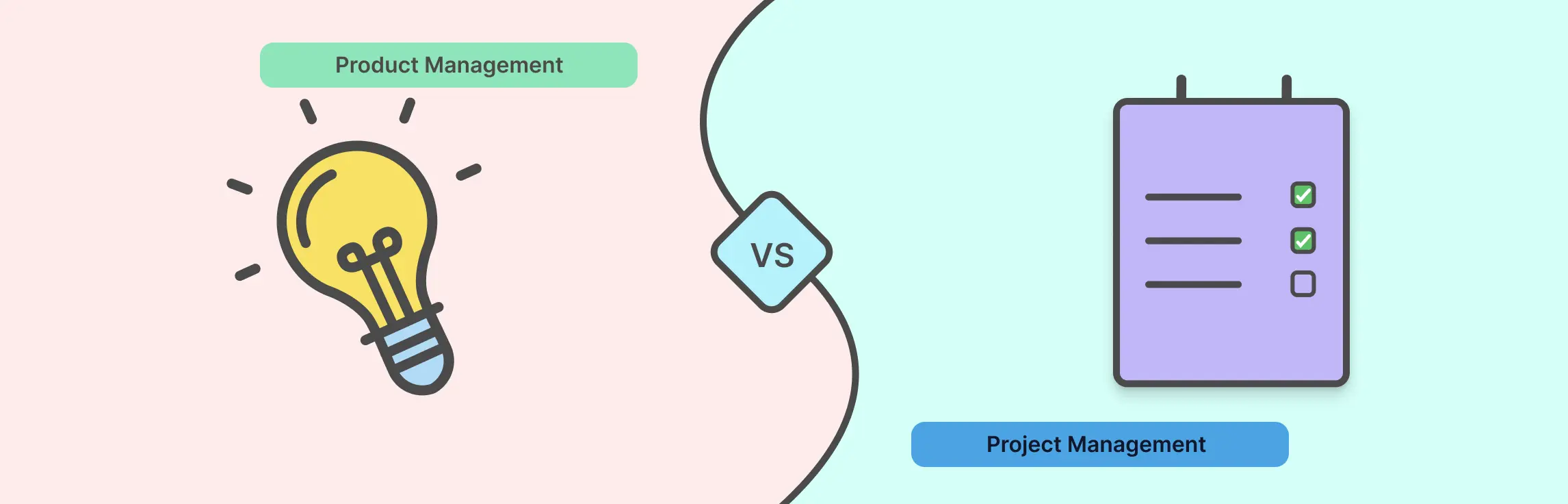
Product management defines a product’s vision and ensures it meets customer needs and business goals, while project management focuses on executing plans, managing resources, and delivering results. Together, these roles drive successful organizational strategies by aligning vision with execution.
What does a Director of Product do? The role of a Director of Product is pivotal in driving the success of an organization’s product strategy and ensuring alignment with business goals. Acting as a bridge between strategic vision and operational execution, this role requires a unique blend of leadership, market insight, and technical expertise.
What is a FAB Analysis? Feature, Advantage, Benefit (FAB) analysis is a strategic approach used in product management and marketing to clearly differentiate a product’s characteristics, their advantages, and the ultimate benefits they deliver to the user. This method not only enhances the product’s appeal but also ensures that the marketing messages resonate deeply with the target audience.
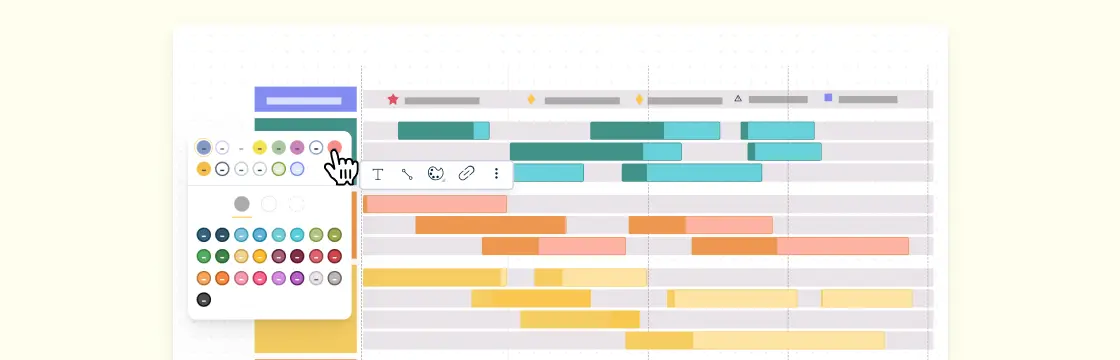
A product roadmap helps your team answer the big questions: Where is the product going? What should we focus on next? And why do these priorities matter? This guide shows you what to include and how to build a roadmap your team and stakeholders can actually use.