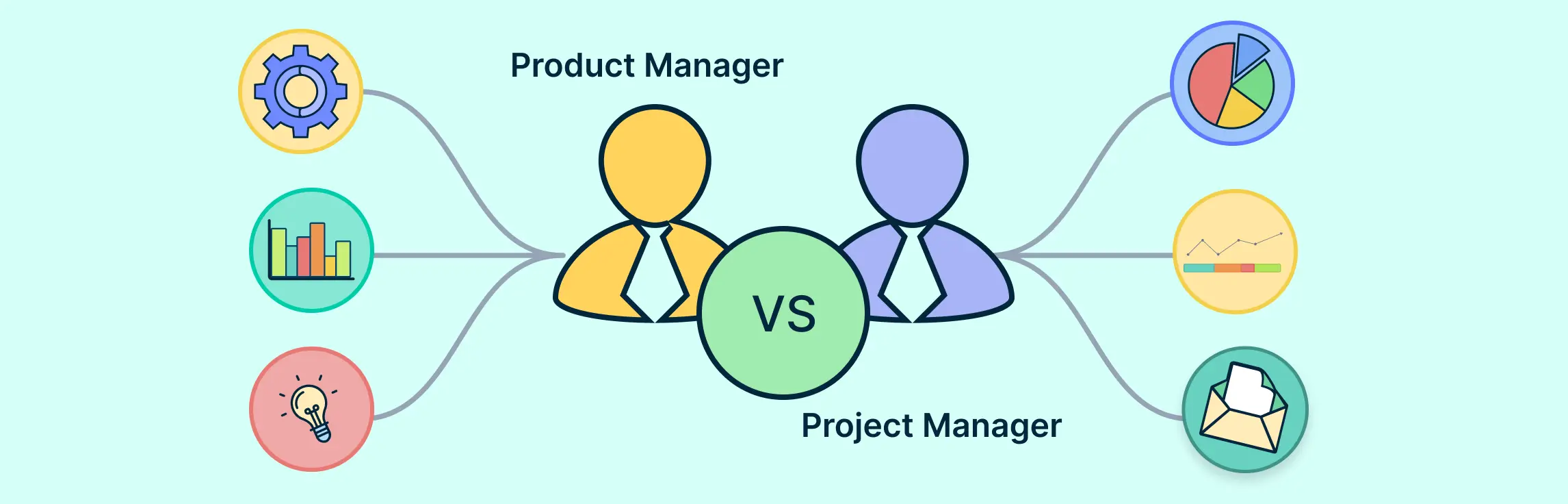
Understanding the difference between a product manager vs project manager is essential for businesses and professionals. A product manager focuses on product vision, strategy, and customer needs, while a project manager ensures smooth project execution by managing timelines, budgets, and resources. Although they often collaborate, their roles serve distinct purposes. Many businesses mistakenly interchange these positions, but clearly defining them improves efficiency and success. By bridging the gap between product management vs. project management, teams can collaborate more effectively and drive better outcomes.
Roles of a Product Manager vs Project Manager
Understanding the roles of a product manager vs project manager is crucial as they contribute to different aspects of product and project execution.
Role of a Product Manager
A product manager is responsible for defining the product vision, strategy, and roadmap to align with customer needs and business goals.
Main Focus: The “What” and “Why” of the product.
Their role includes:
- Product Vision & Strategy – Setting long-term goals based on market trends, business objectives, and customer needs.
- Market & User Research – Conducting research to identify problems, opportunities, and customer pain points
- Product Roadmap Planning – Feature prioritization and updates to align with business goals.

- Stakeholder Communication: Collaborating with executives, marketing, design, and engineering teams.
- Defining Success Metrics: Tracking key performance indicators (KPIs) like user engagement, retention, and revenue.
- Feature Prioritization & Backlog Management: Deciding which features to develop based on business value.
- Go-to-Market Strategy: Working with marketing and sales teams to ensure successful product launches.

Role of a Project Manager
A project manager ensures the successful execution of projects by managing scope, timelines, and resources.
Main Focus: The “How” and “When” of execution.
Their role includes:
- Project Planning & Scope Management: Defining project objectives, deliverables, and scope.
- Timeline & Milestone Tracking: Creating schedules and ensuring projects stay on track.
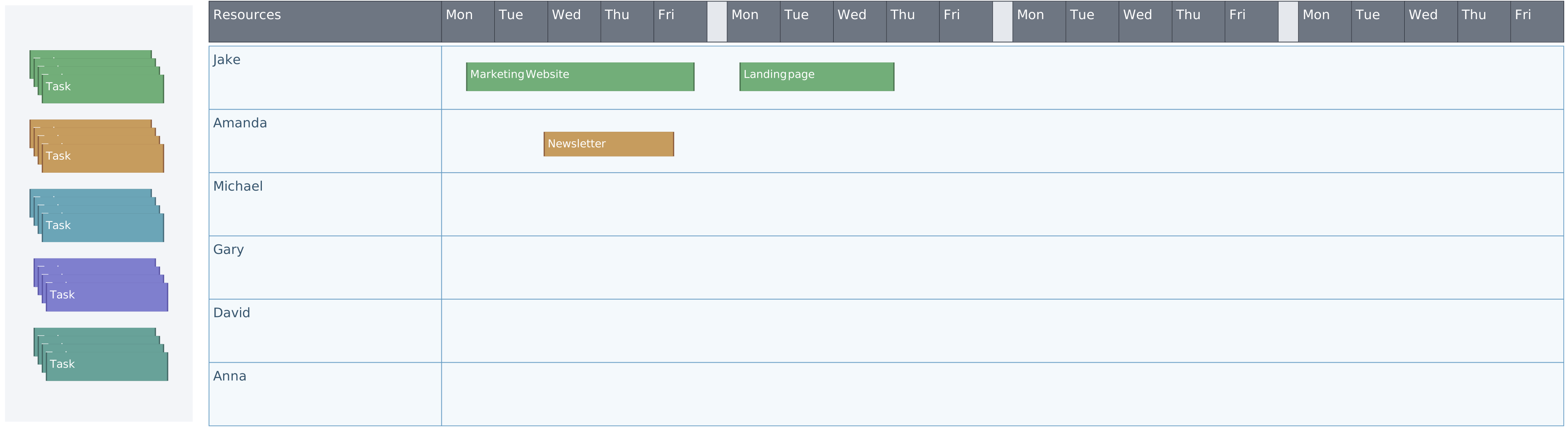
- Resource Allocation: Assigning tasks and managing team workload efficiently.
- Budget & Cost Management: Ensuring the project stays within financial constraints.
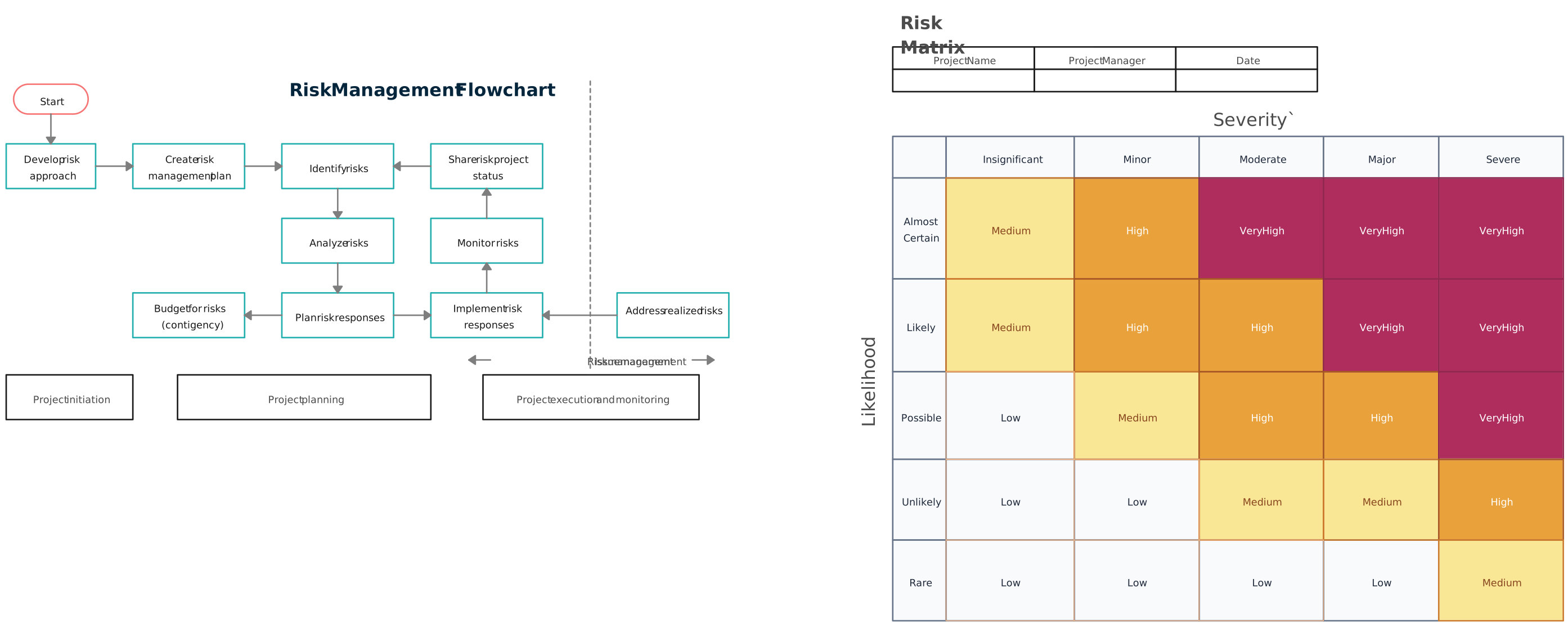
- Risk Management & Issue Resolution: Identifying and mitigating potential risks and obstacles.
- Stakeholder Coordination: Keeping teams and leadership aligned on project status and expectations.
- Process Improvement: Refining workflows to increase efficiency in project execution.
While both roles require leadership and collaboration, a product manager focuses on what to build, while a project manager focuses on how to build and deliver it efficiently.
Tools for Product Managers vs. Project Managers
Understanding the distinct needs of product managers and project managers means using specialized tools tailored to each role. Here’s a breakdown:
Tools for Product Managers
- Product Roadmapping Tools: Utilize roadmap makers and product roadmapping software to create and manage long-term product visions and strategic plans.
- Flowcharts & User Journey Maps: Design flowcharts to visualize customer journeys, feature interactions, and the overall user experience.
- Feature Prioritization Tools: Use prioritization grid and Kanban boards for backlog management to rank product features based on impact and feasibility.
- Market & Competitive Analysis Tools: Leverage tools such as Lean Canvas, Business Model Canvas, SWOT analysis, and Opportunity Canvas templates to evaluate market trends, define value propositions, and refine product strategies.
Tools for Project Managers
- Project Planning & Scheduling Tools: Employ Gantt charts and timeline planners to outline project milestones, track progress, and ensure timely delivery.
- Task Management & Kanban Boards: Use Kanban boards to monitor task progress, manage resources, and keep teams aligned on project execution.
- RACI Matrix: Implement RACI matrix to clearly define roles and responsibilities, ensuring accountability across the project team.
- Workflow & Process Mapping Tools: Create detailed flowcharts to map project processes, identify dependencies, and streamline execution.
- Collaboration & Communication Platforms: Adopt integrated tools that facilitate real-time collaboration, document sharing, and status updates, keeping all project stakeholders informed.
By selecting the right tools, organizations can effectively bridge the gap between product management and project management, ensuring that both strategic vision and tactical execution are optimized.
Difference Between Product Manager and Project Manager
Understanding the key differences between a product manager vs project manager is crucial for businesses to optimize efficiency and ensure successful product development and project execution. While both roles require leadership and collaboration, their focus areas, goals, and responsibilities differ significantly:
- A product manager defines what should be built and ensures it meets customer needs.
- A project manager focuses on how it gets built and delivered within the given time and budget constraints.
| Aspect | Product Manager | Project Manager |
| Primary Focus | Defines what product to build and why | Ensures the product is delivered on time, within budget, and as planned |
| Goal | Develops a product strategy that meets business and customer needs | Executes and manages projects efficiently to meet deadlines |
| Responsibilities | Market research, product vision, roadmap planning, feature prioritization, stakeholder collaboration | Project planning, resource allocation, timeline tracking, risk management, execution |
| Collaboration | Works with engineering, marketing, sales, and executives to align product goals | Works with development teams, stakeholders, and clients to manage project scope and deadlines |
| Success Metrics | Product adoption, customer satisfaction, revenue growth, retention rate | Project completion time, budget adherence, process efficiency, team performance |
| Decision-Making | Decides what features and improvements to develop based on business impact | Decides how to execute and manage the project effectively |
| Timeframe | Long-term, focused on continuous improvement and innovation | Short-term, focused on completing specific projects within deadlines |
Many businesses mistakenly believe that a product manager vs project manager can be interchangeable. However, their roles are complementary, not identical. A product manager defines the vision and goals of the product, while a project manager ensures that projects are executed efficiently to achieve those goals.
By understanding these differences, organizations can:
- Avoid role confusion and improve efficiency.
- Hire the right talent for product strategy vs project execution.
- Enhance collaboration between teams to drive better business outcomes.
The product manager vs project manager distinction is essential for companies looking to build great products while ensuring smooth execution and delivery.
Do Product Managers and Project Managers Work Together?
Yes, product managers and project managers work closely together to ensure a product is successfully developed and delivered. While their roles are distinct, they complement each other by aligning product vision with efficient execution.
How Product Managers and Project Managers Collaborate
- Defining Product Goals and Strategy
- The product manager sets the product vision and strategy, defining what should be built and why.
- The project manager ensures the strategy is executed efficiently, setting clear timelines and deliverables.
- Aligning Product Roadmap with Project Execution
- The product manager creates the product roadmap, outlining key features and priorities.
- The project manager translates the roadmap into actionable project plans with clear milestones.
- Coordinating Cross-Functional Teams
- The product manager works with engineering, design, sales, and product marketing to define requirements.
- The project manager collaborates with these teams to ensure deadlines and budgets are met.
- Managing Changes and Risks
- If priorities shift due to market trends, the product manager adjusts the roadmap.
- The project manager updates timelines and resources to accommodate these changes without disrupting delivery.
- Ensuring Successful Product Launches
- The product manager oversees the go-to-market strategy, ensuring the product meets customer needs.
- The project manager ensures all launch tasks are executed on schedule, coordinating between teams.
Why Product Manager vs Project Manager Collaboration is Essential
- Ensures product goals align with business strategy and project execution.
- Helps teams stay on track, avoid delays, and manage resources effectively.
- Improves communication and collaboration across departments.
While their responsibilities differ, a product manager and project manager must work together to ensure a product is not only well-designed but also delivered on time and within scope. Their partnership is crucial for building successful, high-quality products
Why Understanding the Difference Between a Product Manager vs Project Manager is Crucial
Many businesses and professionals confuse the roles of a product manager vs project manager, often assuming they can be interchangeable. However, understanding their distinct responsibilities is essential for efficient product development, successful project execution, and overall business growth.
Common Confusion Between a Product Manager vs. Project Manager
The distinction between a product manager vs. project manager often leads to misunderstandings due to overlapping responsibilities:
- Overlapping Leadership Roles: Both guide teams but focus on different areas: product managers shape vision and strategy, while project managers oversee execution and delivery.
- Misconceptions About Responsibilities: Some assume product managers handle project timelines, while others think project managers define product strategy. In reality, product managers prioritize market needs, and project managers ensure structured execution.
- Interchangeable Job Titles: Many companies mislabel these roles, leading to mismatched expectations and inefficiencies.
- Collaboration vs. Ownership: Product managers collaborate across departments to define what should be built, while project managers ensure teams stay on schedule and within scope.
- Metrics & Success Measurement: Product managers focus on customer satisfaction, market fit, and revenue, whereas project managers track deadlines, budgets, and resource efficiency.
- Industry & Organization Variations: Some businesses blur the lines between the roles, depending on company size, industry, and project complexity.
By clearly defining these roles, businesses can improve collaboration, streamline workflows, and drive both product and project success.
Why Product Manager vs. Project Manager Matters for Businesses
Understanding the distinction between a product manager vs. project manager is crucial for businesses to optimize workflows, allocate resources efficiently, and drive success.
- Clear Role Definitions Prevent Overlaps: Assigning distinct responsibilities ensures product managers focus on strategy, customer needs, and long-term vision, while project managers handle execution, deadlines, and resource management. This reduces inefficiencies, miscommunication, and redundant efforts.
- Better Resource Allocation: Companies can invest in the right talent based on their needs—hiring product managers to define innovative solutions and market positioning, while project managers ensure seamless execution within time and budget constraints. This targeted hiring strategy enhances productivity and cost efficiency.
- Improved Product Success: A well-defined product management function ensures that products align with customer demands and market trends. Meanwhile, project managers drive timely releases, risk mitigation, and stakeholder coordination, preventing costly delays and bottlenecks.
- Stronger Cross-Functional Collaboration: Clearly separating product strategy from project execution enables teams to work cohesively. Product managers coordinate with marketing, sales, and development, while project managers synchronize tasks, dependencies, and operational workflows, ensuring smooth delivery.
- Scalability & Business Growth: As businesses expand, structured product and project management ensures that innovation doesn’t slow down due to operational inefficiencies. Well-defined roles allow companies to scale seamlessly while maintaining alignment between strategic goals and execution.
By understanding the unique contributions of product managers vs. project managers, businesses can create a more structured, efficient, and high-performing environment that leads to successful product launches and project completions.
Why Product Manager vs. Project Manager Matters for Professionals
Understanding the distinction between a product manager vs project manager is essential for professionals looking to grow their careers, collaborate effectively, and manage responsibilities without confusion.
- Career Growth & Specialization: Understanding the differences helps professionals choose the right path. Product managers focus on strategy and customer needs, while project managers handle execution and timelines. Aligning skills with the right role leads to better career growth.
- Better Teamwork & Efficiency: Teams work more smoothly when they know who to approach. Product managers guide vision and features, while project managers ensure deadlines and resources are managed. Clear roles reduce confusion and improve collaboration.
- Avoiding Unrealistic Expectations: When roles blur, professionals face extra pressure. Defining responsibilities prevents burnout, allowing each role to focus on what they do best.
- Stronger Leadership: Both roles require leadership but in different ways. Product managers shape strategy, while project managers drive execution. Knowing the distinction helps professionals develop the right leadership approach.
- Adapting to Industry Demands: As business needs evolve, clear role definitions help professionals stay competitive and adaptable in changing job markets.
By understanding product management vs. project management, professionals can make informed career choices, work more efficiently, and avoid unnecessary stress.
Helpful Resources
An online Kanban board to organize your everyday workflows and set your team up for success. Visually organize and track progress of any kind of work collaboratively.
Effortlessly create a roadmap to clarify vision, enhance communication, and improve execution
Rather than adhering to one-size-fits-all processes, agile workflows embrace fluidity, allowing teams to focus on what really matters and adapt as needed.
This guide delves into the various stages of the product development process and helps you use the framework as a compass to guide you as you go about developing a product.
A single connected visual platform to collaborate on planning, tracking and running your Scrum projects.
Are agile teams more effective in getting work done faster than traditional teams? Are they better structured and optimized to achieve success every time?
Product Manager vs Project Manager: Which Career Path is Right for You?
Choosing between a product manager vs project manager career depends on your skills, interests, and long-term goals. While both roles require leadership and strategic thinking, they focus on different aspects of product development and execution.
Who Should Become a Product Manager?
A career in product management is ideal for those who:
- Enjoy problem-solving and innovation – A product manager defines what should be built to meet market and customer needs.
- Have a strategic mindset– The focus is on long-term product vision and business growth.
- Are customer-focused – A product manager relies on market research and user feedback to drive decisions.
- Can balance business, technology, and design – They work across multiple teams to bring products to life.
- Thrive in a fast-paced environment – Product managers constantly iterate and adapt based on changing priorities.
Who Should Become a Project Manager?
A career in project management is ideal for those who:
- Enjoy planning, organization, and execution– A project manager ensures tasks, teams, and timelines align efficiently.
- Are skilled at resource management – They allocate budgets, personnel, and tools to keep projects on track.
- Excel in problem-solving and risk management – A project manager anticipates and mitigates obstacles.
- Have strong communication skills – They coordinate between different teams to ensure smooth execution.
- Prefer a structured role – Project management follows defined methodologies like Agile, Scrum, or Waterfall.
Required Skills for Product Manager vs Project Manager
| Skill | Product Manager | Project Manager |
| Market Research | ✅ Yes | ❌ No |
| Product Strategy | ✅ Yes | ❌ No |
| Roadmap Planning | ✅ Yes | ❌ No |
| Agile & Scrum | ✅ Yes | ✅ Yes |
| Stakeholder Management | ✅ Yes | ✅ Yes |
| Budget & Timeline Management | ❌ No | ✅ Yes |
| Risk & Change Management | ❌ No | ✅ Yes |
| Execution & Delivery | ❌ No | ✅ Yes |
The product manager vs project manager roles require different skill sets, but both play a crucial role in driving business success.
Certifications for Product Manager vs Project Manager
Product Management Certifications:
- Certified Scrum Product Owner (CSPO) – Best for Agile environments.
- Pragmatic Institute Product Management Certification – Covers product lifecycle and go-to-market strategies.
- Google APM Certificate – Focused on entry-level product management.
- PMI Agile Certified Practitioner (PMI-ACP) – For Agile-based product management.
Project Management Certifications:
- Project Management Professional (PMP) – Industry-standard certification for project managers.
- Certified Scrum Master (CSM) – Best for Agile and Scrum frameworks.
- PRINCE2 (Projects IN Controlled Environments) – Popular in the UK and Europe.
- Agile Certified Practitioner (PMI-ACP) – Ideal for managing Agile projects.
Career Progression: Product Manager vs Project Manager
| Career Stage | Product Manager Path | Project Manager Path |
| Entry-Level | Associate Product Manager | Project Coordinator |
| Mid-Level | Product Manager | Project Manager |
| Senior-Level | Senior Product Manager | Senior Project Manager |
| Leadership | Director of Product Management | Program Manager |
| Executive | Chief Product Officer (CPO) | VP of Project Management |
The product manager vs project manager career paths differ significantly in scope and progression, with product managers focusing on product vision and business impact while project managers ensure successful execution and delivery.
If you are business- and customer-focused, enjoy defining what to build, and like shaping long-term product strategy, then a product manager role is right for you.
If you enjoy planning, execution, and coordination, prefer structured workflows, and thrive in ensuring that projects stay on track, then a project manager role is a better fit.
Ultimately, the product manager vs project manager roles are both essential for a company’s success, and choosing the right path depends on whether you prefer shaping the product vision or executing the plan to deliver it.
Creately: Empowering Product Managers and Project Managers
While product managers and project managers play distinct roles, their collaboration is essential for delivering successful products. Product managers focus on defining the vision, strategy, and customer needs, while project managers ensure execution within scope, timeline, and budget. Creately provides a centralized platform that enables both roles to work seamlessly, bridging strategic planning with structured execution.
Creately for Product Managers
Product managers use Creately to strategize, plan, and communicate product vision while ensuring alignment across teams.
Key Features for Product Managers
- Product Strategy Mapping – Create visual strategies to align business goals with product development.
- Feature Prioritization Frameworks – Rank features based on customer demand, feasibility, and impact.
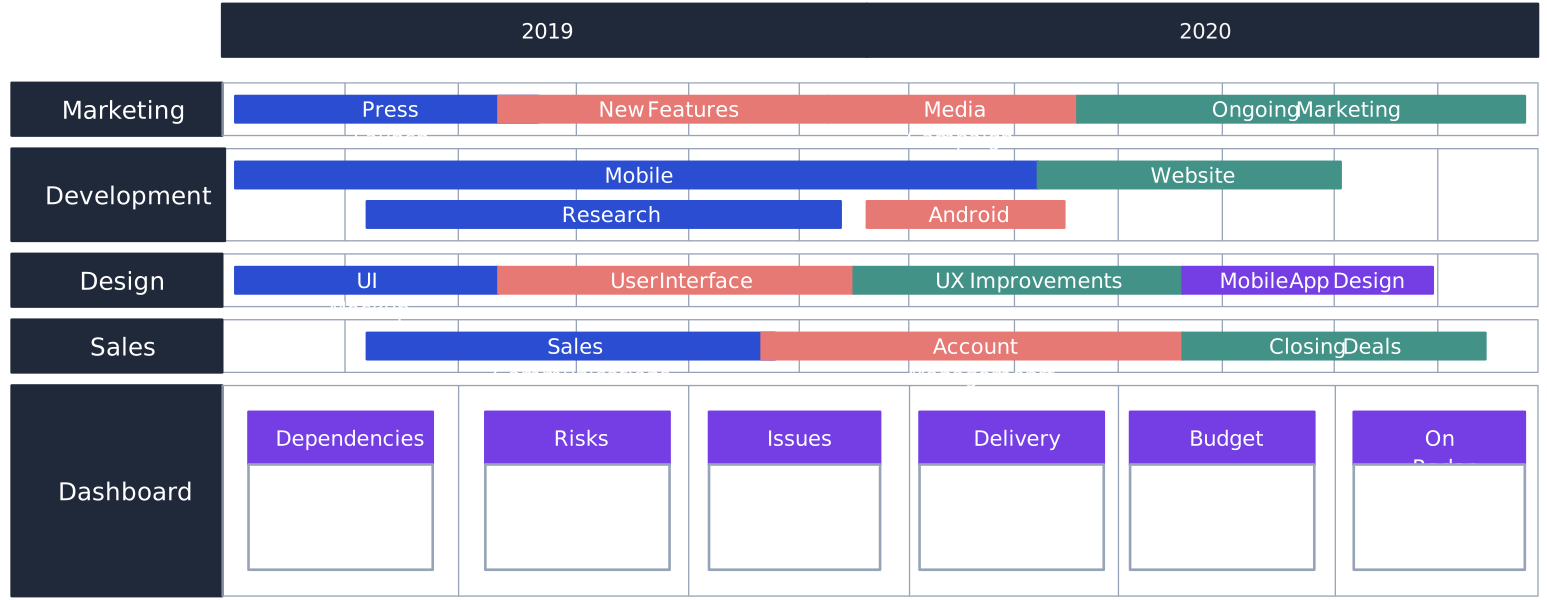
- Roadmaps & Timelines – Develop long-term product roadmaps that provide clear direction. By leveraging a powerful roadmap maker and advanced product roadmapping software, teams can visually map strategic milestones and ensure every initiative aligns with the overall vision.
- Market & User Research Documentation – Organize insights from research for data-driven decision-making.
Creately Templates for Product Managers
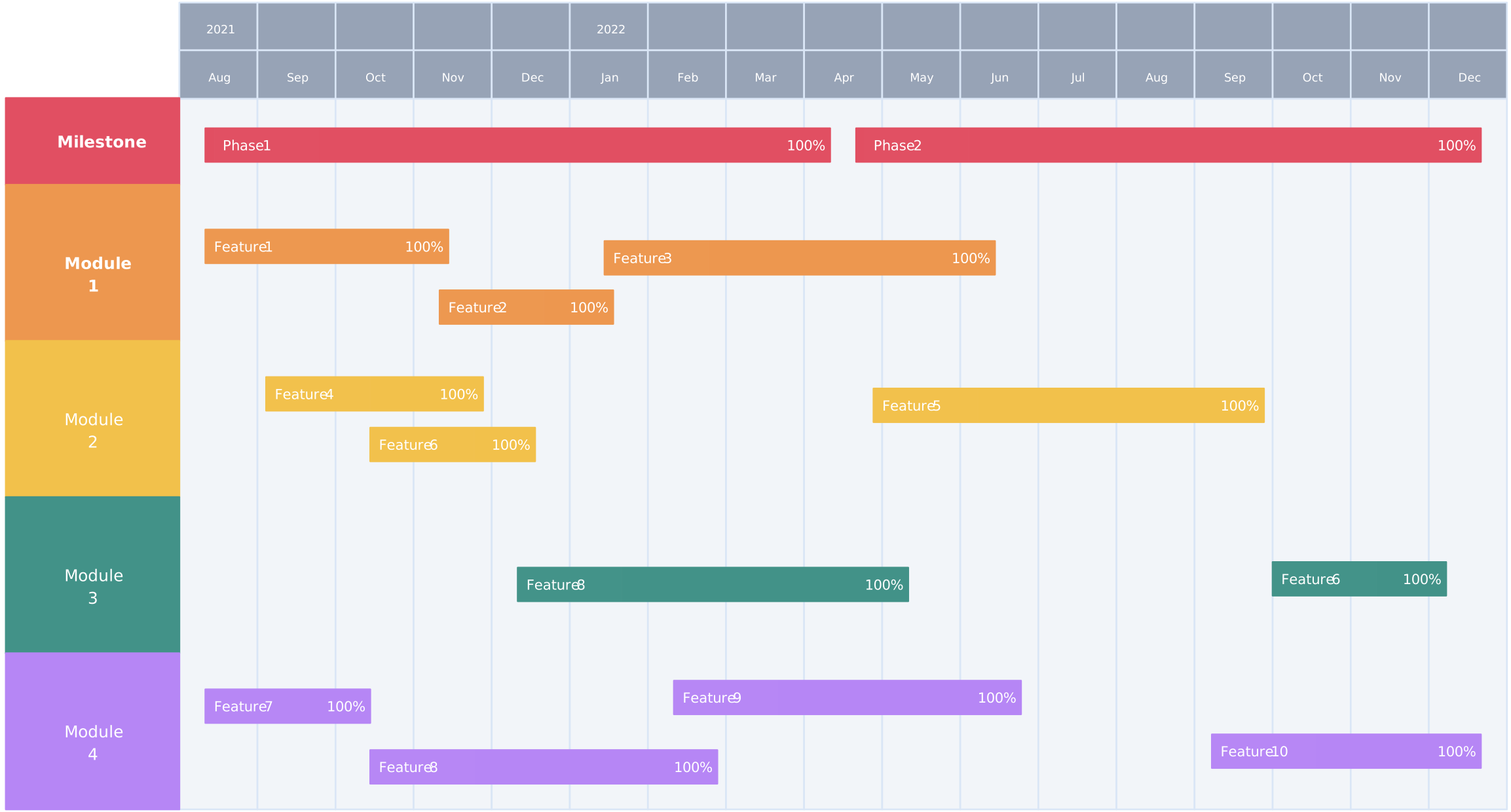
- Product Roadmap – Plan and track product goals and milestones.
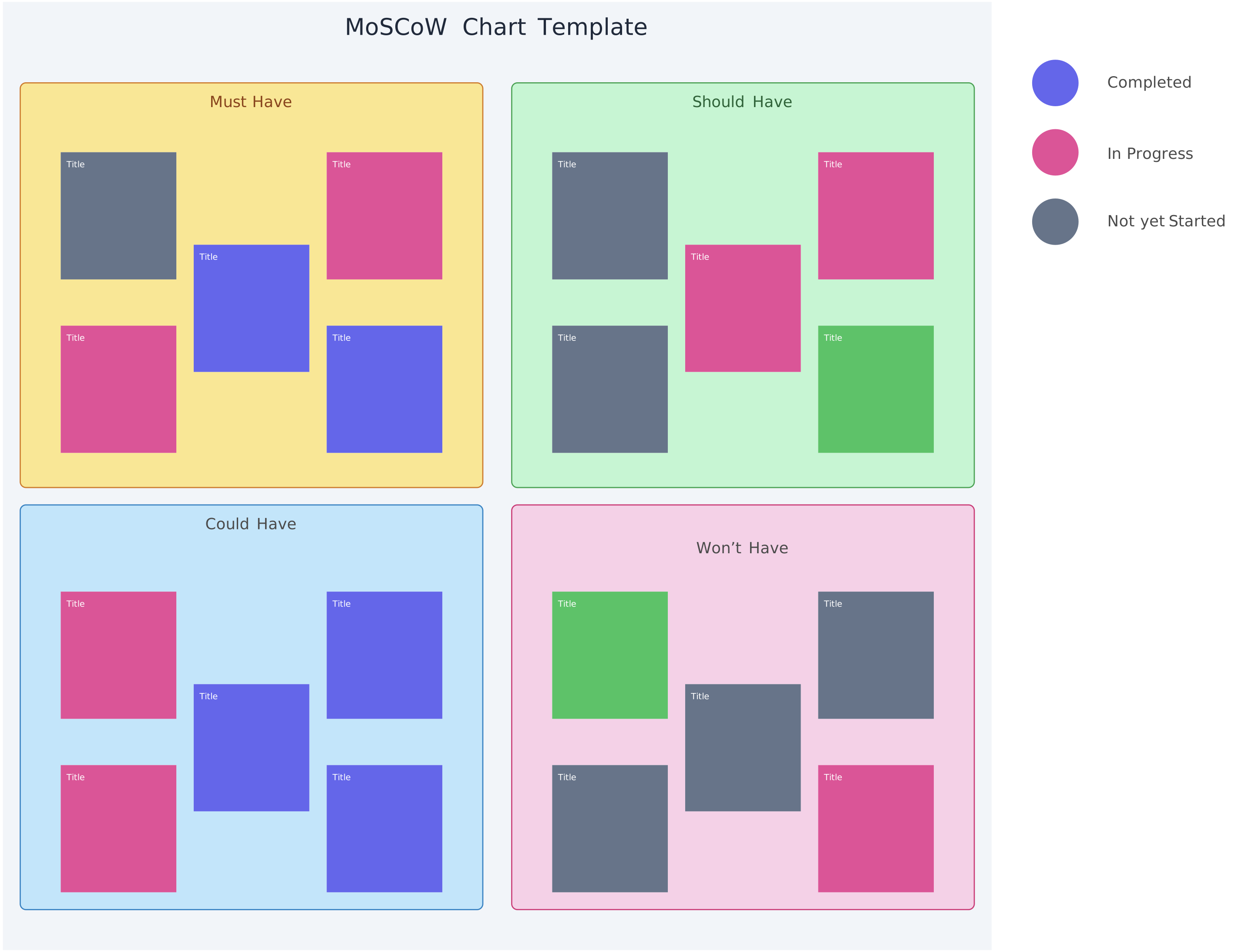
- Moscow Prioritization Grid – Visualize and rank features based on business impact.
- Industry Analysis Template – Analyze competitive landscape and market opportunities.

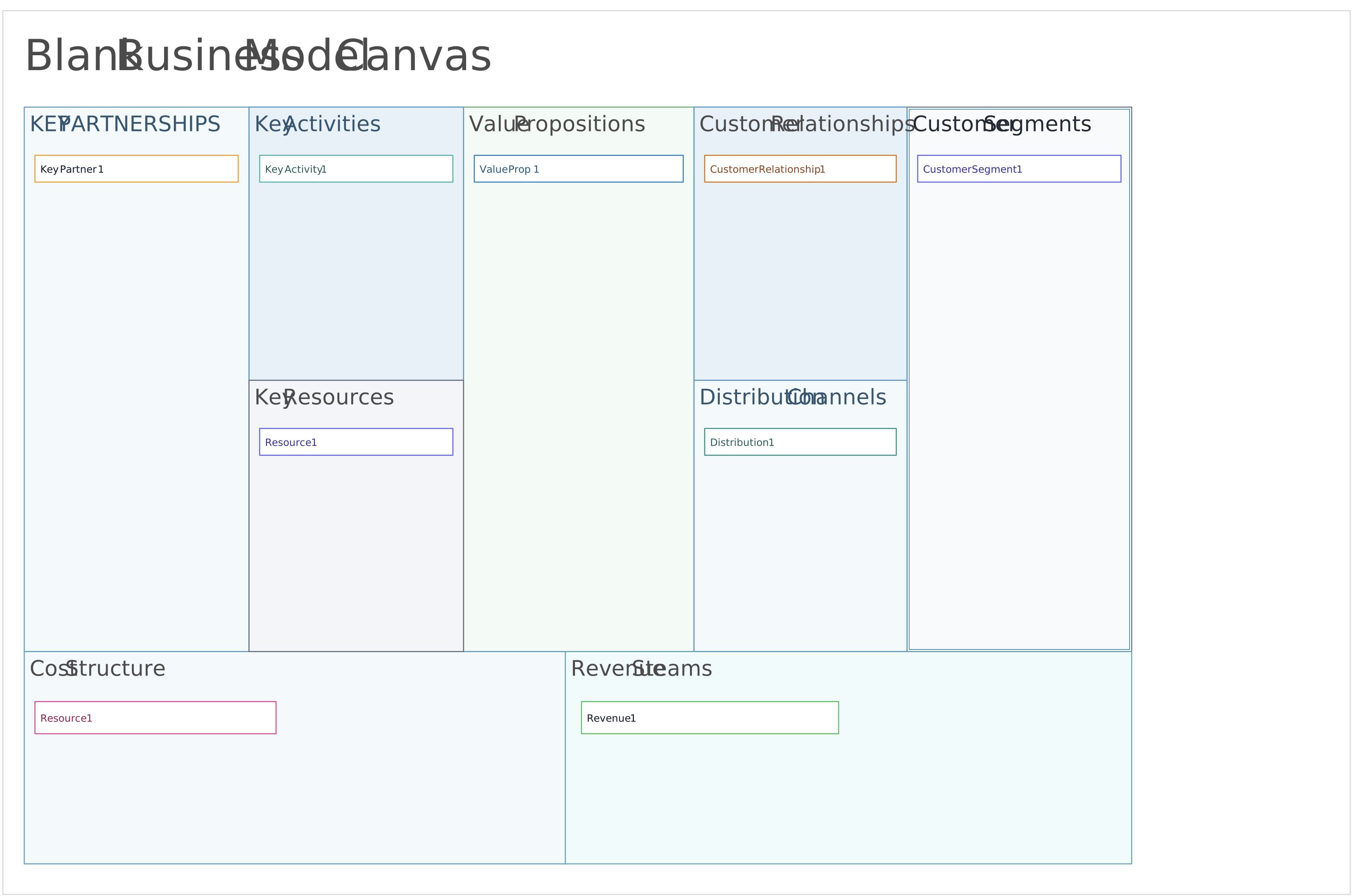
- Business Model Canvas Template – Outline and refine your business model by detailing key partners, value propositions, channels, and revenue streams using a structured canvas.
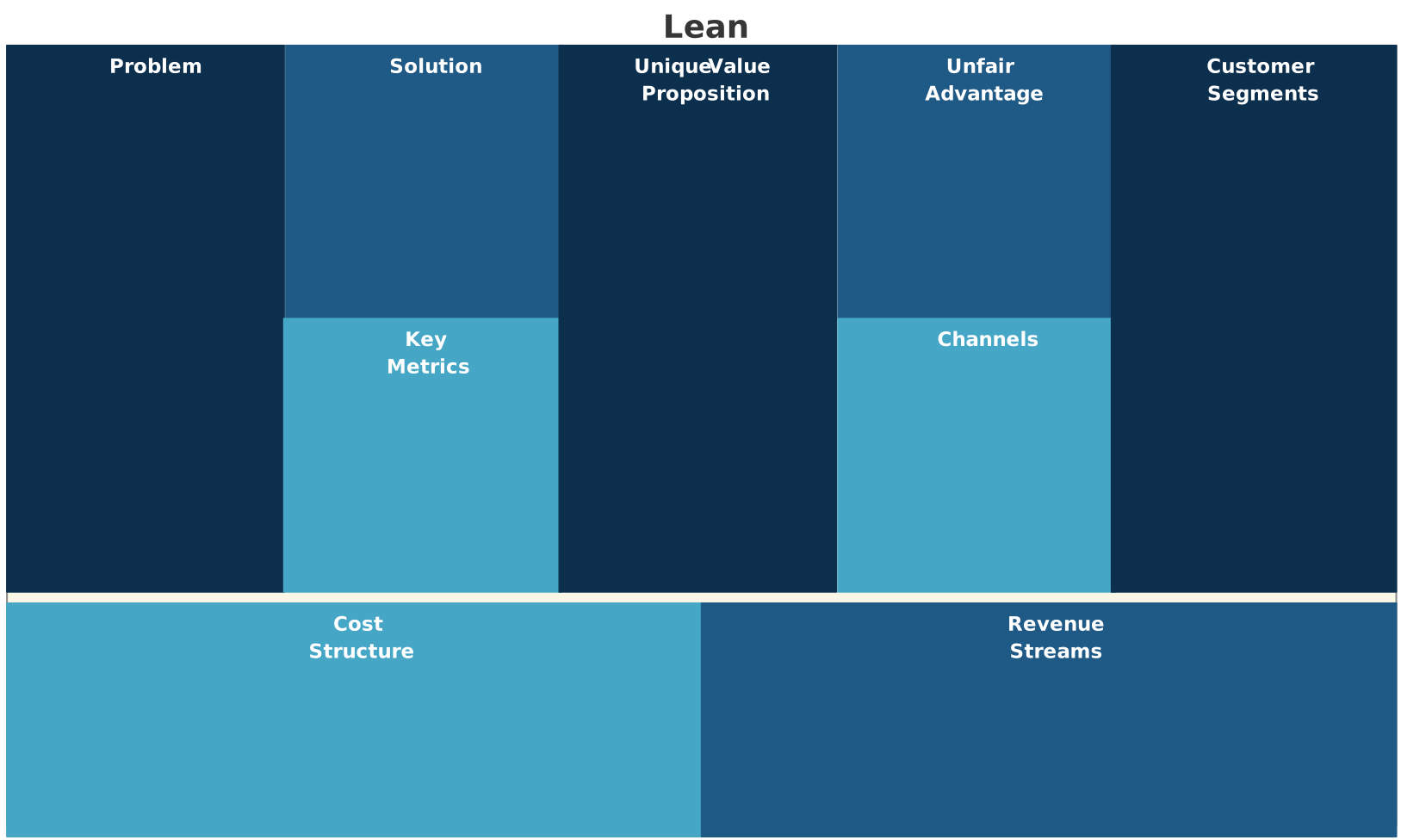
- Lean Canvas Template – Validate startup ideas quickly and iterate on your business model by focusing on problem, solution, and key metrics in a concise format.
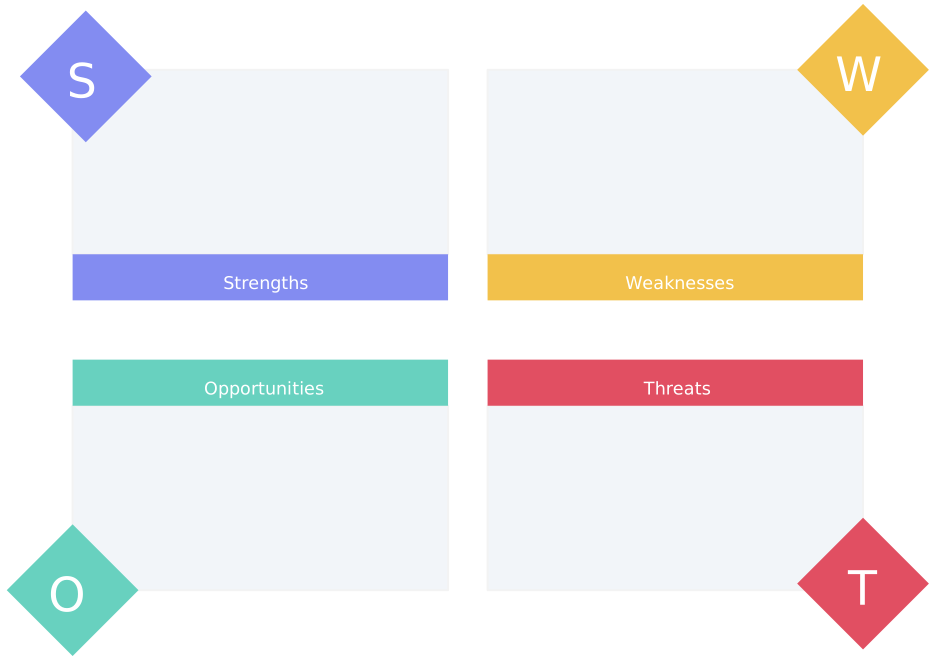
- SWOT Analysis Template – Assess strengths, weaknesses, opportunities, and threats in your talent management strategy with a targeted SWOT analysis approach.
Creately for Project Managers
Project managers leverage Creately to execute projects efficiently, track progress, and manage resources effectively.
Key Features for Project Managers
- Project Planning & Execution – Define objectives, milestones, and team responsibilities.
- Task & Workflow Management – Use Kanban boards and Gantt charts for tracking progress.
- Resource Allocation – Manage workloads and ensure optimal team efficiency.
- Collaboration & Documentation – Centralize communication and track project updates.
Creately Templates for Project Managers
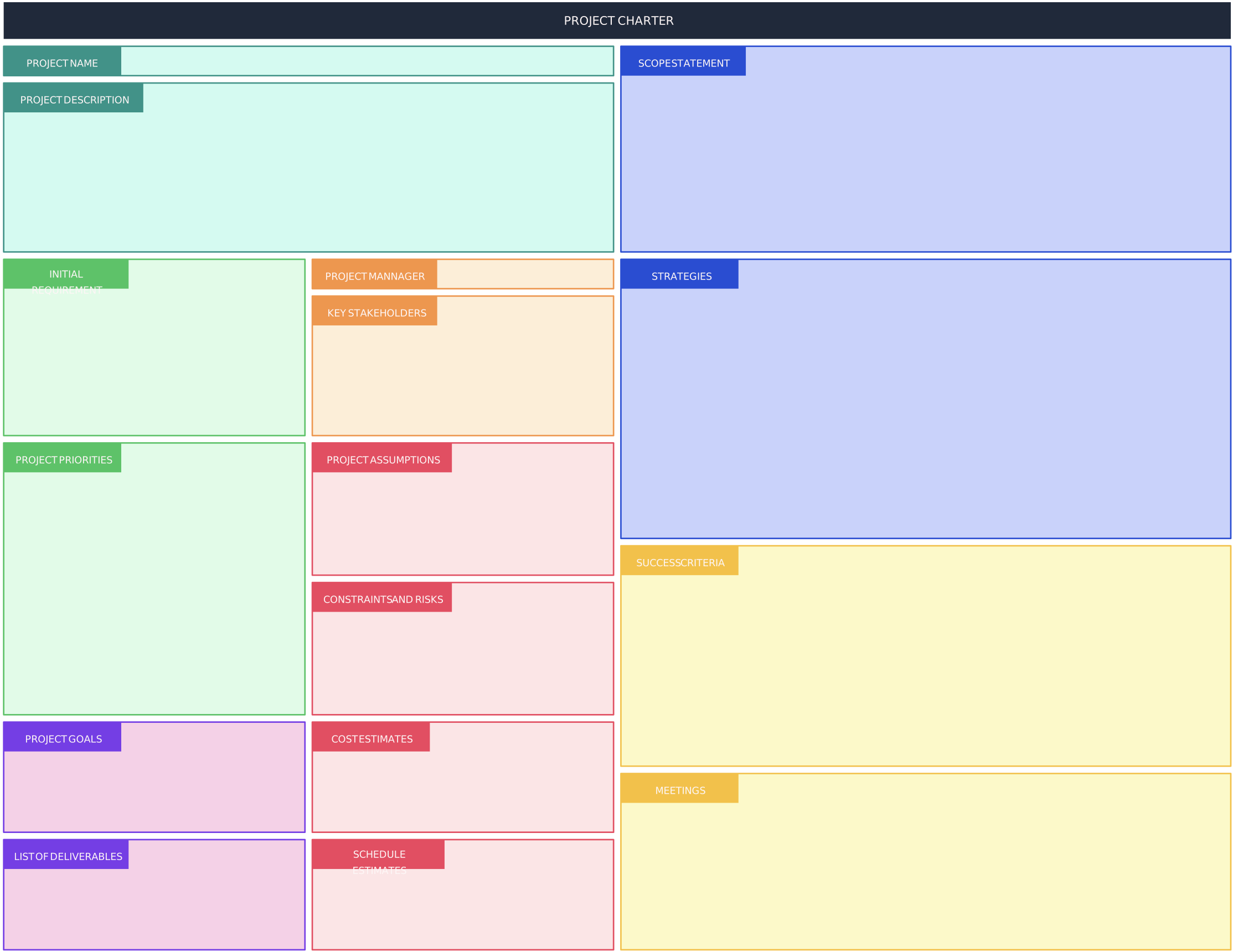
- Project Charter Template– Define scope, objectives, and key stakeholders.
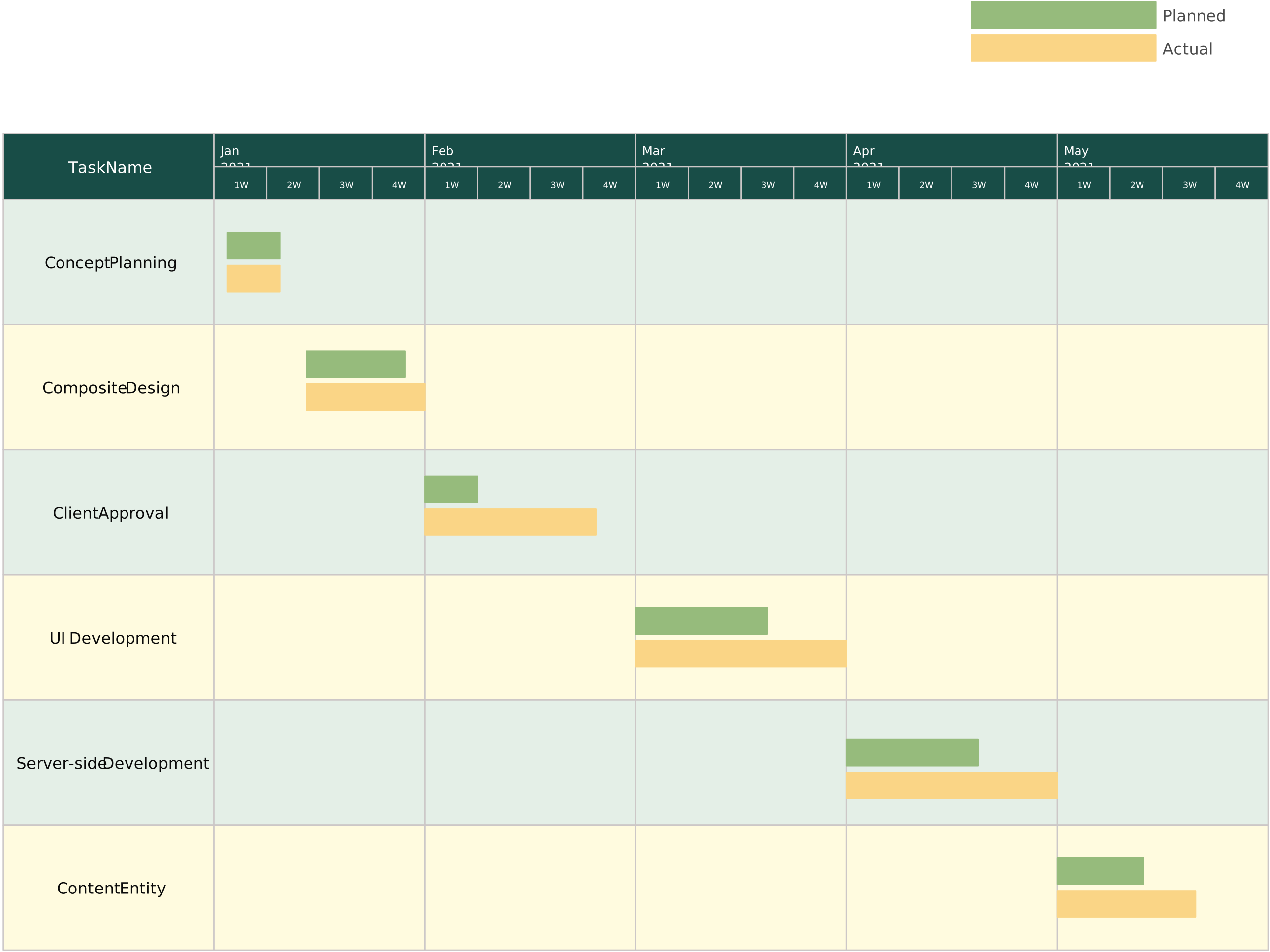
- Gantt Chart Template – Plan and visualize project timelines.
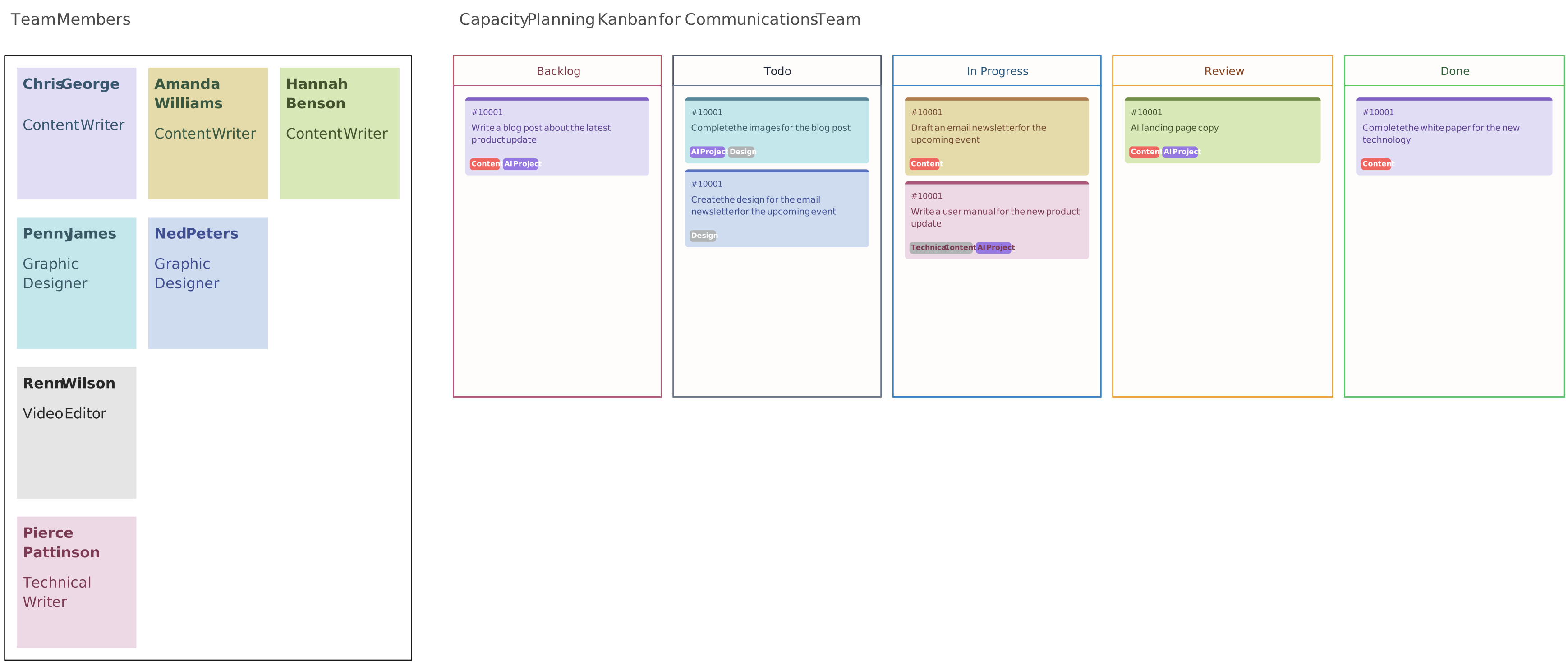
- Kanban Board Template – Track tasks and team progress in real-time.
Bridging the Gap Between Product Managers and Project Managers
Creately enables seamless collaboration between product and project managers by offering:
- Integrated Data – Sync with Jira, GitHub, and other tools to maintain up-to-date information.
- Unified Workspaces – Provide a shared platform for real-time collaboration and progress tracking.
- Visual Collaboration – Use diagrams and workflows to align teams and clarify complex processes.
- Feedback & Adaptation – Enable dynamic editing and commenting for agile project adjustments.
- AI-Enhanced Pre-Built Templates – Leverage intelligent templates to streamline planning, execution, and decision-making.
By leveraging Creately, teams can bridge the gap between product management vs project management, improving collaboration, increasing efficiency, and delivering successful products faster.
Conclusion
Understanding the distinction between a product manager vs project manager is essential for businesses and professionals aiming to optimize product development and execution. While a product manager defines the vision and strategy for a product, ensuring it meets customer and market needs, a project manager focuses on delivering projects efficiently by managing resources, timelines, and risks.
For businesses, clearly defining these roles prevents overlap, improves efficiency, and enhances collaboration. For professionals, recognizing the differences helps in choosing the right career path and excelling in their respective roles.
Both positions are crucial for a company’s success, working together to transform ideas into market-ready products while ensuring seamless execution. By aligning product strategy with project management, organizations can achieve sustainable growth, deliver high-quality products, and drive business success.
Resources:
Harkema, S. (2008). The role of heavyweight product manager. International Journal of Operations & Production Management, 28(5), pp. 495-516. Available at:https://www.emerald.com/insight/content/doi/10.1108/01443570810846874/full/html
Hobbs, B., & Petit, Y. (2018).The Role of a Software Product Manager. IEEE Transactions on Engineering Management, 65(1), pp. 6-22. Available at:https://ieeexplore.ieee.org/abstract/document/8511188/
Thiry, M. & Deguire, M. (2007). Project Manager and Project Manager Success. IEEE Engineering Management Review, 35(4), pp. 58-67. Available at:https://ieeexplore.ieee.org/abstract/document/4349541
Boxall, P. & Purcell, J. (2005). What Makes a Good Project Manager. Human Resource Management Journal, 15(2), pp. 68-79. Available at: https://onlinelibrary.wiley.com/doi/abs/10.1111/j.1748-8583.2005.tb00138.x