What does a Director of Product do? The role of a Director of Product is pivotal in driving the success of an organization’s product strategy and ensuring alignment with business goals. Acting as a bridge between strategic vision and operational execution, this role requires a unique blend of leadership, market insight, and technical expertise.
What Does a Director of Product Do?
A Director of Product is a senior leadership role that oversees an organization’s product management strategy, ensuring that products align with the company’s goals, meet customer needs, and drive business growth. This role serves as the bridge between strategic vision and tactical execution, managing teams, resources, and cross-functional collaboration to deliver high-value products.
Key Aspects of the Role:
1. Strategic Leadership
The Director of Product defines the long-term vision for the product portfolio, develops strategies that align with business objectives, and identifies opportunities for market differentiation.
2. Product Portfolio Oversight
They manage multiple products within a portfolio, ensuring consistency, quality, and alignment with the overall business mission. This includes resource allocation and performance tracking.
3. Team Management and Mentorship
Leading a team of product managers, the Director provides mentorship, sets clear goals, and fosters a collaborative environment that encourages innovation and accountability.
4. Customer and Market Insights
They analyze customer feedback, conduct market research, and monitor trends to inform product development and ensure the products address evolving customer needs.
5. Cross-Functional Collaboration
Acting as a liaison, the Director of Product collaborates with engineering, marketing, sales, and other departments to ensure smooth execution of product initiatives.
6. Operational Excellence
They oversee product roadmaps, prioritize initiatives, and remove obstacles that hinder execution, balancing strategic priorities with practical constraints.
7. Business Impact
A key focus of the Director of Product is to enhance the product’s contribution to the company’s bottom line by driving revenue growth, customer satisfaction, and market share.
Why the Director of Product Role Is Important
A Director of Product is instrumental in shaping a company’s product strategy, product vision and ensuring that it aligns with overall business objectives. They act as a bridge between leadership, product teams, and customers, driving strategies that foster growth and market differentiation. By balancing innovation with practicality, they ensure that products not only meet user needs but also contribute to long-term business success. Their role requires strong leadership, a deep understanding of customer pain points, and the ability to translate market trends into actionable strategies.
The Impact of a Director of Product
What does a Director of Product do to drive impact? They lead cross-functional teams, ensuring collaboration between product managers, designers, engineers, and marketing teams to deliver well-rounded, customer-centric solutions. By leveraging data-driven decision-making, they optimize product roadmaps, prioritize features that deliver the most value, and enhance customer satisfaction. Their ability to anticipate market shifts and proactively adjust strategies helps companies stay ahead of the competition. Ultimately, a Director of Product is key to fostering innovation, streamlining development processes, and ensuring that the product portfolio drives business growth and long-term success.
Key Responsibilities of a Director of Product
1. Strategic Product Vision
What does a Director of Product do when it comes to strategy? The Director of Product defines the overarching vision for the product portfolio, ensuring it aligns with the company’s mission and long-term objectives. They:
- Collaborate with executive leadership to identify business opportunities.
- Set product goals that drive growth and customer satisfaction.
- Prioritize product initiatives to maximize value delivery.
2. Product Portfolio Management
What does a Director of Product do to manage multiple products? They ensure each product fits within the broader portfolio strategy. Key tasks include:
- Managing resource allocation across products.
- Monitoring the performance of products to guide future decisions.
- Ensuring consistency in product branding and quality.
3. Team Leadership and Mentorship
A Director of Product leads and develops a team of product managers. Here’s what a Director of Product does in this area:
- Providing guidance on best practices in product management.
- Fostering a culture of innovation and collaboration.
- Supporting professional growth through mentorship and training.
4. Cross-Functional Collaboration
What does a Director of Product do to facilitate teamwork? They act as a liaison between departments, ensuring seamless communication and alignment. This involves:
- Working closely with engineering, marketing, and sales teams.
- Ensuring customer feedback is incorporated into product development.
- Aligning stakeholders around product priorities and timelines.
5. Market and Customer Insights
Understanding market trends and customer needs is critical. What does a Director of Product do to achieve this? They:
- Conduct market research to identify emerging trends and opportunities.
- Analyze customer feedback and usage data to refine product strategies.
- Benchmark against competitors to ensure differentiation.
6. Driving Product Execution
While product managers focus on day-to-day execution, what does a Director of Product do? They ensure alignment and remove roadblocks by:
- Approving product roadmaps and timelines.
- Reviewing key milestones and ensuring delivery within scope.
- Balancing strategic priorities with executional feasibility.
Where the Director of Product Fits in the Product Management Hierarchy
A well-defined product management hierarchy ensures clear leadership, strategic direction, and smooth execution across teams.
- Junior / Associate Product Manager (APM) – Entry-level role assisting with product research, backlog management, and feature execution.
- Product Manager (PM) – Owns specific products/features, collaborates with cross-functional teams, and drives execution.
- Product Owner (PO) – Focuses on managing the product backlog, prioritizing tasks, and ensuring alignment with Agile development teams.
- Senior Product Manager – Leads complex initiatives, mentors junior PMs, and aligns product goals with business objectives.
- Product Lead – Oversees multiple products or a major product area, ensuring strategic alignment and execution efficiency.
- Director of Product – Manages a team of PMs, sets broader product strategies, and ensures business alignment.
- VP of Product / Head of Product – Oversees the entire product function, scaling teams, and aligning product strategy with company goals.
- Chief Product Officer (CPO) – Defines the overall product vision, drives innovation, and ensures product-market fit at an executive level.
This hierarchy supports career progression, strategic decision-making, and product success across organizations.
Essential Skills for a Director of Product
1. Leadership and Communication
What does a Director of Product do to inspire teams? They communicate a clear vision across the organization and influence stakeholders through strong presentation skills.
2. Strategic Thinking
What does a Director of Product do to foresee market shifts? They think long-term while managing immediate priorities and adapting strategies accordingly.
3. Technical Acumen
What does a Director of Product do to work effectively with technical teams? While not necessarily an engineer, they understand technical constraints and opportunities.
4. Data-Driven Decision Making
What does a Director of Product do with data? They analyze market data, customer feedback, and product performance metrics to make informed decisions.
5. Adaptability
Given the fast-paced nature of the role, what does a Director of Product do to stay relevant? They remain flexible in responding to market changes, internal challenges, and evolving customer needs.
What Does a Director of Product Do? Essential Templates for Product Leadership
1. Sprint Planning Canvas Template
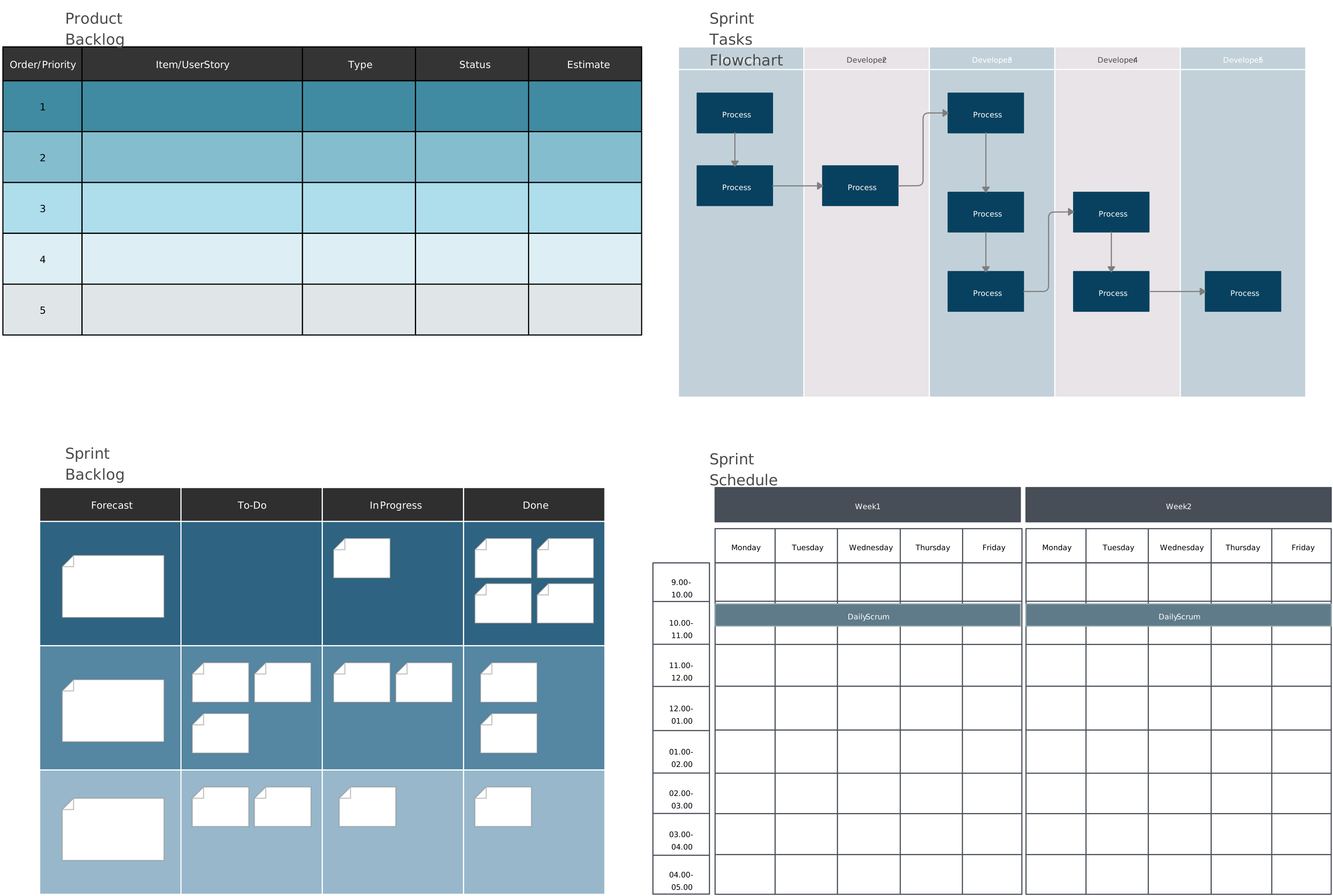

What does a Director of Product do during sprint planning? This template helps structure sprint goals, backlog items, and team responsibilities, ensuring a smooth Agile workflow.
2. Kanban Board Template

What does a Director of Product do to track work progress? An online Kanban board visually organizes tasks, streamlines workflows, and ensures teams stay aligned on priorities.
3. Agile Development Process Template
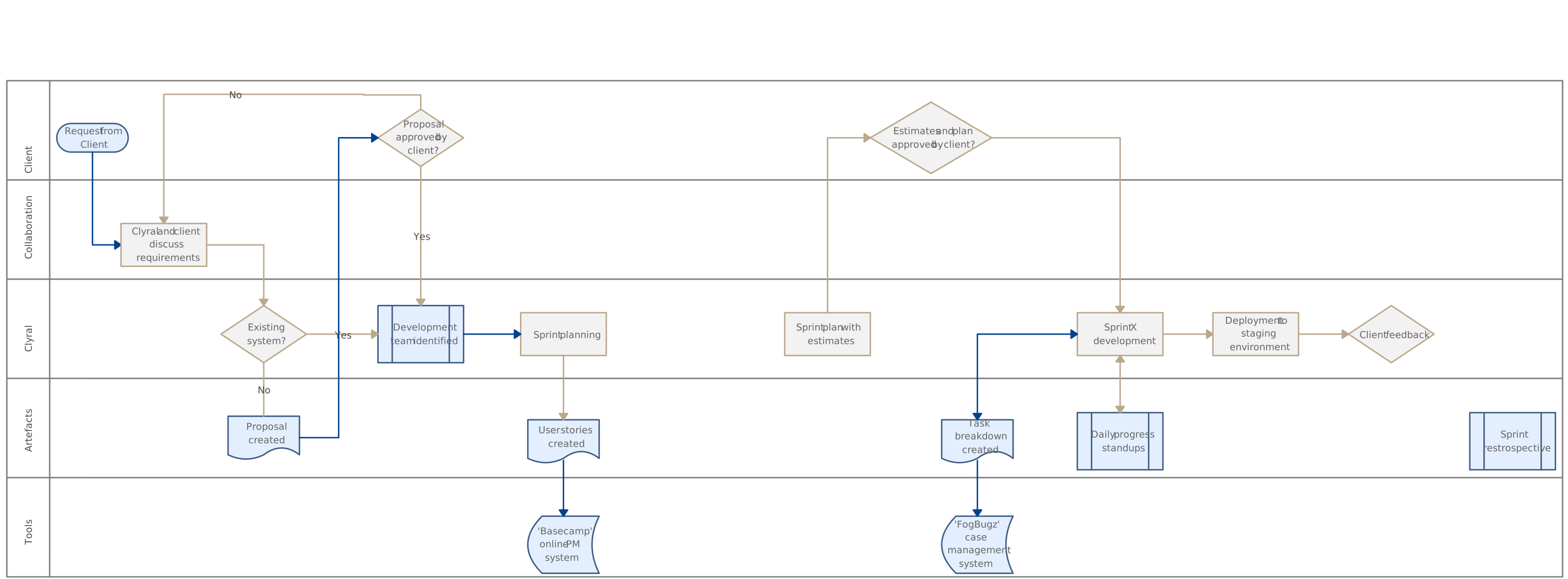
What does a Director of Product do to manage Agile development? This template outlines key phases, ensuring iterative improvements, faster delivery, and effective stakeholder collaboration.
4. Agile Project Charter Template
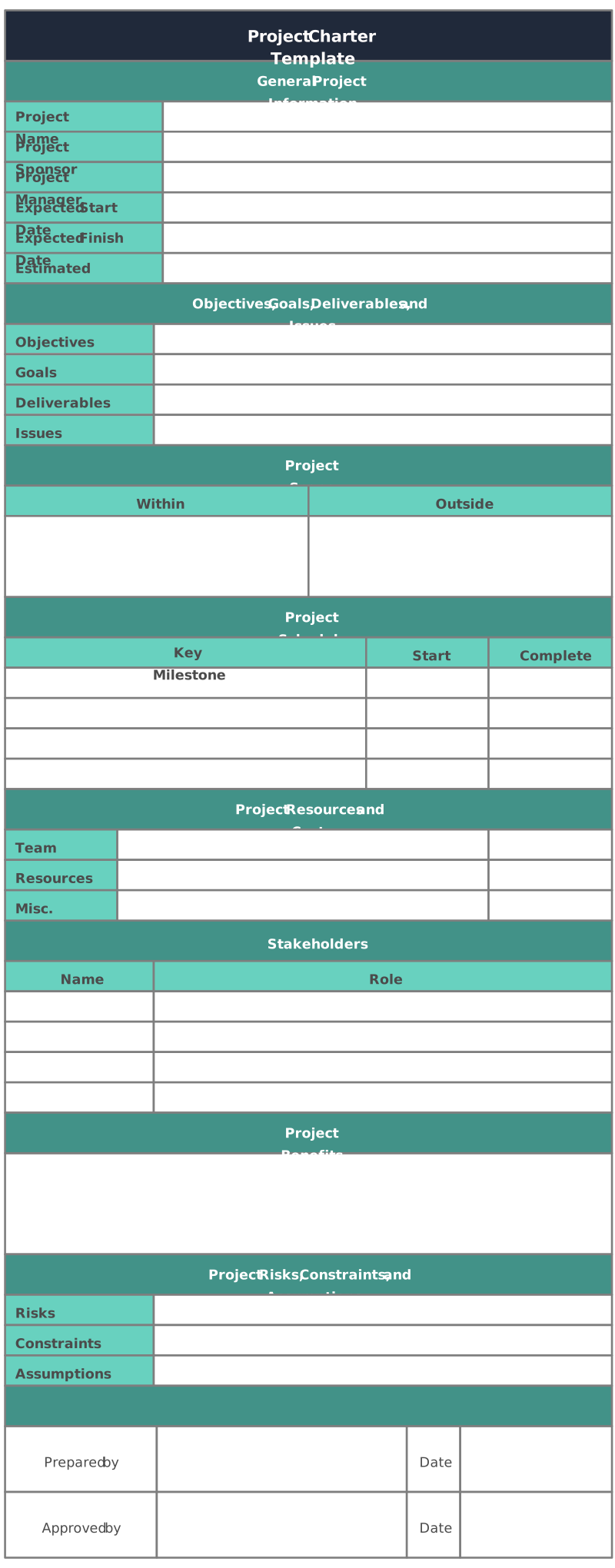
What does a Director of Product do to define Agile projects? This charter sets clear objectives, scope, and team roles to guide successful project execution.
5. Product Roadmap Template
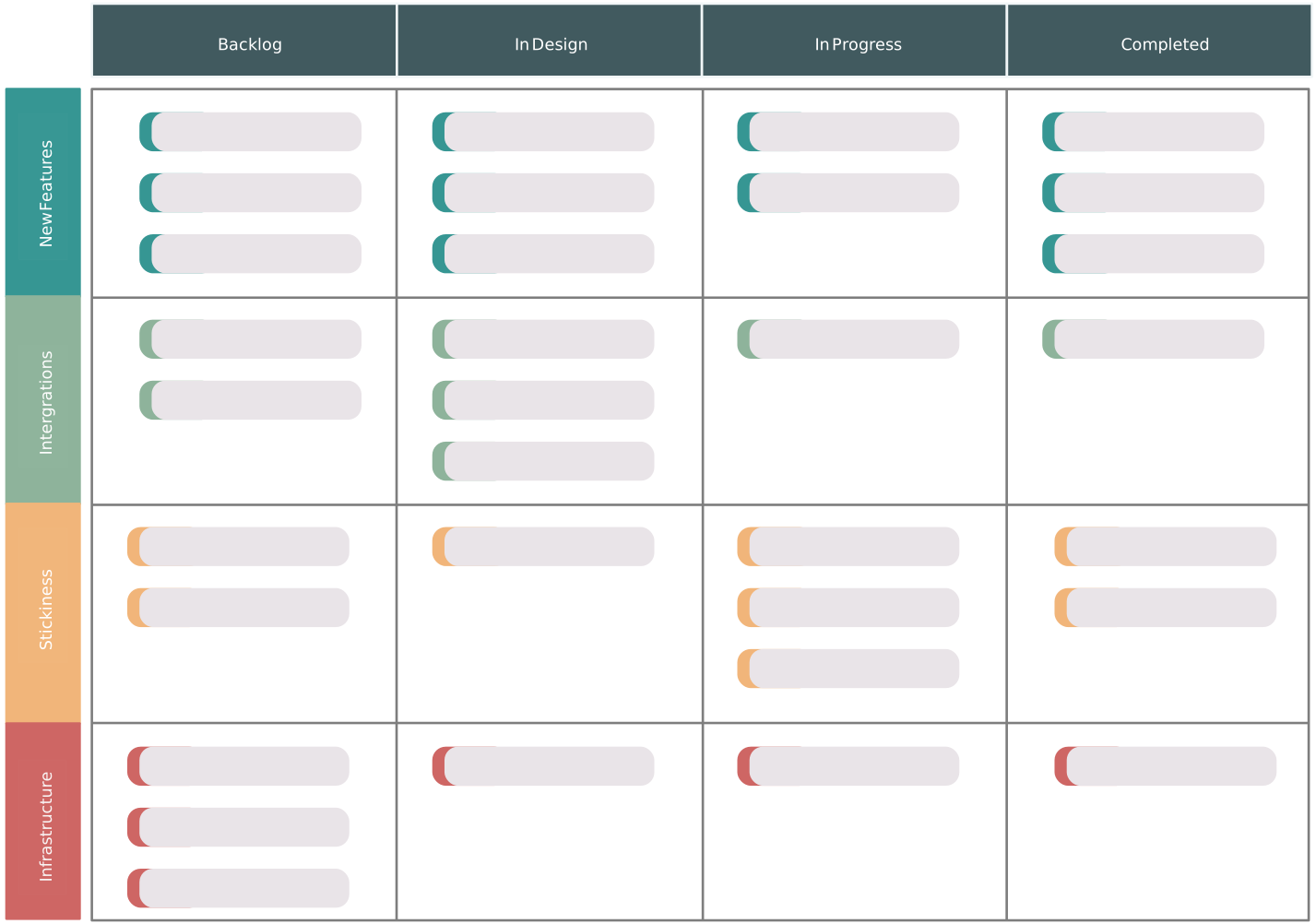
What does a Director of Product do to shape product strategy? A roadmap maker visually maps out key milestones, priorities, and deliverables for product success.
6. Stakeholder Management Template

What does a Director of Product do to align stakeholders? This Stakeholder Management template helps identify key players, define engagement strategies, and ensure alignment on product goals.
7. RACI Matrix for Projects
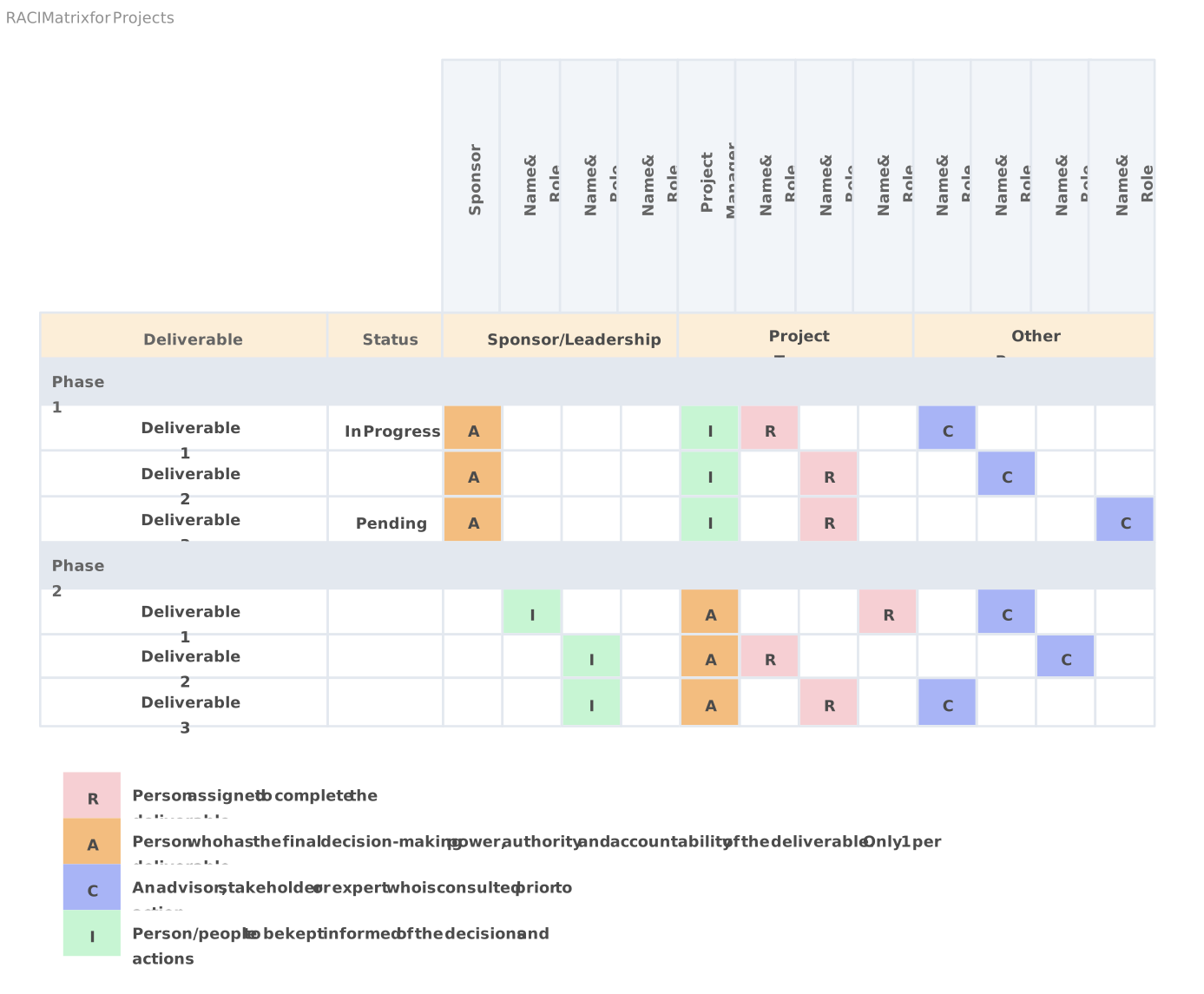
What does a Director of Product do to clarify roles? A RACI matrix defines responsibilities, ensuring clear accountability in project execution.
8. MoSCoW Chart Template
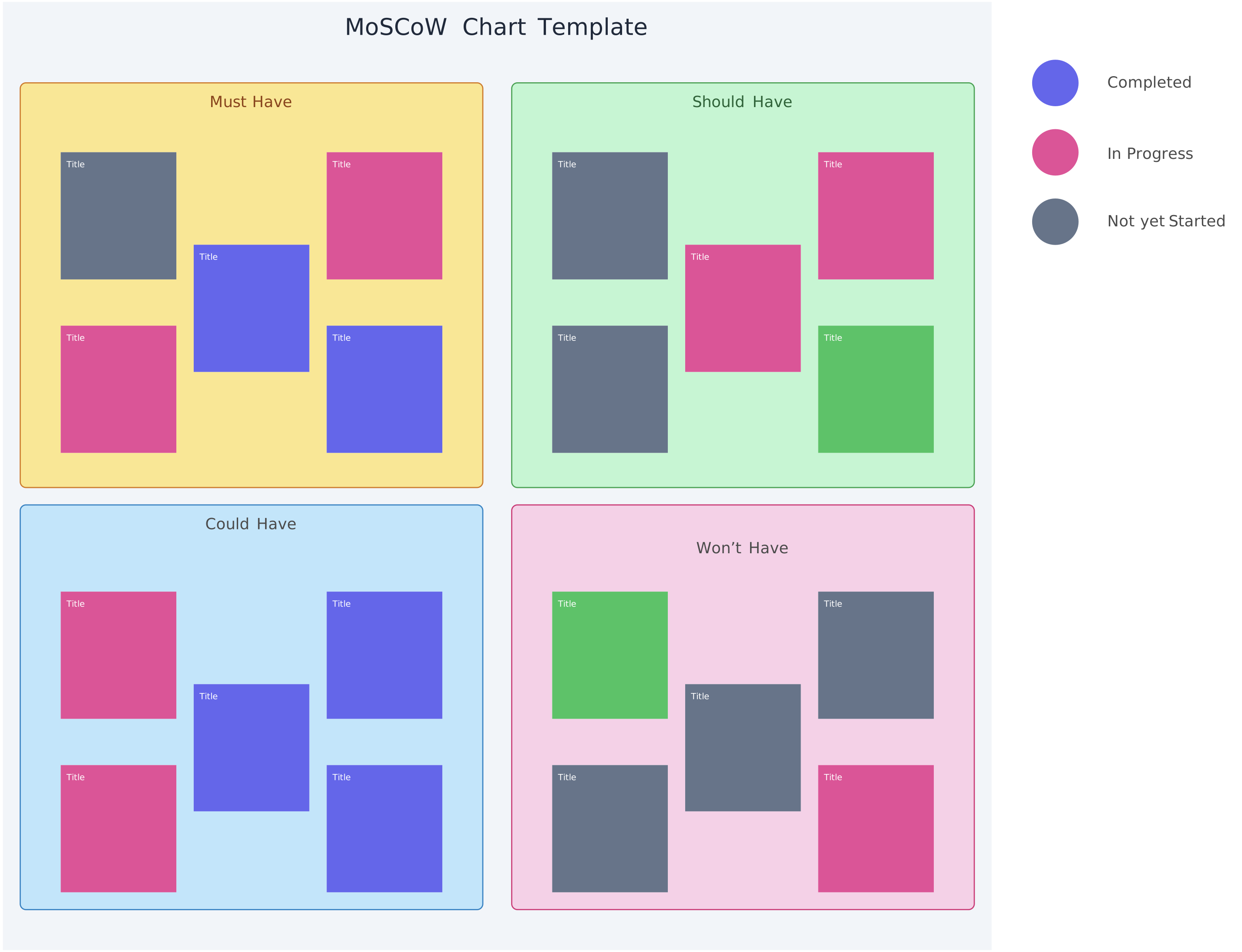
What does a Director of Product do to prioritize features? This Moscow method template categorizes tasks into Must-haves, Should-haves, Could-haves, and Won’t-haves for strategic decision-making.
9. Gantt Chart Template
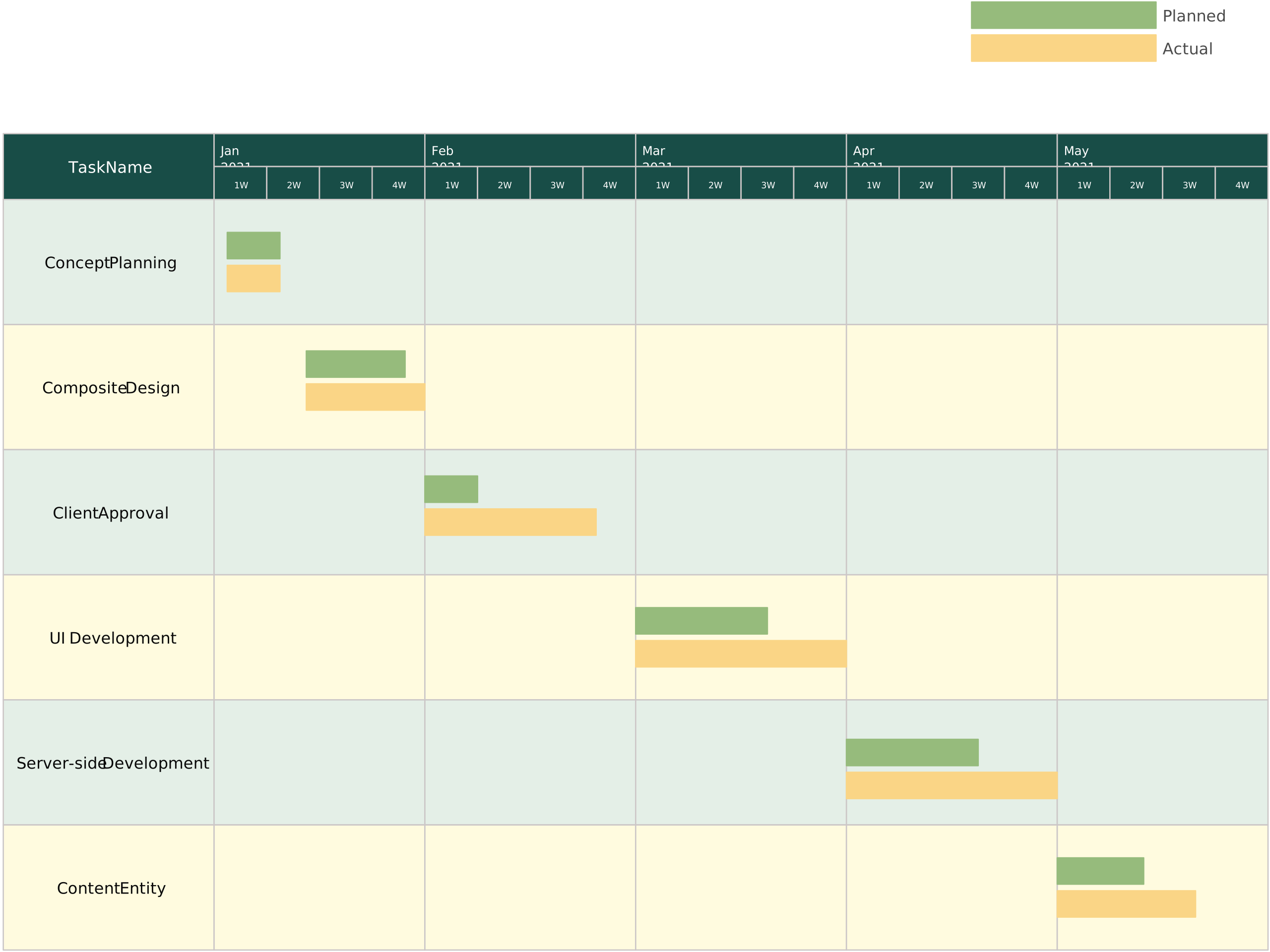
What does a Director of Product do to manage timelines? A Gantt chart provides a clear timeline of tasks, dependencies, and deadlines for efficient project tracking.
Director of Product vs. Product Manager
While both the Director of Product and Product Manager are essential to product development, their responsibilities, scope, and focus areas differ significantly. Together, they ensure a seamless transition between strategy and execution, but their roles operate at different levels within the organization.
Director of Product
The Director of Product is a senior leadership position with a high-level, strategic focus.: In essence, the Director of Product is responsible for steering the organization’s product efforts from a 30,000-foot view, ensuring strategic goals are met and resources are effectively utilized.
Product Manager
The Product Manager operates at a more tactical level, focusing on the detailed execution of specific products or features. A Product Manager is deeply involved in the hands-on process of building and delivering products that meet user needs and align with the broader strategy outlined by the Director of Product.
Key Differences of Product vs. Product Manager
- Scope of Influence:
- The Director of Product oversees the entire portfolio and ensures alignment with the company’s vision.
- The Product Manager focuses on individual products or features within the portfolio.
- Decision-Making:
- Directors make high-level decisions that affect resource allocation, team structure, and strategic direction.
- Product Managers handle day-to-day decisions related to product design, feature prioritization, and team collaboration.
- Perspective:
- Directors think long-term and across multiple products to optimize overall business impact.
- Product Managers focus on short- to medium-term execution, ensuring the success of a specific product or feature.
- Metrics of Success:
- Directors measure success by portfolio performance, strategic goal achievement, and team development.
- Product Managers evaluate success based on the performance of individual products or features and customer satisfaction.
Summary Table: Director of Product vs. Product Manager
| Aspect | Director of Product | Product Manager |
| Primary Focus | Strategic oversight of the product portfolio, ensuring alignment with business goals | Tactical execution of specific products or features |
| Scope of Influence | Manages multiple products across the portfolio, aligning with organizational objectives | Oversees individual products or features, focusing on execution and delivery |
| Team Role | Leads and mentors a team of product managers, fostering collaboration and professional growth | Collaborates directly with cross-functional teams, such as design, engineering, and QA |
| Key Responsibilities | Defines product vision, allocates resources, tracks portfolio performance, aligns with executives | Develops product roadmaps, gathers customer feedback, prioritizes features, and manages development cycles |
| Cross-Functional Alignment | Acts as a bridge between executives and operational teams, aligning departments on strategic priorities | Coordinates closely with engineering, sales, marketing, and customer support for smooth product rollouts |
| Metrics of Success | Portfolio performance, team development, and achievement of business goals | Product or feature success, meeting timelines, and customer satisfaction |
| Perspective | Long-term, high-level strategic vision | Short- to medium-term execution focus |
| Decision-Making | High-level decisions on resource allocation, team structure, and strategic direction | Day-to-day decisions on feature prioritization, product design, and team coordination |
This table highlights the differences and unique contributions of both roles, emphasizing their complementary nature in driving product success. Together, they ensure a balance between strategic vision and detailed execution.
Together, these roles create a balance between strategy and execution, ensuring that an organization’s products not only meet current market demands but also drive long-term growth. The synergy between the Director of Product and Product Manager is critical for delivering innovative, customer-focused solutions in a competitive market.
Challenges Faced by a Director of Product
The role of a Director of Product comes with unique challenges requiring strategic thinking and adaptability. Here’s a concise look at these obstacles:
1. Balancing Short-Term and Long-Term Goals
What does a Director of Product do to align immediate needs with overarching objectives?** **Directors of Product ensure short-term tasks like meeting deadlines don’t overshadow long-term goals by:
- Creating adaptable roadmaps: Integrating short-term priorities with future strategies.
- Strategic resource allocation: Balancing current needs with innovation investments.
- Regularly reassessing priorities: Staying responsive to market trends and stakeholder shifts.
This approach keeps teams focused on both immediate results and sustainable growth.
2. Managing Stakeholder Expectations
What does a Director of Product do to handle diverse inputs? Balancing input from executives, customers, and teams requires:
- Clear communication: Turning strategies into actionable, understandable plans.
- Stakeholder alignment: Using tools like prioritization grids to justify decisions visually.
- Diplomatic decision-making: Addressing competing needs while fostering trust.
A Director of Product ensures alignment without losing sight of the product’s core vision.
3. Scaling Teams and Processes
What does a Director of Product do as the organization grows? Scaling teams and workflows effectively involves:
- Standardizing workflows: Creating scalable processes for product development.
- Building strong teams: Hiring skilled managers and mentoring existing talent.
- Leveraging tools: Using platforms like Creately for collaboration and efficiency.
- Fostering growth: Promoting continuous learning and adaptation.
With these strategies, Directors of Product manage growth while maintaining innovation and efficiency.
Helpful Resources
An online Kanban board to organize your everyday workflows and set your team up for success. Visually organize and track progress of any kind of work collaboratively.
Effortlessly create a roadmap to clarify vision, enhance communication, and improve execution
Rather than adhering to one-size-fits-all processes, agile workflows embrace fluidity, allowing teams to focus on what really matters and adapt as needed.
This guide delves into the various stages of the product development process and helps you use the framework as a compass to guide you as you go about developing a product.
A single connected visual platform to collaborate on planning, tracking and running your Scrum projects.
Are agile teams more effective in getting work done faster than traditional teams? Are they better structured and optimized to achieve success every time?
Utilizing Creately as the Director of Product: A Powerful Tool for Directors of Product
What does a Director of Product do to streamline strategies and align teams? Creately is one of the best tools for product directors, offering powerful features to improve collaboration, productivity, and alignment with business goals.
Why Creately is Ideal for Product Management
For Directors of Product, Creately simplifies complex workflows and ensures smooth execution. Here’s why it stands out:
- Dynamic Roadmap Tools
- Creately’s customizable roadmaps help directors align product vision with business objectives, making it easy to share timelines and strategies with stakeholders.
- Prioritization Grids
- The prioritization framework enables ranking tasks and features by impact and urgency, ensuring resources are focused on high-value initiatives.
- Collaborative Workspaces
- Creately fosters real-time collaboration across engineering, marketing, and sales teams, ensuring seamless communication and alignment.
- Advanced Diagramming
- With templates and diagrams like flowcharts and org charts, Creately simplifies the communication of strategies and processes.
- Tool Integrations
- Creately integrates with Jira, Github, and Azure Devops, with two way sync streamlining workflows across platforms.
- Analytics and Performance Tracking
- Directors can track performance metrics and make data-driven decisions using Creately’s intuitive analytics features.
- Scalability
- As teams grow, Creately scales with them, offering collaboration tools, access controls, and multi-team management.
The Value of Creately for Directors of Product
When asking “What does a Director of Product do?”, the answer lies in managing strategy, team alignment, and results. Creately supports these goals by enabling:
- Clear communication of strategies.
- Effective collaboration across departments.
- Smart prioritization of initiatives.
- Performance tracking and data-driven decisions.
Creately empowers Directors of Product to drive innovation, align teams, and deliver impactful products that meet customer needs and business objectives. It’s the ultimate tool for working smarter and achieving product success.
Conclusion
What does a Director of Product do to achieve excellence? Becoming a Director of Product is a culmination of years of experience, strategic insight, and leadership development. For organizations, investing in this role ensures a cohesive product strategy that drives growth and meets customer needs effectively. Whether you’re aspiring to this role or looking to refine your understanding, the Director of Product’s contributions are undeniably key to achieving product excellence.
Resources
Leland. (n.d.). The Director of Product: A Comprehensive Guide to This Leadership Role. Retrieved from https://www.joinleland.com/library/a/the-director-of-product-a-comprehensive-guide-to-this-leadership-role
Tavoq. (n.d.). Director of Product Management: Key Responsibilities & Skills. Retrieved from https://tavoq.com/blog/director-of-product-management
Product School. (n.d.). Director of Product: A Career in Strategic Leadership. Retrieved from https://productschool.com/blog/career-development/director-product