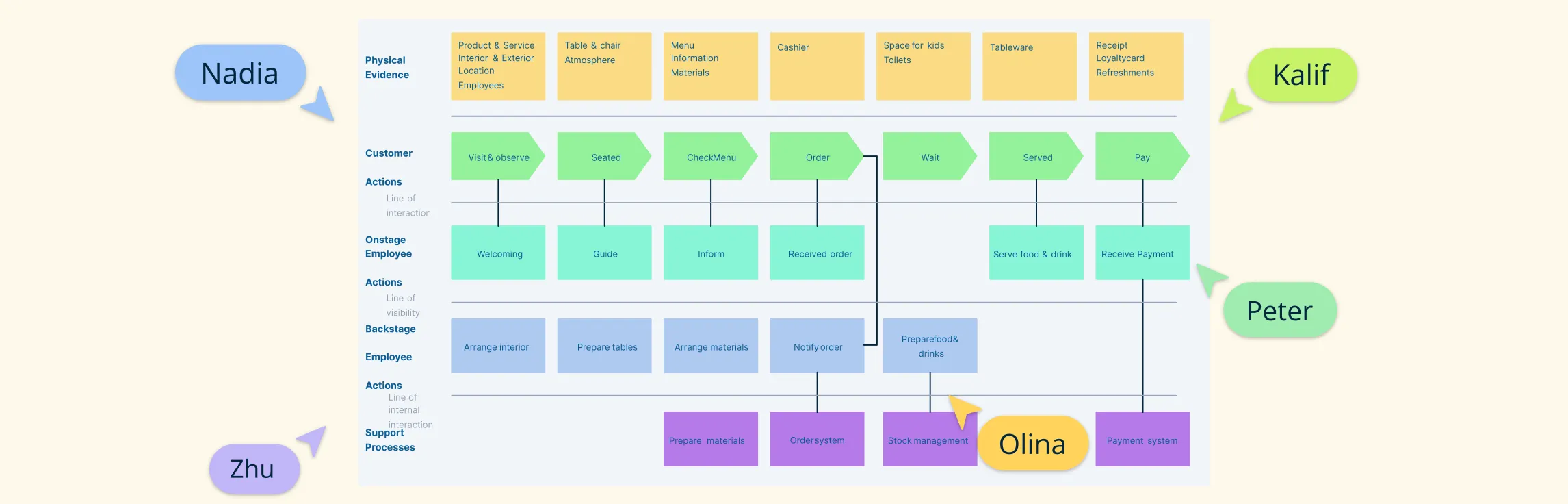
Service blueprints visualize how a service works—from what customers experience to the people, systems, and processes behind each touchpoint. They can help teams surface dependencies, failure points, unclear ownership, and improvement opportunities across digital, physical, and internal services.
This guide includes 14 editable service blueprint examples and explains how to adapt them to your context. Use each template as a starting structure, validate it with customer and operational evidence, and maintain it as the service changes. You’ll also see how Creately AI can help draft an initial visual for team review.
What Are Service Blueprints?
A service blueprint is a visual tool that maps out the entire service process—from what the customer experiences to the behind-the-scenes actions that support it. It shows how people, systems, and processes work together to deliver a service, helping teams identify gaps, improve efficiency, and create better customer experiences.
14 Service Blueprint Examples for Better Customer Experience and Service Design
Explore service blueprint examples across digital services, banking, hospitality, healthcare, food service, entertainment, and education. Each service blueprint template shows one way to connect customer interactions with frontstage actions, backstage work, support processes, systems, and evidence.
The branded examples below are illustrative templates created for learning and planning. They should not be treated as official, complete, or current representations of the named organizations’ operations. Validate regulatory, safety, privacy, and operational requirements before using any example in practice.
1. AI Service Blueprint Example
Use this AI-assisted template with Creately AI to generate a first-pass diagram from a natural-language description. Review and revise the customer actions, frontstage and backstage work, support processes, systems, evidence, and exceptions with customers and service teams before relying on it.
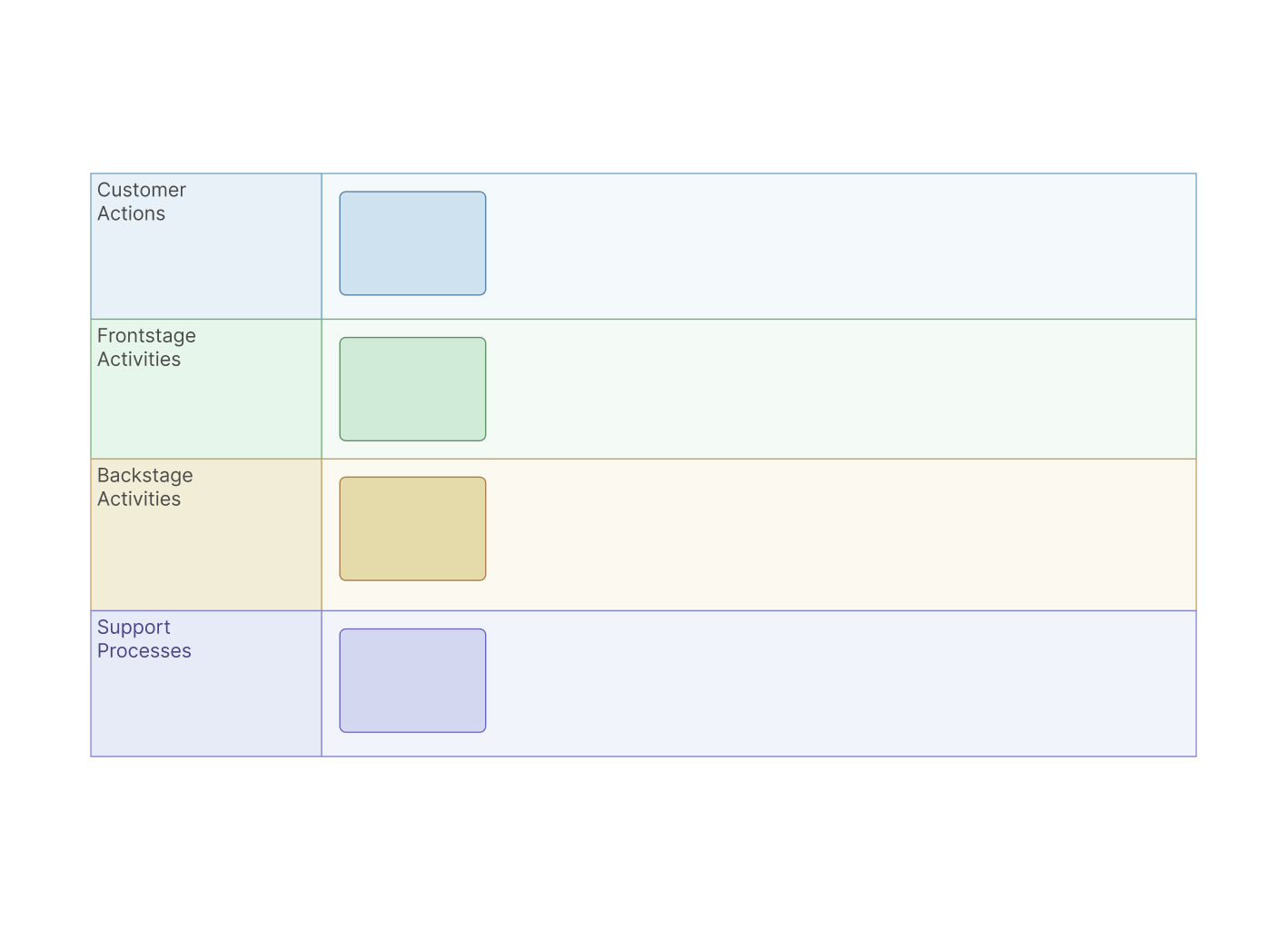

2. Blank Service Blueprint Example
A clean, customizable service blueprint framework to start from scratch. Perfect for teams that want to map any type of service journey without predefined stages.
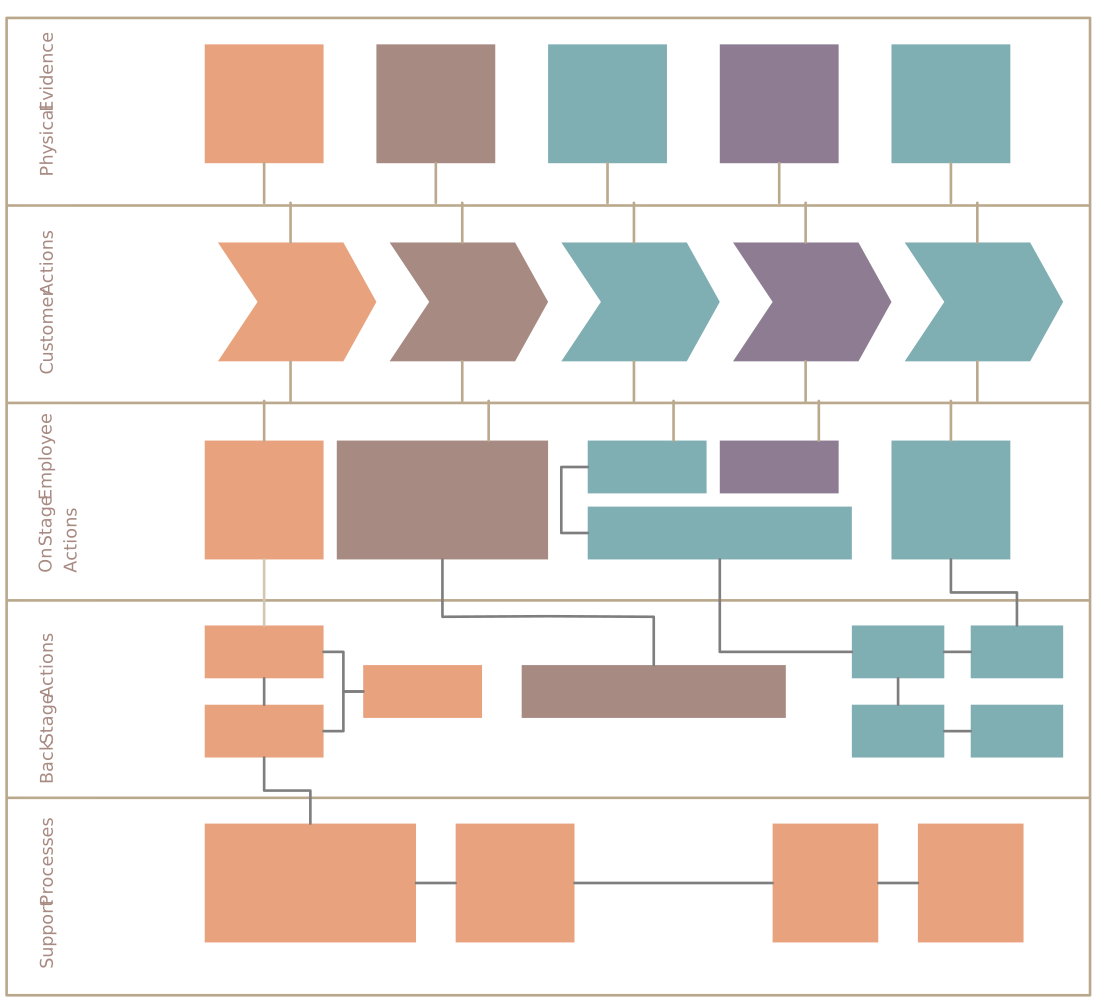
3. Detailed Service Blueprint Example
A detailed structure that includes customer touchpoints, frontstage and backstage actions, and support processes. Use it to organize a complex service, then remove unnecessary detail and verify each dependency with the teams involved.
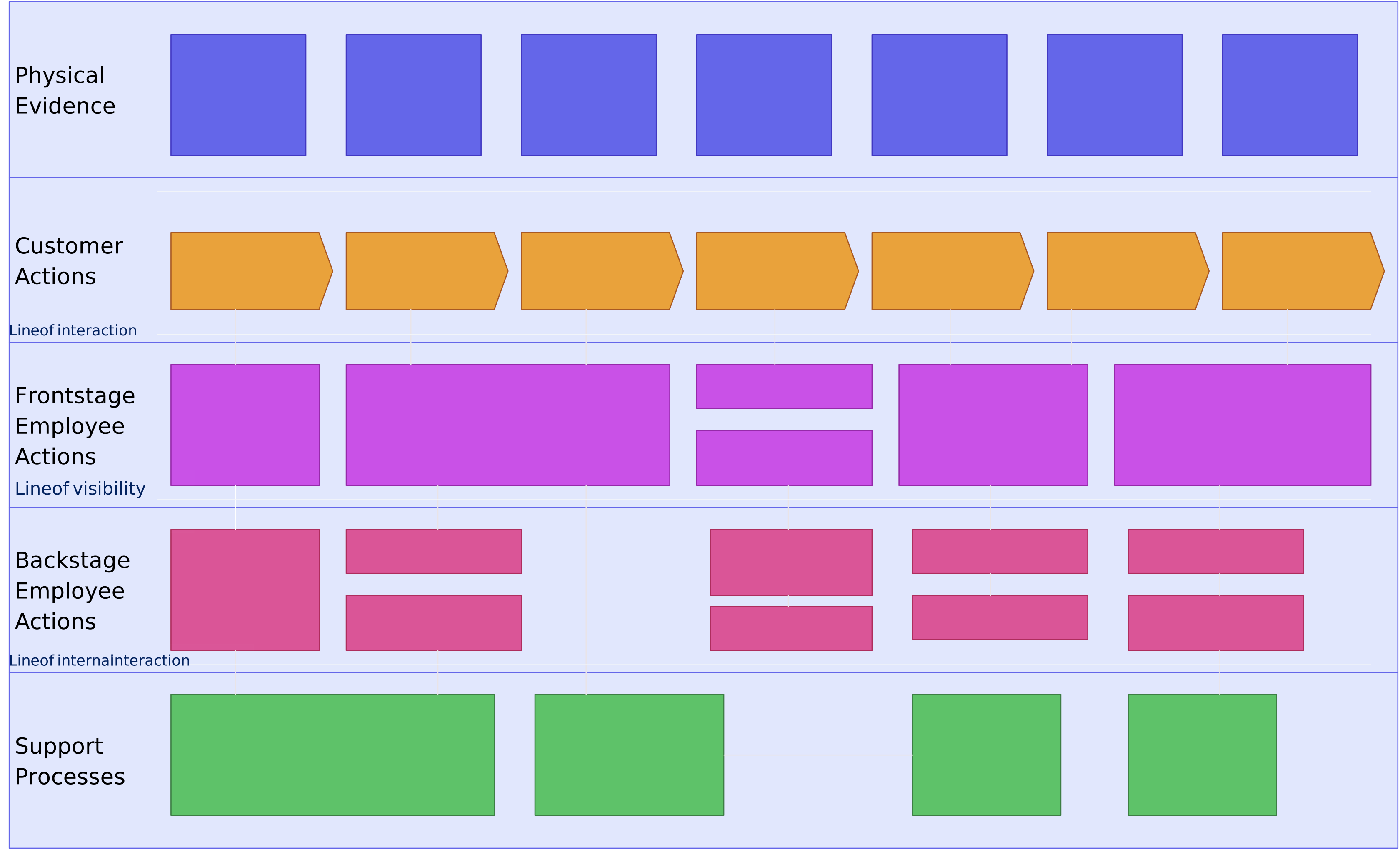
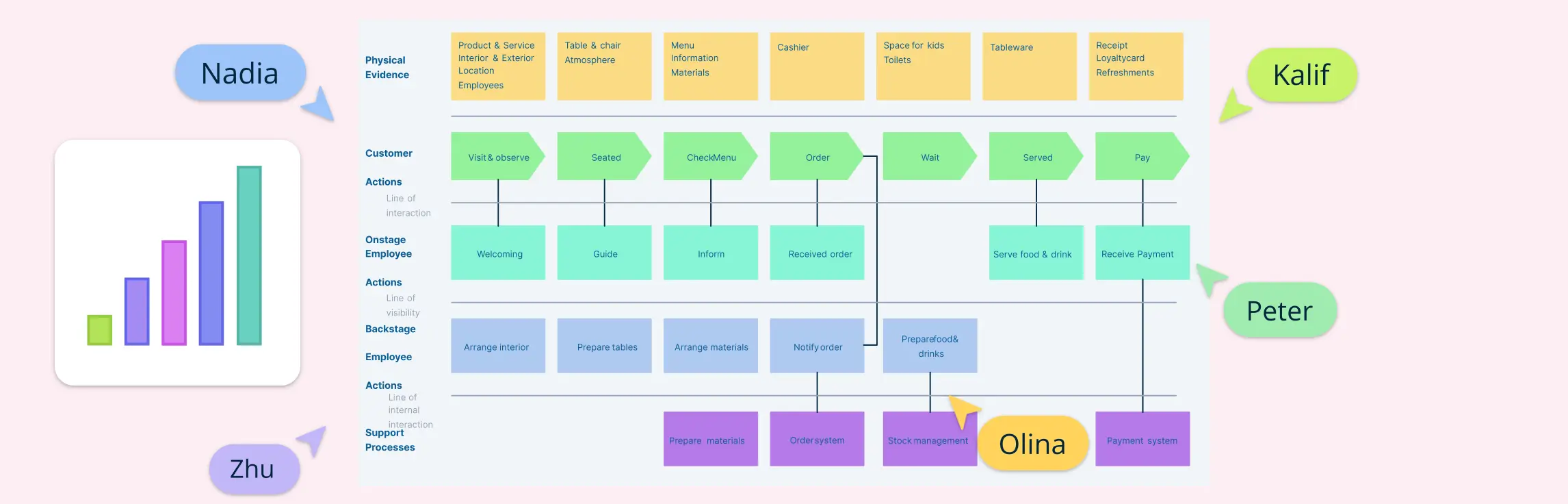
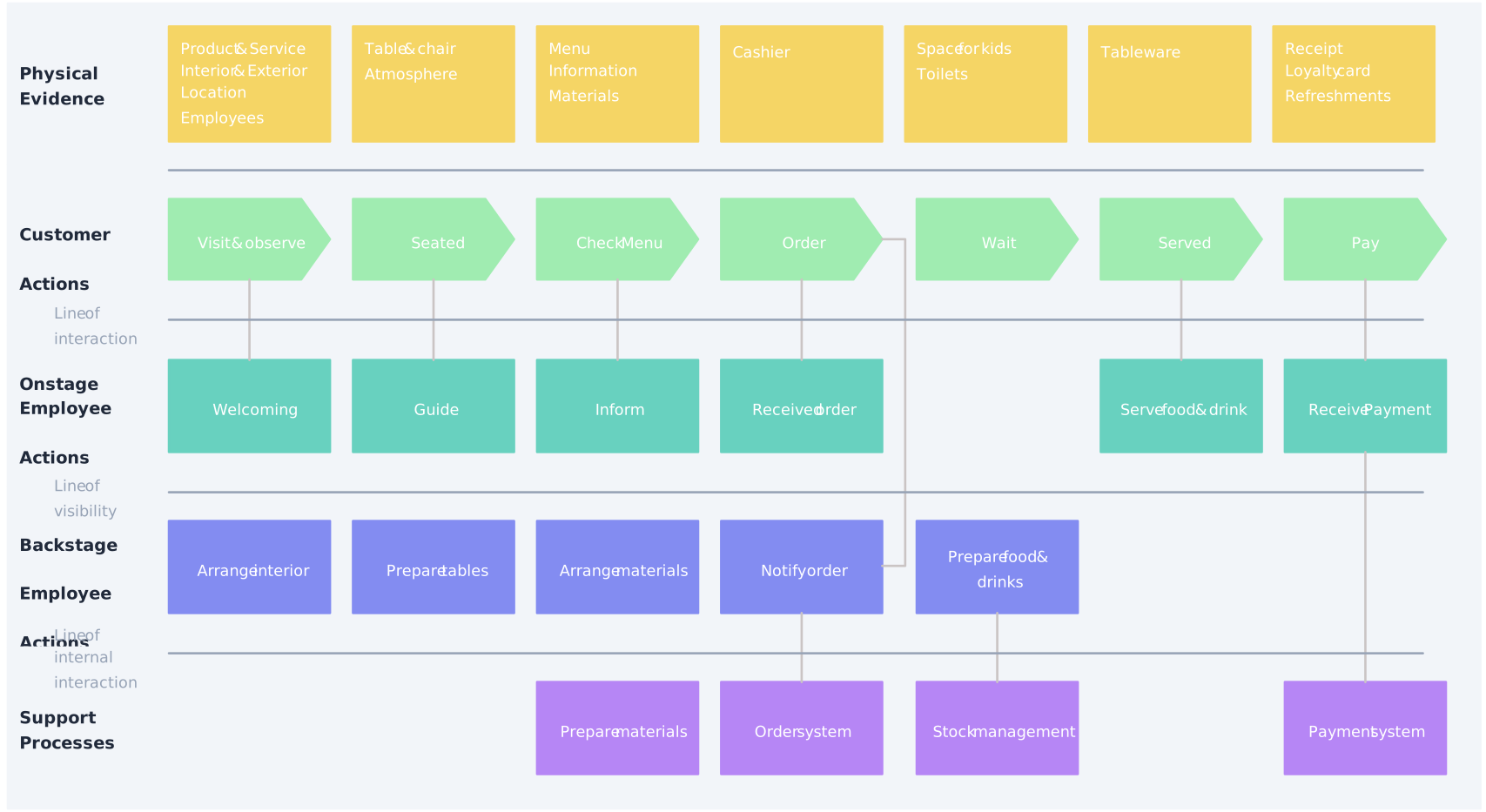
4. Restaurant Service Blueprint Example
Maps an illustrative casual-dining journey from arrival to checkout. Use it to examine wait-time assumptions, kitchen handoffs, customer evidence, and staff coordination.
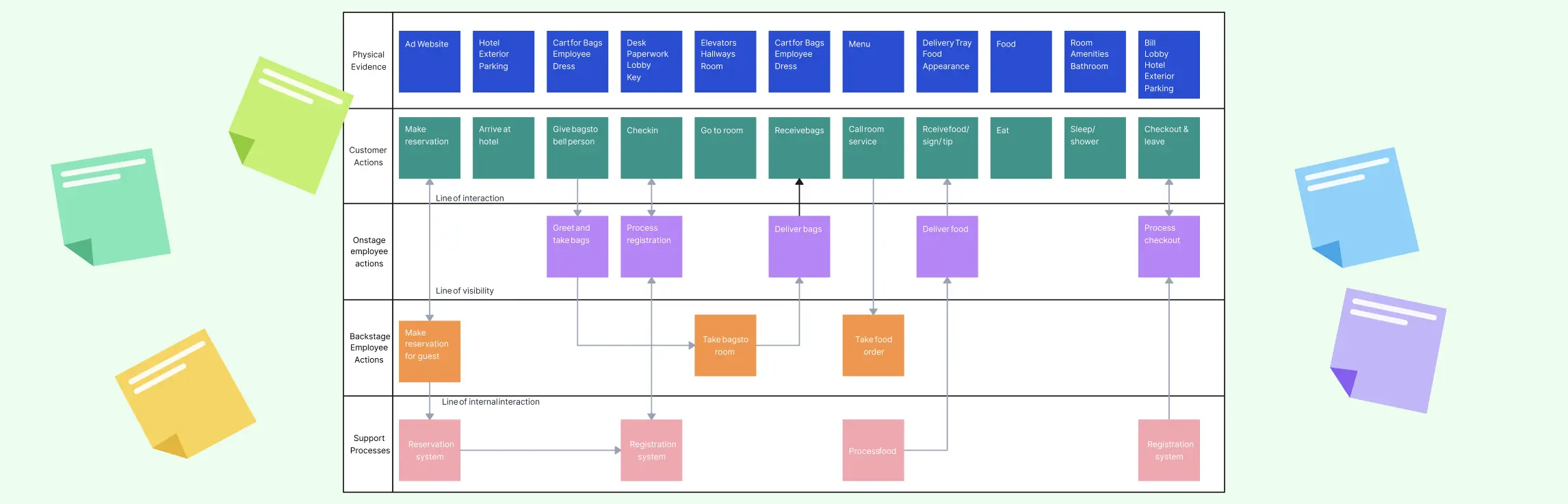
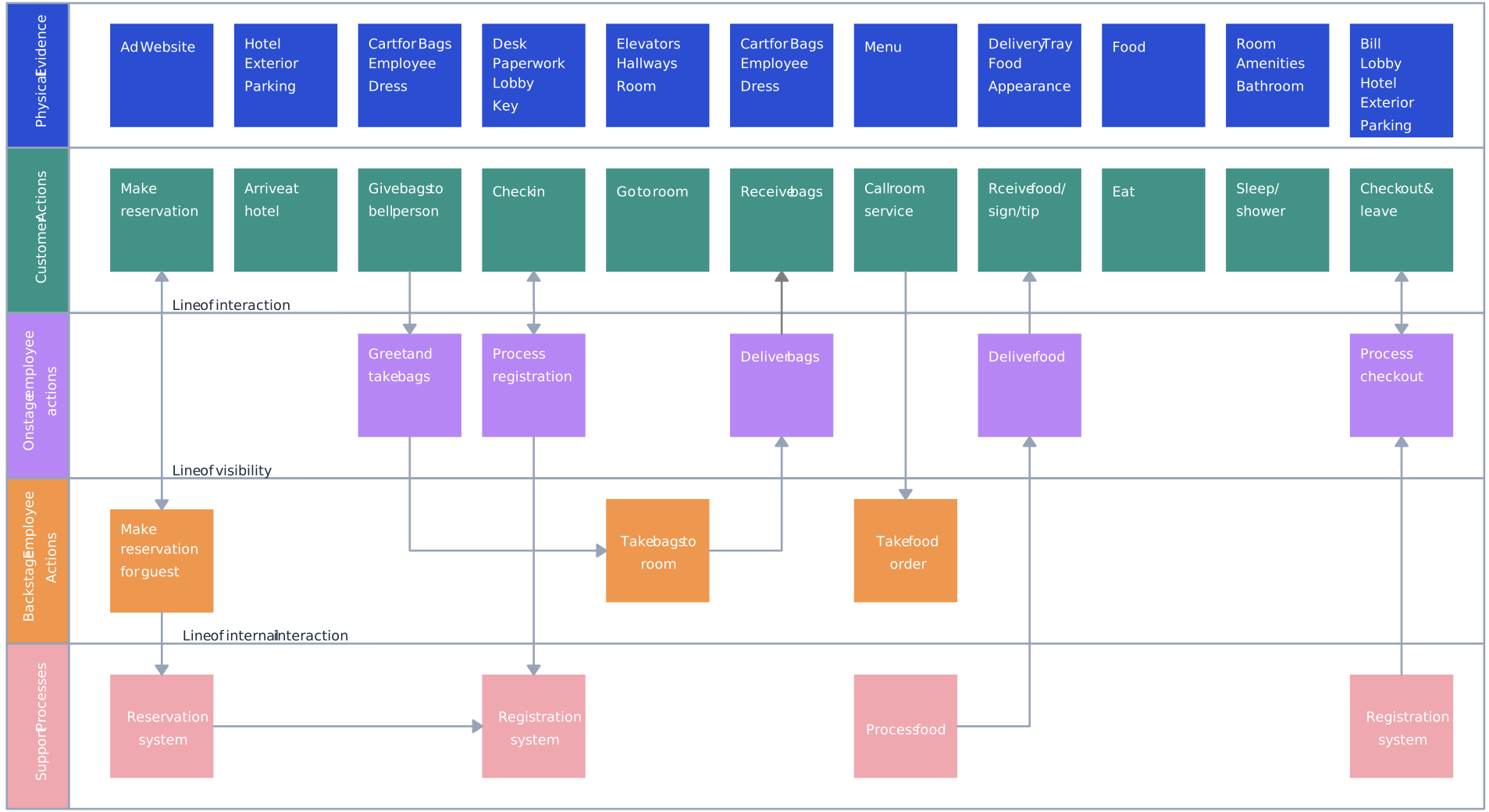
5. Hotel Service Blueprint Example
Outlines an illustrative guest journey from booking to checkout. Hospitality teams can adapt it to examine check-in, room service, housekeeping, systems, and front-desk handoffs.
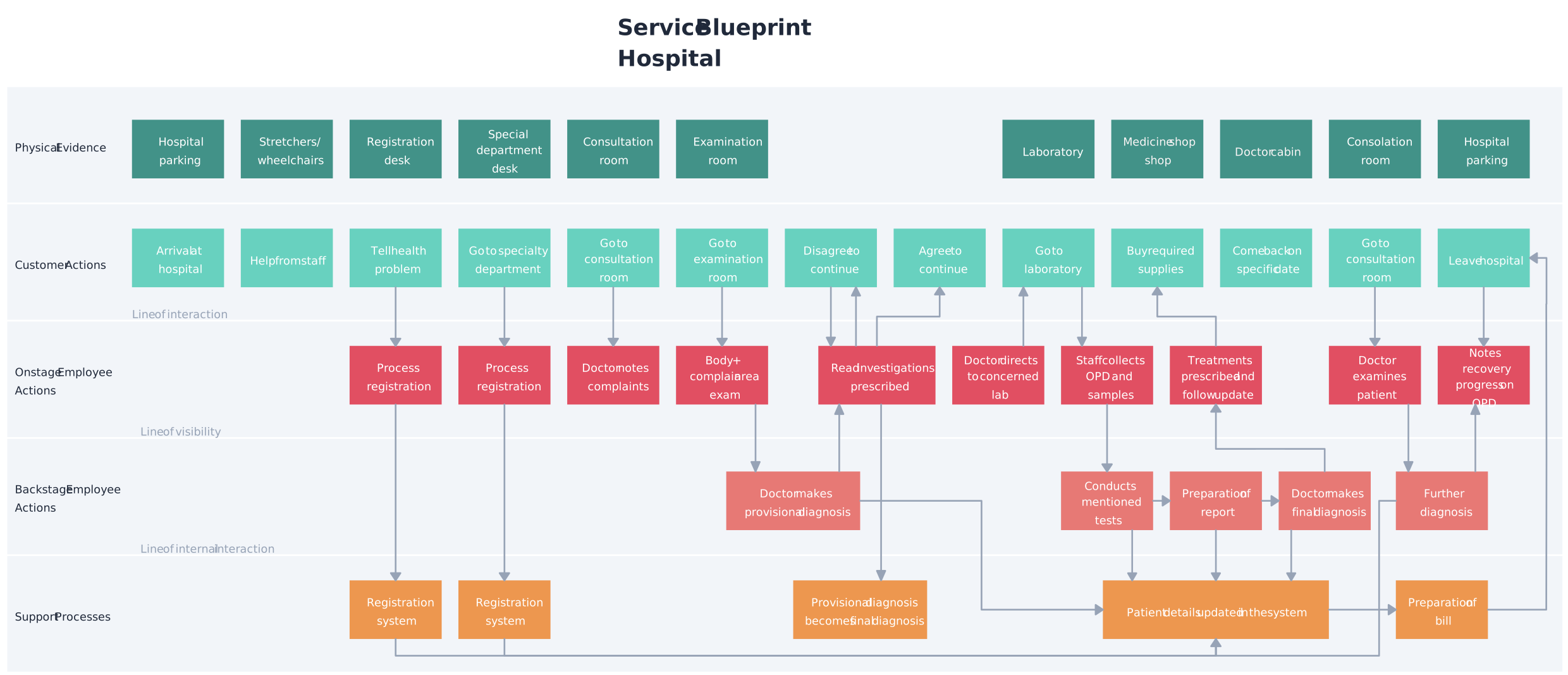
6. Hospital Service Blueprint Example
Provides an illustrative view of appointments, patient-facing interactions, backstage activities, and support processes. Healthcare teams must adapt it to local clinical workflows, privacy rules, safety controls, and governance requirements; it is not a clinical protocol.
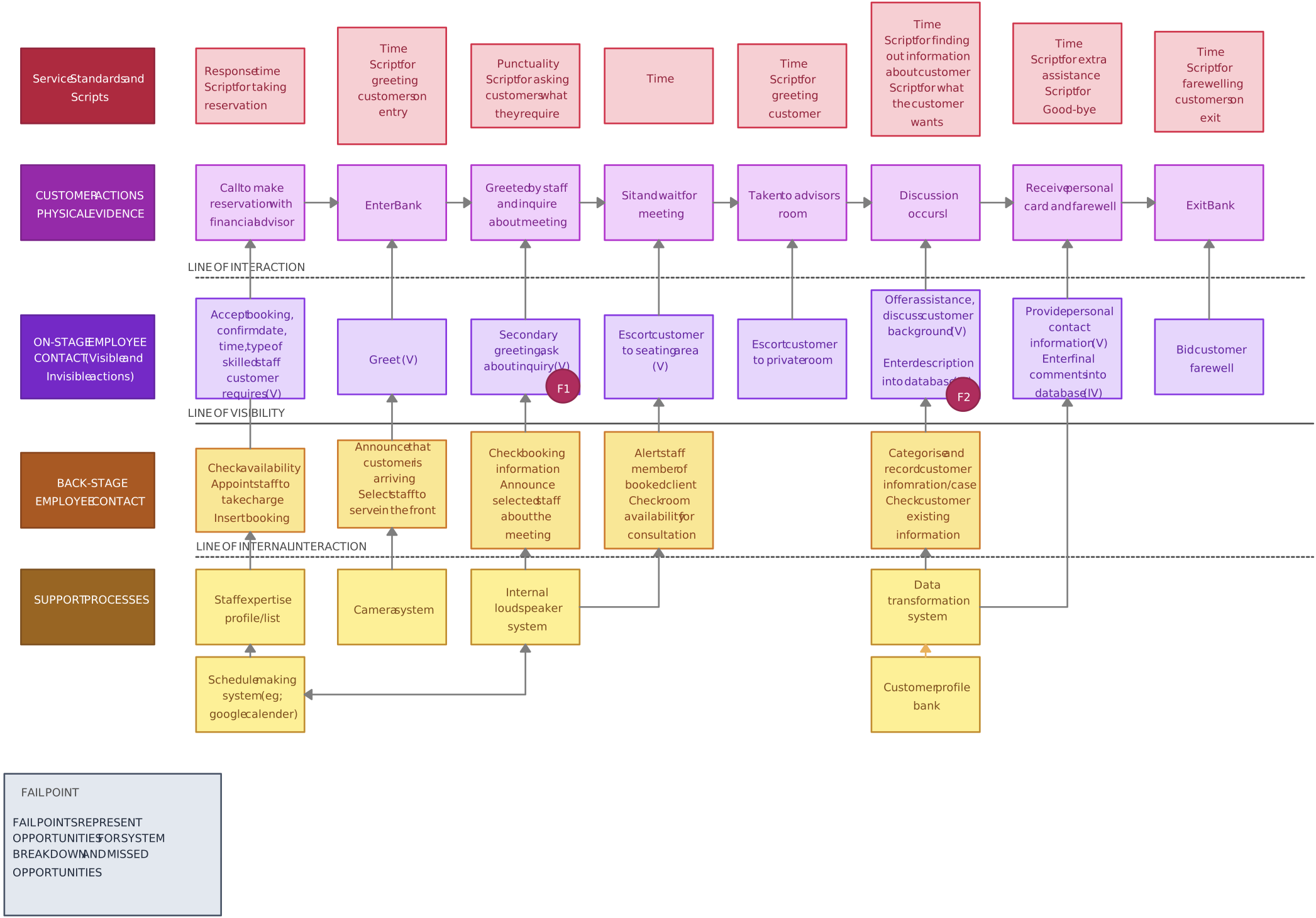
7. Commonwealth Bank Service Blueprint Example
An illustrative banking blueprint focused on account opening and customer service. Financial institutions should adapt it to their products, controls, privacy obligations, regulatory requirements, and current in-branch and back-office processes.
8. Starbucks Service Blueprint Example
Illustrates an order, preparation, and pickup flow using Starbucks as a recognizable scenario. It is not an official representation of Starbucks operations; use it to prompt discussion about queues, handoffs, evidence, exceptions, and service consistency.
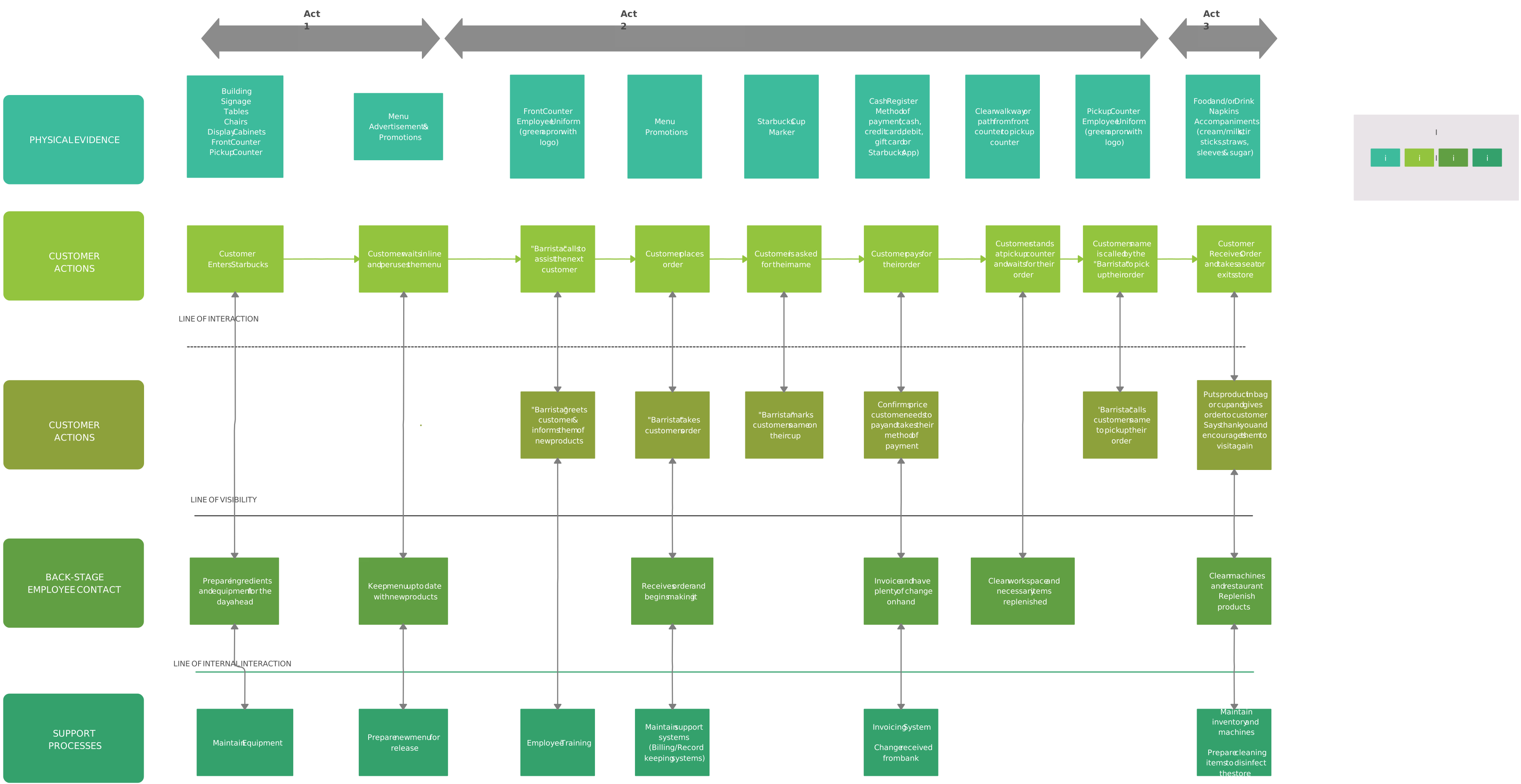
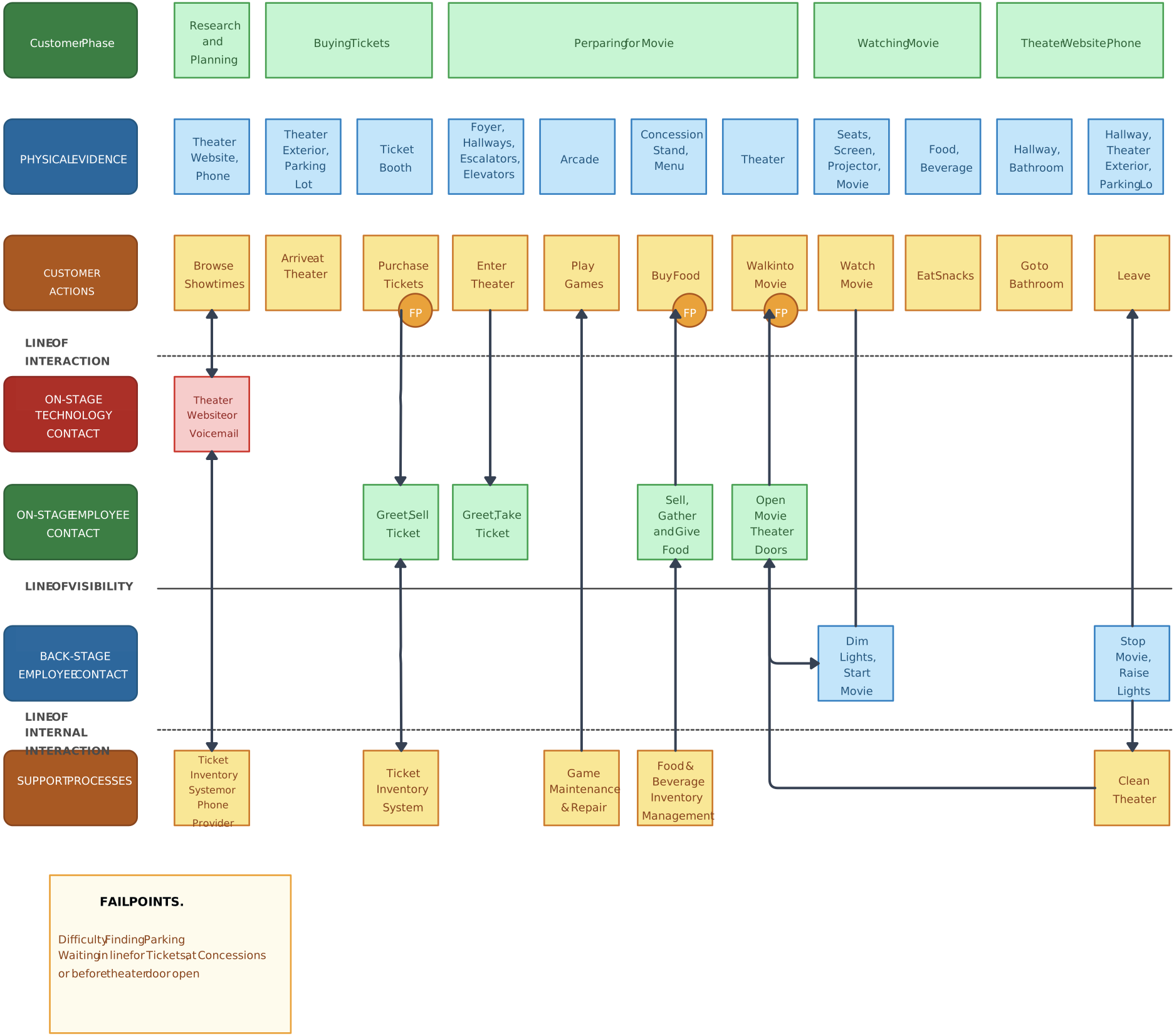
9. Movie Theater Service Blueprint Example
Covers the customer experience from ticket purchase to film viewing. Helps cinema teams fine-tune online booking, concession services, and staff roles.
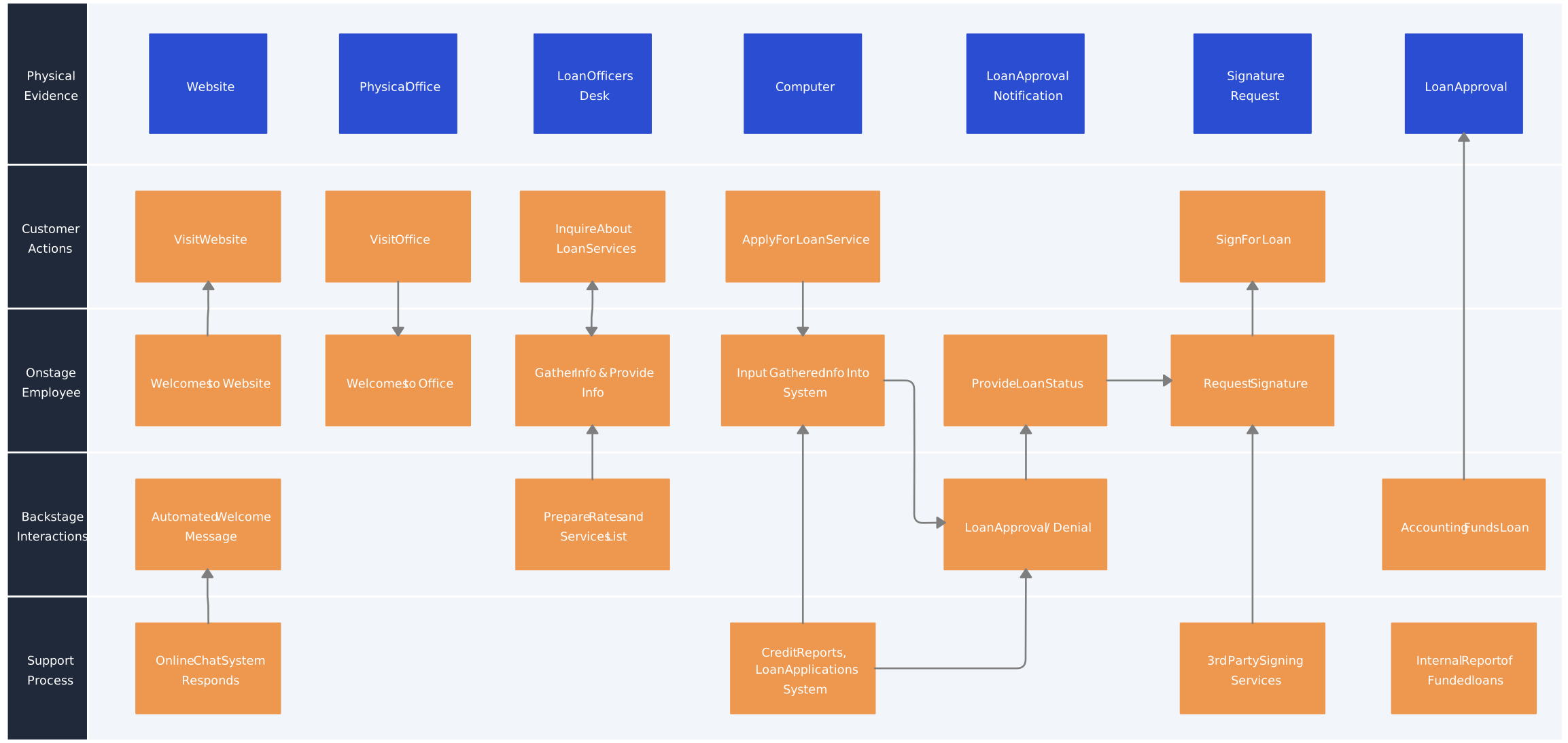
10. Finance Industry Service Blueprint Example
Provides a starting structure for financial-service journeys such as lending or account servicing. Add the required controls, disclosures, approvals, security measures, and recordkeeping for the specific service and jurisdiction.
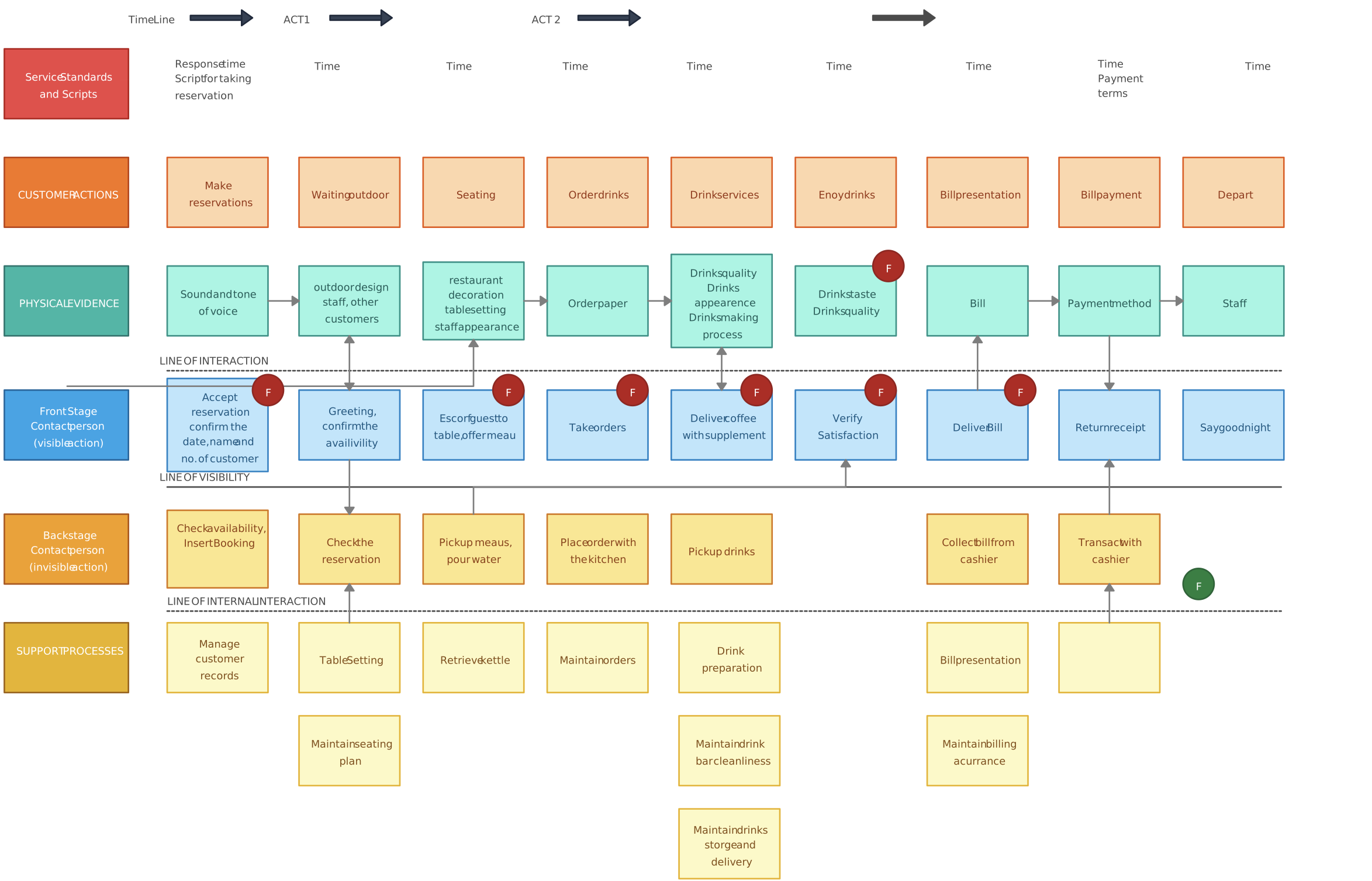
11. Coffee Shop Service Blueprint Example
Captures a quick-service coffee shop workflow. Useful for baristas and shop owners to reduce wait time, improve prep speed, and enhance customer flow.
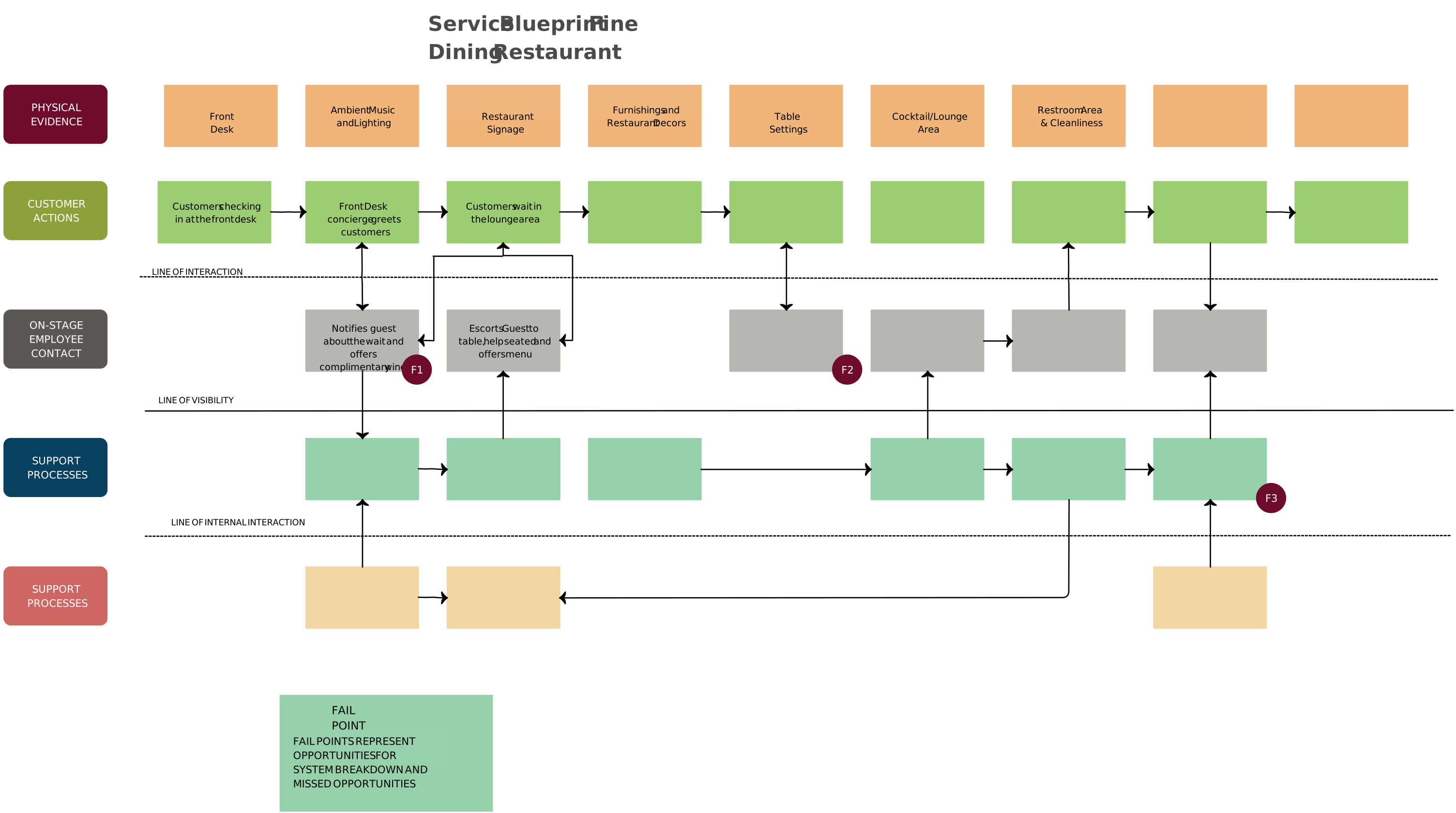
12. Fine Dining Restaurant Service Blueprint Example
Details a refined, multi-touch fine dining experience. Helps restaurants coordinate host, kitchen, and table service for seamless luxury dining.
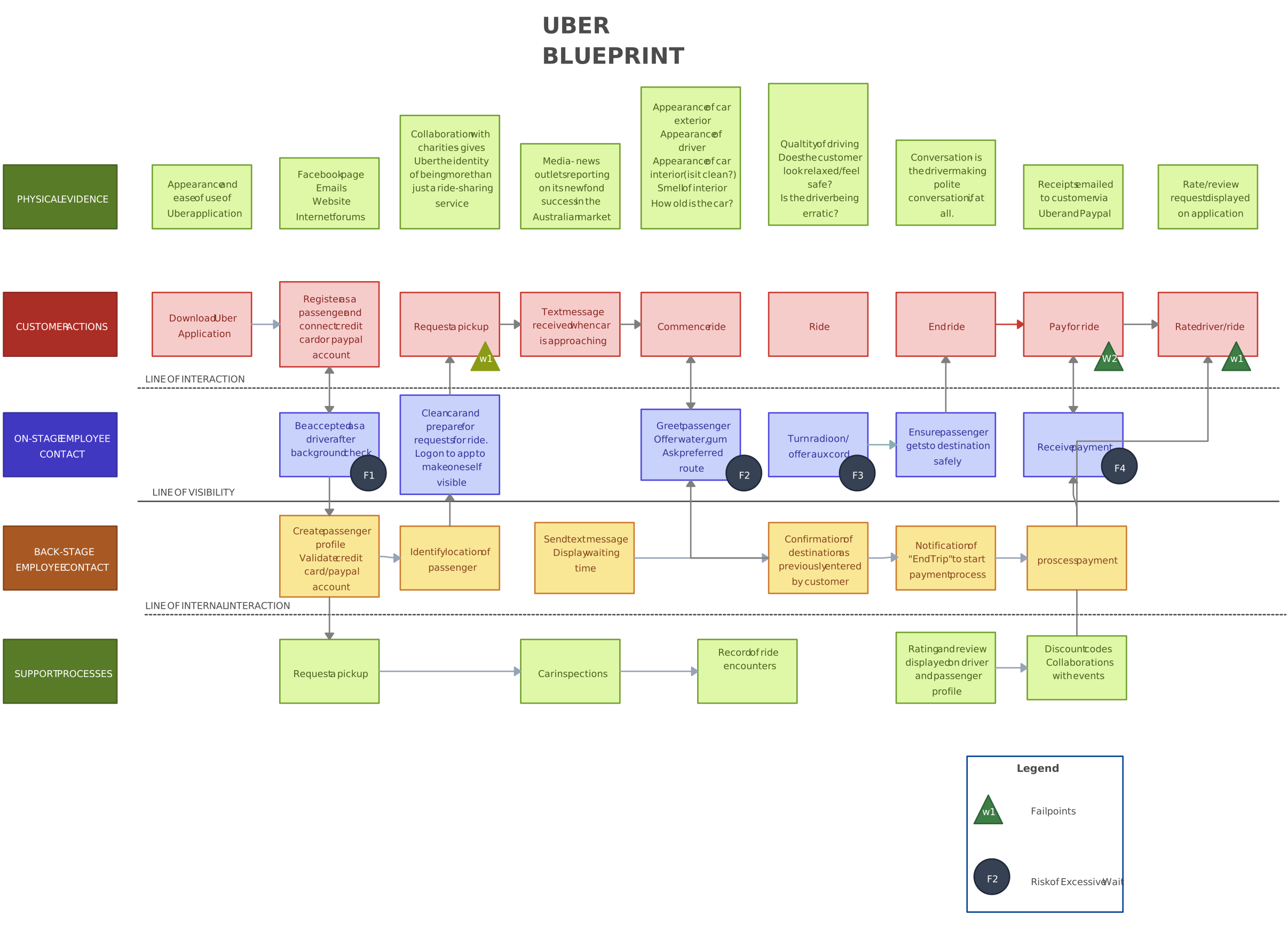
13. Uber Service Blueprint Example
Uses Uber as an illustrative scenario for an app-mediated service involving riders, drivers, payments, support, and technology. It is not an official representation of Uber operations; adapt it to study dependencies, exceptions, and feedback loops.
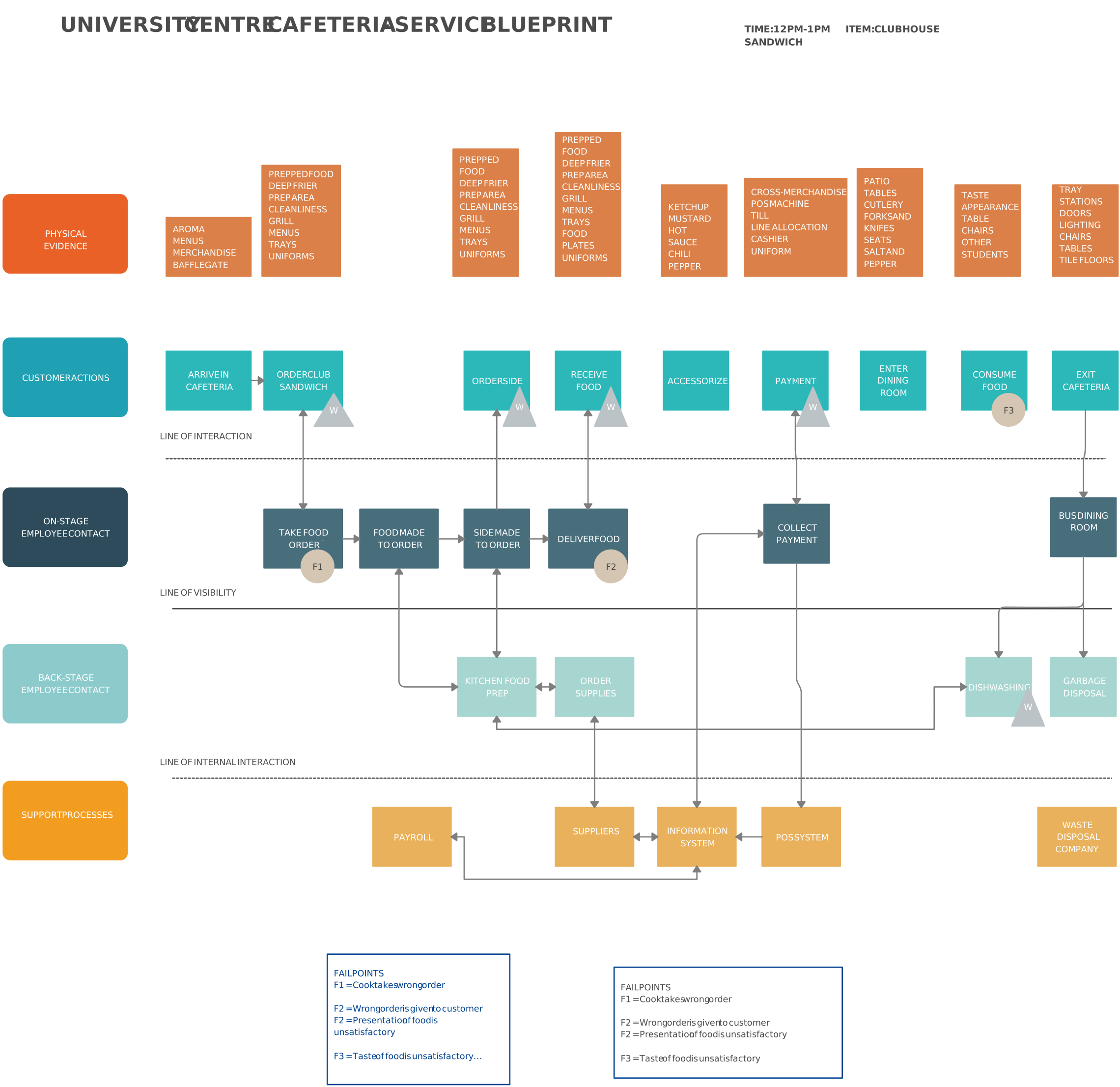
14. University Center Cafeteria Service Blueprint Example
Maps an illustrative student journey through a university cafeteria. Campus teams can adapt it to examine queues, accessibility, food-safety controls, service evidence, staffing, and student feedback.
How to Use Creately’s Service Blueprint Templates
Whether you’re mapping a restaurant service, healthcare journey, digital interaction, or internal workflow, Creately’s service blueprint templates provide an editable starting point. Use the workspace to connect the service flow with owners, handoffs, relevant guidance, and review context. Keep authoritative approvals, customer records, and sensitive operational data in the systems required by your organization.
Step 1: Pick the right service blueprint example
Browse through the collection of service blueprint examples. Choose one that’s closest to your use case—like hospitality, banking, healthcare, or even a blank template if you want to start fresh.
Step 2: Open the template in Creately
Click the “Edit Template” link under the example you like. This opens the blueprint in Creately’s visual workspace, where you can review its lanes and adapt the content to your service. Account and plan requirements may vary.
Step 3: Understand the structure
Before editing, take a moment to look at how the blueprint is organized. Most service blueprint examples include:
- Customer actions (top row): What the user sees and does
- Frontstage actions: What employees or systems do directly in front of the customer
- Backstage actions: Internal steps that support the frontstage experience
- Support processes: Systems, tools, or departments involved
- Lines of interaction: Boundaries between each layer
Step 4: Customize it for your service
Click on any element to edit. You can:
- Change text to match your specific process
- Add or remove steps in the journey
- Use the quick-access toolbar to change colors, icons, or layout
- Add notes, data, or links to relevant documents
Step 5: Use Creately AI to draft a blueprint (optional)
Use the AI service blueprint example to generate an initial diagram from a plain-language prompt. Check the output for missing actors, unsupported assumptions, incorrect sequence, sensitive data, exceptions, and required controls before refining it with stakeholders.
Step 6: Collaborate with your team
Share your customized blueprint with teammates to gather feedback. You can:
- Invite people to edit or comment
- Use presentation mode to walk through the blueprint
- Use @mentions to ask specific stakeholders for input
Step 7: Export, embed, or present
Once you’re done:
- Export the blueprint as PNG, JPEG, PDF, or SVG, depending on the plan
- Share or embed it where appropriate for the audience and access requirements
- Keep the shared visual current while retaining formal records in approved systems
Use Creately AI to Draft a Service Blueprint
Creately AI can turn a written description into a visual starting point. The quality of the result depends on the context supplied, so the generated structure should be reviewed against customer research, operational evidence, and input from the people who deliver and support the service.
How it works:
- Describe your service — Simply type what your service involves (e.g., “A customer books a table online, dines in, and pays at the counter”).
- Generate a first draft — Ask Creately AI to propose customer actions, frontstage and backstage work, support processes, and systems.
- Customize it visually — Once your blueprint is generated, you can fine-tune every part using Creately’s intuitive editor.
Why it’s useful:
- Saves you from manually building structure and layout
- Great for brainstorming or rapid prototyping
- Ideal for beginners or teams with limited service design experience
- Provides a structure the team can check, correct, and expand
Use case: Generate a workshop draft for a new or existing service, then use the session to challenge assumptions, add evidence, identify gaps, and agree on what needs further validation.
Start with a Service Blueprint Example
Choose an example that resembles the service you want to study, then replace its assumptions with evidence from customers and operational teams. Add the systems, owners, handoffs, exceptions, controls, and evidence that matter in your context. Review the blueprint with stakeholders and assign responsibility for keeping it current.
Use Creately’s editable service blueprint templates to create the first version, gather feedback, and maintain the shared visual as the service evolves.
References
Kostopoulos, G., Gounaris, S. and Boukis, A. (2012). Service blueprinting effectiveness: drivers of success. Managing Service Quality: An International Journal, [online] 22(6), pp.580–591. doi:https://doi.org/10.1108/09604521211287552.
Abugeddida, R.A. and Donnellan, P. (2021). Service Blueprint Technique for Designing and Improving Service: A Literature Review. [online] doi:https://doi.org/10.13140/RG.2.2.16423.88482.
Hossain, M.Z., Enam, F. and Farhana, S. (2017). Service Blueprint a Tool for Enhancing Service Quality in Restaurant Business. American Journal of Industrial and Business Management, 07(07), pp.919–926. doi:https://doi.org/10.4236/ajibm.2017.77065.
FAQs About the Service Blueprint Examples
Who should use a service blueprint example?
Can I use service blueprint examples for digital services?
What’s the best way to present a service blueprint to stakeholders?
Can I track changes or version history in Creately blueprints?
Can I use a service blueprint example for internal services or employee journeys?