Every product goes through a natural journey from the moment it enters the market to when it eventually phases out. Understanding this journey can be the difference between a product thriving or fading away. In this guide, we’ll explore the stages of the product life cycle and how recognizing them can help you make strategic decisions, maximize your product’s potential, and stay competitive in the market. Whether you’re launching a new product or managing an existing one, knowing how to navigate these stages is key to long-term success.
What Is the Product Life Cycle?
The product life cycle is a model that describes the various stages a product goes through from its creation to its eventual removal from the market. It helps businesses understand how a product evolves over time, allowing them to adjust strategies as the product matures.
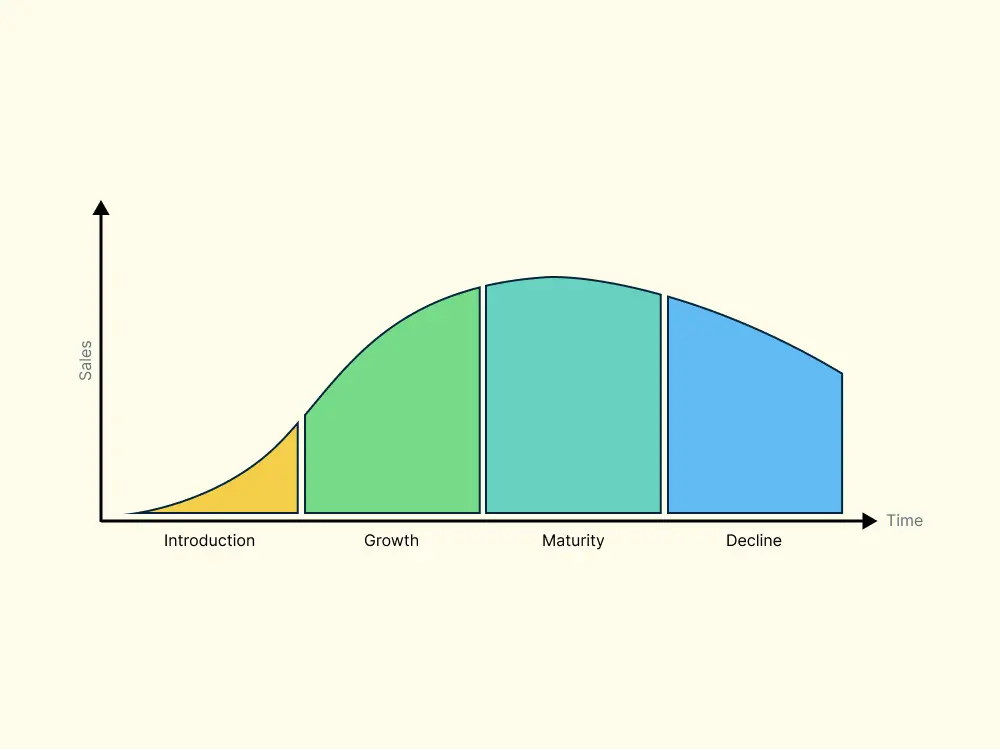
The life cycle typically includes four main stages: introduction, where a product is launched and awareness is built; growth, when the product gains momentum and market share increases; maturity, where the product reaches its peak and growth slows; and finally, decline, when demand decreases, often leading to the product’s withdrawal from the market.
By recognizing these stages, businesses can make smarter decisions—whether it’s boosting marketing efforts during growth, improving the product during maturity, or planning for new innovations as the product enters decline. This understanding is crucial for maximizing a product’s success and ensuring it remains competitive over its lifespan.
4 Stages of the Product Life Cycle
The four stages of the product life cycle represent the journey a product takes from its introduction to its eventual decline. Each stage comes with its own challenges and opportunities. Understanding these stages helps businesses make the right decisions at the right time.
Stage 1: Introduction
The introduction stage is the first phase of the product life cycle, where a new product is launched into the market. At this stage, the focus is primarily on building awareness and attracting the attention of potential customers. Since the product is new, customers may not know much about it, so businesses need to invest heavily in marketing and promotion to generate interest.
Sales during the introduction stage tend to be slow, as people are just starting to learn about the product. It may take time for the product to gain traction, and the company often faces high costs due to marketing efforts and production. This phase can be challenging because the business is still testing the market, gathering feedback, and making any necessary adjustments to the product.
There is usually little to no competition at this point, as the product is fresh and may even be unique. However, the goal is to build a solid foundation for growth by capturing early adopters—customers who are willing to try new things and spread the word.
In this stage, success is measured by how well the product resonates with the target audience and how quickly awareness grows. Businesses need to be patient, as this phase sets the stage for future growth and success.
Tools you can use
- SWOT analysis diagram: A SWOT analysis diagram helps to identify the product’s strengths, weaknesses, opportunities, and threats during the introduction stage. This information is crucial to developing a successful launch strategy, positioning the product correctly, and addressing any initial challenges.


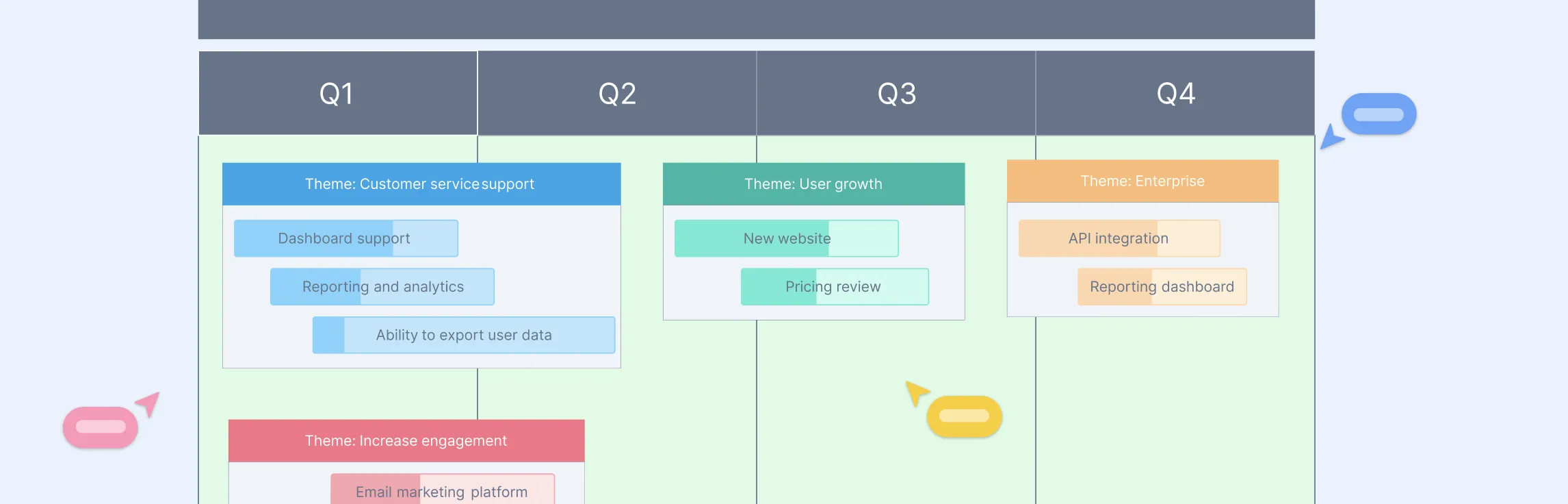
- Gantt chart: A Gantt chart provides a clear timeline for activities like product launch, promotional campaigns, and distribution setup. This helps ensure that all tasks are completed on schedule, reducing the risk of delays during the introduction stage.

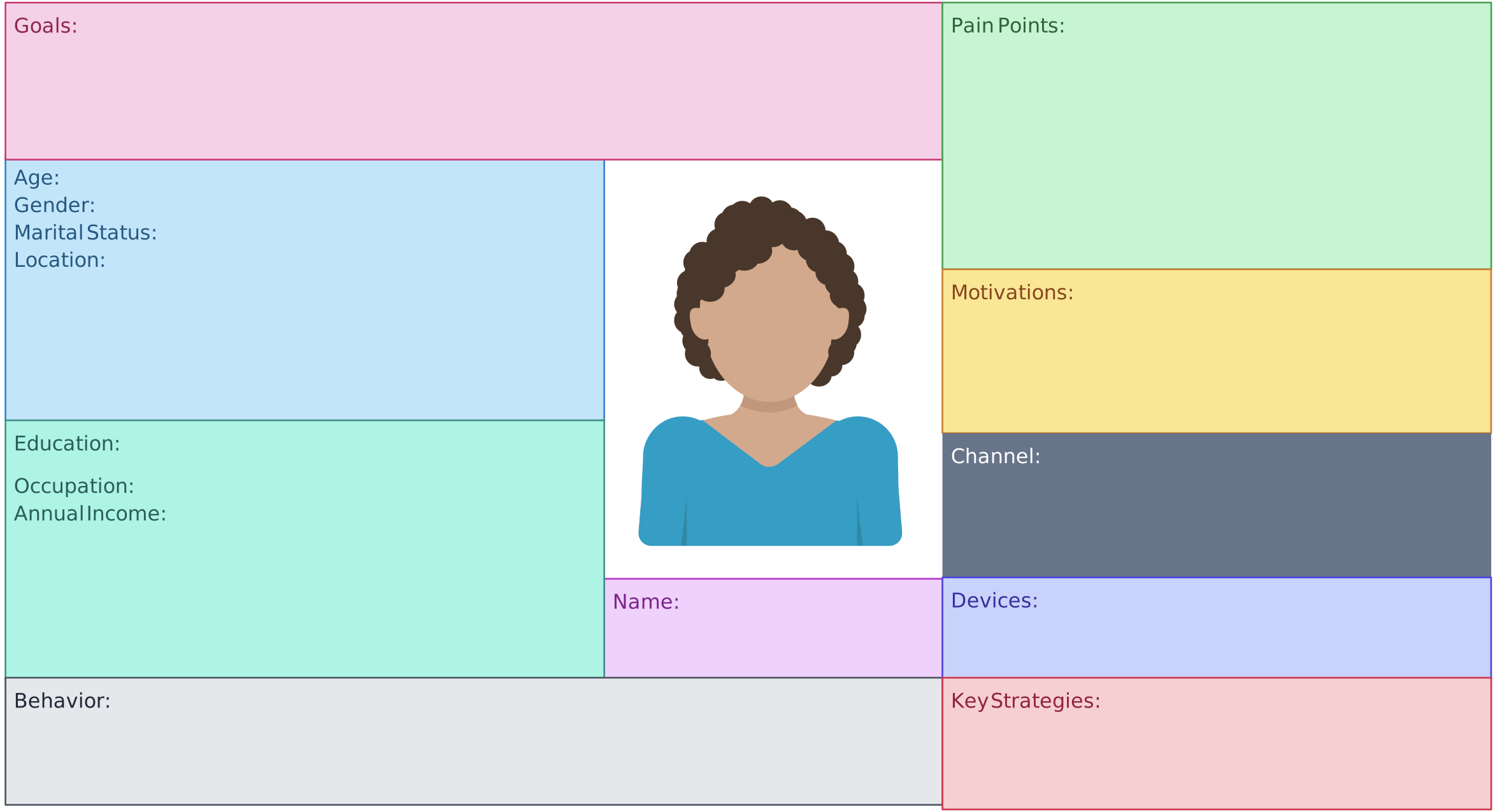
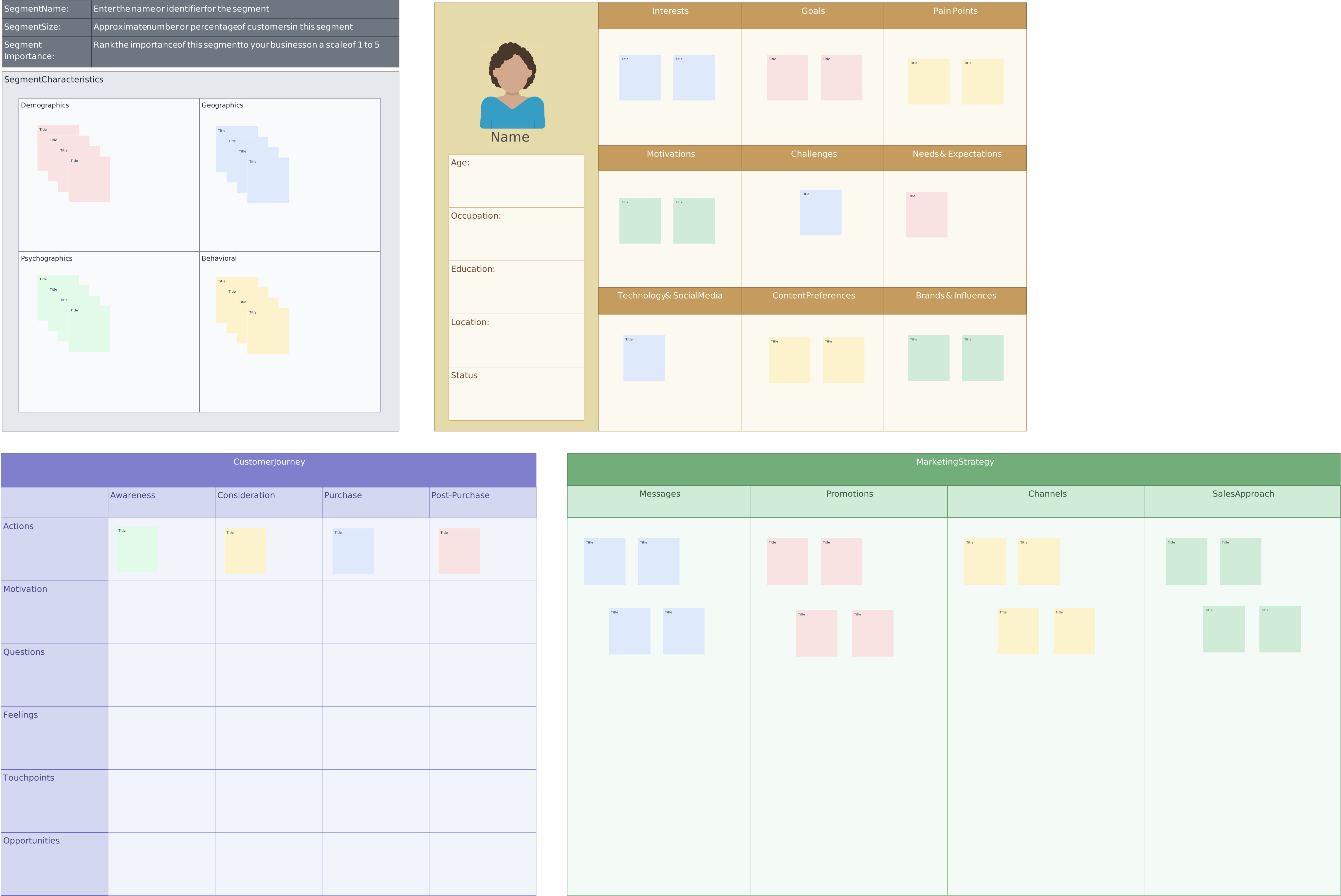
- Target market persona diagram: This diagram helps visualize the target customer profile, including their demographics, interests, and needs. Understanding the target market aids in tailoring marketing messages and creating product features that appeal to early adopters.
Stage 2: Growth
The growth stage is when a product starts to become popular, and sales rise quickly. After the initial launch, more people are aware of the product, and it begins to attract a larger customer base. This stage is important for businesses because it’s when the product gains real momentum in the market.
During this phase, the company works to expand its reach, making the product available to more people. Marketing now focuses on showing why the product is valuable and better than others. Customer reviews and word-of-mouth also help spread awareness and drive more sales.
Competition usually increases at this point, as other businesses may release similar products. To stand out, companies may add new features, improve the product, or adjust prices. The key is to keep growing the product’s customer base and make it more appealing.
Profits start to grow in the growth stage because sales are up, and production becomes more efficient. This is the time for businesses to maximize the product’s success and build a strong market presence.
Tools you can use
- Customer segmentation diagram: During the growth stage, a customer segmentation diagram helps identify new customer segments to expand into. By understanding different market segments, businesses can effectively target new customers and increase the product’s reach.
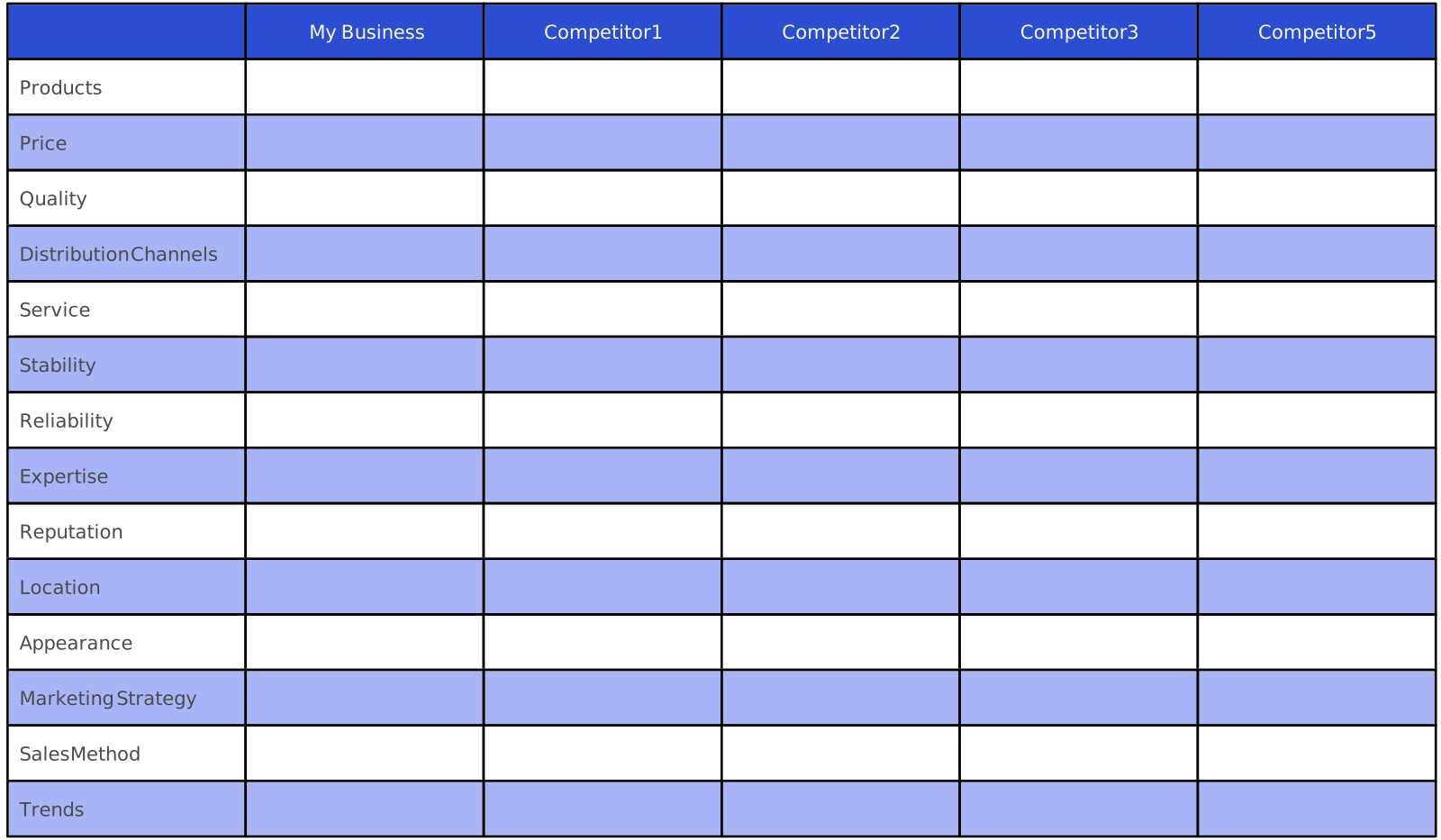
- Competitor analysis diagram: As competitors enter the market, a competitor analysis diagram helps identify the strengths and weaknesses of competing products. This allows the company to develop strategies to differentiate their product, such as adding new features or adjusting pricing.
- Customer journey map: A customer journey map illustrates the various touchpoints customers experience while interacting with the product. Understanding the customer journey allows businesses to optimize each touchpoint, enhancing the user experience and driving customer satisfaction during the growth stage.

Stage 3: Maturity
The maturity stage is when a product reaches its peak in the market. Sales are steady, but they stop growing as quickly as before. At this point, most potential customers already know about the product, and the market is often saturated. The product is well-established, and competition is at its highest, with many similar options available.
During this stage, businesses focus on keeping their current customers and maintaining market share. Since it’s harder to attract new buyers, companies may offer discounts, run promotions, or make minor improvements to the product to keep it appealing. Brand loyalty becomes a key factor, as businesses aim to keep customers coming back instead of switching to competitors.
Profits in the maturity stage can be strong, but growth is slower. Costs are usually lower because production is efficient, and there’s less need for heavy marketing. However, businesses need to be cautious, as competitors might lower prices or introduce better products, making it harder to maintain the product’s position in the market.
The maturity stage is about sustaining success for as long as possible while preparing for the eventual decline that comes next.
Tools you can use
- BCG matrix diagram: The BCG matrix helps categorize the product as a “Cash Cow” or “Question Mark” within the company’s portfolio. During the maturity stage, this diagram can assist in determining whether the product is still generating profits and whether to invest in it or maintain it with minimal investment.

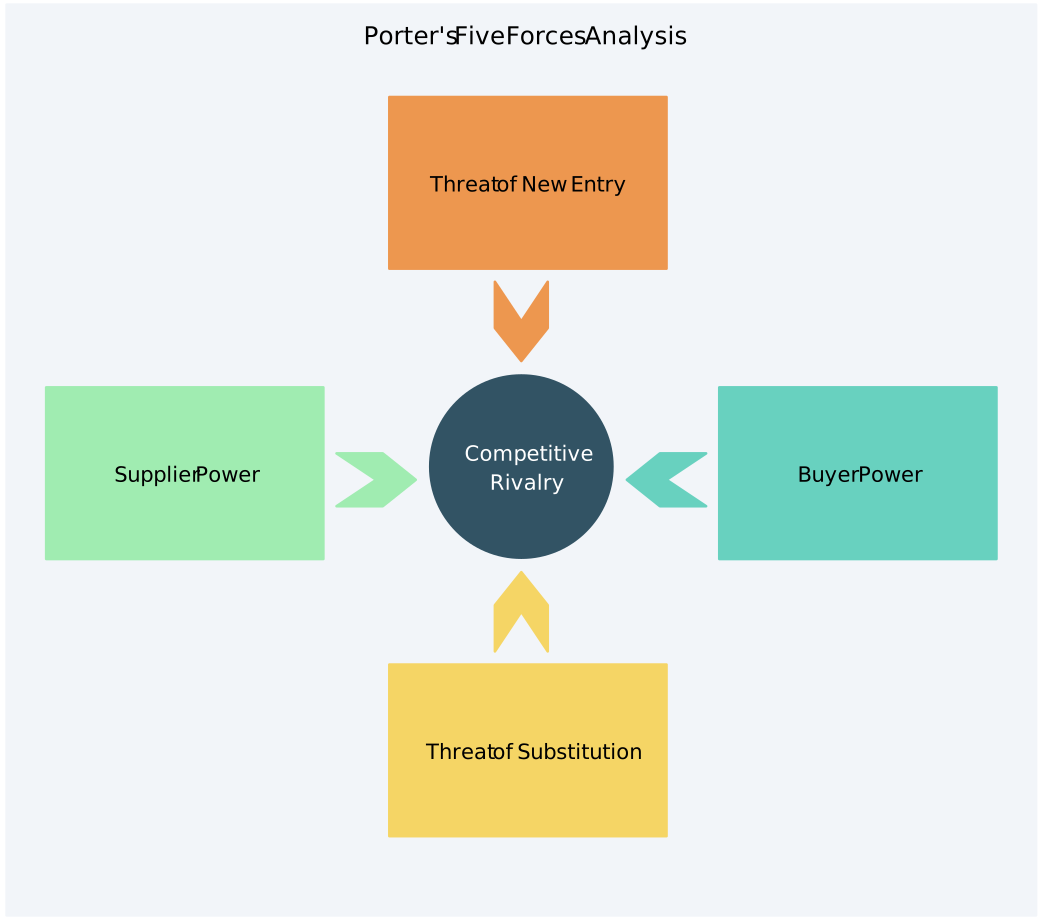
- Porter’s five forces diagram: Porter’s five forces evaluates the competitive forces impacting the product—such as rivalry among existing competitors, the threat of new entrants, and bargaining power of customers. In the maturity stage, understanding these forces helps develop strategies to maintain market share.
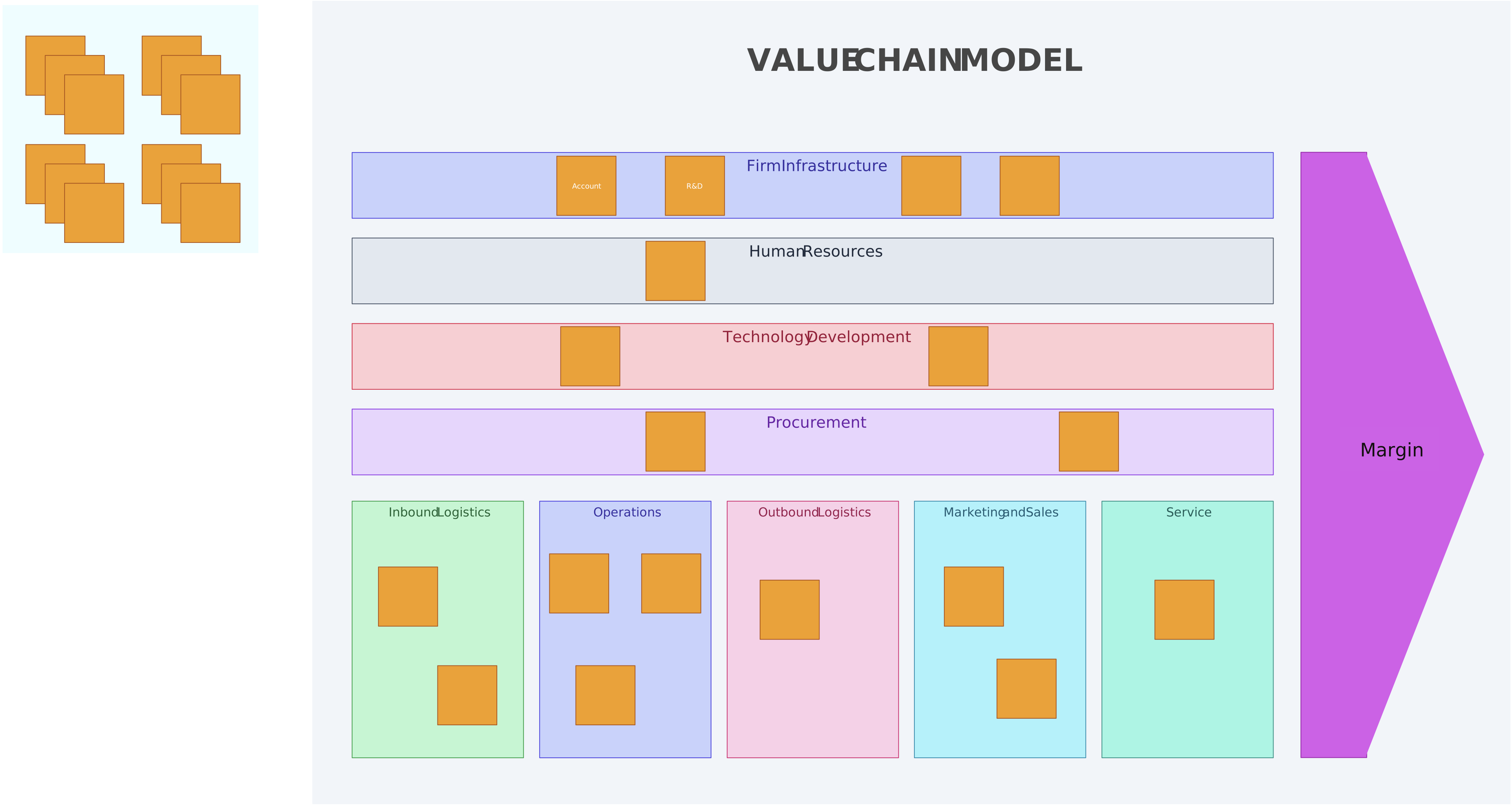
- Value chain analysis diagram: A value chain analysis diagram helps map out all the processes involved in producing and delivering the product. By analyzing each step, businesses can find efficiencies, reduce costs, and improve profit margins during the maturity stage.
Stage 4: Decline
The decline stage is the final phase of the product life cycle, where demand for the product starts to decrease. This happens for various reasons—newer, better products may enter the market, customer preferences may shift, or the product may simply become outdated. As a result, sales drop, and the product’s profitability declines.
During this stage, businesses must decide how to handle the product. Some may choose to discontinue it altogether, while others may try to extend its life by targeting a niche market, reducing costs, or offering discounts to clear out inventory. Marketing efforts are often scaled back, and the focus shifts to managing the product’s exit from the market in a cost-effective way.
The decline stage is a natural part of the product life cycle. It signals the end of the product’s peak, but it also presents opportunities for companies to innovate and introduce new products to replace the declining one. The key is to recognize when the decline is happening and plan accordingly to minimize losses and shift focus to the next growth opportunity.
Tools you can use
- Cost-benefit analysis diagram: A cost-benefit analysis diagram evaluates the potential benefits and costs of continuing, phasing out, or reinventing the product. This helps in making informed decisions about whether it’s worth investing in the product to extend its life or whether it’s time to discontinue it.

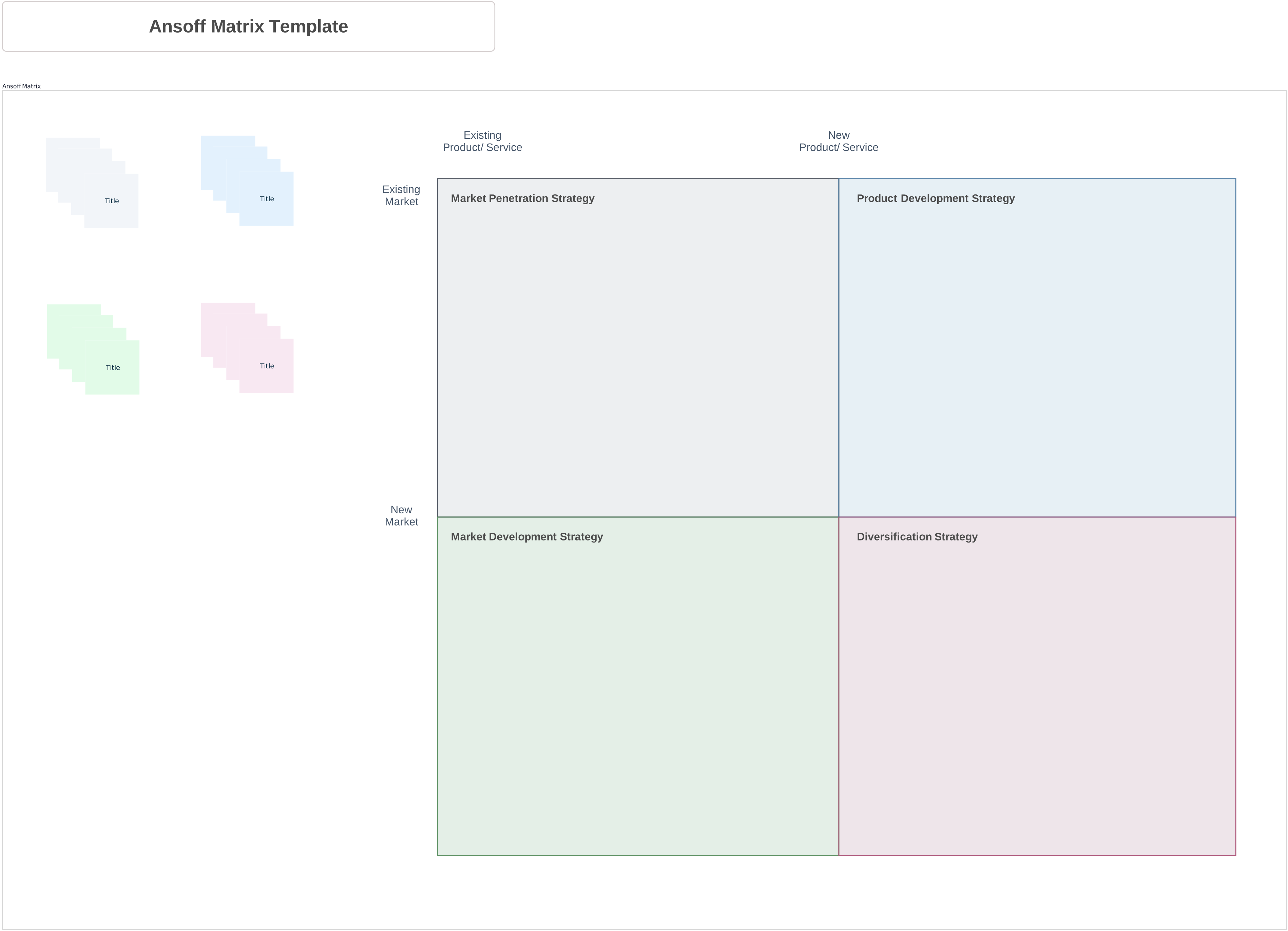
- Ansoff matrix diagram: The Ansoff matrix can be used to explore potential growth strategies, such as market penetration, product development, market development, or diversification. This helps assess whether the product can be revitalized or if it’s better to focus on developing a new product.
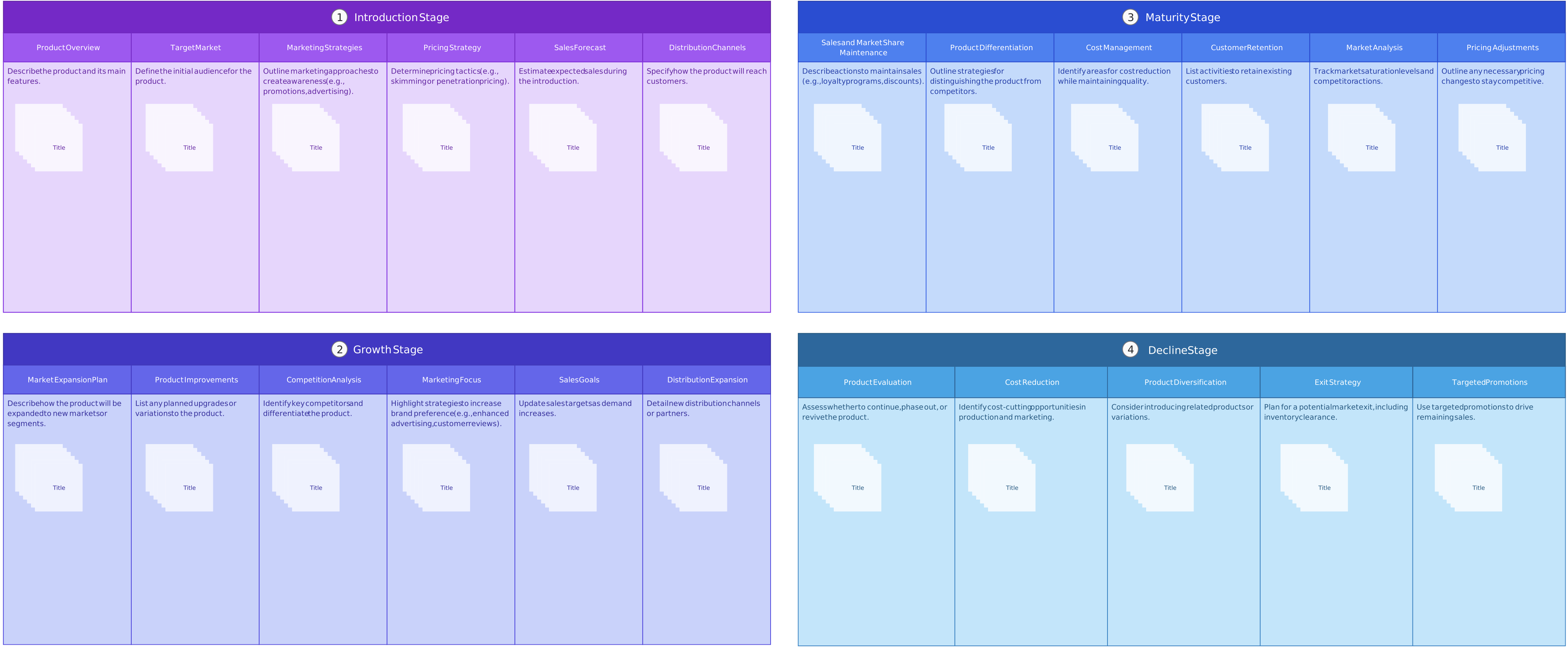
Product Life Cycle Template
The product lifecycle template helps businesses plan and manage their products through different stages, from introduction to decline. This template can be used to guide your product strategy at each stage, helping you adjust to changing market conditions and extend the product’s lifespan.
Factors Influencing Product Life cycle
Understanding the factors that influence the product life cycle is crucial for maximizing a product’s success. These factors can be divided into internal elements and external elements. By recognizing and analyzing these factors, businesses can navigate the challenges and opportunities of the product life cycle, making informed decisions that improve their market position and drive sustained success.
Internal factors
- Product concept: This refers to the original idea behind the product and how well it meets the needs of the target audience. A strong product concept is based on thorough market research and understanding customer pain points. If the concept resonates with customers, it can lead to a successful introduction and growth phase.
- Positioning: Product positioning involves how the product is perceived in the marketplace compared to its competitors. It encompasses branding, messaging, and the unique value proposition that sets the product apart. Effective positioning can create a strong brand image and build customer loyalty, making it crucial for sustaining the product during the maturity stage.
- Marketing efforts: This includes the strategies and tactics used to promote the product, such as advertising, social media campaigns, public relations, and sales promotions. Well-executed marketing can generate buzz, attract early adopters, and increase visibility. Continuous marketing efforts are essential to maintain interest during the growth and maturity stages.
- Quality and features: The quality of the product and its specific features play a significant role in customer satisfaction and retention. High-quality products that meet or exceed customer expectations are more likely to succeed. Additionally, innovative features can attract attention and differentiate the product in a crowded market.
External factors
- Market demand: Changes in consumer preferences and trends can greatly impact a product’s success. If a product aligns with current market needs, it can experience rapid growth. Conversely, shifts in demand or the emergence of new trends can lead to a decline in sales, making it essential for businesses to stay attuned to market dynamics.
- Competition: The actions of competitors can influence a product’s life cycle significantly. New entrants to the market can create additional choices for consumers, leading to price competition and market share challenges. Businesses must continuously analyze competitor strategies and adapt their own offerings to maintain a competitive edge.
- Technological advances: Innovations and advancements in technology can enhance existing products or lead to the creation of new alternatives. For example, a new technology may make a current product obsolete or less desirable. Companies need to be proactive in embracing technological changes to keep their products relevant and appealing to customers.
- Economic conditions: Broader economic factors, such as recessions, inflation, or economic growth, can influence consumer spending habits. During economic downturns, customers may prioritize essential purchases over luxury items, impacting sales. Businesses must adapt their strategies based on the economic climate to sustain product performance.
- Regulatory changes: Changes in laws and regulations can directly affect a product’s life cycle. New safety standards, environmental regulations, or industry-specific rules may require modifications to the product or even lead to its withdrawal from the market. Staying compliant and adaptable to regulatory shifts is crucial for ongoing product viability.
Advantages and Disadvantages of the Product Life cycle
The advantages and disadvantages of the product life cycle provide valuable insights for businesses looking to navigate their products’ success. By understanding these benefits and limitations, companies can make informed decisions to optimize their strategies and enhance long-term performance.
Advantages
- Guides strategic planning: Understanding the product life cycle helps businesses plan effectively. It allows them to anticipate changes and make informed decisions about marketing, pricing, and product development at each stage.
- Identifies opportunities: By recognizing which stage a product is in, companies can identify opportunities for growth, such as launching new features during the growth stage or finding niche markets during the decline stage.
- Improves resource allocation: Knowing the product life cycle helps businesses allocate resources efficiently. For instance, they might invest more in marketing during the introduction stage and focus on maintaining customer loyalty during maturity.
- Enhances competitive strategy: Understanding where a product stands can help companies develop strategies to compete effectively. They can adjust their tactics based on the competitive landscape at each stage.
- Encourages innovation: The life cycle encourages companies to innovate and improve their products. By monitoring customer feedback and market trends, businesses can introduce new versions or features to extend a product’s life.
Drawbacks
- Predictability limitations: The product life cycle model is not always accurate. Some products may skip stages or experience unexpected changes, making it difficult to predict their success or decline.
- Market variability: External factors like economic shifts or changing consumer preferences can greatly influence a product’s life cycle, sometimes in ways that businesses cannot control or foresee.
- Resource intensive: Managing a product throughout its life cycle can be resource-intensive. Companies may need to invest significant time and money into marketing, research, and development to keep their products relevant.
- Risk of complacency: Companies may become complacent during the maturity stage, believing that the product will continue to succeed without ongoing effort. This can lead to a decline if they fail to innovate or respond to market changes.
- Focus on short-term gains: Businesses may focus too much on immediate profits during growth and maturity stages, neglecting long-term strategies that could sustain the product in the future.
What Is Product Life Cycle Management?
Product Life Cycle Management (PLCM) is the process of overseeing a product from its initial idea to its eventual decline and removal from the market. It involves planning, developing, and managing every stage of the product life cycle, including introduction, growth, maturity, and decline.
The goal of PLCM is to maximize a product’s profitability and ensure it meets customer needs throughout its life. This includes conducting market research, managing resources, making improvements based on feedback, and developing marketing strategies. By effectively managing the product life cycle, businesses can respond to changes in the market, innovate when necessary, and make informed decisions to extend the product’s life and success.
Key aspects of product life cycle management
- Product development: This is where the product idea begins. Companies conduct research to understand market needs and create prototypes to test. The aim is to ensure the product is useful and can compete in the market.
- Market introduction: When the product is launched, PLCM helps plan marketing strategies, set prices, and manage how the product is distributed. This stage focuses on building awareness and encouraging customers to try the product.
- Growth management: As sales increase, PLCM helps companies scale up production and improve marketing efforts to attract more customers. Managing growth effectively ensures that the product can meet rising demand and stay competitive.
- Maturity management: When sales start to level off, PLCM focuses on keeping customers engaged. Companies may improve the product, adjust prices, or explore new markets to maintain sales and profits during this stage.
- Decline and exit strategy: Eventually, most products will see a decline in sales. PLCM guides businesses on whether to phase out the product, make changes to revitalize it, or discontinue it altogether.
Importance of the Product Life Cycle
The product life cycle is important for several reasons, as it helps businesses understand and manage their products effectively from start to finish.
- Guides business decisions: Understanding the product life cycle helps companies make informed decisions about marketing, pricing, and product development at each stage. This ensures that resources are used wisely and strategies are well-planned.
- Helps maximize profits: By knowing which stage a product is in, businesses can focus on maximizing profits. For example, they can invest more in marketing during the introduction stage to build awareness or adjust prices during maturity to maintain sales.
- Improves resource management: The product life cycle helps companies allocate resources effectively. They can decide when to invest heavily in marketing or development and when to cut back, ensuring that they’re not wasting money on products that are in decline.
- Encourages innovation: Monitoring the product life cycle allows businesses to identify when a product needs updates or improvements. This focus on innovation can help extend the product’s life and keep it relevant in the market.
- Enhances competitive advantage: By understanding the product life cycle, companies can develop strategies to stay ahead of competitors. They can anticipate changes in the market and adapt their products or marketing tactics accordingly.
- Facilitates risk management: Knowing where a product stands in its life cycle helps companies manage risks better. They can identify potential declines and take action to rejuvenate the product or prepare for its phase-out.
- Improves customer relationships: Understanding the needs and preferences of customers at different stages of the product life cycle allows businesses to engage effectively with their audience. This can lead to stronger customer loyalty and repeat purchases.
When to Use the Product Life Cycle
Knowing when to use the product life cycle is important for businesses to make smart decisions about their products. Here are some key situations where the product life cycle can be particularly helpful:
- Launching a new product: When introducing a new product, understanding the product life cycle helps businesses plan their marketing and sales strategies. They can focus on building awareness and attracting early adopters during the introduction stage.
- Managing growth: As a product gains popularity, businesses can use the product life cycle to identify opportunities for expansion. They can enhance marketing efforts, improve distribution, and add features to maximize growth during this stage.
- Evaluating performance: Companies can regularly assess where their products stand in the life cycle. This helps them determine if a product is performing well, needs updates, or if it’s time to consider phasing it out.
- Making improvements: If a product is in the maturity stage, businesses can use the product life cycle to decide what improvements are necessary. This could involve adding new features, refreshing the branding, or exploring new markets to keep the product relevant.
- Planning for decline: When sales start to decline, understanding the product life cycle helps companies plan their next steps. They can decide whether to revitalize the product, phase it out, or replace it with a new offering.
- Resource allocation: The product life cycle can guide businesses in allocating resources effectively. Knowing which stage a product is in allows companies to invest more in marketing or development when needed and cut back when appropriate.
- Responding to market changes: By keeping an eye on the product life cycle, businesses can quickly respond to shifts in consumer preferences or market trends. This adaptability is crucial for staying competitive and meeting customer needs.
Product Life Cycle Marketing Strategies
Implementing effective marketing strategies at each stage of the product life cycle is crucial for maximizing a product’s potential. These strategies help businesses adapt to changing market conditions, meet customer needs, and maintain profitability. By understanding the specific challenges and opportunities at each stage, companies can make informed decisions that enhance their overall success.
Being proactive in managing the product life cycle allows businesses to stay competitive, innovate continuously, and ultimately drive long-term success in the market.
Introduction stage
During the introduction stage, the focus is on launching the product and creating awareness.
- Build awareness: This is crucial for a successful launch. Use a mix of advertising channels—television, online ads, social media, and public relations—to reach your target audience. Create engaging content that explains the product’s unique features and benefits, ensuring it resonates with potential customers.
- Promotional strategies: Introduce the product with special offers, such as introductory pricing, discounts, or free samples. These incentives can encourage trial among hesitant consumers. Consider limited-time offers to create urgency and motivate quick purchases.
- Target early adopters: Identify customer segments that are more inclined to try new products, such as tech enthusiasts or trendsetters. Engage them through targeted marketing campaigns, inviting them to share their experiences on social media. Their positive feedback can significantly influence wider adoption.
- Gather feedback: Encourage early adopters to provide feedback on the product. This information is invaluable for making necessary adjustments and improvements before broader market release.
Growth stage
In the growth stage, the product gains popularity, and sales begin to increase rapidly.
- Expand marketing efforts: As sales pick up, amplify your marketing strategies. Invest in more robust advertising campaigns that highlight success stories and customer satisfaction. Use data analytics to target potential customers more effectively, tailoring messages to their preferences.
- Enhance distribution: Strengthening your distribution channels is key. Consider partnerships with more retailers, or expand your online presence through e-commerce platforms. Analyze which channels are most effective in reaching your audience and optimize accordingly.
- Focus on customer retention: Develop loyalty programs that reward repeat purchases. Use personalized marketing tactics, like sending targeted emails or exclusive offers, to keep customers engaged. Regularly check in with customers to solicit feedback and show appreciation for their loyalty.
- Monitor competition: Keep an eye on competitors entering the market. Understand their strategies and adjust your own to maintain a competitive edge. This might include refining your messaging or offering promotions to retain market share.
Maturity stage
During the maturity stage, sales growth slows, and competition increases.
- Differentiate the product: To stand out in a crowded market, innovate. This could involve introducing new features, variations, or packaging designs. Highlight what sets your product apart, whether it’s quality, price, or service, to attract attention from potential customers.
- Adjust pricing strategies: Review your pricing model to remain competitive. If necessary, consider promotional pricing strategies like discounts or bundling products. This can attract price-sensitive customers while maintaining profitability.
- Reinforce brand loyalty: Engage customers with consistent communication. Regular updates through newsletters, social media, or targeted ads can keep your brand top-of-mind. Foster a community around your product, encouraging users to share their experiences and connect with others.
- Enhance customer service: Invest in improving customer support. Provide resources like FAQs, chat support, and user guides to help customers get the most out of your product. Excellent customer service can enhance loyalty and lead to positive word-of-mouth.
Decline stage
In the decline stage, sales begin to decrease, and businesses must make tough decisions.
- Evaluate the product: Conduct a thorough analysis of the product’s performance. Determine if there are opportunities for revitalization, such as redesigning or relaunching the product with updated features. If the product no longer aligns with market needs, it may be time to phase it out.
- Cut marketing costs: As sales decline, reassess your marketing budget. Focus on maintaining your existing customer base rather than pursuing new customers. Consider less expensive marketing strategies, like email marketing or social media engagement, to maintain communication with loyal customers.
- Plan for the product’s exit: If discontinuing the product, create a strategy that minimizes customer dissatisfaction. Communicate transparently with customers about the decision, providing information on alternatives or similar products. This can help retain customer trust even if they can no longer purchase the product.
- Repurpose resources: Reallocate resources from the declining product to more profitable offerings. Invest in new product development or marketing strategies for products in the growth stage to capitalize on their potential.
Examples of the Product Life Cycle
These examples show how products move through different stages of the life cycle. Understanding these stages helps businesses adapt their marketing strategies to maximize their products’ potential and maintain competitiveness in the market. By learning from these real-world examples, companies can better navigate their own product life cycles and make informed decisions for future growth.
Electric Vehicles (EVs)
Introduction stage
The introduction stage for electric vehicles began with the launch of models like the Toyota Prius, which aimed to educate consumers about the benefits of EVs, such as reduced emissions and fuel savings. During this time, manufacturers faced high marketing costs to raise awareness, as the concept of electric vehicles was still unfamiliar to many. The initial prices were also relatively high, limiting widespread adoption and availability.
Growth stage
As EV technology progressed and consumers began to recognize the importance of sustainability, the growth stage kicked in. This phase saw increased consumer acceptance, prompting more manufacturers, including Tesla and Nissan, to enter the market with diverse models. The expansion of charging infrastructure further fueled growth, making it easier for consumers to adopt electric vehicles.
Maturity stage
As the market matured, the focus shifted to differentiation, with established brands vying for consumer attention. Manufacturers began to emphasize unique features such as battery range and autonomous driving capabilities in their marketing campaigns. During this maturity stage, the market became competitive, leading to price competition and a stabilization of sales growth.
Decline stage
If consumer interest shifts towards newer technologies, such as hydrogen fuel cells, the decline stage may set in. In this scenario, companies would need to evaluate their offerings, possibly phasing out older models while investing in innovative solutions to remain relevant in an evolving market.
Smartphones
Introduction stage
The smartphone market’s introduction stage was marked by the launch of groundbreaking devices like the iPhone, which revolutionized communication and technology. Manufacturers invested heavily in marketing to showcase the capabilities of smartphones, including touchscreens and app functionality. Despite the excitement, initial sales were limited by high prices and a learning curve for consumers unfamiliar with the technology.
Growth stage
As smartphones gained popularity, the growth stage saw rapid sales increases, driven by widespread consumer adoption. Companies like Apple and Samsung expanded their marketing efforts and introduced a variety of models with advanced features, leading to a surge in competition.
Maturity stage
During the maturity stage, the smartphone market reached saturation, with most consumers owning a device. Sales growth began to stabilize, and companies focused on incremental upgrades, such as improved cameras and longer battery life. Aggressive marketing campaigns aimed to maintain brand loyalty, with companies vying for consumers’ attention in a crowded market.
Decline stage
However, as newer technologies, such as foldable phones or augmented reality devices, emerged, the market faced potential decline. In this stage, companies may need to reevaluate their strategies, shifting resources to innovative products or services to stay competitive in a rapidly evolving landscape.
Soft Drinks
Introduction stage
The soft drink market’s introduction stage traces back to the late 19th century with iconic brands like Coca-Cola. These companies initially focused on building brand awareness through innovative marketing strategies, establishing their presence in a relatively new market.
Growth stage
As soft drinks gained popularity, the growth stage saw rapid sales increases, driven by the expansion of distribution channels and aggressive marketing efforts. Brands began to introduce various flavors and diet options to attract different consumer segments, further fueling the growth of the category.
Maturity stage
As the market matured, it became saturated, with numerous brands vying for consumer attention. In this maturity stage, companies invested heavily in maintaining brand loyalty through advertising campaigns that highlighted unique selling points and reinforced their brand image. While sales stabilized, competition intensified, leading to promotional strategies aimed at retaining customers.
Decline stage
However, as health consciousness among consumers increased, the industry faced a decline stage. This shift in preference towards healthier beverages, such as water and natural juices, prompted some brands to phase out less popular products while others diversified their offerings to include more health-oriented options, seeking to remain relevant in the changing market landscape.
DVDs
Introduction stage
The introduction stage of DVDs emerged in the late 1990s, marking a significant shift in home video consumption. With superior picture and sound quality compared to VHS, DVDs garnered initial excitement among consumers. However, manufacturers faced challenges in raising awareness and encouraging the transition from VHS to DVDs, leading to high marketing costs.
Growth stage
As more titles became available, the growth stage saw a rapid adoption of DVDs, driven by decreasing prices and increased availability. Rental services like Blockbuster capitalized on this trend, expanding their inventories to include DVDs and catering to the growing consumer demand.
Maturity stage
During the maturity stage, the DVD market reached saturation, with most consumers having made the switch from VHS. The competition among studios intensified as they sought exclusive releases and special editions to attract buyers.
Decline stage
However, this peak in sales eventually gave way to a decline stage, primarily due to the rise of streaming services like Netflix and Hulu. As consumer preferences shifted towards on-demand digital content, DVD sales plummeted. Retailers reduced their DVD inventories, and manufacturers began phasing out DVD players in favor of devices supporting streaming technology, reflecting the changing landscape of media consumption.
International Product Life Cycle
The International Product Life Cycle (IPLC) is a theory that explains how a product evolves over time in an international market, highlighting how production and distribution processes shift globally. It extends the traditional product life cycle theory into the context of international trade, showing how products first develop in one country and then expand across borders. The IPLC typically follows five stages: introduction, growth, maturity, saturation, and decline.
- The theory suggests that a product initially serves the domestic market before expanding internationally, following a predictable pattern.
- Production often moves to developing nations as products mature, allowing companies to reduce costs and maintain profitability.
- Innovation usually comes from developed countries, while mass production and consumption spread to developing markets later in the cycle.
Stages of the International Product Life Cycle
1. Introduction stage
In this phase, a product is first developed and introduced in a home country, usually a developed nation with advanced technology and innovation capabilities. The focus is on satisfying the domestic market’s needs. High production costs and limited demand make the product expensive and rare globally. During this stage, exports are limited, and companies focus on domestic production.
2. Growth stage
As the product gains popularity in the home country, it is exported to other developed countries where consumers have similar needs. Demand begins to increase internationally. Production may still occur in the home country, but companies might start considering overseas production to meet growing global demand. At this point, competition from local firms in other developed countries begins to emerge.
3. Maturity stage
In the maturity phase, the product is well-established in both the home and international markets. Production may shift to other developed or developing countries where labor and production costs are lower. Export volumes increase, and the product is now widely available in multiple markets. The competition becomes intense as more companies from different countries enter the market.
4. Saturation stage
During saturation, the product reaches peak sales. The home country may see a decline in demand, while developing countries continue to see growth. Production is primarily outsourced to developing nations with lower labor costs. Companies focus on cost-cutting, mass production, and expansion into remaining untapped international markets.
5. Decline stage
In the decline phase, demand for the product drops as newer or more innovative products enter the market. Production shifts almost entirely to developing countries where the costs are low, and the product is still in demand. Eventually, the product is phased out of the market as sales continue to decrease globally.
Wrapping up
In conclusion, knowing the product life cycle is important for businesses to succeed in both local and global markets. By understanding the stages—introduction, growth, maturity, and decline—companies can adjust their strategies to meet changing customer needs and stay competitive. The International Product Life Cycle also shows how products move from one country to another as they grow. This helps businesses plan for production and marketing in different regions. Overall, using the product life cycle wisely can help companies get the most out of their products and keep up with changes in the market.
References
Levitt, T. (1965). Exploit the product life cycle. [online] Harvard Business Review.
Udokporo, C.K. (2021). Understanding the Stages of the Product Life Cycle. [online] ResearchGate.
Ayal, I. (1981). International Product Life Cycle: A Reassessment and Product Policy Implications. Journal of Marketing, 45(4), p.91. doi:https://doi.org/10.2307/1251476.