An enterprise architect may be planning how several systems should work together while a software architect is deciding how one of those systems should be built. Both decisions affect the same outcome. If the two views stay separate, a well-designed application can still create duplicate data, conflict with a shared standard, or depend on an integration no one planned.
This guide compares the roles, shows what each produces, and follows one project from an enterprise-wide need to a software design. Job titles and reporting lines vary by organization, so use the distinction as a guide to decision scope, not a rigid division of authority.
What Does an Enterprise Architect Do?
An enterprise architect (EA) connects business goals to the capabilities, information, applications, and technology needed to achieve them. The work often spans multiple teams and systems. For example, an EA might map where customer data is duplicated, assess the effect of replacing a platform, or sequence changes across a group of applications.
Typical responsibilities include:
- Mapping the current environment and the relationships among capabilities, data, systems, and platforms.
- Describing a target state and the principles or constraints that should guide change.
- Identifying cross-system dependencies, risks, and opportunities to reuse existing capabilities.
- Working with business leaders, technology leaders, security teams, and delivery teams to prioritize a transition roadmap.
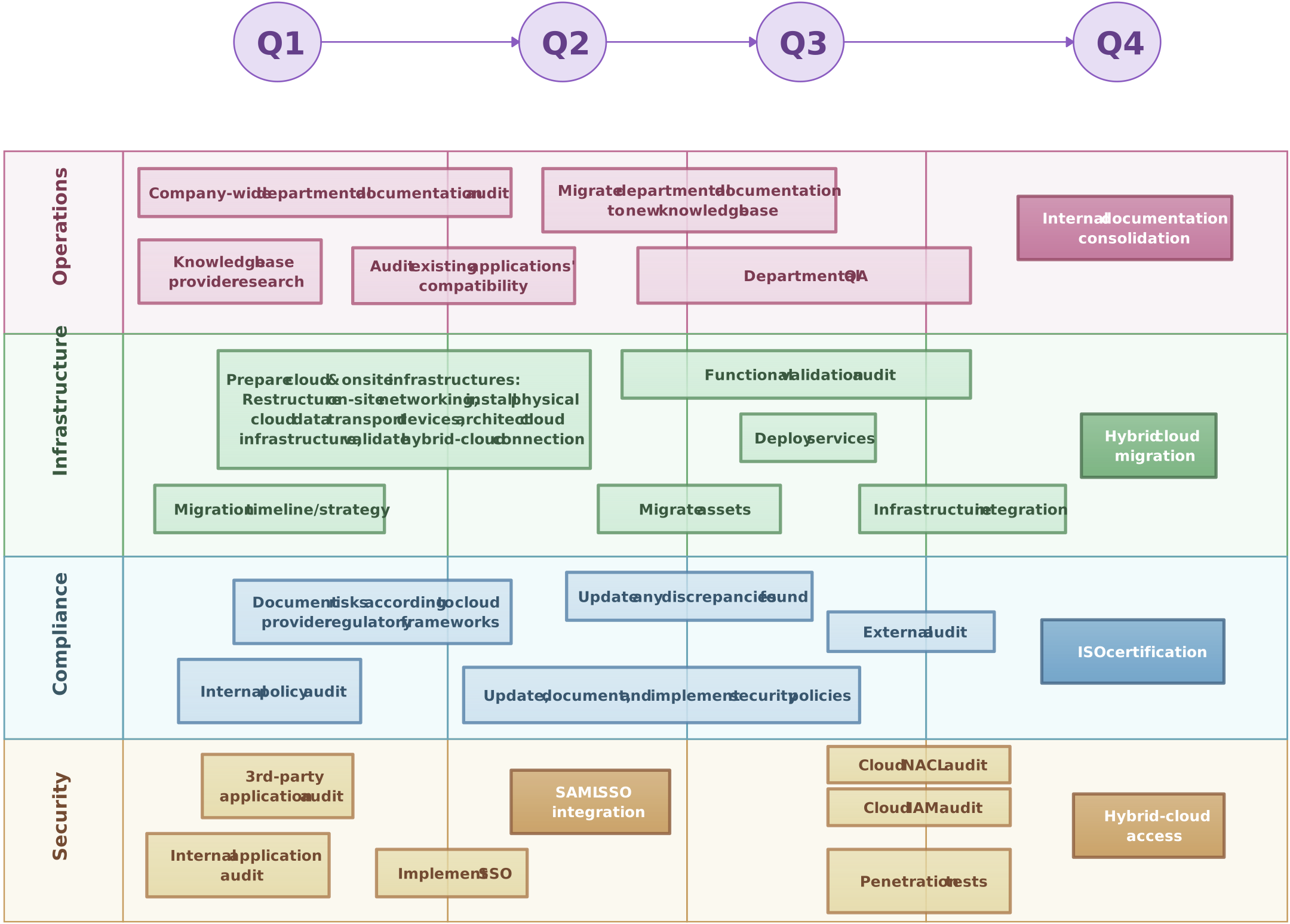
The deliverable may be a business capability map, an application landscape, an integration map, or a technology roadmap. The useful view is the one that helps a stakeholder make a decision. For a broader explanation of the discipline, see What Is Enterprise Architecture?.
What Does a Software Architect Do?
A software architect defines the structure and significant technical choices for a particular application, service, or product. They work with developers and other specialists to make sure the system can meet its functional and quality requirements, such as reliability, security, maintainability, and performance.
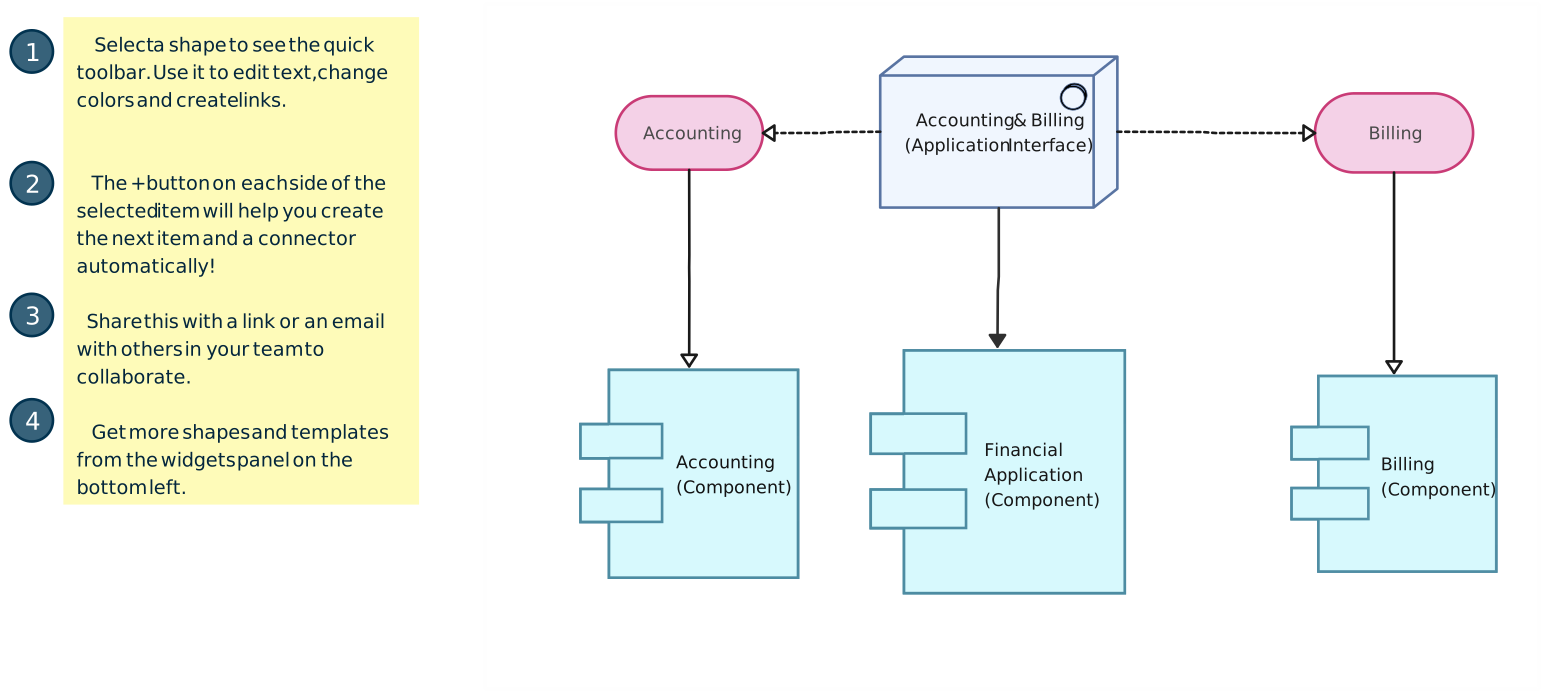
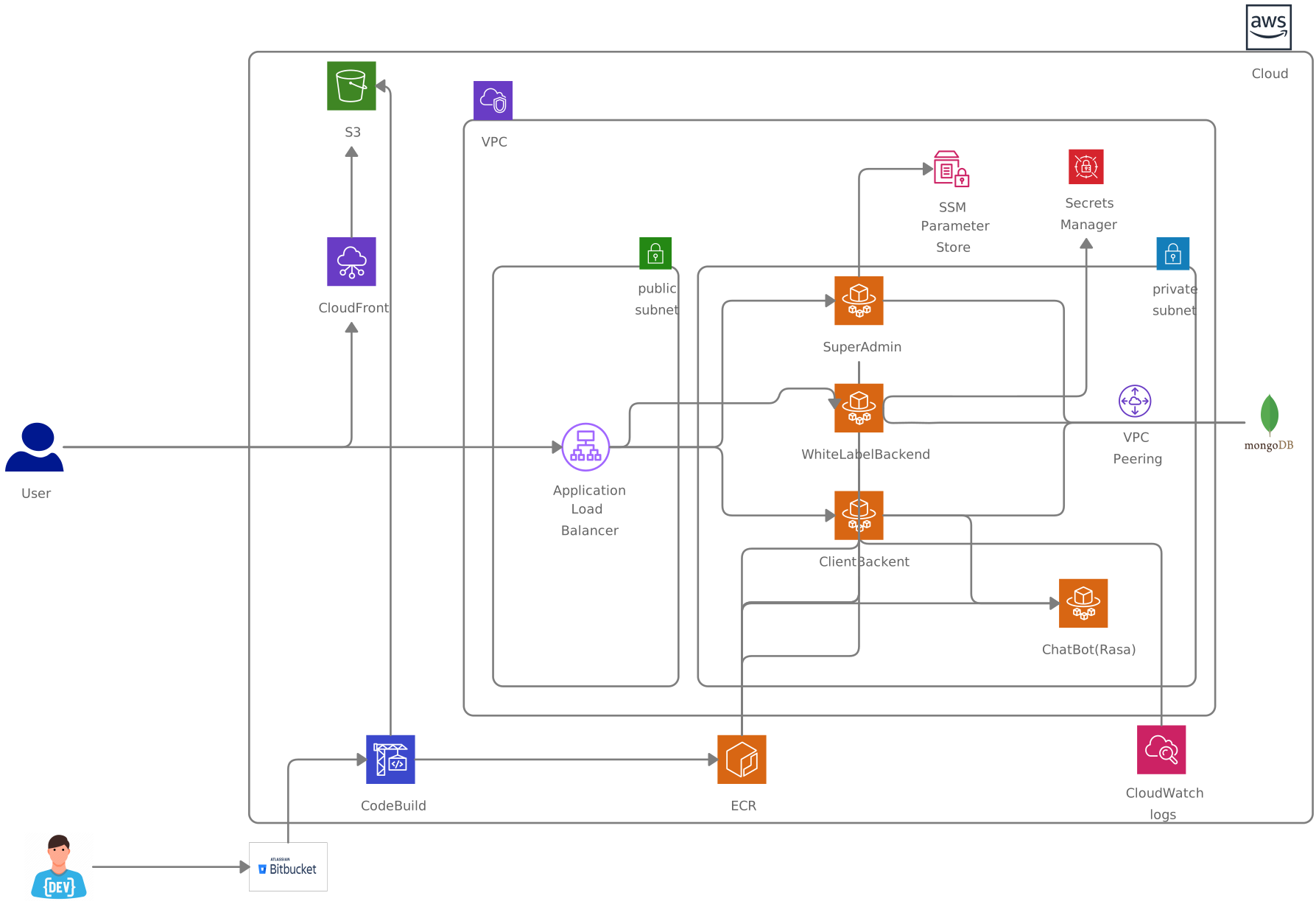
Their work can include choosing component boundaries, defining interfaces, assessing data storage and integration options, reviewing tradeoffs, and guiding implementation as requirements change. A software architect may produce component or block diagrams, sequence diagrams, deployment views, interface contracts, and architecture decision records. These artifacts show how the system works and why important design choices were made.
Enterprise Architect vs Software Architect: Key Differences
| Aspect | Enterprise architect | Software architect |
|---|---|---|
| Primary scope | Capabilities, data, applications, and technology across an organization or a major domain | One software system, product, or connected set of services |
| Main question | How should the wider environment change to support business goals? | How should this system be structured to meet its requirements? |
| Typical stakeholders | Business and IT leaders, domain owners, security and governance teams | Product managers, engineers, operations, security, and users of the system |
| Common decisions | Target-state direction, cross-system standards, dependencies, transition priorities | Components, interfaces, data handling, quality tradeoffs, deployment approach |
| Skills emphasized | Cross-domain modeling, strategic planning, stakeholder alignment, and governance | System design, technical tradeoff analysis, interface design, and working closely with engineers |
| Typical deliverables | Capability and application maps, current- and target-state views, architecture roadmap | System context, component and deployment diagrams, interface designs, decision records |
| Time horizon | Often extends across multiple initiatives and delivery cycles | Follows a system’s design, delivery, and evolution |
These are common patterns, not exclusive responsibilities. An EA can contribute to a system decision when it affects shared data or platforms. A software architect can identify a wider constraint that changes the enterprise plan. In a smaller team, one person may handle both sets of work.
How the Roles Work Together: Customer Support Example
Imagine a company replacing its customer support portal. Customers currently submit requests through several channels, while support staff copy details into separate tools. The business wants one view of each request and a consistent handoff between support and product teams.
The enterprise architect maps the customer support capability, the tools that hold customer and ticket data, and the integrations that connect them. They identify which system should own the ticket record, where data needs to be shared, and whether the proposed portal fits the organization’s identity, security, and platform direction. A target-state map and roadmap show which dependencies must be addressed before migration.
The software architect designs the portal itself. They define its components, how it will receive requests, how it reads or updates the agreed ticket record, and what happens if a downstream service is unavailable. A system diagram and interface decisions make the implementation reviewable by the delivery team.
The two architects review the boundary together. If the portal design requires a new customer-data copy, they must decide whether that fits the broader data model. If the enterprise plan assumes an integration the portal cannot support, they revise the plan or the design before delivery. This example is illustrative; organizations may assign the decisions to different roles.
A Practical Collaboration Workflow
- Agree on the outcome and boundary. Record the business problem, the systems involved, the owner of each decision, and what is outside the first release.
- Share the current state. Put the relevant capability, data, application, and system views in one place. Check them with the people who operate the systems.
- Compare target-state options. The EA examines cross-system effects and sequencing. The software architect tests whether each option can meet the application’s requirements.
- Record decisions and tradeoffs. Note why a boundary, integration, or platform choice was made and which assumptions need validation.
- Review during delivery. When implementation changes an interface or dependency, update both the system diagram and the wider architecture view. Revisit the roadmap if the change affects other teams.
Creately’s shared visual workspace can keep these diagrams together while the architects and stakeholders review them. A diagram should make the decision and its dependencies clear; it does not need to model every part of the organization.
Templates for Architecture Planning
Use the enterprise architecture view to discuss cross-system direction, the software architecture diagram to examine a system design, and the roadmap to show the order of change. These existing templates provide starting points; adapt their labels and boundaries to the decision at hand.