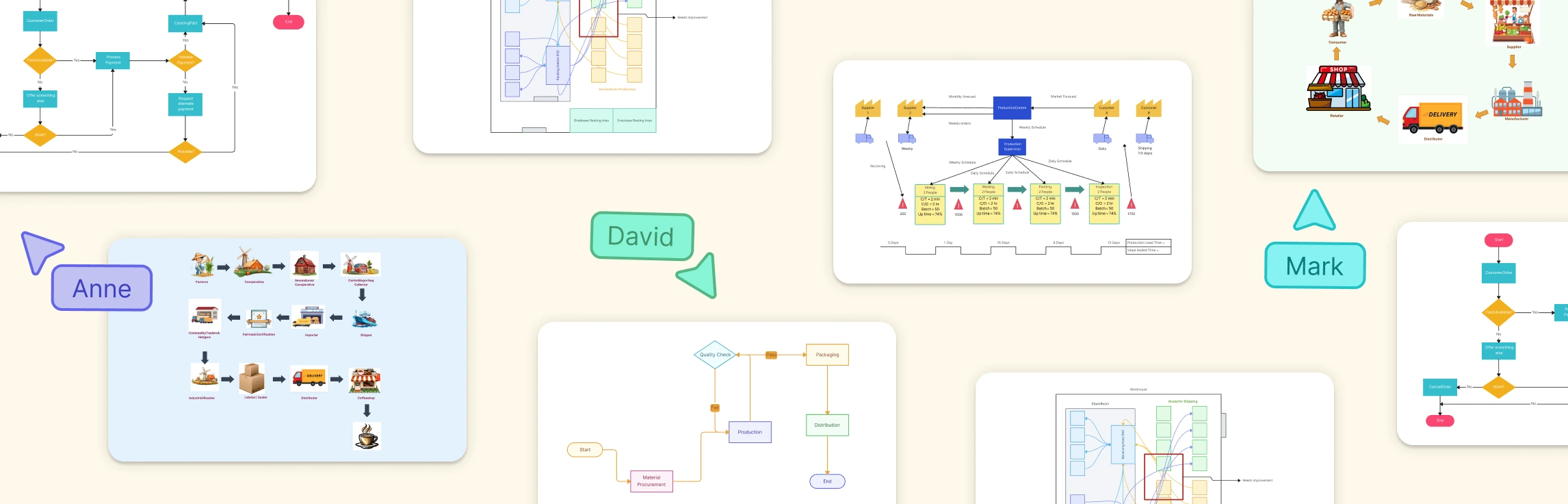
Supply chain diagram examples show how materials, information, money and responsibilities flow from suppliers to end customers; they turn complex networks into a visual model teams can reason about. According to authoritative supply‑chain guidance, diagrams capture product, information, and capital movement across organizations.
Supply chain mapping documents how goods, information, money, and responsibilities move across a supply network. It helps teams understand suppliers and dependencies, investigate operational risks, and coordinate improvement work. This guide explains what to include in a supply chain map, how to build one, and how to keep it useful as the network changes.
In today’s fast-paced business environment, effective logistics optimization is essential for organizations striving to enhance their operational efficiency and maintain a competitive edge. This guide aims to explore the concept of logistics optimization and provide practical insights for implementing it in your business. We will begin by exploring what logistics optimization entails delving into the numerous benefits that effective logistics optimization can offer. Next, we will outline the critical stages of logistics optimization, providing a structured approach to streamline your processes. Finally, we will introduce seven essential diagrams designed to facilitate effective logistics optimization, enabling you to visualize and implement strategies that unlock efficiency within your supply chain. Whether you are a logistics professional or a business leader, this guide will equip you with the knowledge and tools necessary to enhance your logistics operations and drive success.
In today’s rapidly evolving business landscape, the ability to effectively manage and optimize supply chains has become more critical than ever. Supply Chain Visualization offers organizations a powerful means of transforming complex data into clear, actionable insights. By creating visual representations of supply chain processes, businesses can enhance their understanding of how products flow from suppliers to customers, identify potential bottlenecks, and make informed decisions that drive efficiency. This guide explores the fundamentals of supply chain visualization, delving into its significance and various applications, and providing a roadmap for organizations seeking to improve their operational effectiveness and responsiveness in an increasingly competitive market.