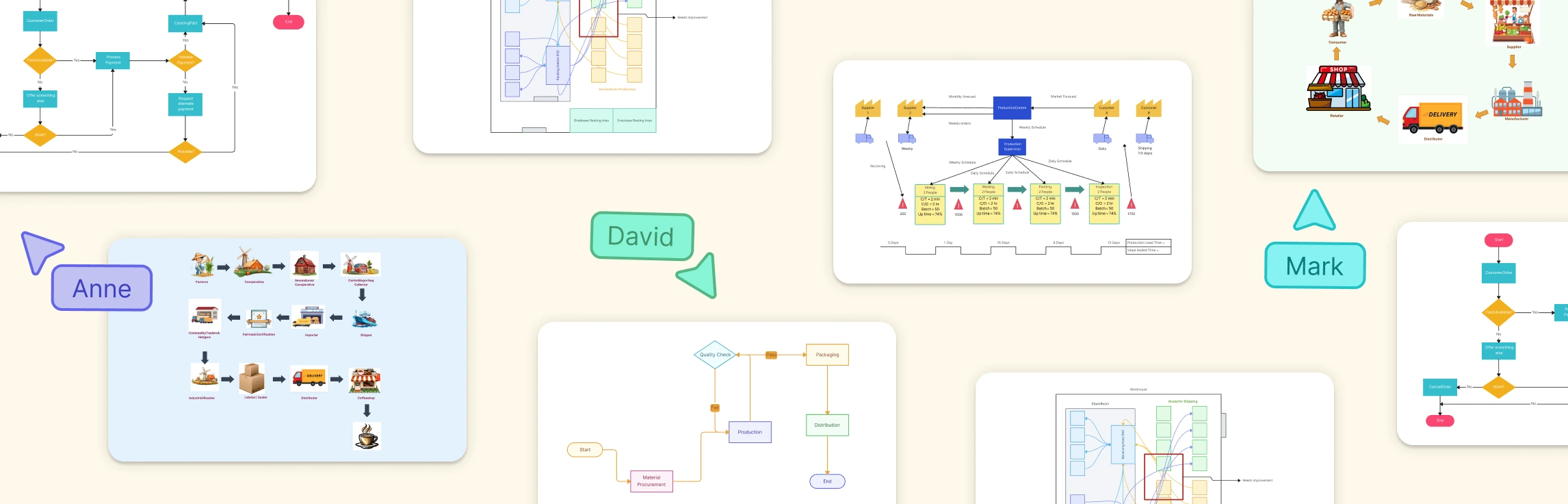
Supply chain mapping documents how goods, information, money, and responsibilities move across a supply network. It helps teams understand suppliers and dependencies, investigate operational risks, and coordinate improvement work. This guide explains what to include in a supply chain map, how to build one, and how to keep it useful as the network changes.
What Is Supply Chain Mapping?
Supply chain mapping is the process of documenting, visualizing, and analyzing the flow of goods, information, and money across a supply chain. It identifies relevant stakeholders, including suppliers, manufacturers, distributors, logistics providers, retailers, and customers. A well-maintained map helps a business understand where materials come from, how they move through the network, and where critical dependencies exist.
Visibility helps businesses investigate vulnerabilities and strengths across a complex supply network. This awareness supports risk assessment and the development of responses to issues such as supplier delays or market fluctuations.
Supply chain mapping also guides decision-making by giving stakeholders a common view of relationships and operational context. Teams can use that view to investigate issues, discuss supplier relationships, and organize evidence for compliance work.
Supply chain mapping therefore supports strategic planning, risk assessment, and process improvement. Its value depends on the quality and recency of the underlying information and on the actions teams take after reviewing it.
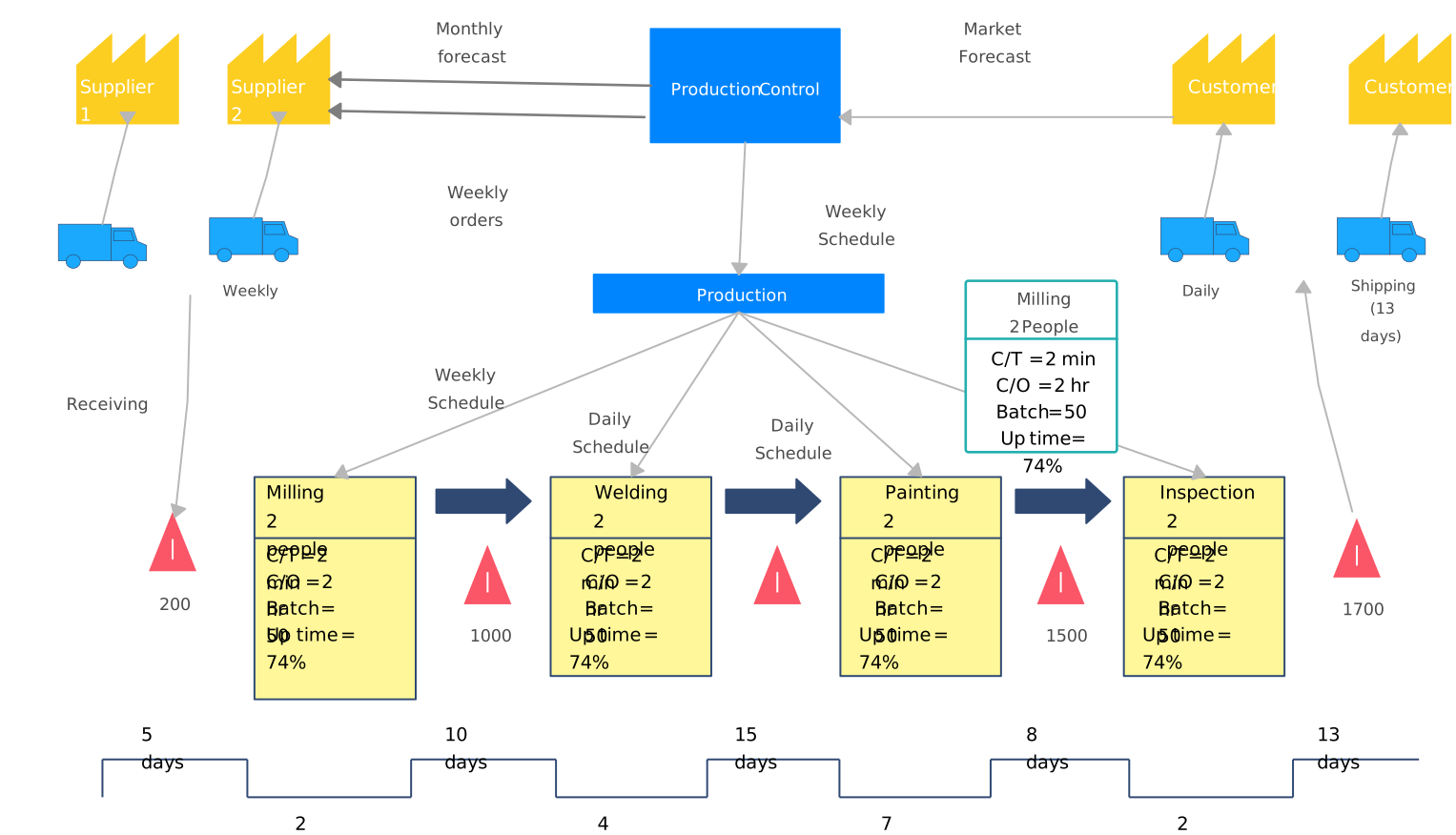

Types of Supply Chain Maps
Useful ways to organize supply chain maps include:
- High-Level Maps: These provide a broad overview of the supply chain for strategic planning, scoping, and stakeholder communication.
- Detailed Maps: These focus on particular products, supplier tiers, locations, routes, or processes so teams can investigate dependencies and operational issues.
- Dynamic Maps: These maps are updated regularly or connected to current operational data so teams can review changes in the network. Their accuracy depends on the quality, frequency, and coverage of those updates.
An accurate supply chain map can help a business investigate risks, understand operational complexity, and identify improvement opportunities. It is a decision-support tool rather than a guarantee of lower costs or resilience; teams still need reliable data, stakeholder input, and appropriate mitigation plans.
The Importance of Supply Chain Mapping
As supply chains grow more complex, teams need a reliable way to understand suppliers, dependencies, routes, responsibilities, and information flows. Mapping creates a shared view that supports strategic decisions, risk assessment, and cross-functional planning.
1. Risk Management and Operational Efficiency
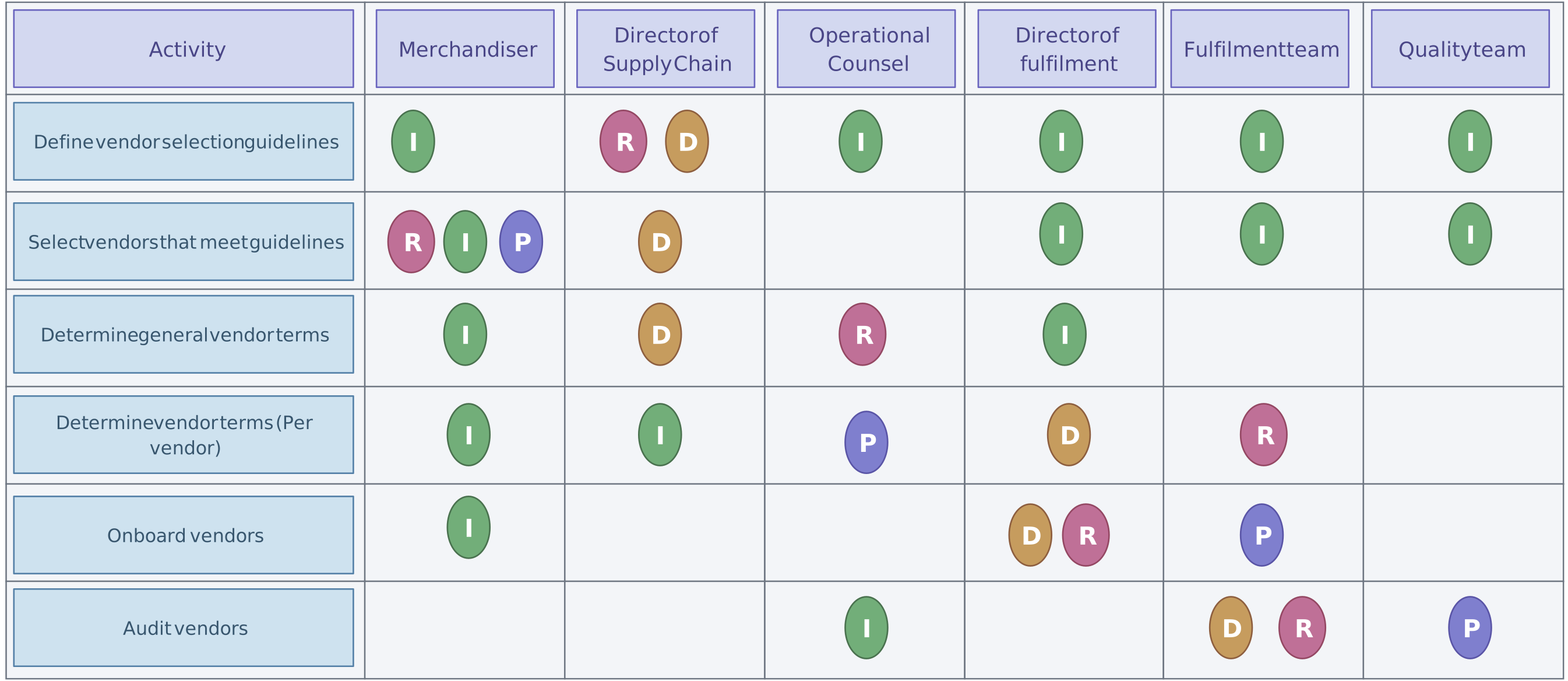
A well-mapped supply chain lays the foundation for robust risk management and operational excellence. Through detailed supply chain mapping:
- Businesses can identify potential bottlenecks and vulnerabilities for further assessment.
- Tools like heat maps allow organizations to visualize risks and prioritize mitigation strategies effectively.
- Mapping highlights process areas that may warrant analysis for waste, delays, or resource constraints.
- The findings give teams a basis for prioritizing and evaluating improvement options.
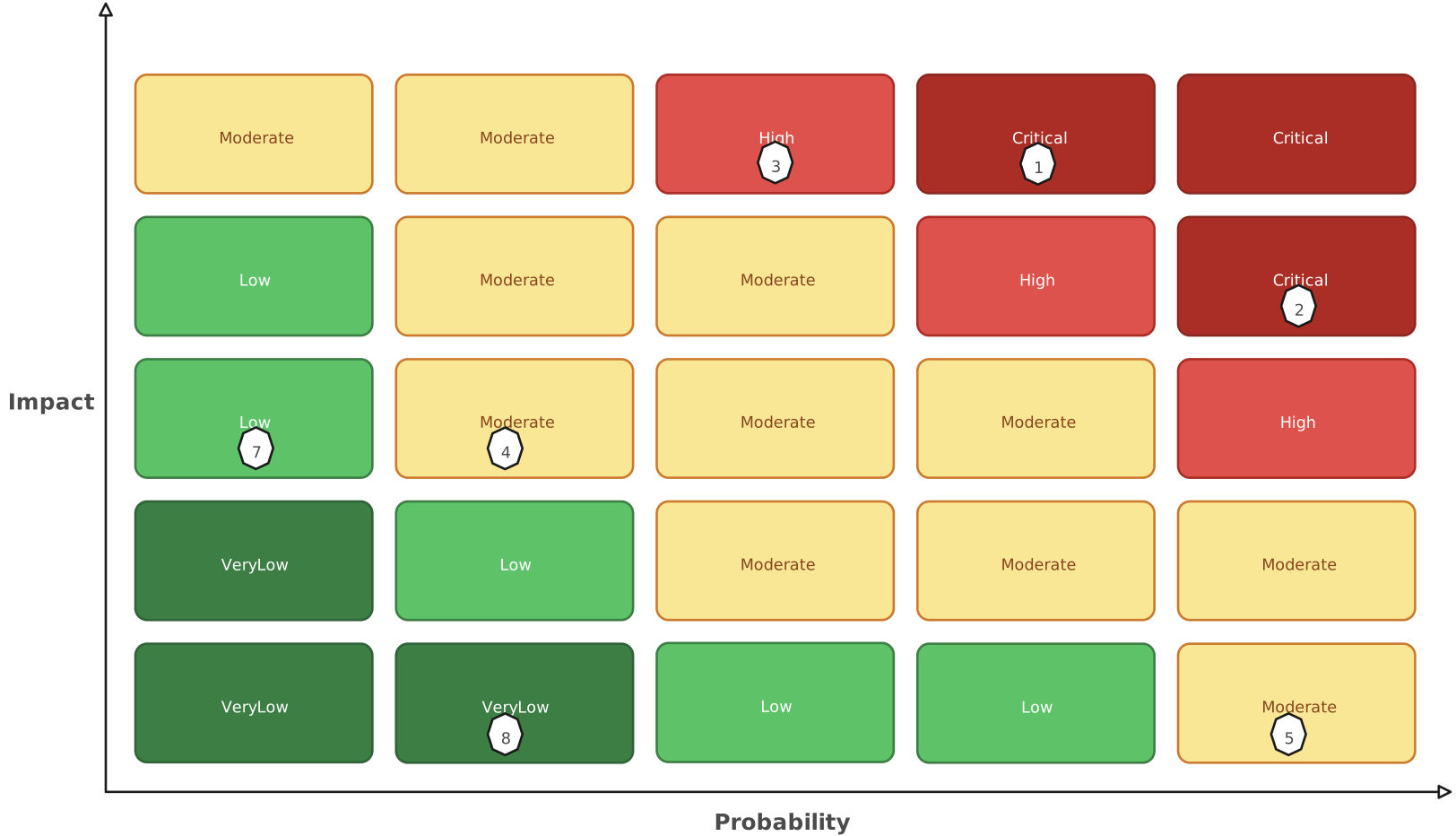
2. Enhanced Supplier Relationships
Supply chain mapping fosters stronger, more transparent relationships with suppliers by:
- Providing a clear view of supply chain dependencies, encouraging open communication and collaboration.
- Making responsibilities and expectations visible so teams can discuss alignment with suppliers.
- Helping resolve disputes and misunderstandings by offering a documented flow of responsibilities and expectations.
- Identifying shared improvement opportunities that suppliers and internal teams can evaluate together.
3. Regulatory Compliance and Ethical Standards
Regulatory requirements are becoming stricter, making compliance a critical aspect of supply chain management. Supply chain mapping helps this by:
- Documenting relevant suppliers, locations, processes, and relationships for due-diligence work.
- Organizing supporting information that teams may need for audits and certifications.
- Highlighting where ethical, environmental, or labor-related risks require further assessment.
A map supports compliance work, but it does not demonstrate compliance on its own. Requirements vary by jurisdiction and industry, so teams should validate the map and supporting evidence against the standards that apply to them.
4. Improved Decision-Making with Current Supply Chain Insights
Effective supply chain mapping organizes information into a shared view, allowing businesses to:
- Respond to market changes quickly with better-informed decisions.
- Anticipate seasonal or demand-driven fluctuations and plan inventory accordingly.
- Use visual tools such as Creately to compare proposed scenarios and discuss their implications before implementation.
5. Sustainability and Environmental Impact
As sustainability becomes a business imperative, supply chain mapping:
- Highlights activities and routes that teams can investigate for waste or inefficient resource use.
- Provides a structure for associating verified emissions or environmental data with relevant suppliers and activities.
- Supports supplier due diligence by showing where evidence is available and where information gaps remain.
Supply chain mapping gives teams a clearer view of their operational landscape and a shared reference for responding to change. Visual tools such as Creately can make dependencies, responsibilities, and improvement context easier to review across functions. The resulting decisions still depend on complete data and input from the people and suppliers represented in the map.
How to Map Your Supply Chain: A Step-by-Step Approach
Mapping your supply chain is a vital process that provides clarity on how different entities in your supply network are interconnected. It creates a blueprint for optimizing efficiency, managing risks, and adapting to market changes. Below is a detailed step-by-step guide to help you achieve greater visibility and control over your supply chain operations.
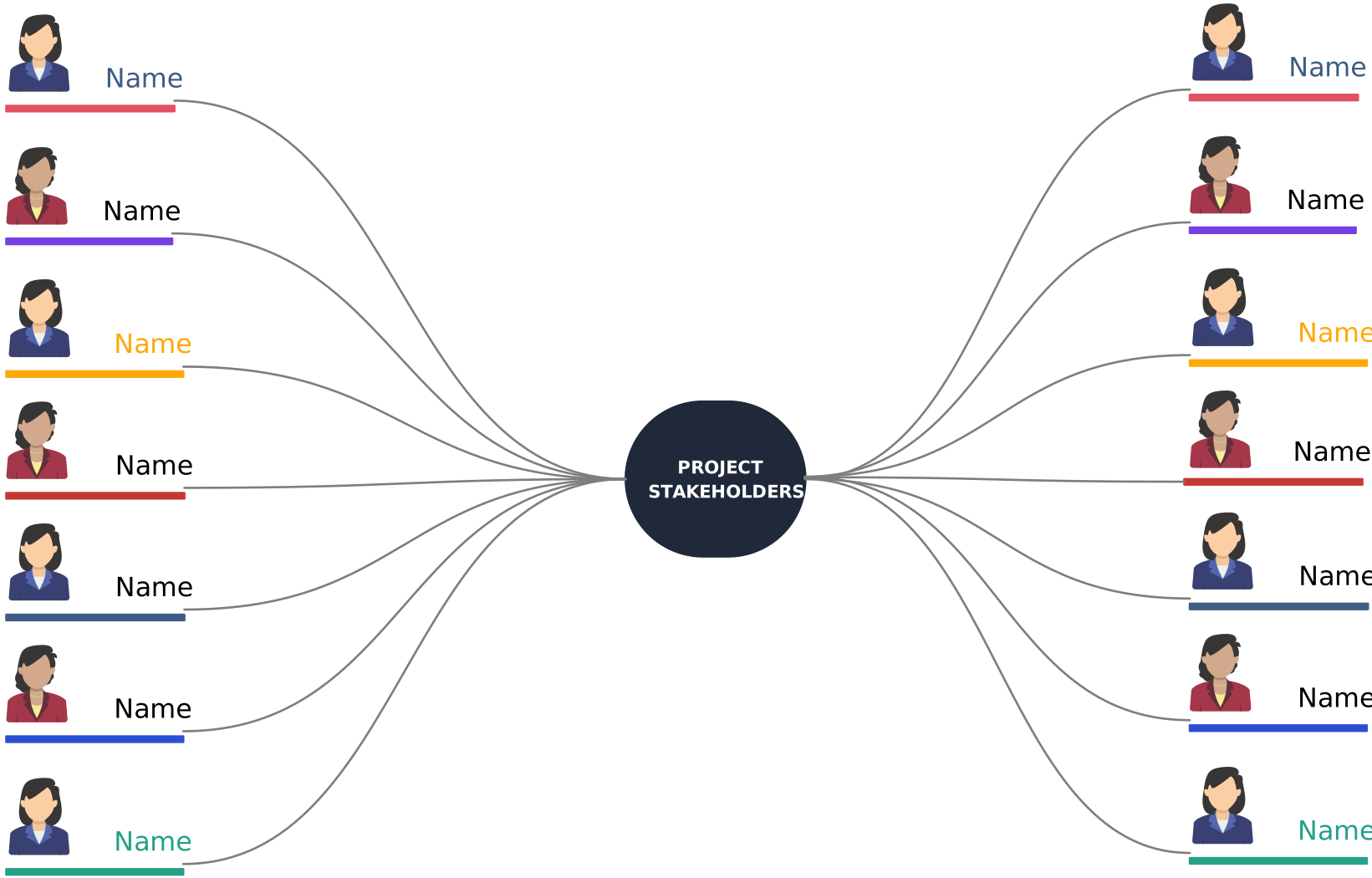
1. Identify Key Stakeholders
The first step is to pinpoint and identify key stakeholders involved in your supply chain, such as:
- Suppliers who provide raw materials or components.
- Manufacturers who convert materials into finished goods.
- Distributors and logistics providers responsible for moving goods.
- Retailers and customers who are the end recipients.
This understanding allows you to map the relationships that influence supply chain dynamics and strategize effectively. Tools like stakeholder maps can be used for better visualization of relationships and for identifying areas of potential risk or opportunity.
2. Collect and Analyze Data
Comprehensive data collection is the backbone of effective supply chain mapping. Focus on:
- Transaction records to track financial and material flows.
- Logistics and movement data detailing transportation routes, delivery schedules, and lead times.
- Inventory data to understand stock levels and turnover rates.
- Supplier performance metrics like delivery reliability and quality scores.
Use appropriate sources, such as supplier records, ERP systems, logistics platforms, and verified sensor data, to gather current information. Record the source and review date where practical; a map reflects the current state only when its underlying data is maintained.
3. Visualize the Supply Chain
Once you have your data, create a visual representation of your supply chain to identify patterns, gaps, and dependencies. Tools like Creately allow you to build customizable, interactive maps that make it easy to:
- Highlight key nodes in your supply chain.
- Mark potential bottlenecks, concentration risks, and information gaps for investigation.
- Provide a bird’s-eye view of the supply network for stakeholders.
This visualization acts as a foundation for process improvement and strategic planning.
With Creately’s supply chain diagram examples, teams can start detailed maps while keeping owners, operational handoffs, notes, links, and relevant files connected to the visual context. Stakeholders can use comments and @mentions to discuss changes, and the map owner can incorporate agreed updates so the document remains useful as the supply chain evolves.
Leverage Shape Libraries and Templates
Creately provides shape libraries and editable templates for supply chain mapping, value stream mapping, stakeholder mapping, and risk assessment. These starting points help teams establish a consistent visual structure, which they can adapt to the suppliers, locations, flows, and risks within their own network.
Customizable Visuals for Enhanced Insights
With Creately’s infinite canvas, users can customize layouts and use visual conventions to distinguish supplier tiers, routes, risks, responsibilities, and process flows. Structured information and connected references can add context to map elements without crowding the main diagram. Visual emphasis should indicate areas for review rather than present an unverified risk or bottleneck as a confirmed finding.
Connect Supporting Context for Collaborative Review
Creately lets teams keep supporting context—such as notes, links, and relevant files—connected to the map. This helps reviewers find supplier, inventory, or transportation references alongside the relationships they describe. The map does not become current automatically: an accountable owner should review source information, incorporate agreed changes, and record assumptions or gaps.
Streamlined Stakeholder Collaboration
Supply chains involve multiple stakeholders, and effective communication is crucial. Creately’s collaborative platform enables teams to edit the same map in real time, whether they are in the same office or distributed across locations. Stakeholders can use comments and @mentions to discuss specific map elements. Clear ownership helps ensure that feedback is evaluated and agreed changes are incorporated rather than left as disconnected review notes.
4. Identify Opportunities and Risks
With a clear visual map in place, conduct a thorough analysis to:
- Spot inefficiencies in procurement, production, or distribution processes.
- Assess risks such as single points of failure, delays, or compliance vulnerabilities.
- Identify opportunities for cost savings, sustainability improvements, or process automation.
Use risk assessment tools like heat maps to prioritize areas requiring immediate attention and create contingency plans to mitigate disruptions.
5. Integrate Technology and Collaboration
Technology can support supply chain mapping when each system has a defined purpose and reliable data. Enhance your mapping efforts by:
- Using shared platforms to collaborate and maintain map updates across stakeholders.
- Using advanced analytics to forecast demand and optimize inventory.
- Connecting verified records or traceability data when the selected systems and integration approach support it.
Encourage collaboration by sharing the supply chain map with relevant teams, ensuring alignment in goals and actions.
6. Implement Continuous Improvement
Supply chain mapping is not a one-time activity. To stay competitive, you must:
- Regularly review and update your supply chain map as market conditions, technologies, or business goals evolve.
- Incorporate current, verified data for ongoing refinements.
- Monitor performance metrics and adapt strategies to address emerging challenges or opportunities.
Continuous review helps keep the map aligned with organizational objectives and provides current context for resilience and improvement decisions.
By following these steps, businesses can create a more reliable view of their supply network, prioritize improvement opportunities, and make better-informed procurement and risk decisions.
Benefits of Supply Chain Mapping
Supply chain mapping is a useful practice for businesses seeking to investigate efficiency, cost, risk, and collaboration across a network. By providing a visual overview of goods, information, responsibilities, and dependencies, it gives teams a common basis for analysis and improvement planning.
Visibility and Efficiency
One of the most important benefits of supply chain mapping is the visibility it brings to supply network operations. A map can expose potential bottlenecks, information gaps, and dependencies that warrant further analysis. Once teams validate those findings with operational data and stakeholders, they can prioritize changes to resource allocation, transportation, inventory, or supplier management. Creately’s supply chain diagram examples help teams visualize the network and keep review context connected to it.
Cost Reduction
Supply chain mapping can highlight cost drivers and areas that deserve closer analysis, such as procurement practices, transportation routes, inventory policies, or duplicated handling. Teams can combine the map with cost and performance data to evaluate options such as shipment consolidation, supplier changes, or inventory adjustments. Savings are not guaranteed by the map itself; they depend on the quality of the analysis and the changes implemented.
Improved Communication and Stakeholder Collaboration
Effective communication and collaboration among stakeholders are vital for a successful supply chain, and supply chain mapping facilitates this by providing a shared understanding of supply chain dynamics. With a comprehensive map, businesses can ensure alignment of objectives among all parties, from suppliers and manufacturers to distributors and customers. Mapping encourages transparency, reducing the likelihood of misunderstandings and fostering trust between stakeholders. By clearly defining roles, responsibilities, and expectations, supply chain mapping strengthens relationships and enables quicker conflict resolution. This enhanced collaboration drives smoother operations and contributes to a more resilient and reliable supply chain.
Strategic Advantages and Sustainability
In addition to operational and financial analysis, supply chain mapping can support sustainability planning. Teams can associate verified environmental or supplier information with relevant locations and activities, then investigate opportunities to reduce waste, resource use, or emissions. A maintained map also helps teams understand how a proposed change or disruption may affect dependencies. It provides decision context rather than real-time operational monitoring or proof of sustainability performance.
Helpful Resources
Model your supply and demand data to anticipate future trends, inefficiencies and costs in processes.
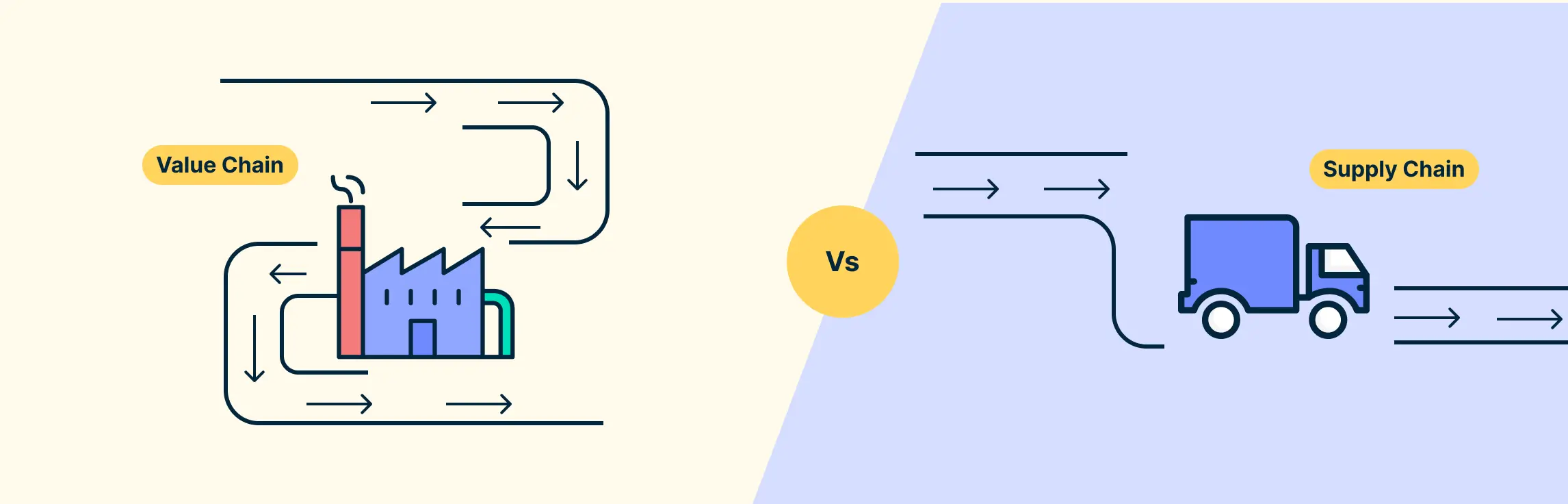
Map out your value chain easily to identify ways you can improve processes to add more value to your products & customers.
Use mind maps to visualize ideas and concepts for collaborative brainstorming, problem-solving, and so much more.
This Gantt chart tutorial will help you master the art of creating visual timelines for tasks and milestones
The Role of Technology in Transforming Supply Chain Mapping
Technology makes it easier to collect supply chain information, visualize relationships, and maintain a shared view across teams. A mapping platform complements operational systems; it does not replace the ERP, logistics, inventory, analytics, or traceability tools that produce and govern source data.
Enhancing Visibility and Collaborative Decision-Making with Creately
Creately provides a shared visual workspace for mapping suppliers, facilities, routes, processes, owners, and dependencies. Teams can add structured information and connect relevant notes, links, and files to map elements, keeping the supporting context close to the relationships being reviewed.
Real-time collaboration refers to people editing and discussing the map together. It should not be confused with automatic tracking of goods or automatic synchronization with every source system. When operational data changes, the map owner should confirm the source and update the affected visual and supporting context.
Streamlining Processes with Advanced Features
Creately’s templates, shape libraries, connectors, infinite canvas, and styling options help teams create a consistent view of a supply network. They can map a high-level network and connect it to supporting process diagrams where more detail is needed. Owners and other structured properties help reviewers understand responsibility and operational context.
The visual map can bring references from different teams into one navigable context, but teams should retain appropriate systems of record and data controls. A map can reveal possible gaps, repeated steps, or fragile handoffs for investigation; it does not automatically optimize a supply chain or eliminate source-data errors.
Driving Stakeholder Collaboration
Creately allows stakeholders across departments or locations to work on the same map in real time. Comments and @mentions keep feedback connected to the relevant visual context, while an accountable owner can evaluate input and incorporate agreed changes.
This creates a practical maintenance workflow for living supply chain documentation: contributors identify a change, reviewers discuss its effect on dependencies and handoffs, and the owner updates the map and connected context. The workflow supports alignment, but operational decisions and approvals should still follow the organization’s established governance process.
Preparing for the Future with Creately
As a supply network changes, teams can extend the map, connect related diagrams and references, and revise structured context without rebuilding the entire visual from scratch. This flexibility helps the documentation evolve alongside new suppliers, routes, systems, and risk considerations.
Creately supports the collaborative mapping and documentation layer. Forecasting, live shipment monitoring, blockchain-based traceability, and automated logistics optimization require dedicated data sources and systems; they should be represented on the map only when the organization has implemented and verified them.
Empowering Your Business with Supply Chain Mapping
Supply chain mapping can strengthen business planning by making suppliers, flows, dependencies, and information gaps easier to examine. Decision-makers can combine this shared view with verified operational and supplier data to prioritize procurement, risk, and process-improvement decisions.
Supply chain mapping also gives stakeholders a common context for discussing responsibilities, dependencies, evidence, and improvement priorities. When teams assign ownership, review the map with the people represented in it, and update it from reliable sources, it can function as living documentation for operational and risk decisions. It supports—but does not replace—supplier due diligence, compliance checks, monitoring systems, or contingency planning.
FAQs About Supply Chain Mapping
What is supply chain mapping and why is it important?
How can supply chain mapping improve operational efficiency?
What tools are best for supply chain mapping?
How does supply chain mapping help with risk management?
Can supply chain mapping be used for sustainability goals?
Resources:
Gardner, J.T. and Cooper, M.C. (2003). STRATEGIC SUPPLY CHAIN MAPPING APPROACHES. Journal of Business Logistics, 24(2), pp.37–64. doi:www.doi.org/10.1002/j.2158-1592.2003.tb00045.x.
MacCarthy, B.L., Ahmed, W.A.H. and Demirel, G. (2022). Mapping the supply chain: Why, what and how? International Journal of Production Economics, [online] 250(1). doi:www.doi.org/10.1016/j.ijpe.2022.108688.