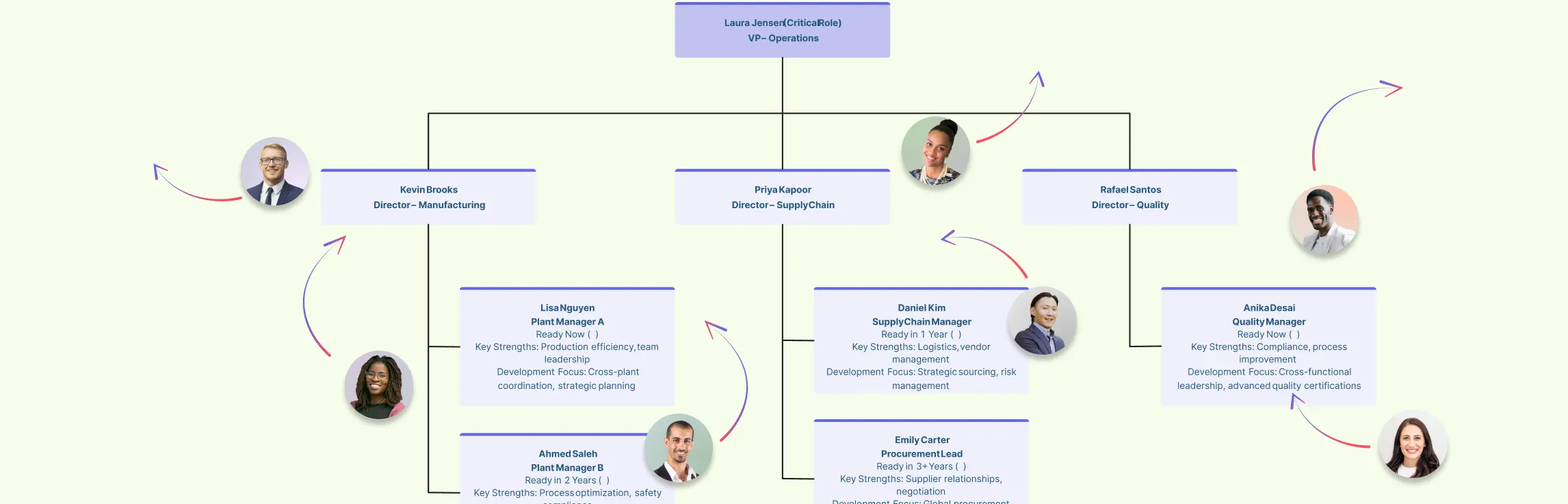
Every team faces the crisis of the leadership pipeline. This guide will show you how to execute a high-impact, strategic 9 box talent review for succession planning. We will explore how to bridge the gap between talent calibration and active pipeline management, ensuring your review process yields a tangible, visual roadmap for your company’s future leaders.
The sudden departure of a key leader shouldn’t feel like a localized earthquake that brings your entire workflow to a halt. If you’re tired of the “single point of failure” anxiety, this guide moves past dry theory to provide concrete succession planning examples and visual roadmaps that actually work for modern teams.
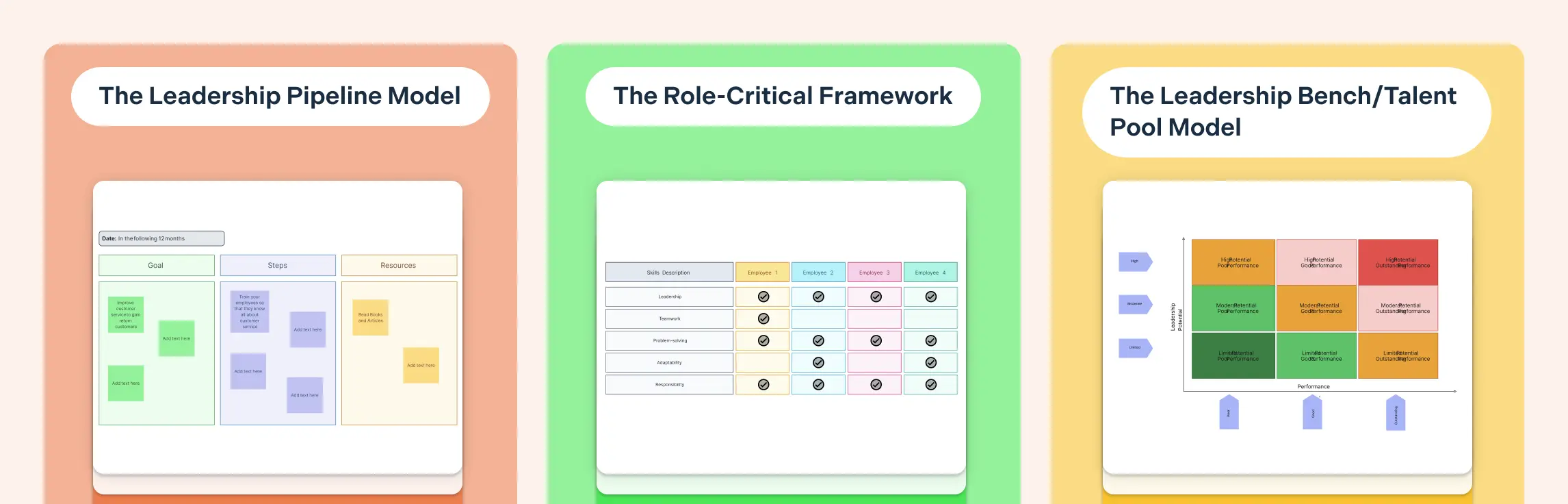
For many teams, the “panic-hire” reality is a result of scattered workflows and a lack of structural clarity. This guide explores the succession planning framework as the structural “bones” of your leadership strategy, comparing the big three succession planning models—Pipeline, Role-Critical, and Talent Pool—to find the one that “just works” for your organization.
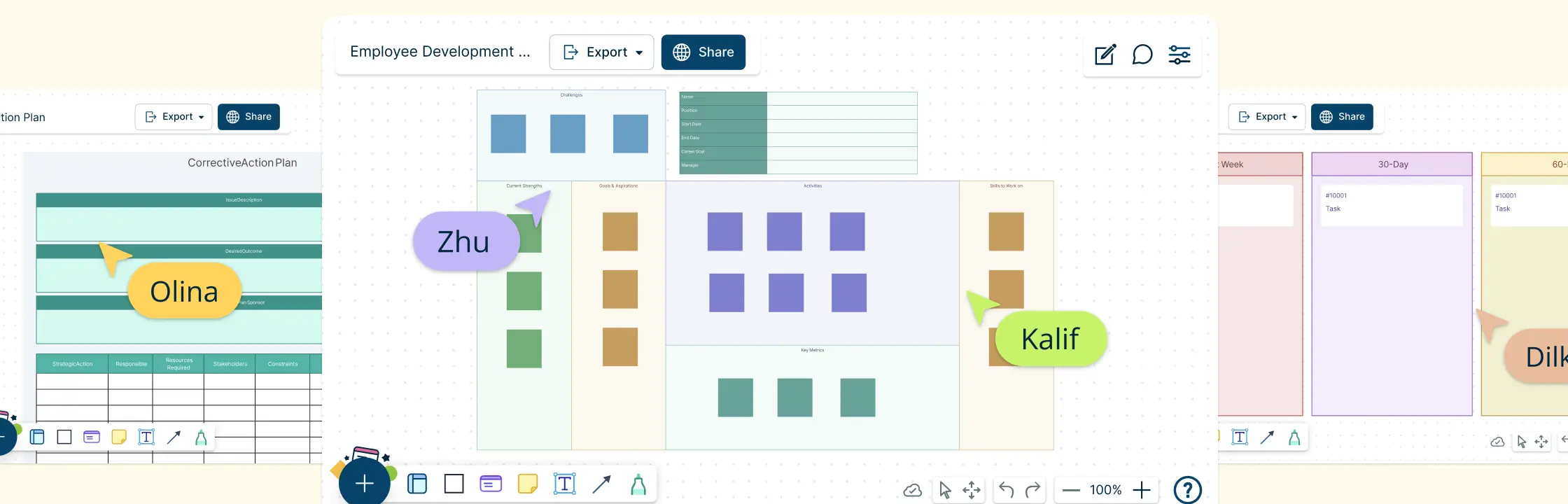
An employee development plan is a structured approach designed to help employees acquire new skills and advance their careers within an organization. These plans serve as a roadmap for professional growth, ensuring employees are equipped with the necessary competencies for their roles and potential future positions. In this blog post, we dive deep into how to create an employee development plan to ensure career development.
A Performance Development Review (PDR) is a comprehensive process aimed at evaluating and improving employee performance. Unlike traditional performance appraisals, which often focus retrospectively, PDRs emphasize continuous growth, future goals, and employee development through structured feedback and goal setting. In this blog, we provide a comprehensive overview of what a performance development review is and how you can use one to improve employee performance.
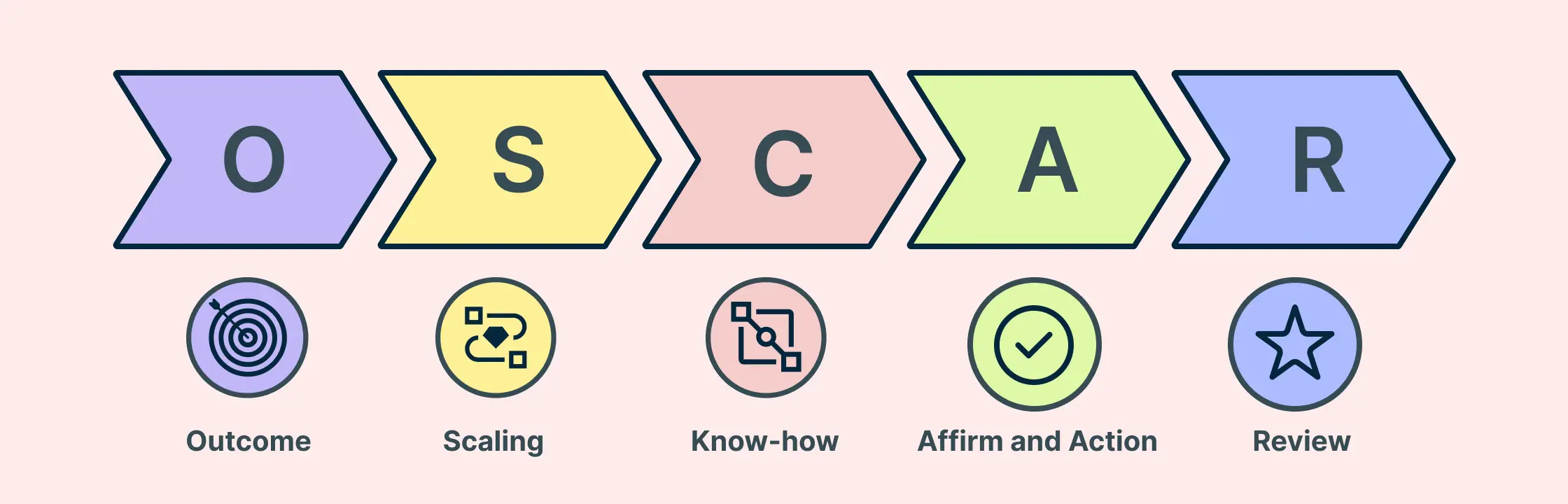
The OSKAR Coaching model combines insights from solution-focused therapy and organizational development. Over the years, it has gained recognition for its effectiveness in boosting team performance and enhancing coaching outcomes. In this blog, we dive deep into what the OSKAR model is and its applications in training and coaching.
What is a Performance Development Plan (PDP)? A Performance Development Plan (PDP) is a strategic document designed to assist employees in achieving their personal and professional goals while aligning with the overarching objectives of their organization. It functions as a roadmap that lays out clear expectations, specific action items, and target deadlines for performance reviews and skill development.
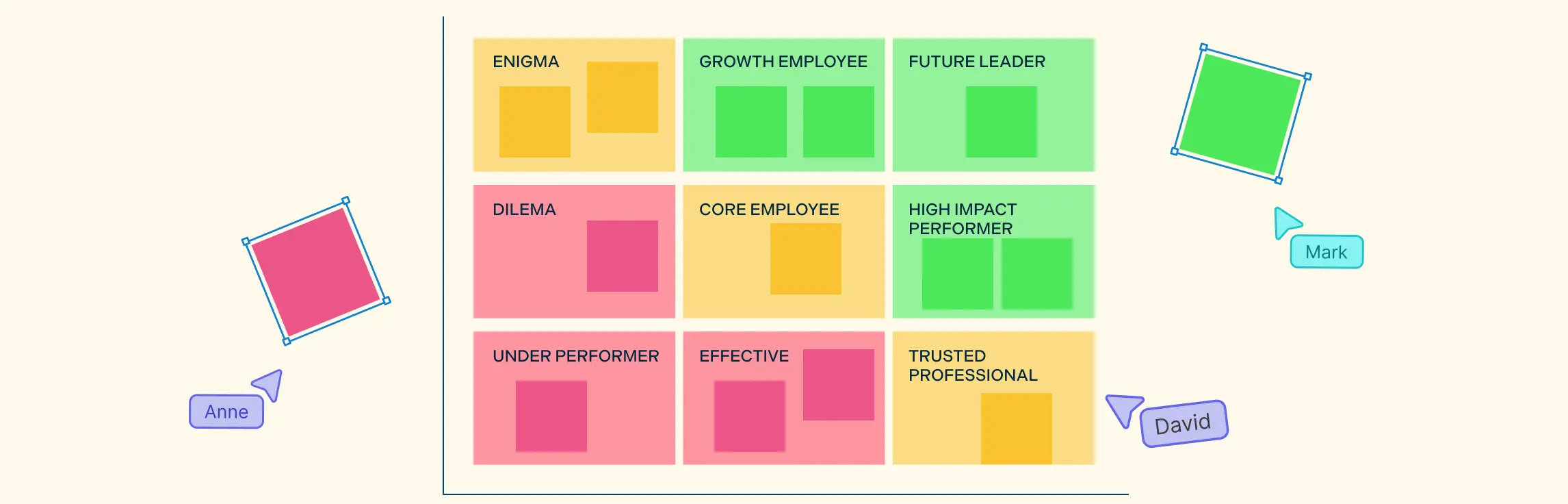
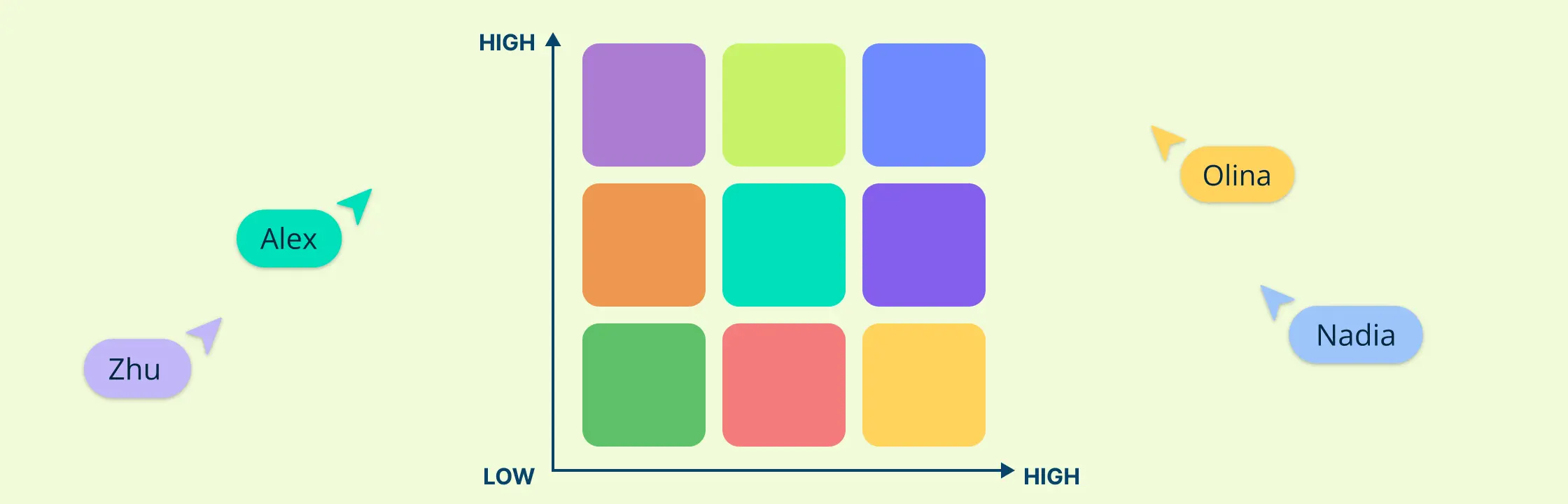
Most HR leaders share a common frustration: having plenty of data on how employees are performing today, but zero clarity on who is actually ready to lead tomorrow. The 9 box grid solves this by mapping performance against potential. In this guide, we will break down exactly how this talent management tool works, define every category in the 9-box model, and provide a step-by-step framework to build your own succession planning roadmap.
A well structured performance improvement plan (PIP) can help align employee actions with broader organizational goals. It helps employees understand where they are falling short in terms of performance, and take proactive steps to correct their course. A good performance improvement plan encourages employees to learn from their mistakes and move forward, reducing staff turnover.
A Performance Improvement Plan (PIP) template is a structured document used by managers to guide employees who are not meeting performance expectations. It outlines specific areas where an employee needs improvement, sets measurable goals, and provides a timeline for achieving these objectives.
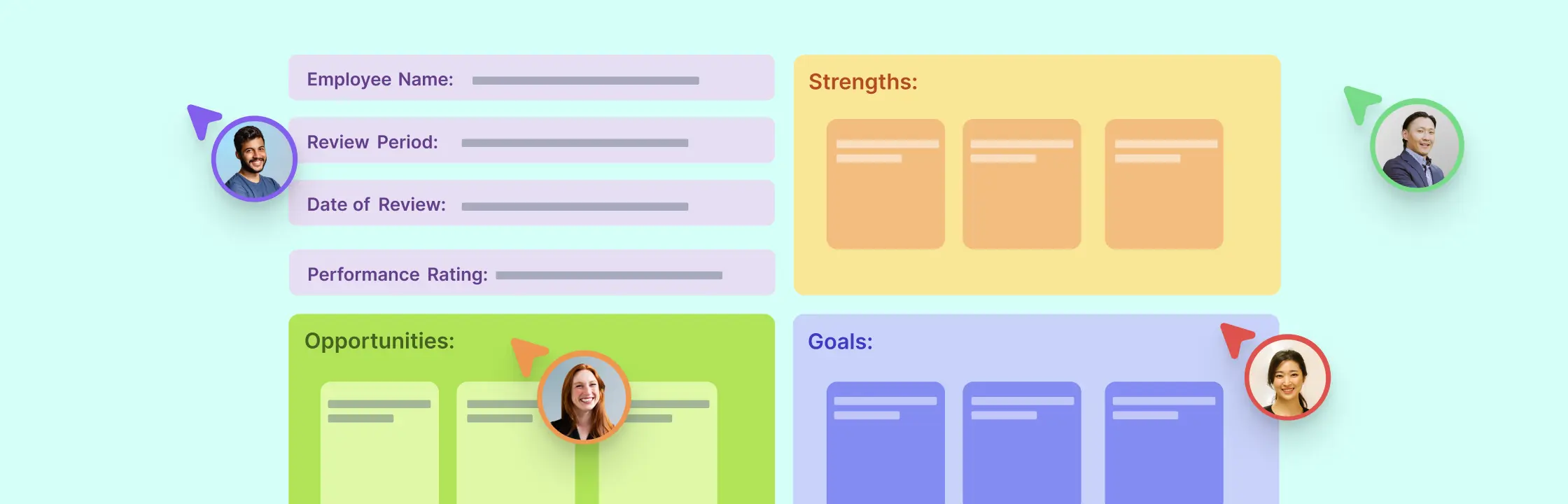
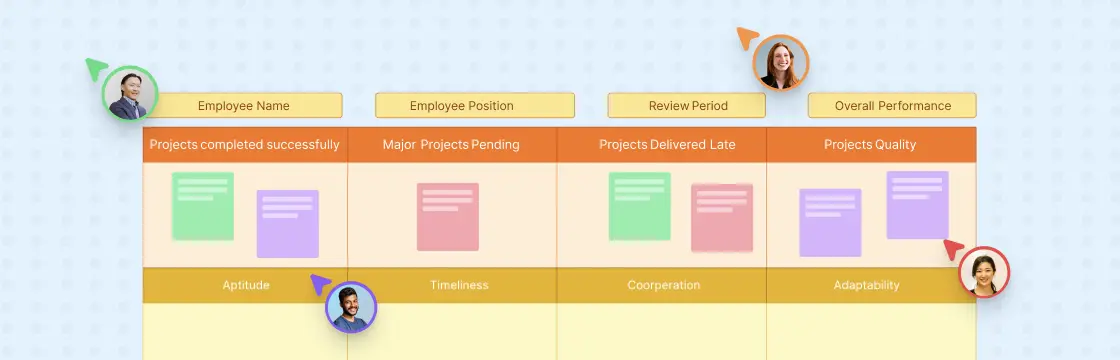
Performance reviews are an essential part of any organization’s talent management strategy. They help managers and employees align on goals, expectations, and feedback, as well as identify areas of improvement and development. However, conducting effective performance reviews can be challenging, especially if you don’t have a clear and consistent template to follow.