Leadership changes often catch organizations unprepared, creating uncertainty, disruption, and avoidable risk. A succession planning strategy addresses this challenge by ensuring the right people are ready to step into critical roles before transitions occur. This guide explains what a succession planning strategy is, the key elements that make it effective, and how to execute it in practice, with real-world examples across different organizational contexts to support long-term business continuity.
What is a Succession Planning Strategy?
A succession planning strategy is a long-term, intentional plan to make sure your organization is always ready for what’s next. Instead of scrambling to replace people when roles open up, you build a strong pipeline of capable leaders who can step in with confidence. The result is less risk, smoother transitions, and a business that keeps moving forward, even when change hits.
To learn more, read what is succession planning guide.
Key Elements of a Succession Planning Strategy
The following elements represent what organizations need to account for when designing a sustainable, credible succession approach.
Role Criticality Mapping
Succession planning begins with understanding which roles matter most to organizational continuity. Role criticality mapping considers the level of decision-making authority, operational dependency, and business risk associated with each position. This ensures succession efforts focus on roles where leadership gaps would have the greatest impact, rather than treating all positions equally.
Leadership Competency Frameworks
Effective succession strategies rely on clearly defined leadership expectations. Leadership competency frameworks outline the skills, behaviors, and capabilities required for success in current and future roles, helping organizations assess readiness beyond job performance alone. This creates consistency in how leadership potential is evaluated and developed across the organization.
Talent Pipeline Alignment
Succession planning is most effective when viewed as a flow of talent over time. Talent pipeline alignment examines whether internal talent is progressing in a way that supports future leadership needs, highlighting gaps between roles, readiness levels, and development timelines. This perspective shifts succession planning from replacement-focused thinking to long-term leadership sustainability.
Governance & Ownership
Clear governance ensures succession planning remains objective, credible, and aligned with business priorities. Defined ownership, decision-making standards, and review cycles help reduce bias and maintain consistency, while reinforcing trust in the process among leaders and employees alike.
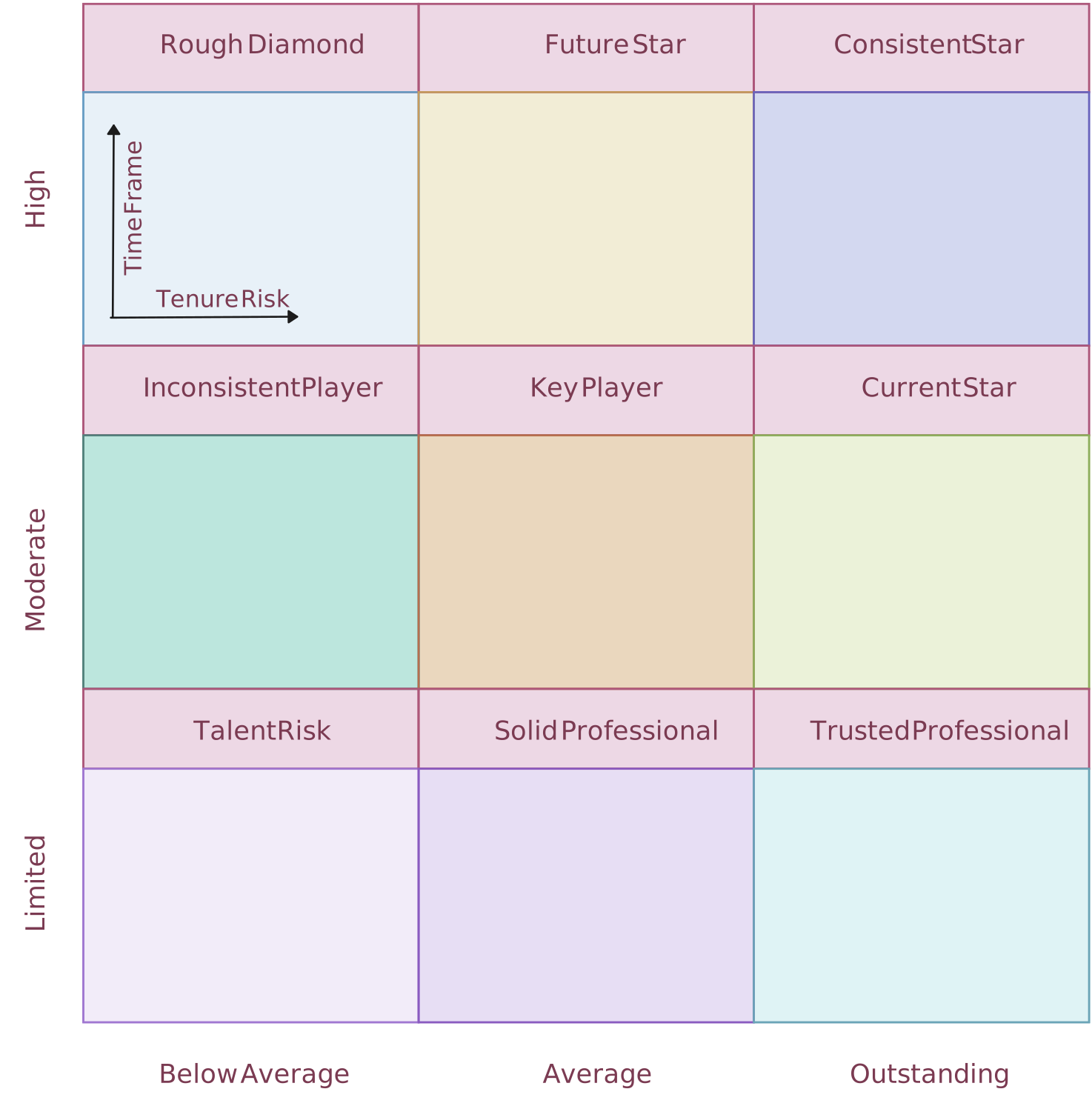
Succession planning frameworks provide a structured way to bring these elements together, helping organizations evaluate risk, readiness, and future leadership needs with greater clarity and confidence. For more on frameworks such as the 9-box grid, talent matrices, and leadership pipeline models, read our succession planning frameworks guide.
Executing Your Succession Planning Strategy
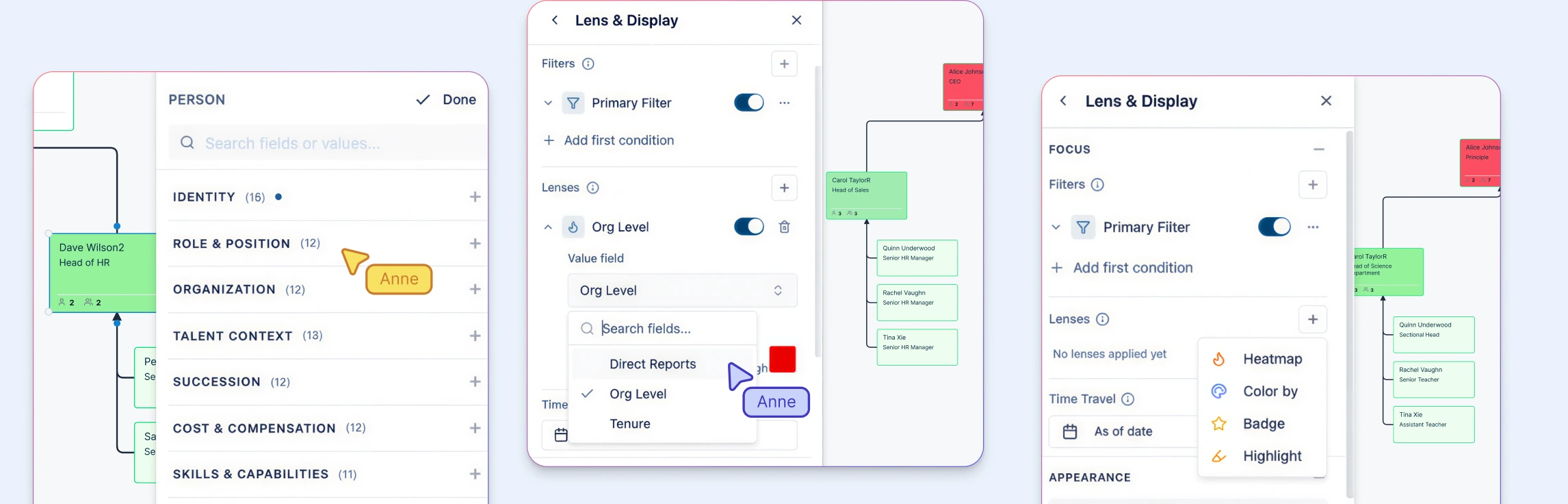
Execution focuses on keeping leadership continuity visible, reviewed, and aligned as the organization evolves. You can use Creately’s succession planning software to visualize critical roles, monitor leadership readiness, and collaborate across teams to ensure the strategy remains active, consistent, and aligned with business priorities over time. Here’s how you execute the strategy.
Strategic Role Prioritization
Execution begins by continuously validating which roles are most critical to business continuity and future direction. As organizations evolve, strategic priorities change, and role criticality must be reassessed to ensure succession focus remains aligned with real business risk.
Leadership Readiness & Visibility
Rather than documenting successors, execution requires maintaining clear visibility into leadership readiness across the organization. This includes understanding where depth exists, where gaps remain, and how readiness aligns with anticipated timelines, enabling informed leadership decisions at the enterprise level.
Talent Development as a Strategic Investment
A succession planning strategy only succeeds when development is intentional and forward-looking. Execution ensures leadership development initiatives, mobility opportunities, and learning investments are aligned with future capability needs—not just current performance requirements.
Governance, Accountability, and Review
Effective execution depends on strong governance. Clear ownership, regular review cycles, and consistent decision criteria keep succession planning objective and credible. This ensures the strategy remains relevant as business conditions, leadership needs, and talent pools change.
Resilience Through Preparedness
Execution also includes ensuring organizational resilience. Strategic succession planning accounts for both long-term transitions and unexpected disruptions, reinforcing confidence that leadership continuity is protected under a range of scenarios.
For a more in-depth walkthrough about the different stages of succession planning, and a step-by-step view of how succession plans are created, read our succession planning process guide.
Real Life Succession Planning Examples
The examples below show how a succession planning strategy can be applied across different organizational contexts, leadership structures, and levels of complexity.
Succession Planning for Small Business
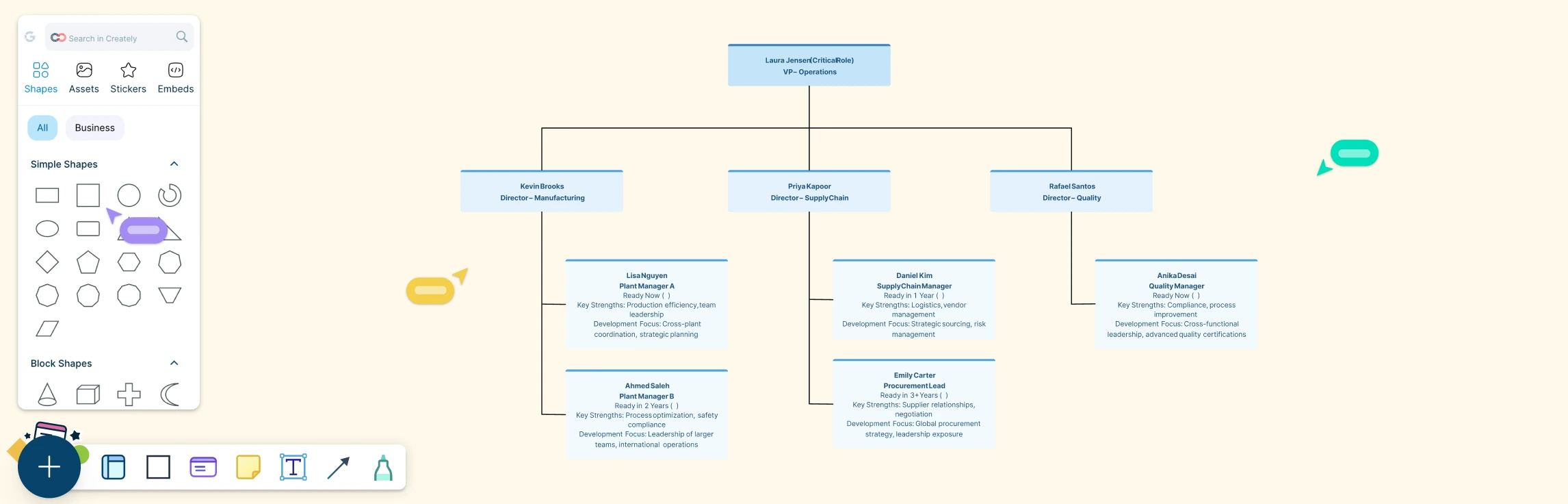
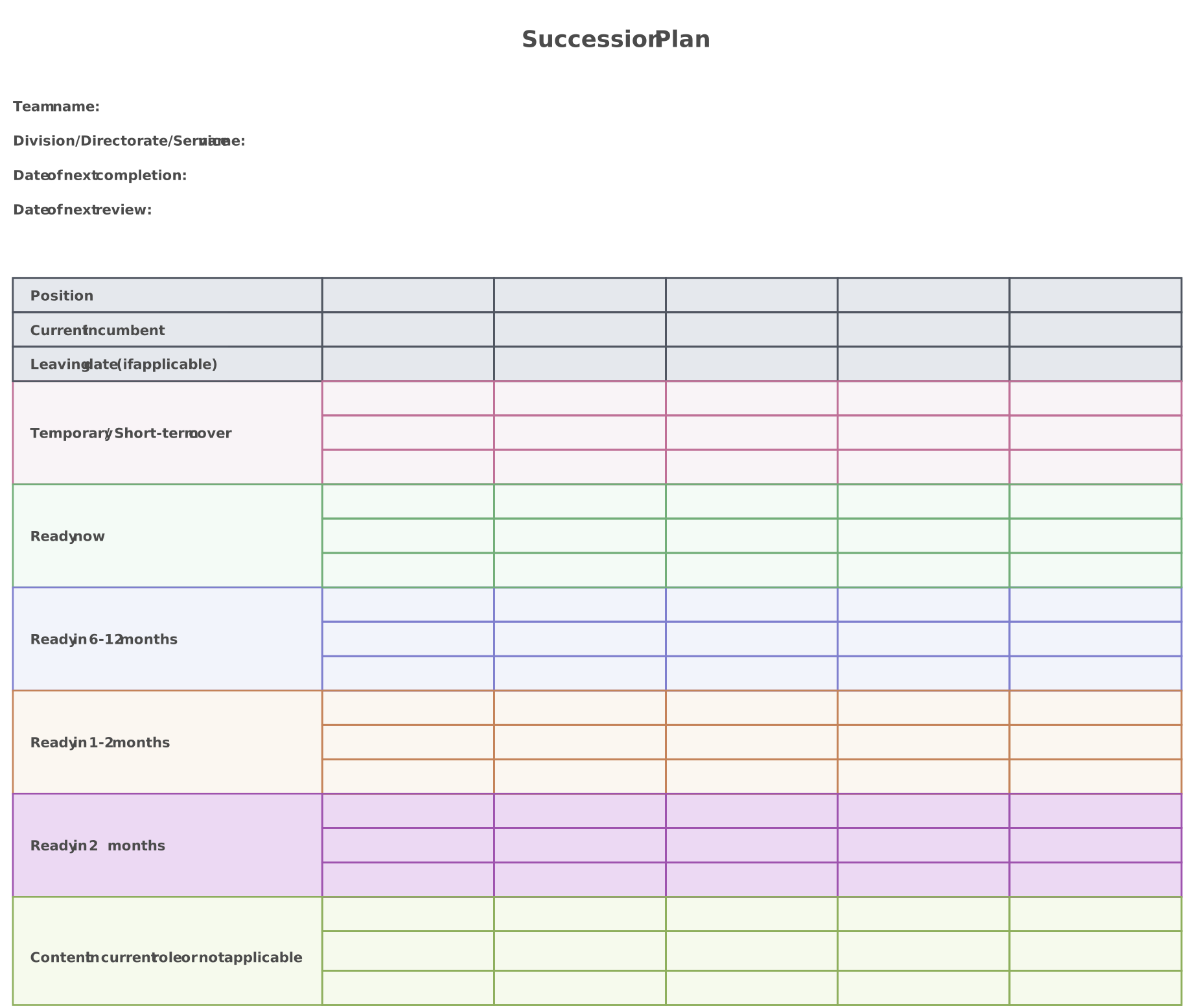
This example illustrates a straightforward succession plan for a small business by documenting critical roles, current role holders, and identified primary and secondary successors. It includes readiness timelines, key knowledge to transfer, development actions, and emergency backups, helping reduce reliance on individuals while keeping succession planning practical and manageable.


Enterprise Leadership Succession Planning
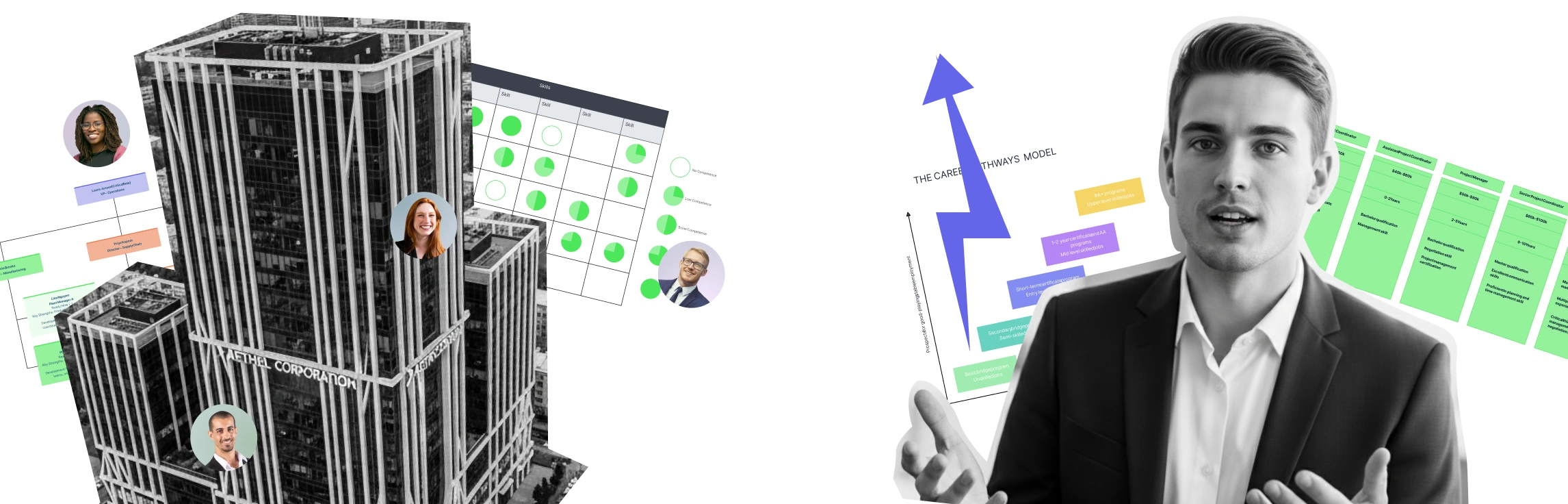
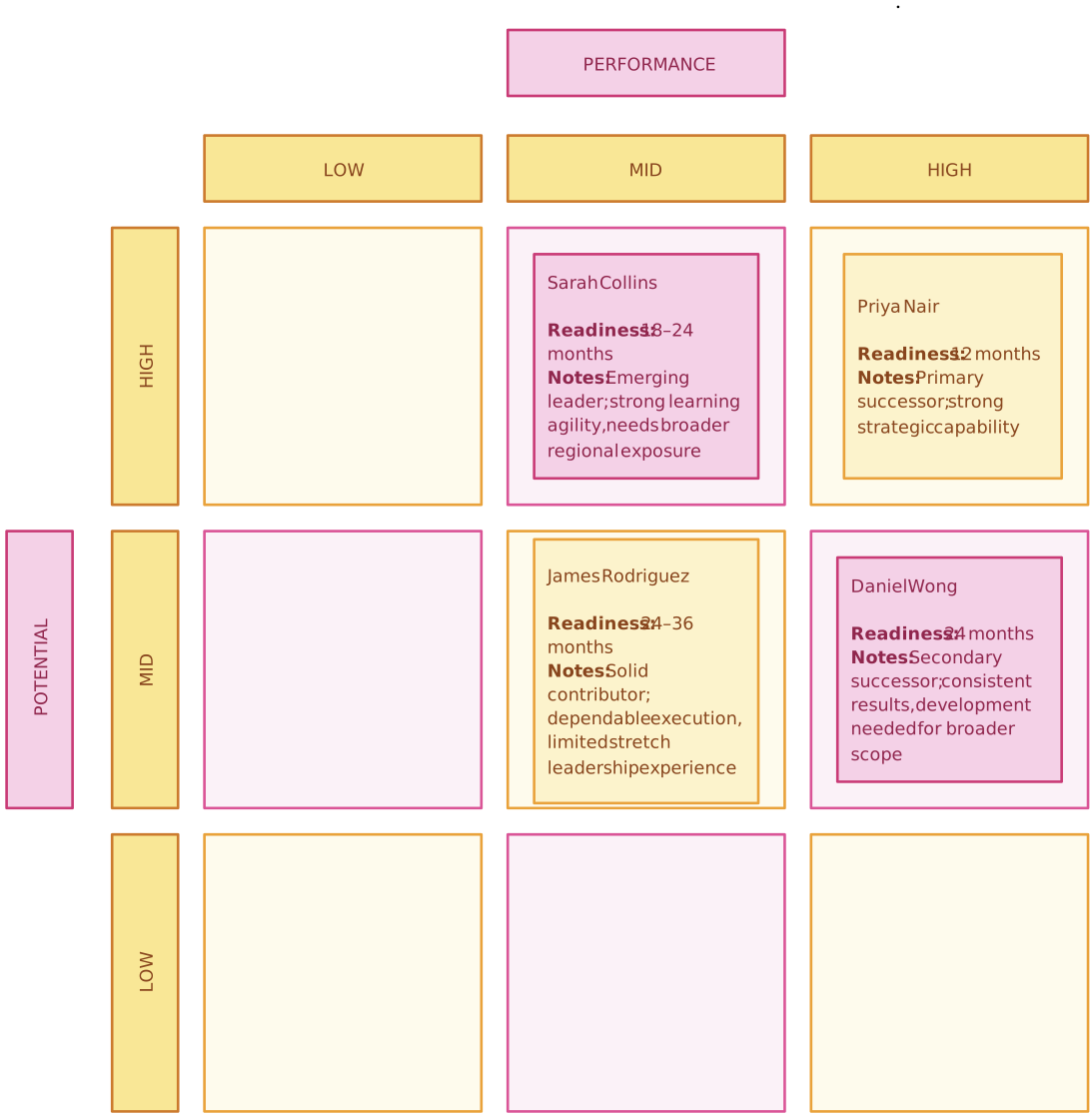
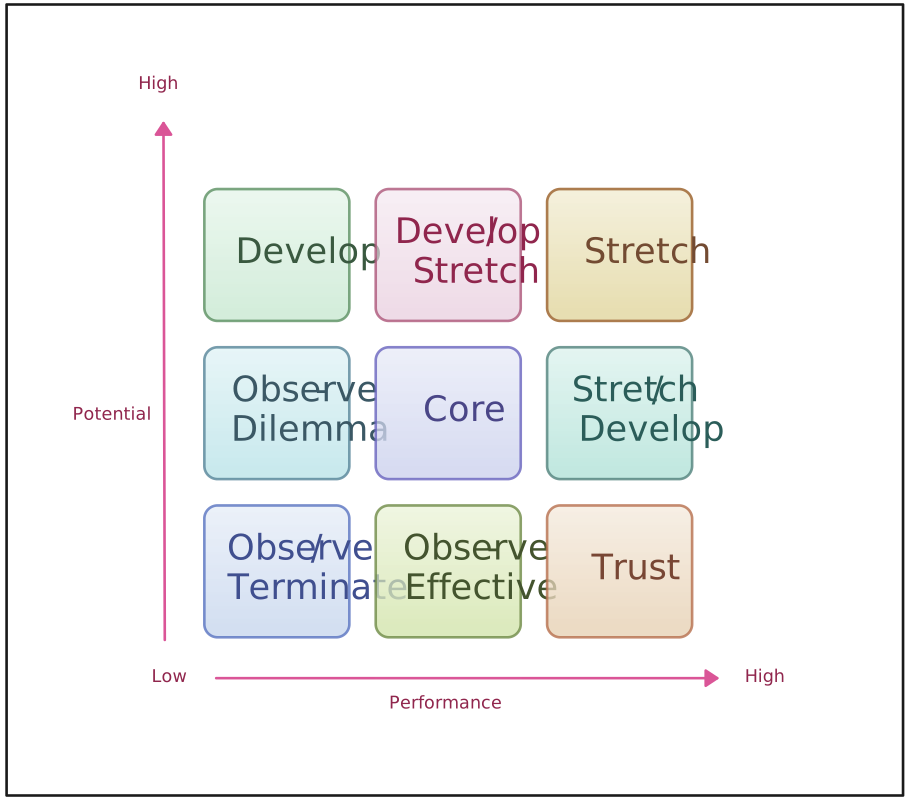
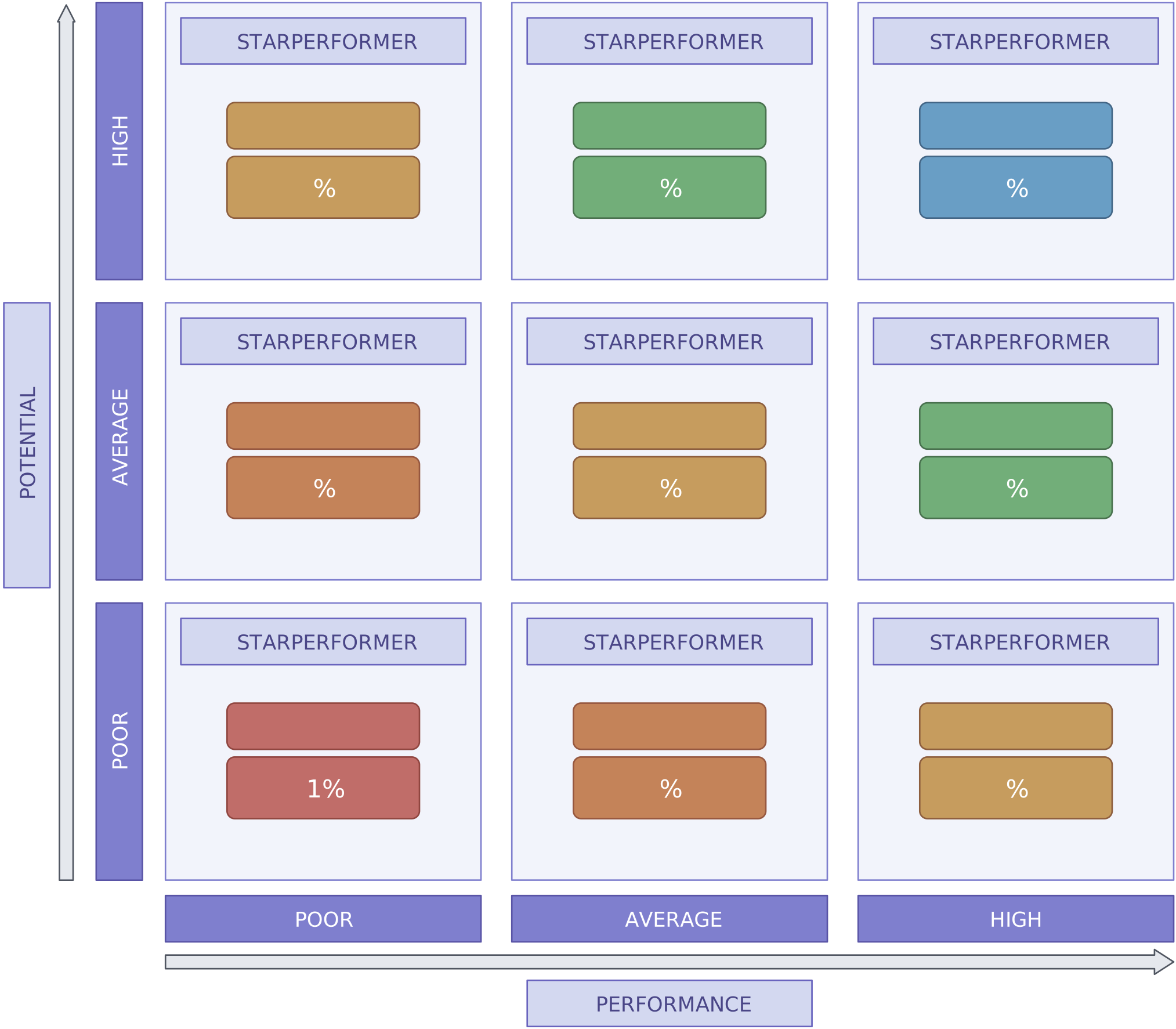
This example shows how an enterprise team uses a 9-box grid to assess potential successors by mapping performance and potential side by side. It captures readiness timelines, primary and secondary successors, and development notes for each candidate, giving leaders a clear, comparable view of succession risk and bench strength for critical roles.
Family Business Succession Planning
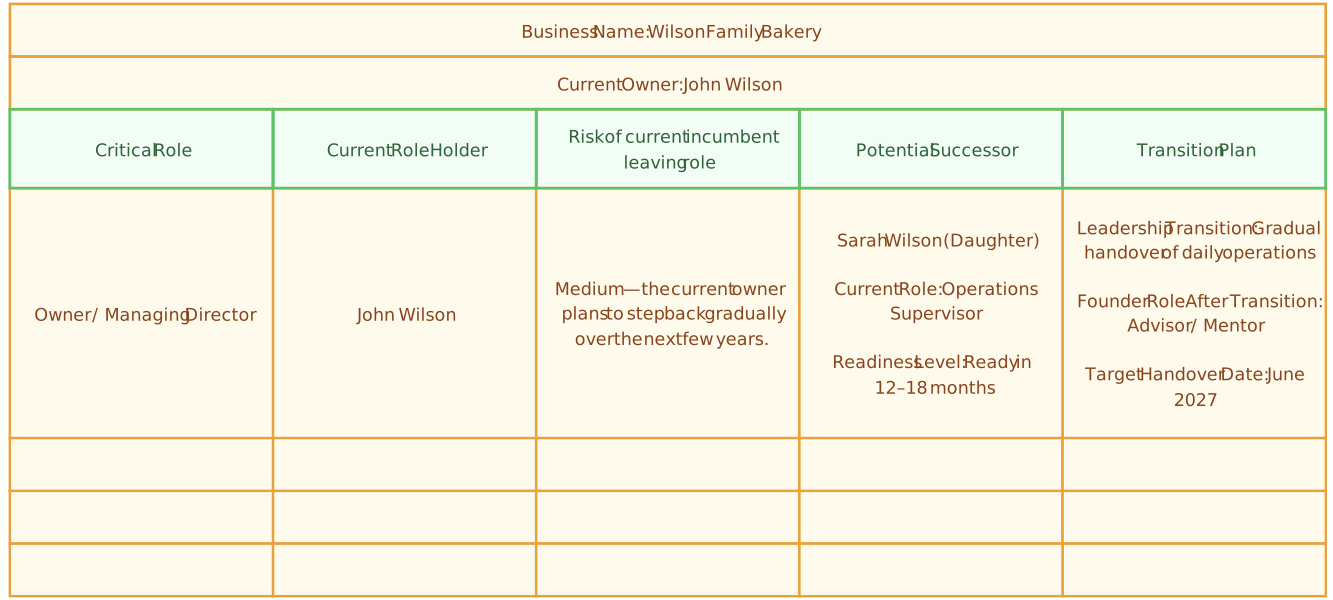
This example outlines a real-world succession scenario, capturing key details such as the current owner, critical leadership role, successor readiness, and transition risk. It documents a phased handover plan, defines the founder’s post-transition role, and sets a clear timeline, providing a practical view of how leadership continuity is planned in a family-owned business.
CEO Succession Planning
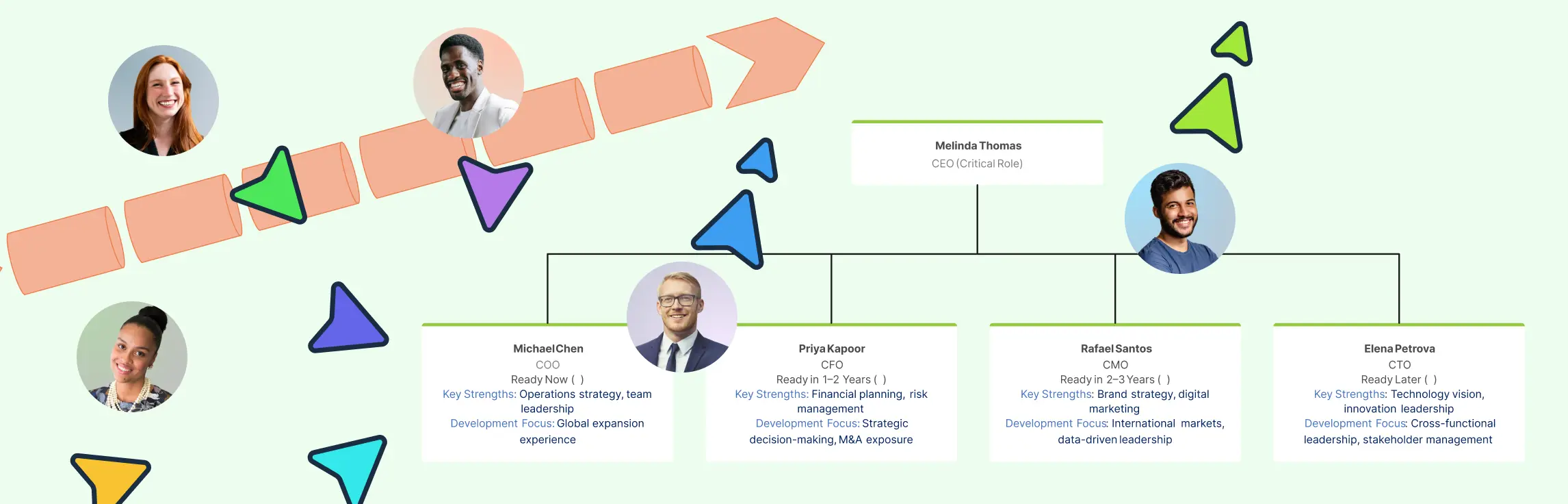
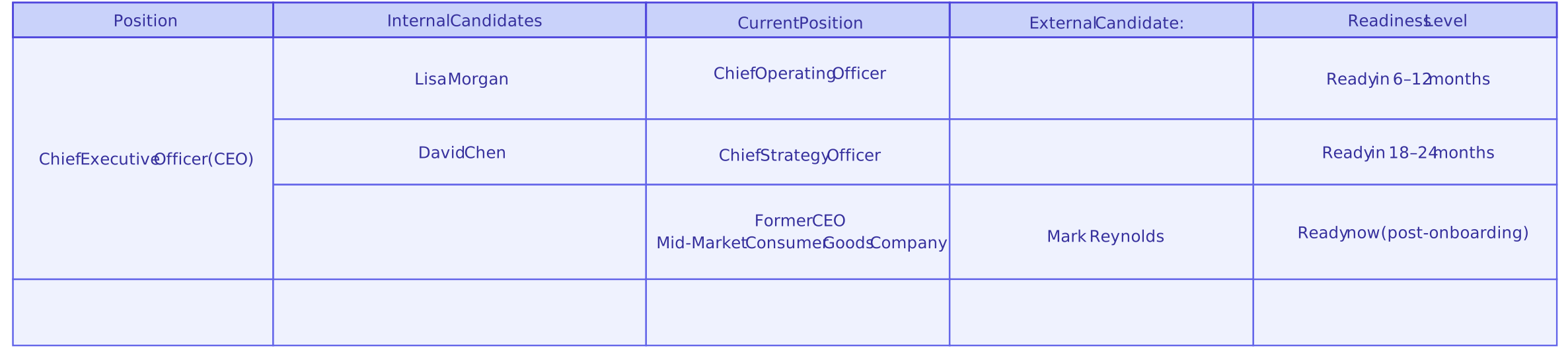
This example provides a structured way to plan for one of the most critical leadership transitions in an organization. It helps document internal and external CEO successor options, assess readiness over short- and long-term horizons, and compare candidates in a clear, objective manner. By capturing succession scenarios for both planned and unexpected transitions, the template supports informed board-level discussions, reduces leadership risk, and ensures the organization is prepared to maintain stability and strategic direction during times of change.
Together, these real-life examples highlight how structured succession planning creates clarity, reduces risk, and strengthens leadership continuity, no matter the size or complexity of the organization. To go deeper, explore our succession planning best practices guide, which outlines common pitfalls to avoid, shows how succession strategies vary by role and organization size, and highlights the strategic priorities to focus on as succession planning matures over time.
Free Succession Planning Templates to Get Started


Helpful Resources for Succession Planning
Discover real-world succession planning examples for different use cases.
Learn how the talent review is done for 9-Box grid framework in succession planning.
Learn what the 9-Box grid framework is and how it is used for succession planning.
Learn about the differences between replacement planning and succession planning.
FAQs on Succession Planning System
How is succession planning strategy different from a succession plan?
What challenges can arise from a lack of a succession planning strategy?
How does a succession planning strategy impact employee retention?
What roles should be included in a succession plan?
How is succession planning different from replacement planning?
Is succession planning strategy only relevant for large organizations?
Resources
Ali, Zulqurnain, and Aqsa Mehreen. “Understanding Succession Planning as a Combating Strategy for Turnover Intentions.” Journal of Advances in Management Research, vol. 16, no. 2, 23 Apr. 2019, pp. 216–233, https://doi.org/10.1108/jamr-09-2018-0076.
Hills, Angela. “Succession Planning – or Smart Talent Management?” Industrial and Commercial Training, vol. 41, no. 1, 30 Jan. 2009, pp. 3–8, https://doi.org/10.1108/00197850910927697.