Creating a winning product marketing strategy is crucial for ensuring your product stands out and reaches the right audience. Statistics show that 95% of new products fail to make a significant impact in the market, largely due to inadequate marketing strategies and a lack of understanding of customer needs and market trends. Furthermore, successful product launches have a 40% higher success rate when backed by a well-structured product marketing plan.
A good product marketing strategy helps you highlight what makes your product unique and ensures that your marketing efforts are aligned with customer needs and market conditions. This guide will walk you through the key steps to build an effective product marketing strategy that drives results and avoids common pitfalls.
What is a Product Marketing Strategy?
A product marketing strategy is a detailed plan designed to help you promote and sell your product successfully. It starts by outlining how you will connect with your target customers, which involves figuring out where they are and how to reach them. You’ll decide on the key messages that will capture their attention and choose the best channels to deliver those messages, such as social media, email, or advertising.
The product marketing strategy also involves understanding your market thoroughly. This means researching who your potential customers are, what they need, and what they are interested in. It helps you define what makes your product unique and valuable compared to others in the market. By setting clear goals, such as increasing sales or growing your customer base, you can measure your success and stay on track.
Overall, a well-crafted product marketing strategy focuses your efforts on what will attract and engage your customers. It ensures that every aspect of your marketing is aligned with your goals, leading to better sales results and a stronger, more recognizable brand.


Key Elements of a Successful Product Marketing Strategy
The key elements of a product marketing strategy include:
1. Market insights
Gather detailed information about your target customers, including their needs and behaviors, and analyze the competition to find opportunities to stand out.
2. Product value proposition
Clearly define what makes your product unique and valuable. Highlight its distinct features and emphasize how it benefits customers.
3. Target audience
Segment your market and create buyer personas to focus your marketing efforts on the right audience, tailoring your approach to meet their needs.
4. Brand positioning
Determine how you want your product to be perceived in the market, and develop consistent messaging that clearly communicates its value.
5. Marketing channels
Choose the most effective platforms to reach your audience, such as social media or email, and ensure consistent messaging across all channels.
6. Goals and metrics
Set specific, measurable goals aligned with your business objectives. Track key performance indicators (KPIs) to evaluate your success.
7. Action plan
Outline the tactics and campaigns you will use, including steps, resources, and a timeline, to ensure your marketing efforts are organized and effective with an action plan.
8. Measurement and optimization
Regularly review performance data to assess what’s working. Make adjustments to improve your product marketing strategy and achieve better results.
Importance of a Product Marketing Strategy
A product marketing strategy helps you reach the right customers and sell your product successfully. It focuses your efforts, uses resources wisely, and strengthens your brand, leading to more sales and business growth.
Guides effective product promotion
A product marketing strategy outlines the best ways to showcase your product to your target audience. It helps you craft promotional messages and choose methods that will grab attention and make your product stand out. This ensures your marketing efforts are effective and reach people who are interested in what you have to offer.
Focuses on the right customers
The product marketing strategy helps you identify and connect with the customers who are most likely to buy your product. By understanding their needs and preferences, you can tailor your marketing messages to speak directly to them. This means your promotions are more relevant and likely to engage potential buyers.
Ensures efficient use of resources
The product marketing strategy helps you identify and connect with the customers who are most likely to buy your product. By understanding their needs and preferences, you can tailor your marketing messages to speak directly to them. This means your promotions are more relevant and likely to engage potential buyers.
Prevents missed opportunities
Having a well-defined product marketing strategy helps you cover all possible marketing channels and tactics. This way, you don’t miss out on important opportunities to reach potential customers. By planning ahead, you can make sure you’re using every available option to promote your product effectively.
Boosts sales
A well-crafted product marketing stratey strategy highlights the unique benefits of your product in a way that appeals to customers. It helps you create compelling messages that make your product look attractive compared to competitors. This can lead to increased sales as more customers choose your product over others.
Supports business growth
A strong product marketing strategy not only drives sales but also helps expand your market presence. By increasing sales and capturing a larger share of the market, your business can grow and achieve long-term success. Effective marketing supports overall business development and helps you reach new customers.
Builds a stronger brand
Consistent and effective marketing helps establish a strong brand identity. By delivering a clear and unified message across all marketing channels, you make your product more recognizable and trustworthy. This helps build a positive reputation and fosters customer loyalty, making your brand stand out in the market.
How to Create a Product Marketing Strategy
Follow these steps to create a strong product marketing strategy that effectively promotes your product and drives business growth.
Step 1: Understand your market
Start by conducting thorough market research. This involves gathering information about your potential customers—understand their needs, preferences, and buying behaviors. Use surveys, focus groups, and market analysis tools to get detailed insights. Look for gaps in the market that your product can fill. This comprehensive understanding helps you spot opportunities and tailor your product marketing strategy to better meet the needs of your target audience.

Step 2: Study your competitors
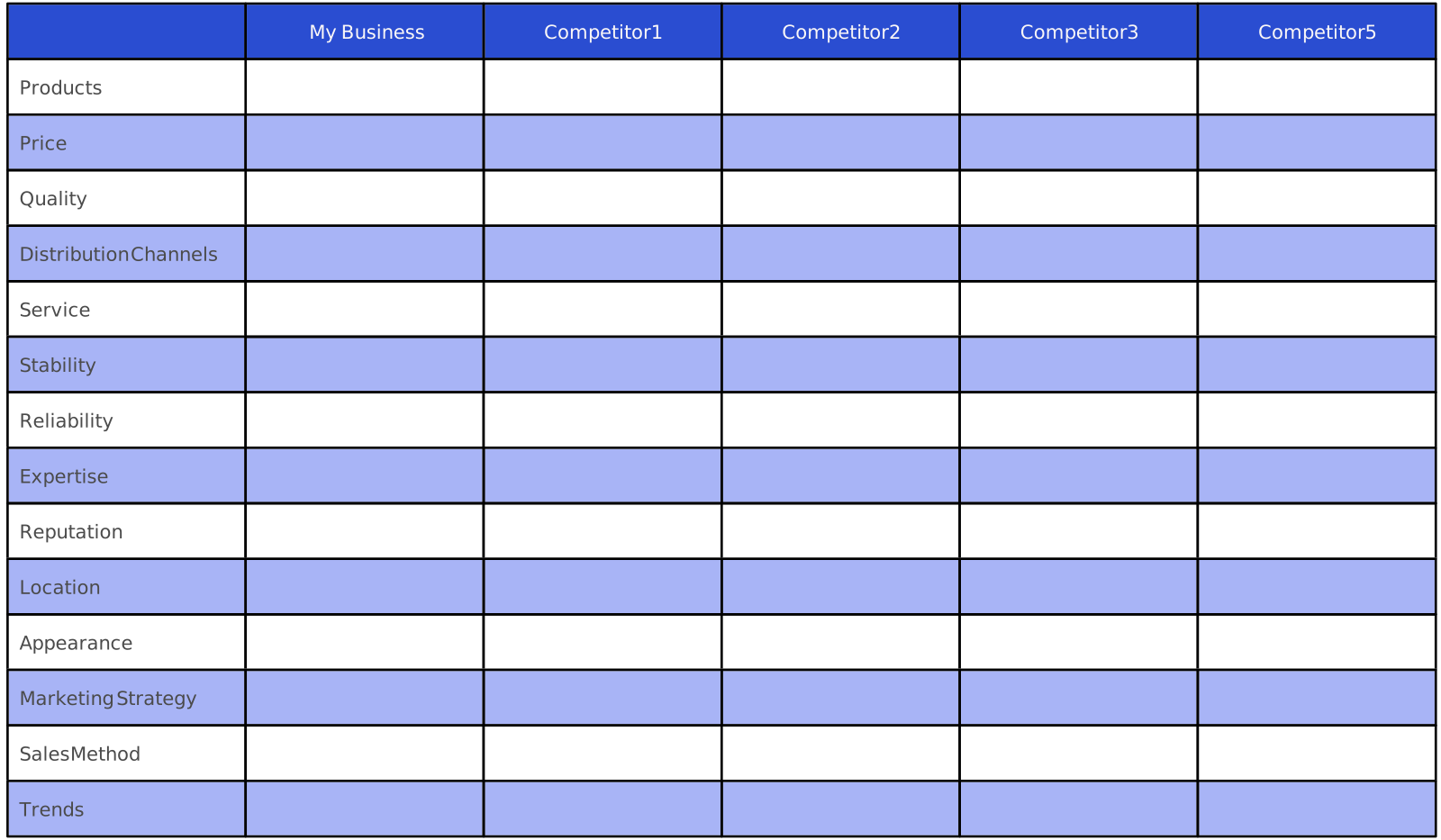
Analyze your competitors to understand their products, marketing strategies, strengths, and weaknesses. Look at their pricing, customer reviews, and market positioning. Identify gaps in the market that your product can fill, and find ways to differentiate your offering. This analysis helps you stay competitive and informs your own product marketing strategy.
Step 2: Define your unique value proposition
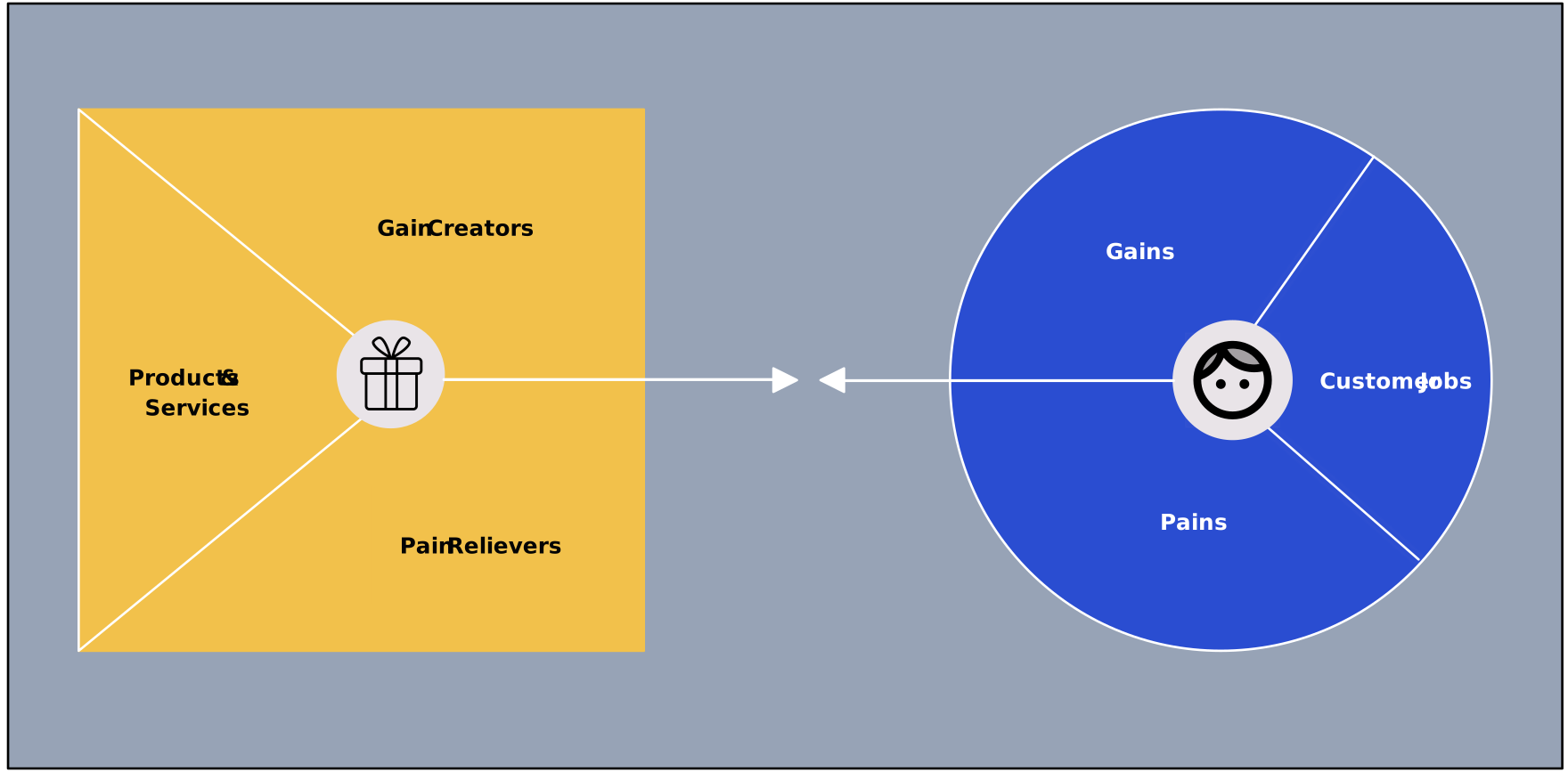
Your unique value proposition (UVP) is what makes your product stand out from the competition. Clearly define what differentiates your product and why customers should choose it over others. Focus on the key benefits and features that are unique to your product. For example, if your product offers a solution that no other competitor provides, highlight this as your UVP. Your UVP should be clear and compelling, providing a strong reason for customers to prefer your product.
Step 3: Identify your target audience
Determine who your ideal customers are by segmenting your audience based on various factors such as age, location, interests, and buying behavior. Create detailed profiles, known as buyer personas, that represent these different segments. Each persona should include information about their demographics, motivations, and challenges. This allows you to tailor your marketing messages and strategies to address the specific needs and preferences of each segment, making your marketing efforts more effective and personalized.

Step 4: Position your product
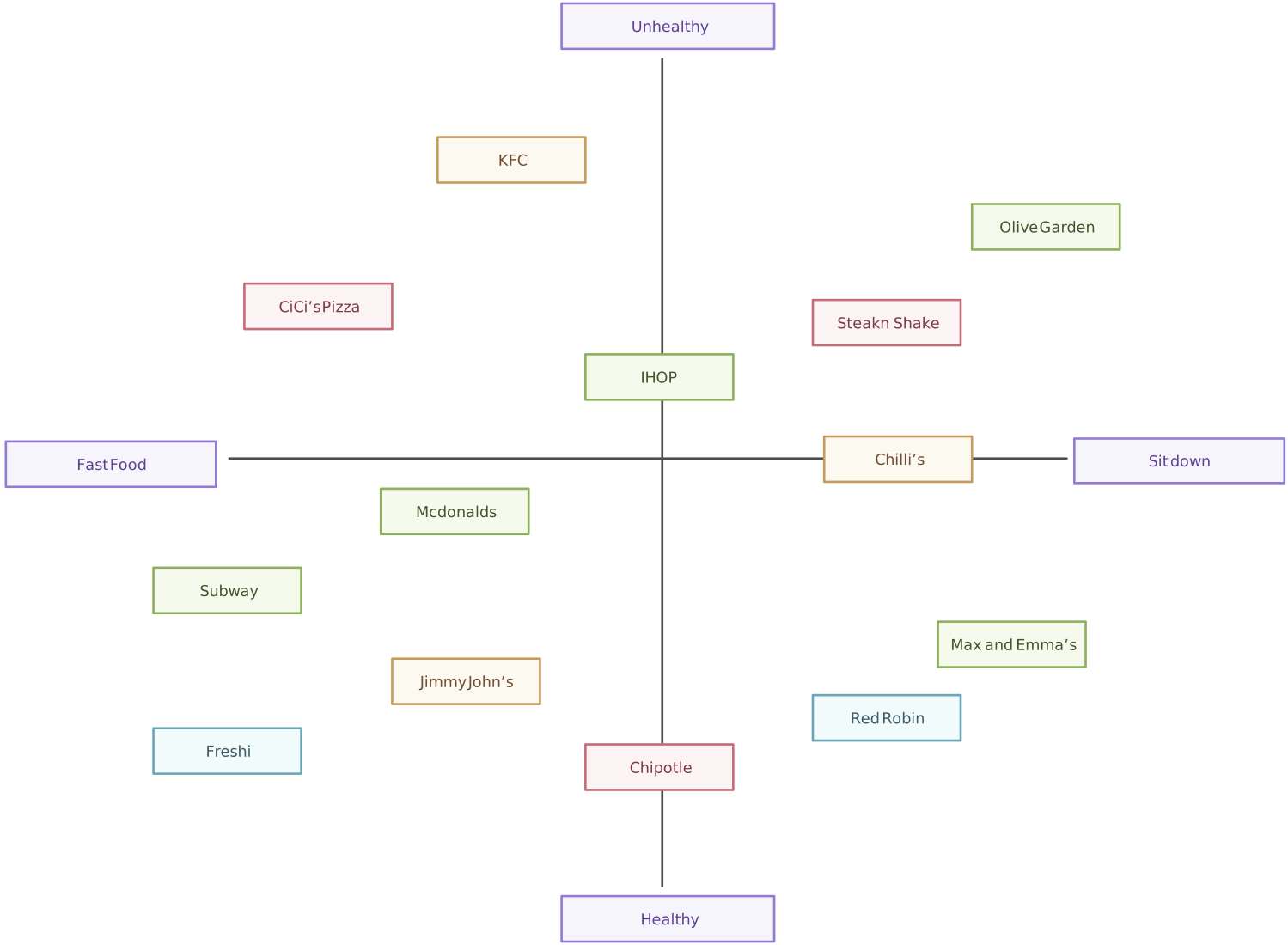
Decide how you want your product to be perceived in the market. Product positioning involves crafting a clear and compelling image of your product in the minds of customers. Develop messaging that emphasizes the unique benefits and features of your product, and ensure it aligns with your brand identity. For instance, if your product is known for its eco-friendly design, position it as the environmentally responsible choice. Consistency in messaging across all marketing channels helps reinforce this position and ensures that your brand’s image remains coherent and strong.
Step 5: Choose your marketing channels
Select the marketing channels that are most effective for reaching your target audience. Consider options like social media, email marketing, content marketing, and online advertising. Evaluate where your audience spends their time and how they prefer to receive information. For example, if your target audience is active on social media, focus on platforms like Instagram or Facebook. Using a mix of channels can help you reach a broader audience and increase the chances of engaging potential customers.
Step 6: Set your goals and metrics
Establish clear and measurable goals for your marketing efforts. These goals could include increasing brand awareness, driving more traffic to your website, or boosting sales. Define key performance indicators (KPIs) to track your progress. For example, KPIs might include the number of website visits, conversion rates, or social media engagement metrics. Setting specific targets and regularly measuring your performance helps you assess the effectiveness of your product marketing strategy and make data-driven decisions.
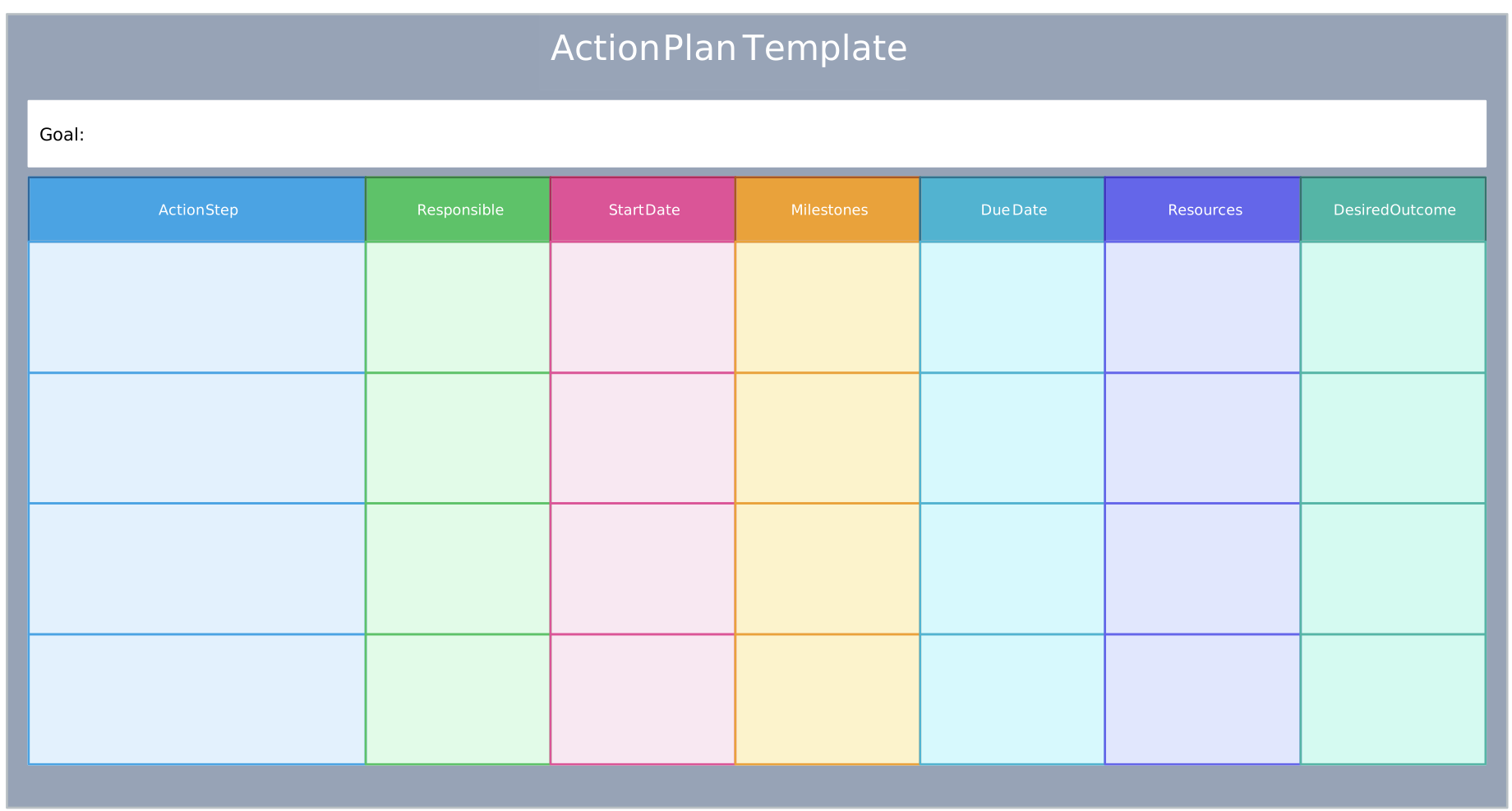
Step 7: Create an action plan
Develop a detailed action plan that outlines the specific tactics and activities you will use to achieve your marketing goals. Include details such as campaign schedules, budgets, and task assignments. Break down the plan into manageable steps and assign responsibilities to team members. Ensure that everyone involved understands their role and deadlines. A well-organized action plan helps ensure that your product marketing strategy is executed efficiently and effectively.
Step 8: Launch and monitor your strategy
Implement your marketing campaigns according to the action plan. Once your campaigns are live, continuously monitor their performance by tracking your KPIs and collecting feedback from customers. Use analytics tools to measure the effectiveness of your marketing efforts and identify areas for improvement. Regular monitoring helps you understand what is working well and what may need adjustment.
Step 9: Optimize and adjust
Based on the data and feedback you gather, make adjustments to your marketing strategy to enhance its effectiveness. This might involve tweaking your messaging, changing your marketing channels, or adjusting your target audience. Be flexible and ready to make changes to improve results over time. Optimization is an ongoing process that helps you stay responsive to market changes and continuously refine your strategy for better performance.
Proactive vs. Reactive Product Marketing Strategies
In product marketing, being proactive or reactive refers to how you handle your marketing efforts and respond to changes in the market. Here’s a simple breakdown:
| Proactive product marketing strategy | Reactive product marketing strategy |
|---|---|
| Planning ahead: Proactive strategies involve anticipating market trends and customer needs before they become apparent. You plan your marketing activities in advance, based on research and predictions. Anticipating challenges: You identify potential challenges and opportunities early on and develop strategies to address them. This approach allows you to stay ahead of the competition. Innovating: By being proactive, you can introduce new features or products that meet emerging needs and differentiate your brand. Examples: Launching a marketing campaign before a product release, creating content based on predicted industry trends, or preparing for seasonal changes in customer behavior. | Responding to events: Reactive product marketing strategies involve responding to events and changes in the market as they happen. You adjust your marketing efforts based on current situations rather than planning far ahead. Handling issues: You react to challenges and opportunities that arise unexpectedly. This approach can help you address immediate concerns but might put you behind if not managed well. Adapting quickly: Being reactive allows you to adjust your tactics based on real-time feedback and market conditions, but it can sometimes lead to missed opportunities. Examples: Changing a marketing campaign in response to a competitor’s new product, adjusting pricing based on sudden market shifts, or addressing negative customer feedback as it arises. |
How to Measure the Success of Your Product Marketing Strategy
Measuring the success of your product marketing strategy is essential to ensure your efforts are on track and delivering the desired results. A successful strategy should increase sales, boost brand awareness, and strengthen customer loyalty.
1. Sales performance
One of the most straightforward ways to measure success is by looking at your sales numbers. Are you seeing an increase in sales since launching your marketing strategy? Track your revenue, the number of units sold, and changes in your market share. If sales are growing, it’s a sign your strategy is reaching the right audience and convincing them to buy your product. If sales are stagnant or decreasing, it may indicate the need for adjustments.
2. Customer engagement
Customer engagement measures how interested your audience is in your product and marketing efforts. This can include tracking website visits, time spent on your product page, social media likes, comments, shares, and email open or click-through rates. High levels of engagement mean that your marketing messages are resonating with your target audience, driving them to interact with your content.
3. Customer acquisition cost (CAC)
Customer acquisition cost refers to how much you spend to gain each new customer. To calculate it, divide your total marketing expenses by the number of new customers acquired during a specific period. A lower CAC is a sign that your marketing is effective and efficient, bringing in new customers without overspending.
4. Conversion rate
Conversion rate is the percentage of people who take a desired action, such as making a purchase, signing up for a trial, or downloading an app. By analyzing your conversion rate, you can see how well your marketing is turning interested visitors into actual customers. A higher conversion rate indicates that your strategy is persuasive and compelling, leading people to take action.
5. Customer retention rate
While acquiring new customers is important, retaining existing ones is crucial for long-term success. Your customer retention rate tells you how many customers continue to buy from you after their initial purchase. High retention rates suggest your product is satisfying customers, and they’re coming back for more, which reflects positively on both your product and your marketing efforts.
6. Brand awareness
Measuring how well-known your brand has become is another key indicator of success. Brand awareness can be tracked by monitoring social media mentions, search engine trends, surveys, and how often your product is discussed online or in industry conversations. An increase in brand awareness shows that your marketing is successfully spreading the word about your product.
7. Return on investment (ROI)
Return on investment (ROI) is a key metric for understanding whether your marketing efforts are financially worthwhile. To calculate ROI, subtract your marketing costs from your total revenue, and then divide that number by the marketing costs. A high ROI means your strategy is generating more revenue than it costs, indicating a positive impact on your bottom line.
8. Net Promoter Score (NPS)
Net Promoter Score (NPS) measures customer satisfaction and loyalty by asking how likely customers are to recommend your product to others. NPS is based on a simple survey, where customers rate their likelihood to recommend on a scale of 1 to 10. A high NPS means your customers are happy with your product and are willing to spread the word, which can lead to organic growth through word-of-mouth marketing.
9. Product feedback and reviews
Customer feedback, product reviews, and ratings offer valuable insight into how your product is perceived. Positive reviews signal that your product is meeting customer expectations, while negative reviews can highlight areas for improvement. Regularly monitoring feedback helps you understand the strengths and weaknesses of both your product and your marketing approach.
10. Market share growth
Market share measures how much of the market your product occupies compared to competitors. If your market share is increasing, it’s a clear sign that your product marketing strategy is helping you outperform competitors and gain a stronger foothold in the market.
Product Marketing Strategy Examples
These examples show how companies use various strategies and tactics to effectively market their products. Each strategy is tailored to the product’s unique attributes and the needs of its target audience.
Apple’s iPhone launch
Strategy: Apple’s iPhone launch uses a premium positioning strategy for its iPhone, focusing on cutting-edge technology and sleek design.
Tactics:
- Product positioning: Emphasizes innovation and luxury.
- Marketing channels: Utilizes high-profile launch events, extensive media coverage, and strong social media presence.
- Unique value proposition: Highlighting superior technology, design, and user experience.
Tesla’s electric vehicles
Strategy: Tesla markets its electric vehicles as high-performance, eco-friendly alternatives to traditional cars.
Tactics:
- Product positioning: Focuses on sustainability and advanced technology.
- Marketing channels: Uses social media, word-of-mouth, and direct-to-consumer sales.
- Unique value proposition: Emphasizes cutting-edge technology, environmental benefits, and high performance.
Nike’s “Just Do It” campaign
Strategy: Nike’s ‘Just Do It” campaign encourages personal achievement and motivation through its products.
Tactics:
- Product positioning: Positions products as tools for empowerment and personal success.
- Marketing channels: Relies on impactful advertising, endorsements by athletes, and social media engagement.
- Unique value proposition: Inspires customers with a message of perseverance and athletic excellence.
Coca-cola’s share a coke campaign
Strategy: Coca-Cola personalized its product to create a connection with consumers.
Tactics:
- Product positioning: Focuses on personalization and social connections.
- Marketing channels: Used in-store promotions, social media campaigns, and interactive websites.
- Unique value proposition: Creates a personal and memorable experience by replacing Coca-Cola’s logo with popular names.
Dropbox’s freemium model
Strategy: Dropbox attracts users with a free tier and upsells to premium features.
Tactics:
- Product positioning: Provides a simple and effective solution for file storage and sharing.
- Marketing channels: Relies on word-of-mouth, referral incentives, and online advertising.
- Unique value proposition: Offers a basic free version to attract users and then promotes advanced features for a fee.
Challenges to Building a Successful Product Marketing Strategy
Creating an effective product marketing strategy involves overcoming several challenges. Understanding these difficulties can help you address them and build a stronger strategy.
1. Understanding the market
Getting a clear picture of the market can be tough. You need to learn about your customers’ needs, preferences, and behaviors, which requires thorough research. Identifying competitors and their strengths and weaknesses can also be challenging.

2. Defining unique value
Clearly defining what makes your product unique is crucial. It can be hard to pinpoint exactly what sets your product apart and why customers should choose it over others. This requires a deep understanding of your product and how it benefits your customers.
3. Identifying target audience
Finding the right audience for your product can be difficult. You need to segment your audience based on various factors like age, interests, and buying habits. Creating accurate buyer personas that represent these groups requires detailed analysis.

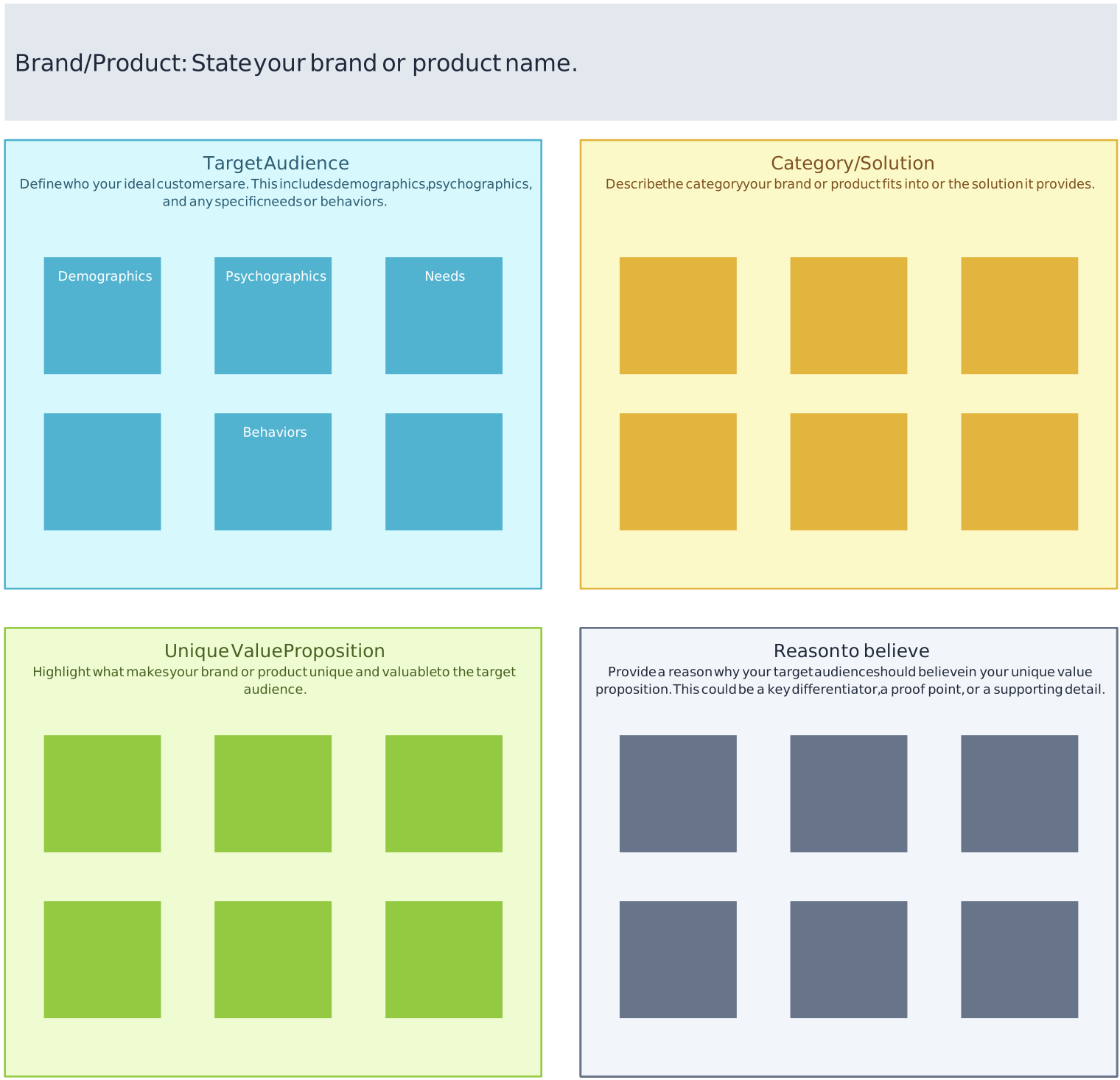
4. Positioning the product
Deciding how to position your product in the market can be tricky. You need to craft a message that clearly communicates your product’s benefits and fits with your brand identity. Ensuring this message is consistent across all marketing channels is also a challenge.
5. Choosing the right channels
Selecting the best marketing channels to reach your audience can be overwhelming. There are many options available, like social media, email, and advertising. You need to choose channels where your target audience spends their time and prefers to receive information.
6. Setting realistic goals
Establishing clear and achievable goals for your marketing efforts can be challenging. You need to set specific targets and determine how you’ll measure success. This involves choosing the right key performance indicators (KPIs) and tracking them accurately.
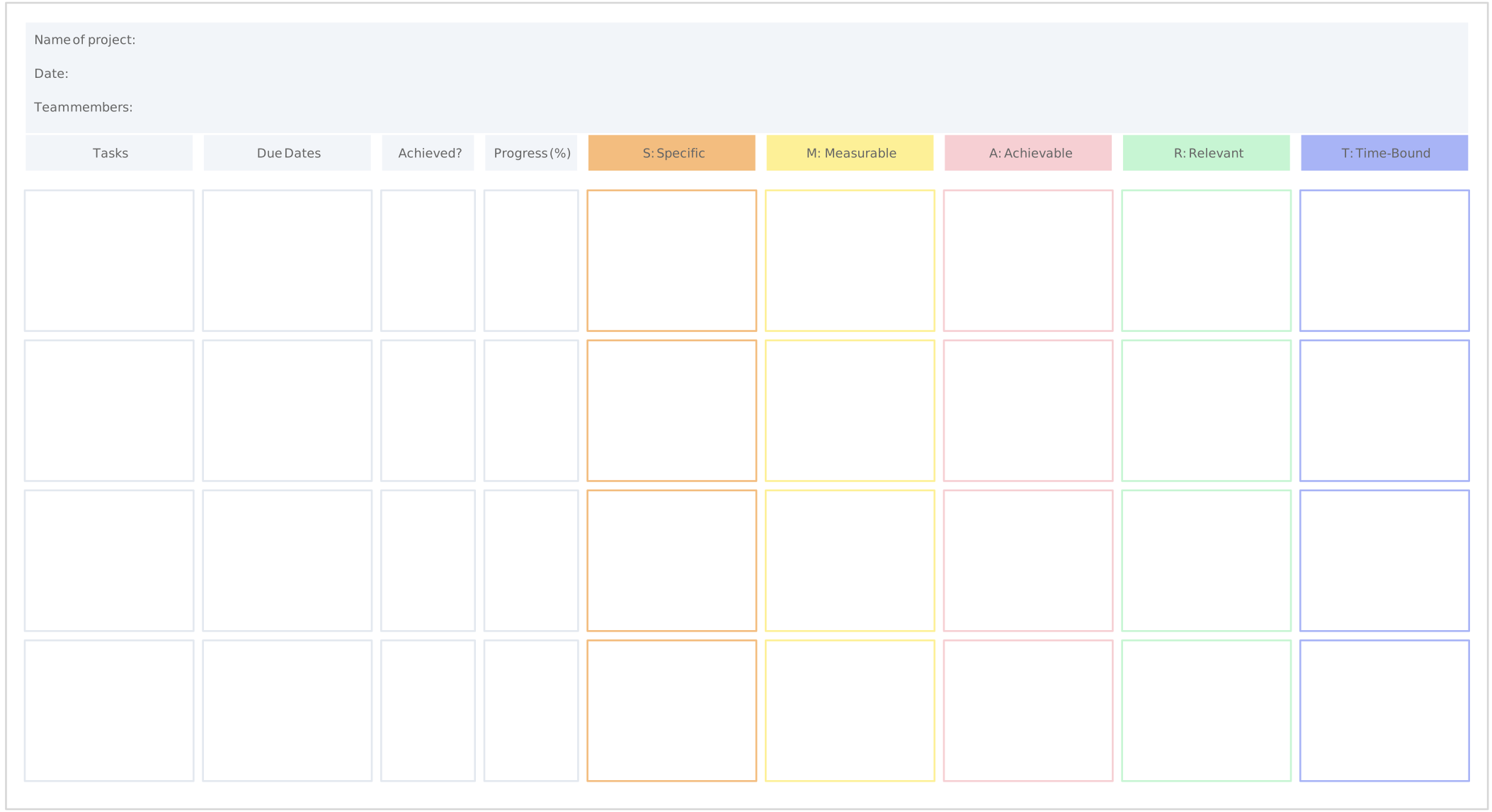
7. Creating an action plan
Developing a detailed action plan involves outlining specific tactics, setting timelines, and assigning tasks. It can be difficult to ensure that every aspect of the plan is organized and that everyone involved knows their role.
8. Monitoring and adjusting
Regularly monitoring your strategy’s performance and making adjustments based on data can be challenging. You need to track various metrics, gather feedback, and be willing to make changes to improve results.
Using Creately to Create Your Product Marketing Strategy
Creating a product marketing strategy involves many moving parts, from defining your market to setting clear goals. Using Creately, you can streamline this process with its powerful features designed to make strategy development easier and more collaborative. Here’s how Creately can help you build and refine your product marketing strategy effectively.
Visual diagrams
Creately lets you create clear diagrams to map out your product marketing strategy. You can design visual representations of your market analysis, customer journey, and competitive landscape, helping you see all aspects of your strategy at a glance.
Templates for marketing strategies
The tool offers ready-made templates for various aspects of product marketing, like SWOT analyses and customer personas. These templates provide a structured format, so you can quickly fill in details without starting from scratch.
Real-time collaboration
Creately allows multiple team members to work on the same diagram simultaneously. This feature makes it easy for your team to brainstorm, make updates, and provide feedback in real time, ensuring everyone is on the same page.Creately’s commenting tools let you and your team discuss specific parts of the diagrams directly within the platform. This makes it easy to provide feedback, suggest changes, and communicate effectively.
Integration with other tools
You can integrate Creately with tools like Google Drive, Slack, and Microsoft Teams. This makes it easy to share your marketing strategy and keep your team updated on changes and progress.
Export options
Once you’ve finished creating your diagrams, you can export them in various formats like PDF, PNG, or SVG. This allows you to include your strategy in reports, presentations, or other documents.
Interactive presentations
Create interactive presentations directly from your diagrams. This feature allows you to showcase your marketing strategy in a dynamic format, making it easier to present and explain to stakeholders.
Data import and export
Import data from spreadsheets or other sources to populate your diagrams automatically. This feature saves time and ensures that your diagrams reflect the most current data.
Task management
Create and assign tasks within your diagrams to keep track of individual responsibilities and deadlines. This feature helps ensure that everyone on your team knows what they need to do and by when. Use Gantt charts and timeline views to plan and visualize the schedule for your marketing campaigns and initiatives. This helps you manage project timelines effectively and keep all tasks on track.
Wrapping up
Creating a successful product marketing strategy is essential for effectively promoting and selling your product. By understanding your market, defining your unique value proposition, identifying your target audience, and positioning your product strategically, you set a strong foundation for your marketing efforts. Choosing the right marketing channels, setting clear goals, and developing a detailed action plan ensure that your product marketing strategy is actionable and measurable.
Regular monitoring and optimization are key to adapting your product marketing strategy based on performance and feedback, helping you stay responsive to market changes and improve results over time. With a well-crafted product marketing strategy, you can boost sales, support business growth, and build a stronger, more recognizable brand.