A successful product launch strategy can make all the difference between a product that thrives and one that struggles to get noticed. Whether you’re introducing a new product to the market or revamping an existing one, having a well-thought-out launch plan is key to creating buzz, reaching the right audience, and achieving your business goals.
In this guide, we’ll walk you through everything you need to know about crafting a winning product launch plan. From preparing your team and refining your messaging to choosing the right marketing channels, this step-by-step guide will help you ensure your product launch is smooth, impactful, and set up for long-term success.
What is a Product Launch Strategy?
A product launch strategy is a comprehensive plan that outlines the steps you’ll take to introduce a new product to the market. It’s more than just a marketing campaign — it’s a coordinated effort that involves your entire team, from product development to sales and customer support. The strategy defines your target audience, the messaging you’ll use to communicate your product’s value, and the specific goals you aim to achieve, such as sales targets or brand awareness.
A strong product launch strategy also covers the timing of your launch, ensuring that your product reaches the market when demand is high, and competition is manageable. It includes the selection of marketing channels like social media, email campaigns, PR efforts, and partnerships, making sure you reach your ideal customers. By carefully planning each step, you can build excitement, create a lasting first impression, and set your product up for long-term success.
Why is a Product Launch Strategy Important?
A product launch strategy is important because it helps you introduce your product in a way that grabs attention and builds excitement. Without a plan, even a great product can get lost in a crowded market. Here are some benefits of a product launch strategy that you need to know.
- Clear direction: A product launch strategy provides a roadmap, helping you stay organized and focused on your goals. It ensures that everyone on your team knows their role and what needs to be done.
- Targeted marketing: With a strategy in place, you can identify and reach the right audience. This means your marketing efforts are more likely to connect with potential customers who are interested in your product.
- Builds anticipation: A well-planned launch creates excitement and buzz around your product. This helps generate interest and can lead to higher sales when your product hits the market.
- Minimizes risks: A strategy helps you anticipate potential challenges and address them before they become bigger problems. This allows for a smoother launch and reduces the chances of unexpected issues.
- Improved coordination: A clear plan makes sure that different departments, like marketing, sales, and customer support, are working together seamlessly. This results in a more unified and successful launch.
- Better use of resources: A strategy ensures that your budget and time are used efficiently. By focusing on the most effective marketing channels and tactics, you can maximize the return on your investment.
- Long-term growth: A strong product launch sets the stage for future success. By starting off with a solid plan, you can build a loyal customer base, increase brand awareness, and create momentum for long-term growth.
Types of Product Launches
There are three types of product launches—soft, minimal, and full-scale— and companies can select the approach that best aligns with their product, goals, and market conditions. Each type has its benefits and is suited for different situations, allowing for a tailored strategy that can enhance the chances of success.
Soft launch
A soft launch is a strategy where a product is released to a limited audience before it becomes widely available. This approach allows companies to test the product in real-world conditions and gather valuable feedback.
- Purpose: The main goal is to identify any issues or bugs that need fixing before the full launch. By starting small, companies can make adjustments based on user experiences and feedback.
- Audience: This launch typically targets a specific group, which can include loyal customers, employees, or a particular geographic location. This helps create a controlled environment for testing.
- Benefits: A soft launch minimizes risk. Companies can understand how the product performs in the market without a large-scale commitment. It also allows them to build anticipation for the full launch, as customers may share their positive experiences with others.
- Example: A mobile app might be released in one country first, allowing developers to gather data on user engagement and fix any bugs before launching globally.
Minimal launch
A minimal launch, also known as a minimum viable product (MVP) launch, involves introducing a product with just the essential features needed to satisfy early adopters.
- Purpose: The aim is to get the product to market quickly while still providing enough value to users. This strategy allows companies to validate their idea without extensive development.
- Focus: In a minimal launch, the product is simplified, focusing on core functionalities that solve a specific problem. This means some features may be left out initially, with the plan to add them later based on user feedback.
- Benefits: Launching a minimal product can save time and resources. Companies can start generating revenue and learning from customer interactions early on. Feedback from users helps shape future updates and improvements.
- Example: A startup might release a basic version of a new software tool that includes only the most important features. As users provide feedback, the company can gradually enhance the tool with additional features that meet customer needs.
Full-scale launch
A full-scale launch is when a product is made available to the entire market with a comprehensive marketing campaign to support it.
- Purpose: The goal here is to maximize reach and impact, creating excitement and driving sales from day one. This approach is used when the product is fully developed and tested.
- Marketing efforts: A full-scale launch typically involves significant advertising, promotional events, and public relations efforts to create buzz. Companies may leverage social media, influencers, and traditional media to reach a wide audience.
- Benefits: A full-scale launch aims to generate strong initial sales and establish a product’s presence in the market. It also helps to build brand awareness and credibility.
- Example: A major tech company might announce a new smartphone with a big event, showcasing its features and capabilities. The launch would be supported by advertisements across various channels, aiming to attract customers right away.
Components of an Effective Product Launch Strategy
An effective product launch strategy involves several key components that work together to ensure your product enters the market successfully. Each part plays a crucial role in creating a seamless launch, generating excitement, and reaching your business goals.
- Market research: Understand the market and your competition. Knowing who your competitors are and what customers need will help you position your product effectively.
- Clear goals: Define what success looks like for your launch. Whether it’s hitting specific sales targets or building brand awareness, having clear, measurable goals will guide your efforts.
- Target audience identification: Pinpoint who your ideal customers are. By understanding their preferences, pain points, and behaviors, you can tailor your messaging to resonate with them.
- Strong value proposition: Clearly communicate what makes your product unique. Your value proposition should highlight the benefits of your product and why customers should choose it over alternatives.
- Pricing strategy: Set a price that reflects your product’s value while being competitive. This includes considering factors like production costs, market demand, and competitor pricing.
- Marketing plan: Develop a marketing strategy that outlines the channels you’ll use, such as social media, email campaigns, and paid ads, to promote your product and create buzz before the launch.
- Launch timeline: Create a detailed timeline for all tasks leading up to the launch, including key milestones and deadlines. This helps keep your team on track and ensures everything is ready on time.
- Sales and support preparation: Ensure your sales and customer support teams are fully trained on the product and ready to answer any questions. This ensures a smooth experience for customers once the product is launched.
- Post-launch plan: Have a strategy for ongoing marketing and customer engagement after the product is launched. This can include collecting feedback, running promotions, and continuously improving your product.
Product Launch Strategy vs Product Launch Plan
The terms “product launch strategy” and “product launch plan” are often used interchangeably, but they refer to different aspects of the launch process:
Product launch strategy: This is the big-picture approach. It focuses on the overall goals, target audience, positioning, and the marketing channels you’ll use to introduce your product to the market. A strategy outlines why and how you’ll launch, ensuring that your product stands out, meets customer needs, and achieves business objectives. It’s more about the vision and direction of the launch.
Product launch plan: This is the detailed execution of the strategy. It involves the specific steps and actions you’ll take to bring your product to market. A plan includes timelines, task assignments, budgets, and deadlines. It’s the tactical part of the process, ensuring every aspect of the launch, from pre-launch activities to post-launch follow-ups, is carried out smoothly.
In short, the strategy defines what you aim to achieve and how you’ll position your product, while the plan is about when and what steps to take to make the launch happen successfully.


How to Create a Product Launch Strategy
Creating a product launch strategy is about making sure you have a clear, well-thought-out approach to introducing your product to the market. Here’s how you can create an effective product launch strategy, step by step:
Step 1: Define your product goals
The first step in a product launch strategy is to define your product goals. This means clearly deciding what you want to achieve with your product launch. These goals give you a sense of direction and help you measure success. For example, you might aim to:
- Reach a specific sales number within the first three months.
- Increase brand awareness by growing your online following or getting media attention.
- Build a loyal customer base by gaining new customers or retaining existing ones.
Your goals should be specific and measurable so you can track your progress. Defining clear goals will guide your efforts and ensure that every step in your launch strategy is focused on reaching those targets.
Step 2: Identify your target audience
The next step in your product launch strategy is to analyze your target audience. This means figuring out who your ideal customers are and understanding what they need. Knowing your audience helps you tailor your marketing messages and make sure your product meets their expectations.
To identify your target audience, consider the following:
- Demographics: Look at age, gender, location, and income level. This helps you understand who is most likely to buy your product.
- Interests and behaviors: Think about what your audience enjoys, their hobbies, and how they make purchasing decisions. This information helps you connect with them on a personal level.
- Pain points: Identify the challenges or problems your potential customers face that your product can solve. Understanding these pain points allows you to highlight the benefits of your product effectively.
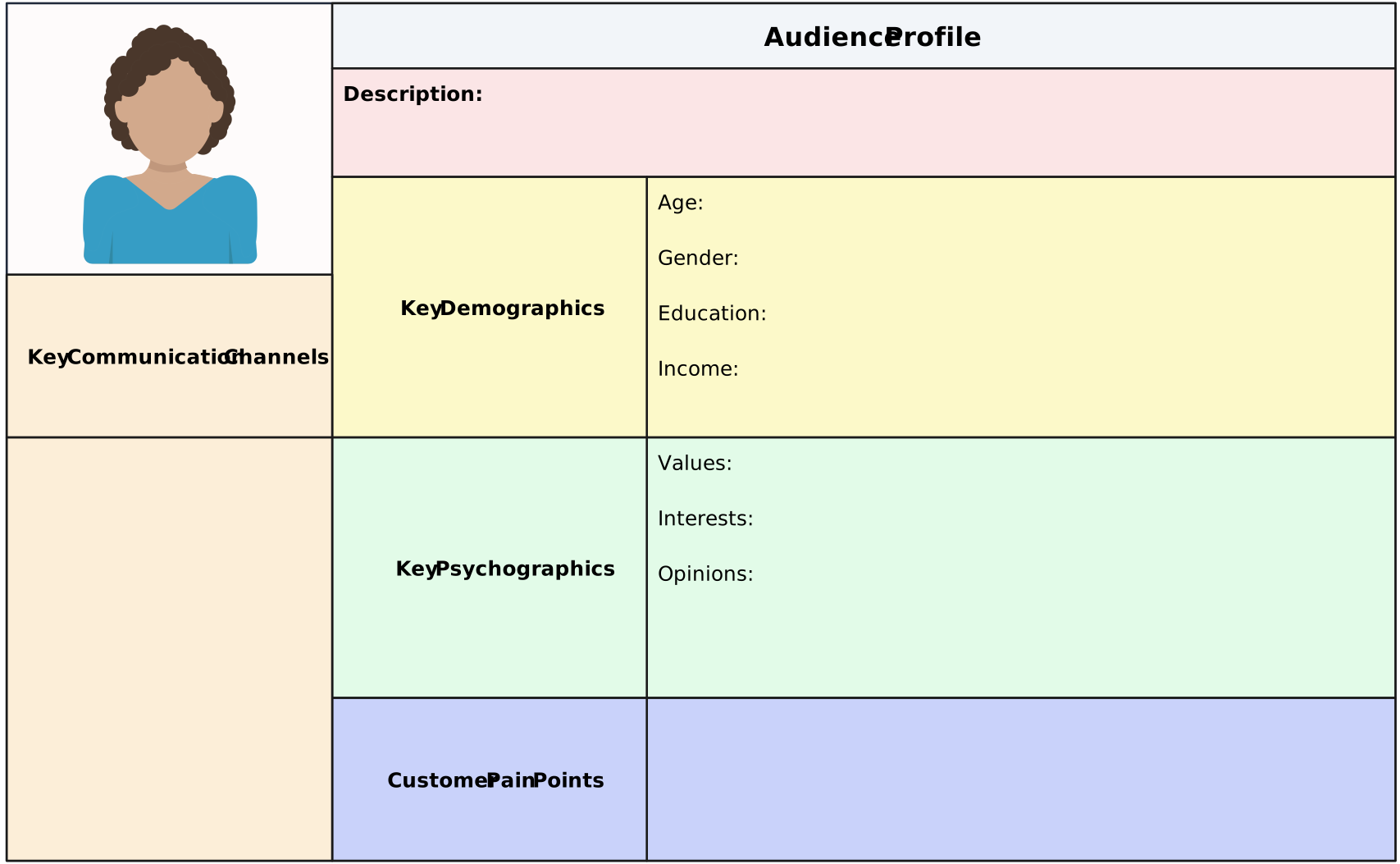
Once you have a clear picture of your target audience, you can create marketing messages that resonate with them and choose the best channels to reach them. This ensures your product launch is focused and effective.
Step 3: Conduct market research
Conducting market research means gathering information about your industry, competitors, and potential customers to help you make informed decisions about your product launch.
Here’s how to conduct effective market research:
- Analyze competitors: Look at similar products in the market. What are their strengths and weaknesses? Understanding what competitors offer can help you identify what makes your product unique and how to position it effectively.
- Understand market trends: Research current trends in your industry. Are there new technologies or changing customer preferences? Knowing what’s popular can help you align your product with what customers want.
- Gather customer feedback: Talk to potential customers to understand their needs and opinions. This can be done through surveys, interviews, or focus groups. Their insights can guide you in refining your product and marketing approach.
- Review industry reports: Look for reports and studies related to your market. These can provide valuable data on customer behavior, market size, and growth projections.

By conducting thorough market research, you can make informed choices about your product, refine your messaging, and develop a strategy that stands out in a competitive landscape. This step helps ensure your product meets the needs of your audience and has the best chance of success.
Step 4: Craft your unique value proposition
Your UVP is a clear statement that explains what makes your product special and why customers should choose it over other options. It highlights the unique benefits your product offers and addresses the specific needs of your target audience.
To create an effective UVP:
- Identify key benefits: Think about what problems your product solves or how it improves the lives of your customers. Focus on the most important benefits that set your product apart.
- Differentiate from competitors: Consider what makes your product different from similar offerings in the market. This could be features, quality, price, or customer support.
- Be clear and concise: Your UVP should be easy to understand and memorable. Avoid jargon and use simple language that resonates with your audience.
- Make it compelling: Use persuasive language that highlights the value customers will get. Show them why your product is the best choice for meeting their needs.
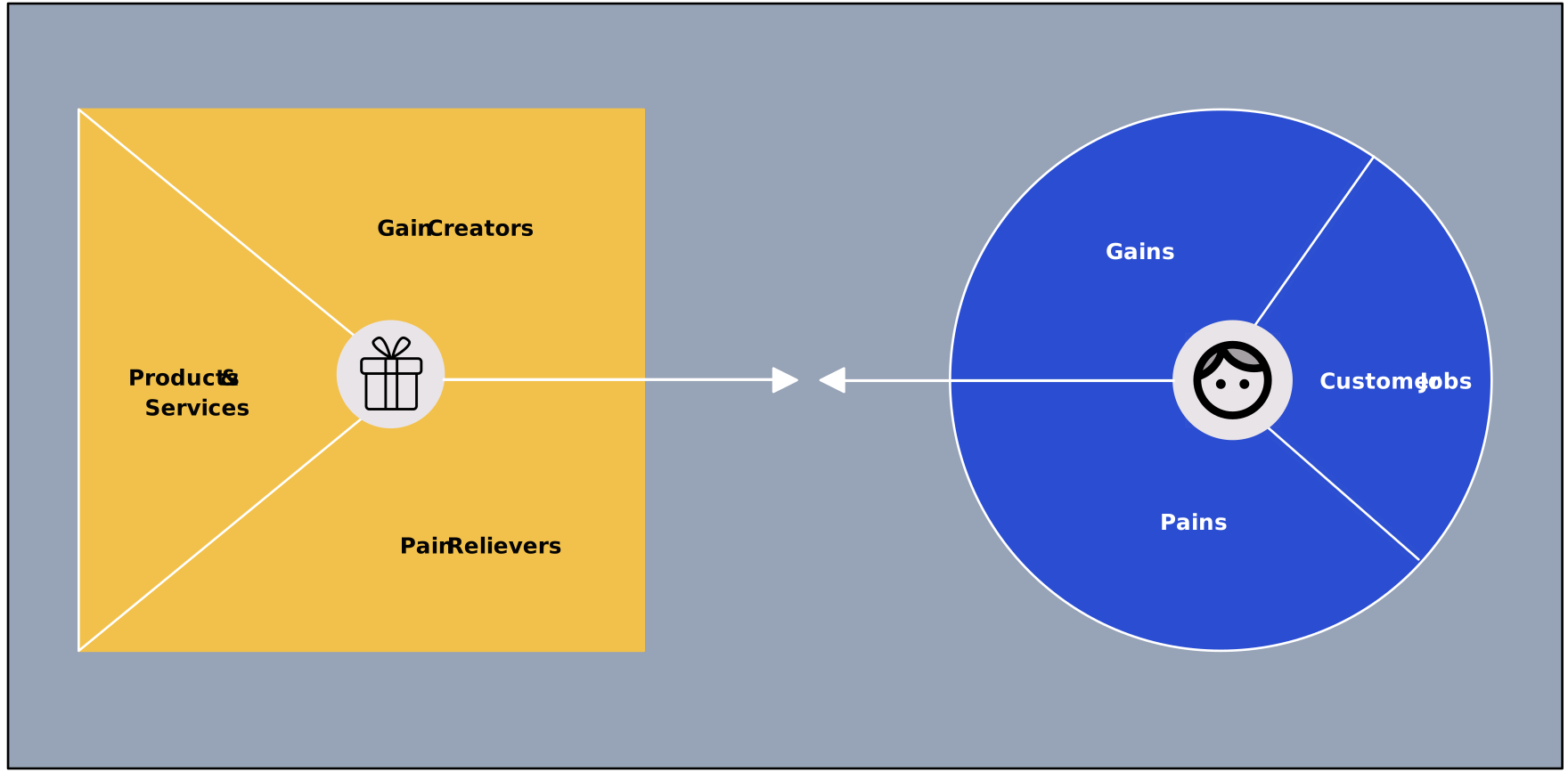
A strong unique value proposition helps customers quickly understand why they should choose your product, making it a crucial part of your marketing and sales efforts. It guides your messaging and helps you connect with your audience effectively.
Step 5: Develop your messaging
This means creating clear and consistent communication that explains what your product is, how it works, and why it’s valuable to your target audience. Good messaging helps you connect with customers and encourages them to take action.
Here’s how to develop effective messaging:
- Create a product description: Write a simple and engaging description of your product that highlights its features and benefits. Make sure it answers the question, “What is this product and why do I need it?”
- Focus on your unique value proposition: Incorporate your UVP into your messaging. Make sure your audience understands what sets your product apart and how it solves their problems.
- Use customer-friendly language: Avoid jargon or complicated terms. Use language that resonates with your audience and is easy for them to understand.
- Craft key messages: Develop a few key points that summarize what you want your audience to know. These should be memorable and can be used across different marketing channels.
- Consider your tone: Decide on the tone of your messaging. Should it be friendly and casual, or professional and formal? Your tone should match your brand and appeal to your target audience.
By developing clear and engaging messaging, you can effectively communicate the value of your product, build excitement, and encourage potential customers to learn more or make a purchase. Good messaging is essential for a successful product launch.
Step 7: Choose your marketing channels
Decide where and how you will promote your product to reach your target audience effectively. Selecting the right channels helps ensure your message gets in front of the people who are most likely to buy your product.
To choose the best marketing channels:
- Know your audience: Think about where your target audience spends their time. Are they active on social media, reading blogs, or searching for products online? This will guide your choices.
- Consider different channels: There are various marketing channels to choose from, including:
- Social media: Platforms like Facebook, Instagram, and Twitter can help you reach a large audience quickly.
- Email marketing: Sending newsletters or promotional emails to your subscribers can be effective for direct communication.
- Content marketing: Creating blog posts, videos, or infographics can help educate your audience about your product and build interest.
- Paid advertising: Using ads on search engines or social media can increase visibility and attract potential customers.
- Influencer marketing: Partnering with influencers can help you tap into their audience and gain credibility.
- Evaluate your budget: Consider how much you can spend on marketing. Some channels, like social media, can be more cost-effective than others, like paid ads.
- Plan for integration: Choose channels that can work well together. For example, use social media to promote your email sign-ups, or create content that can be shared across multiple platforms.
Step 8: Set your pricing strategy
This involves deciding how much you will charge for your product. Your pricing should reflect the value of your product while being competitive in the market. Here’s how to set an effective pricing strategy:
- Consider your costs: Start by calculating the total cost of creating and delivering your product. This includes production, materials, shipping, and any other expenses. Make sure your price covers these costs.
- Research competitor pricing: Look at how similar products are priced in the market. This will help you understand what customers expect to pay and how your product compares.
- Identify your value: Think about what makes your product unique and valuable. If it offers special features or solves a significant problem, you may be able to charge a higher price.
- Choose a pricing model: Decide on a pricing approach that suits your product and audience. Common models include:
- Cost-plus pricing: Adding a standard markup to your costs.
- Competitive pricing: Setting your price based on what competitors charge.
- Value-based pricing: Pricing based on the perceived value to the customer.
- Test your pricing: If possible, consider running promotions or testing different price points to see how customers respond. This can help you find the right balance between attracting buyers and maximizing profit.
By setting a well-thought-out pricing strategy, you can ensure your product is appealing to customers while also meeting your business goals. A good price can attract more buyers and support a successful launch.
Step 9: Create a detailed launch timeline
A launch timeline is a schedule that outlines all the tasks and activities you need to complete leading up to your product launch. It helps keep your team organized and ensures everything is ready on time. Here’s how to create an effective timeline:
- List all tasks: Write down every task that needs to be done before, during, and after the launch. This can include market research, creating marketing materials, setting up your website, and training your team.
- Set deadlines: Assign specific deadlines for each task. Be realistic about how long each task will take and make sure you leave enough time for unexpected delays.
- Identify key milestones: Mark important dates on your timeline, such as when you’ll start promoting your product or when you plan to launch. These milestones will help you track your progress.
- Coordinate with your team: Share the timeline with everyone involved in the launch. Make sure all team members understand their responsibilities and deadlines. This fosters collaboration and accountability.
- Monitor progress: As you work through the timeline, regularly check in on your progress. If you encounter any delays, adjust your timeline as needed to stay on track for the launch.
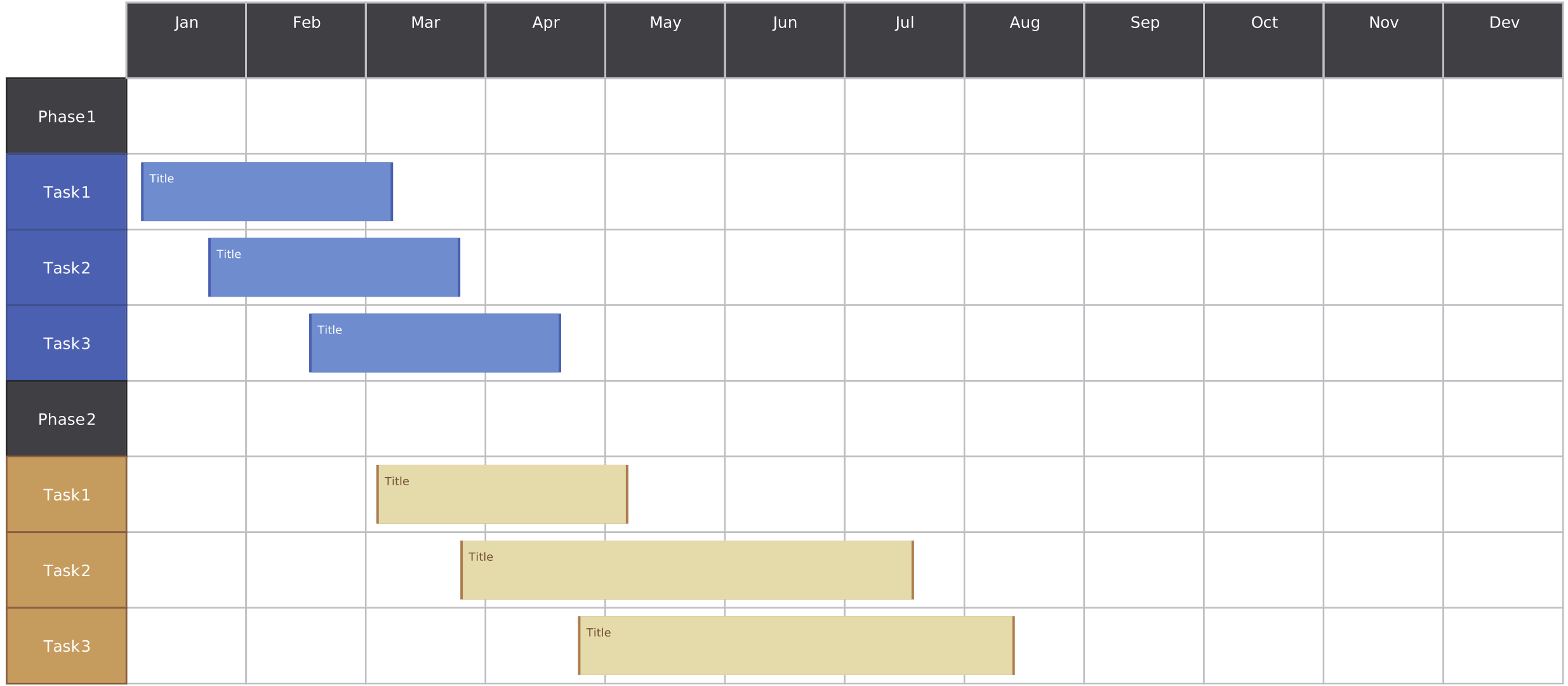
Creating a detailed launch timeline ensures that all aspects of your product launch are planned and executed smoothly. This preparation helps make your launch successful and stress-free.
Step 10: Prepare your team
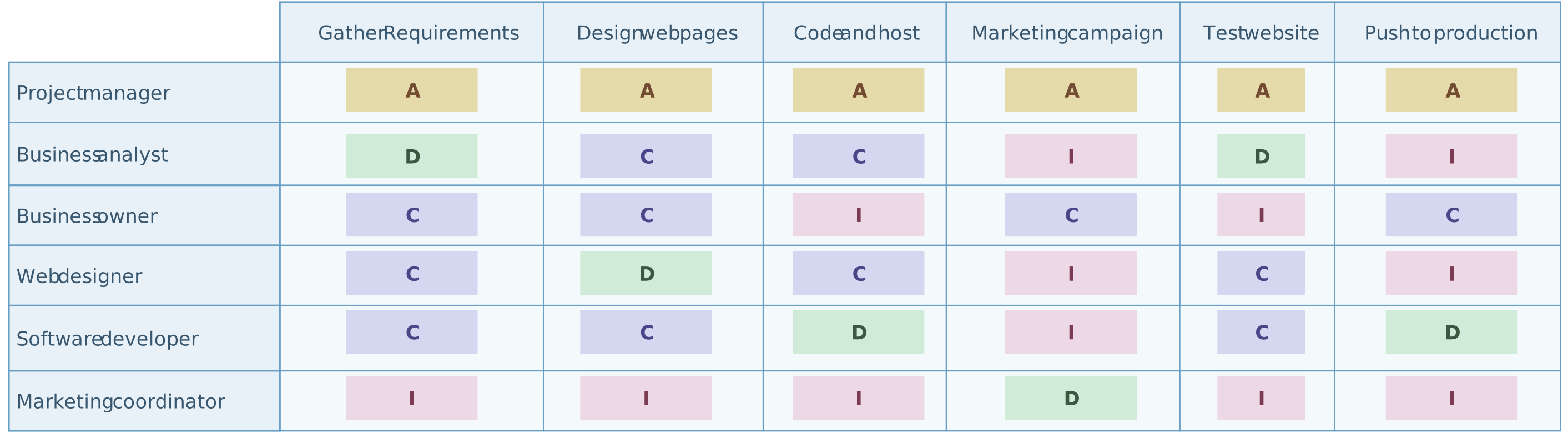
Ensure everyone involved in the launch knows their roles, responsibilities, and what is expected of them. A well-prepared team can make the launch process smoother and more successful. Here’s how to prepare your team effectively:
- Communicate the plan: Share the details of your launch strategy and timeline with your team. Make sure everyone understands the goals, tasks, and deadlines.
- Assign roles: Clearly define who is responsible for each task. Whether it’s marketing, sales, or customer support, everyone should know their specific duties and how they contribute to the launch.
- Provide training: Offer any necessary training to ensure your team is ready. This could include product knowledge sessions, customer service training, or marketing strategy workshops.
- Encourage collaboration: Foster an environment where team members can communicate openly and work together. Regular check-ins or meetings can help everyone stay aligned and address any questions or concerns.
- Motivate and support: Keep your team motivated by celebrating milestones and encouraging teamwork. Recognize their efforts and provide support where needed, ensuring everyone feels valued and engaged.
Step 11: Test your product
Make sure your product works as expected before releasing it to the public. Testing helps you catch any issues and improve the product, ensuring it meets customer expectations. This way you can identify and fix any issues, ensuring that customers have a positive experience when it’s finally launched. Testing also builds confidence that your product is ready for the market.
Here’s how to test your product effectively:
- Conduct internal testing: Have your team use the product to check for any problems, such as bugs or design flaws. This is often called “alpha testing” and allows you to fix any issues early on.
- Run a beta test: Share the product with a small group of real users, known as beta testers. These users provide feedback on how the product performs in real-life situations and can identify any areas that need improvement.
- Gather feedback: Ask testers to give detailed feedback on the product’s usability, features, and overall experience. Listen to their suggestions, as this feedback can help you fine-tune the product.
- Make improvements: Based on the feedback you receive, make any necessary changes or fixes. This might involve updating features, fixing bugs, or improving the user interface.
- Test again if needed: If you make significant changes, consider running another round of testing to ensure everything works smoothly before launch.
Step 12: Execute the product launch
After testing your product and finalizing your launch plan, the next crucial step in your product launch strategy is to execute the product launch and activate your marketing campaign. This is the moment your product goes live and all your efforts come together to introduce it to the market.
Here’s what this step involves:
- Launch the product: Officially make your product available to customers across your sales platforms and update your website and product listings accordingly.
- Activate your marketing efforts: Start promoting your product using the marketing channels you’ve chosen, such as social media, email campaigns, paid ads, and influencer collaborations. Ensure your messaging is consistent and aligned with your unique value proposition.
- Host any launch events: If you’ve planned events like product demos, webinars, or launch parties, now is the time to execute them to build excitement and awareness.
- Engage with your audience: Interact with potential customers, respond to questions, and encourage conversations on social media or other platforms to create buzz around your product.
- Monitor real-time performance: Track key metrics like sales, website traffic, and customer engagement from the moment of launch. This allows you to quickly address any issues and make real-time adjustments if needed.
Executing the product launch and activating your marketing campaign is the pivotal stage where you present your product to the world, engaging your audience while measuring early performance to ensure success.
What to Do Post-Launch: Evaluating Success and Refining Your Strategy
Once your product is launched, the real work begins. It’s important to continually monitor how your product is performing and make adjustments to ensure its ongoing success. This post-launch phase is all about evaluating what’s working, identifying areas for improvement, and refining your overall strategy to meet your business goals and customer expectations. Here’s a detailed guide on what to do post-launch:
1. Track key results (KPIs)
Start by identifying the most important metrics, or key performance indicators (KPIs), to track. These may include sales figures, customer acquisition rates, website traffic, social media engagement, and product usage data.
Here are some important metrics (KPIs) to track during and after your product launch:
- Sales revenue: Total revenue generated from product sales during the launch period.
- Units sold: The number of individual products sold, providing insight into demand.
- Customer Acquisition Cost (CAC): The cost associated with acquiring a new customer, helping to assess the efficiency of your marketing efforts.
- Customer acquisition rate: The rate at which new customers are gained, reflecting the effectiveness of your promotional strategies.
- Website traffic: The number of visitors to your product page or website, indicating interest and visibility.
- Bounce rate: The percentage of visitors who leave your site after viewing only one page, helping to assess website engagement.
- Conversion rate: The percentage of website visitors who complete a desired action, such as making a purchase or signing up for a newsletter.
- Social media engagement: Metrics such as likes, shares, comments, and follows on your social media posts related to the launch.
- Email open rate: The percentage of recipients who open your launch-related emails, indicating the effectiveness of your email marketing campaigns.
- Product usage data: For digital products, metrics like daily active users (DAU) or monthly active users (MAU) to assess how often customers are using the product.
- Customer retention rate: The percentage of customers who continue to use the product over time, indicating satisfaction and loyalty.
- Net Promoter Score (NPS): A measure of customer satisfaction and loyalty based on their likelihood to recommend your product to others.
- Return rate: The percentage of sold products that are returned, which can indicate potential issues with product quality or customer satisfaction.
Regularly monitor these numbers to see how your product is performing in the market. For example, if sales are strong but website traffic is low, it might indicate a need for better online visibility. Tracking KPIs will help you measure the overall success of your launch and highlight areas that need more attention.
2. Listen to customer feedback
- After launch, customer feedback is crucial for understanding how your product is being received. Encourage customers to share their opinions through reviews, surveys, social media, and support interactions.
- Take note of both positive and negative feedback. Compliments highlight what’s working, while criticism reveals areas that may need improvement.
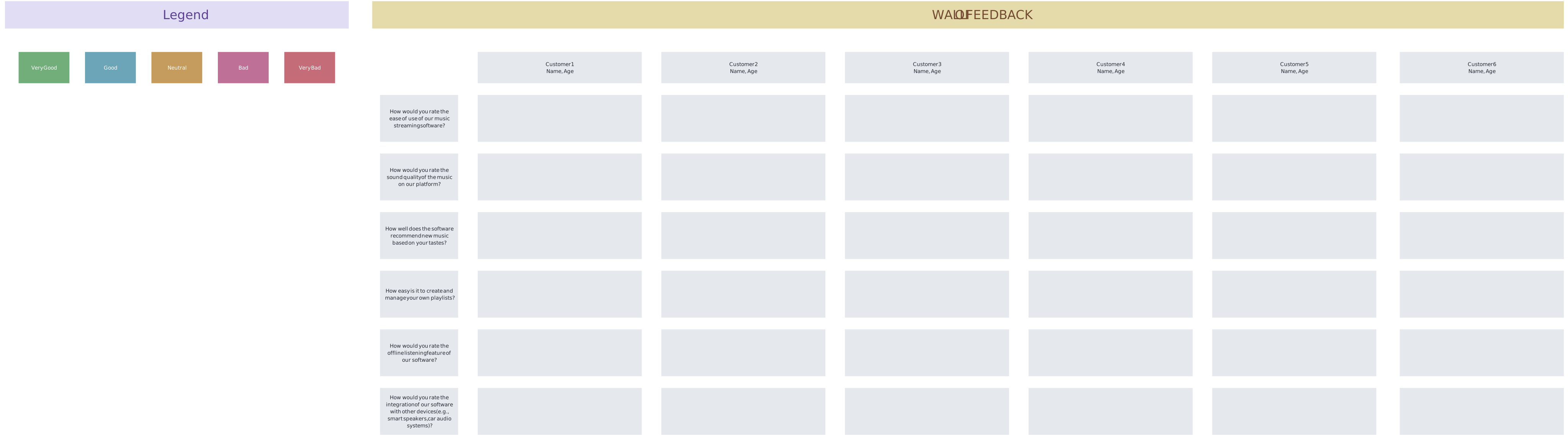
- Use tools like customer satisfaction surveys or Net Promoter Scores (NPS) to gather structured feedback that helps you gauge overall satisfaction levels and loyalty.
3. Study sales patterns
- Look closely at your sales data to identify trends. Are there certain customer segments buying more frequently? Is there a peak in sales at specific times or in response to certain marketing activities?
- Analyze which marketing channels (such as social media ads, email campaigns, or influencer partnerships) are driving the most conversions.
- This data can help you better understand your audience and optimize your sales strategy by focusing on what’s working best.
4. Adjust your marketing efforts
- Once you’ve reviewed the performance of different marketing channels, it’s time to refine your marketing strategy. If a certain channel is performing exceptionally well, consider investing more time and resources into it.
- On the other hand, if certain efforts aren’t delivering results, don’t be afraid to pivot. For example, you may decide to test a new advertising platform or adjust your messaging to better resonate with your audience.
- Keep experimenting with your marketing mix to find the best combination for maximizing visibility and driving sales.
5. Make product improvements
- Use customer feedback and data to identify areas where your product can be improved. Whether it’s fixing bugs, adding new features, or enhancing the user experience, making updates based on real-world usage is key to retaining customers.
- Prioritize the most impactful changes first—those that will solve the biggest pain points for your users or add the most value to the product.
- Keep your customers informed about updates or new features, so they know you’re listening to their feedback and continually improving the product.
6. Review your overall plan
- Post-launch, it’s important to revisit your overall business and marketing strategy. Are your original goals being met? Are there any new opportunities you should explore based on what you’ve learned since the launch?
- Assess whether you need to adjust your pricing strategy, expand into new markets, or update your branding to better align with how customers are engaging with your product.
- Make sure to remain flexible and open to change, as product launches rarely go exactly as planned. Being willing to adapt will help you stay competitive and relevant in the market.
Common Reasons Why Product Launches Fail
Even with careful planning, many product launches don’t succeed. Understanding the common reasons for failure can help you avoid making the same mistakes. Here are some key factors that can lead to a failed launch:
- Lack of market research: Without thorough market research, you may fail to identify your target audience’s needs and preferences. This can result in a product that doesn’t resonate with customers, leading to poor sales. Understanding customer demographics, buying behavior, and pain points is essential to create a product that appeals to them.
- Poor timing: Timing is critical in product launches. Launching a product during peak seasons when many similar products are available can drown it out. Additionally, launching during economic downturns or global events can reduce consumer spending. Properly analyzing market trends and competitor launches can help you choose the right time to go live.
- Weak marketing strategy: A vague or ineffective marketing strategy can prevent your product from gaining traction. If your promotional materials fail to clearly communicate the product’s benefits or if the messaging is inconsistent across channels, potential customers may not engage. A well-defined marketing plan that includes clear goals and targeted messaging is essential for generating interest.
- Inadequate testing: Skipping or rushing through testing can result in launching a product with bugs or usability issues. Customers expect a seamless experience, and encountering problems can lead to frustration and negative reviews. Conducting thorough testing, including beta testing with real users, can help identify and fix issues before launch.
- Unclear value proposition: If customers cannot easily grasp what makes your product unique or beneficial, they may not see a reason to purchase it. A compelling value proposition should clearly articulate how your product solves a problem or improves the customer’s life compared to competitors. Without this clarity, potential buyers may choose alternatives that better communicate their value.
- Ignoring customer feedback: Failing to listen to and act on customer feedback can hinder your product’s success. When customers share their experiences or suggestions, it’s important to acknowledge and address their concerns. Engaging with customers through surveys, reviews, and social media not only builds trust but also provides valuable insights for improvement.
- Overpromising and under-delivering: When marketing materials promise more than what the product delivers, customers will inevitably feel disappointed. This can lead to negative reviews, returns, and a damaged brand reputation. Ensure that your marketing claims are realistic and backed by the product’s actual features and performance.
- Failure to adapt: The market is dynamic, and consumer preferences can change rapidly. If you’re not willing to adapt your strategy based on feedback and performance data, your product may quickly become irrelevant. Continuously monitoring market trends and being flexible in your approach will help you stay competitive and responsive to customer needs.
Examples of Successful Product Launches
Many companies have successfully launched products that became popular and impactful. Here are some notable examples that highlight effective strategies and approaches:
1. Apple iPhone
When Apple launched the first iPhone in 2007, it transformed the smartphone market. The company created massive anticipation through teasers and a grand launch event. Apple focused on a sleek design and user-friendly interface, showcasing how the iPhone combined phone, music player, and internet browsing into one device. The launch was a huge success, leading to millions of sales in the first few months.
2. Tesla Model S
Tesla’s Model S was launched with a clear vision of revolutionizing electric cars. Before its release, Tesla built excitement by showcasing prototypes and sharing updates on social media. They highlighted the car’s long range, performance, and innovative technology, like autopilot features. The Model S received rave reviews and helped establish Tesla as a leader in the electric vehicle market.
3. Coca-Cola’s New Formula
In 1985, Coca-Cola launched “New Coke,” a reformulated version of its classic drink. Although it initially faced backlash, the company learned from customer feedback and reintroduced the original formula as “Coca-Cola Classic.” This move not only salvaged the brand but also generated significant media attention and sales, proving the power of listening to consumers.
4. Nike Air Jordan
Nike’s Air Jordan line, launched in the mid-1980s, was a game-changer in sports marketing. By partnering with basketball star Michael Jordan, Nike created a strong brand association. They built hype through exclusive releases and strategic marketing campaigns, making Air Jordans a must-have for sneaker fans. The line has continued to thrive for decades, cementing its place in pop culture.
Creating a Successful Product Launch Strategy with Creately
Launching a product successfully requires careful planning and collaboration. With Creately, you can create a comprehensive product launch strategy that enhances collaboration, streamlines planning, and increases your chances of success. Whether you’re mapping out your goals, tracking progress, or presenting to stakeholders, Creately provides the tools you need to make your launch a success.
- Visual planning: Creately allows you to create clear and organized visual plans. You can use flowcharts, mind maps, and other diagrams to outline every step of your launch strategy. Visualizing your plan helps your team understand their roles and responsibilities more easily.
- Collaboration tools: With Creately, you can collaborate with your team in real-time. Everyone can work together on the same document, making it easy to share ideas, provide feedback, and make changes. This ensures that everyone is on the same page and can contribute to the strategy.
- Templates for strategy development: Creately offers various templates designed for product launches. These templates can help you get started quickly by providing a structured format. You can customize them to fit your specific product and goals, saving you time and effort.
- Tracking progress: You can use Creately to create Gantt charts or timelines to track your progress. This feature allows you to set deadlines for each step of the launch process and monitor completion. Keeping track of your timeline ensures that you stay on schedule and meet your launch date.
- Data visualization: Creately helps you present data in a visually appealing way. You can create charts and graphs to analyze market research, customer feedback, and sales projections. Visualizing this information makes it easier to spot trends and make informed decisions for your launch.
- Integrations: Creately integrates with other tools you may already be using, such as Google Drive and Slack. This means you can easily share your plans and collaborate with your team across different platforms, enhancing communication and efficiency.
- Presentation features: Once your strategy is in place, you can use Creately to create professional presentations. These presentations can be used to share your product launch plan with stakeholders, ensuring everyone understands the vision and goals.
- Commenting and feedback: Creately allows team members to leave comments directly on diagrams or documents. This feature facilitates constructive feedback and discussions, making it easier to refine your strategy based on input from various stakeholders.
Wrapping up
Creating a successful product launch strategy is essential for your product’s success. Start by defining your goals, identifying your target audience, and conducting market research. Craft a unique value proposition and develop clear messaging to engage potential customers.
Set a pricing strategy, create a detailed timeline, prepare your team, and test your product to ensure a smooth launch. After your product goes live, measure its success and be ready to adapt based on feedback.
By following these steps and avoiding common pitfalls, you can increase your chances of a successful launch. With careful planning and open communication, you can make a strong impact in your market and achieve your business goals.