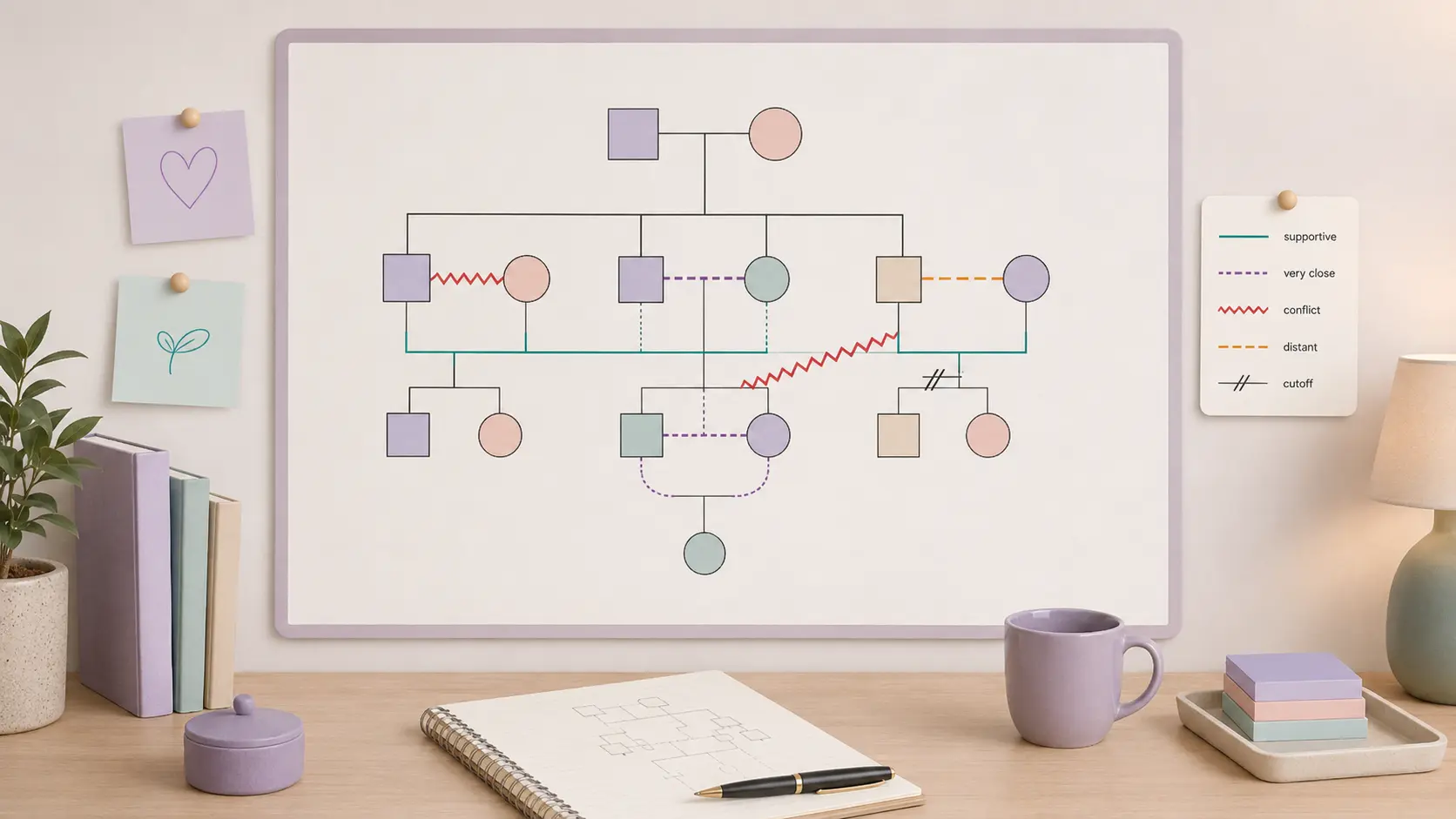
Genograms go beyond family trees by mapping relationships, health patterns, life events, and emotional connections across generations. To make them clear and meaningful, it’s important to follow standard genogram rules for symbols, lines, layout, and documentation.
These rules help readers interpret a family map consistently, but they should not be used to force every family into one fixed structure. The best genograms use clear visual conventions while documenting people, relationships, and family details based on actual source information rather than assumptions.
Use this list as a practical checklist when you build or review a genogram:
- Use consistent symbols and relationship lines.
- Label unclear, disputed, or unknown information instead of guessing.
- Keep dates, birth order, and partnership history easy to follow.
- Include a legend when you use custom colors, labels, or specialized notation.
15 Rules to Build Genograms
1. Use standard shapes for individuals
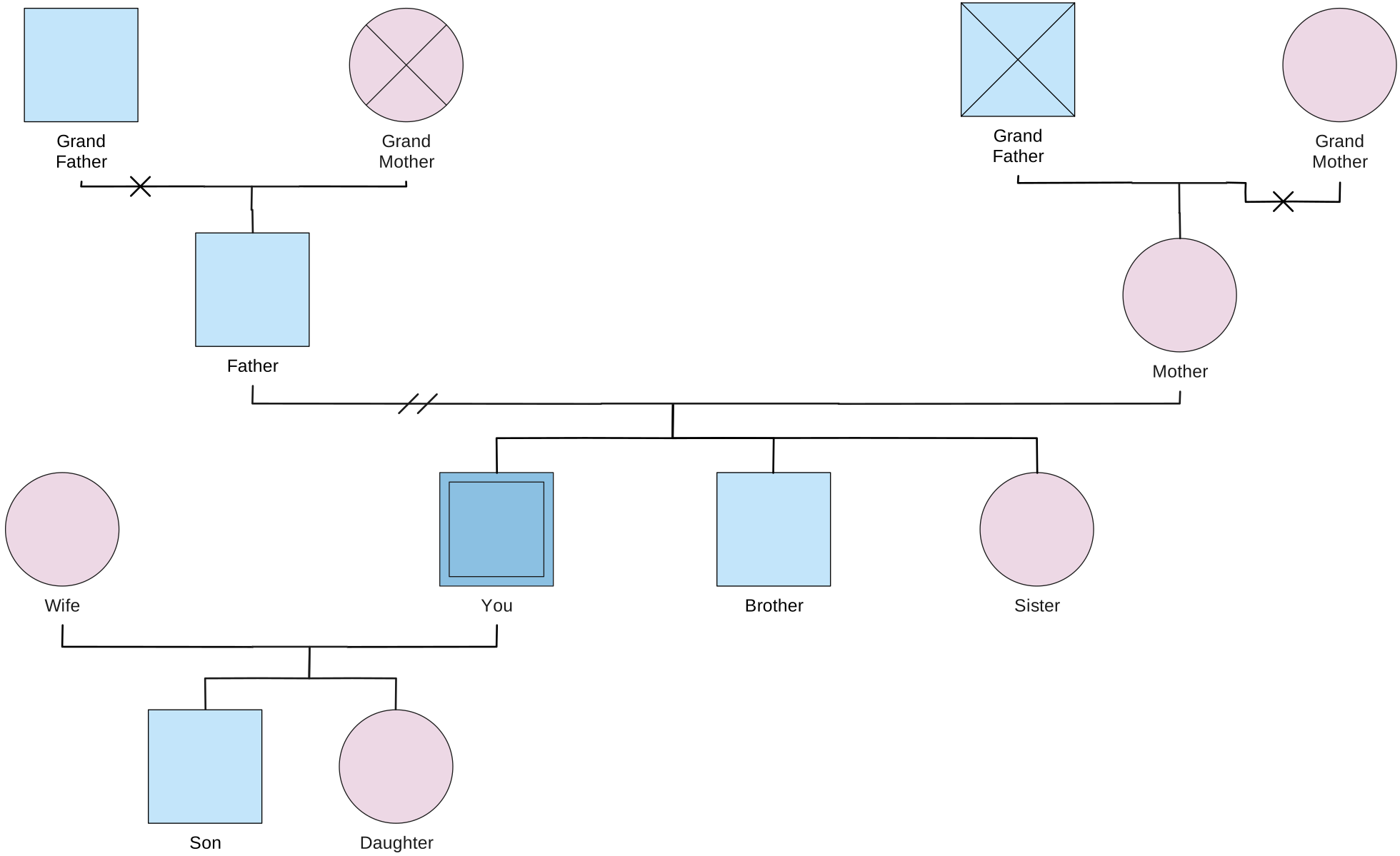
In a genogram, each person is shown with a simple shape—and using the right genogram symbols matters. A square stands for a male, a circle for a female, and a diamond for someone whose gender is unknown or non-binary. These shapes are more than just symbols—they’re a shared language that helps anyone reading the genogram quickly understand who’s who. When you use these standard shapes, you’re making your family map not only clearer but also more respectful and inclusive of everyone’s identity.

2. Indicate life status
A genogram isn’t just about who’s in the family—it’s also about their stories. One small but important detail is showing whether someone is living or has passed away. To do this, draw a cross through the person’s shape (square, circle, or diamond) if they’re deceased. It’s a simple mark, but it adds depth to the genogram by showing the passage of time and helping others understand the full picture of the family’s history.
3. Follow proper relationship lines
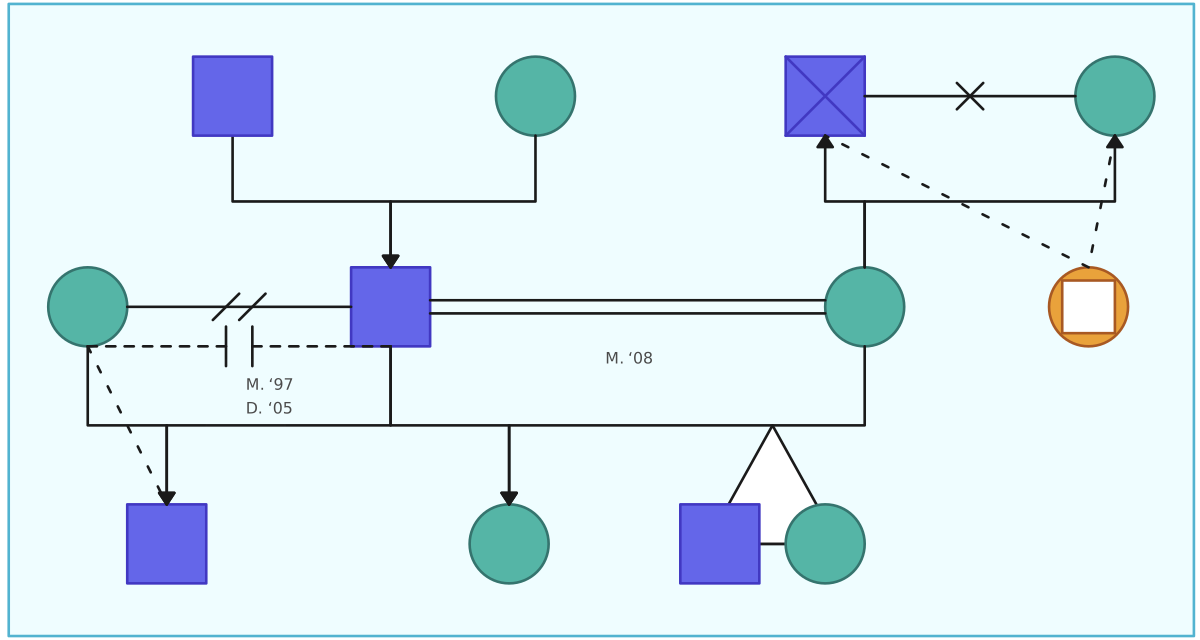
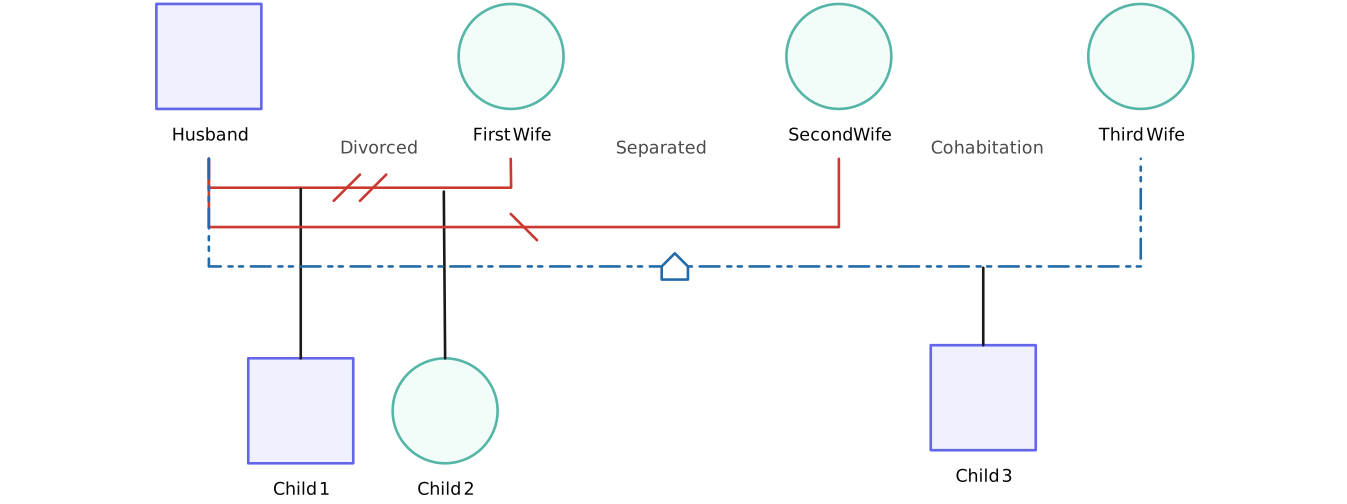
In a genogram, relationships aren’t just listed—they’re drawn. The lines between people show how they’re connected, so it’s important to use them the right way. A solid horizontal line between two people means they’re married or in a committed relationship. A single slash through the line shows separation, and a double slash means divorce. These lines tell part of each person’s life story—who they loved, who they lived with, and how those relationships may have changed. Using the correct lines helps others read your genogram clearly and respectfully.
4. Place Children in Birth Order From Left to Right
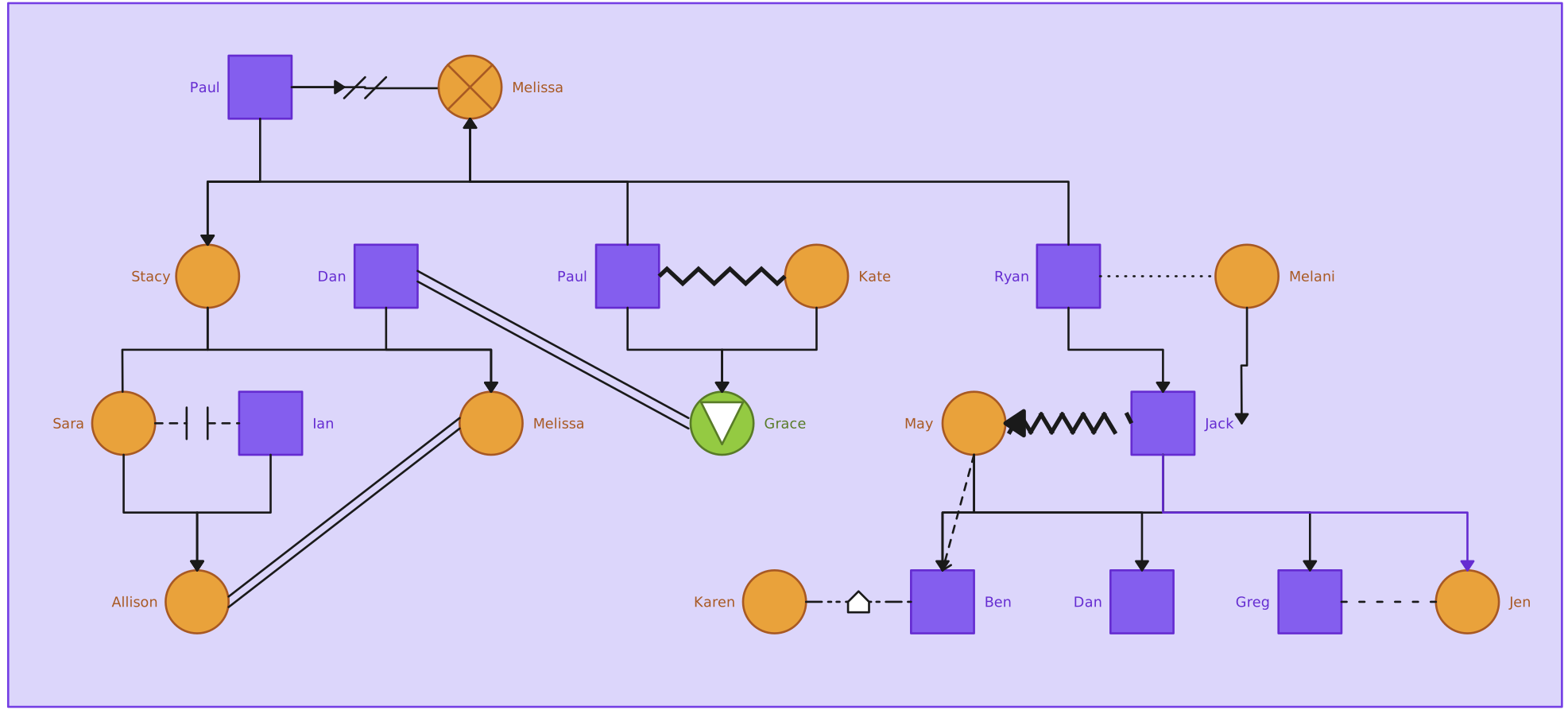
In a genogram, children are usually placed from left to right in the order they were born, with the oldest child on the left and the youngest on the right. This makes sibling order, family roles, and generational flow easier to understand.
If birth order is unknown, use the best available information and add a note. Avoid rearranging children only for visual balance if it changes the meaning of the family structure.
5. Use different lines for types of relationships
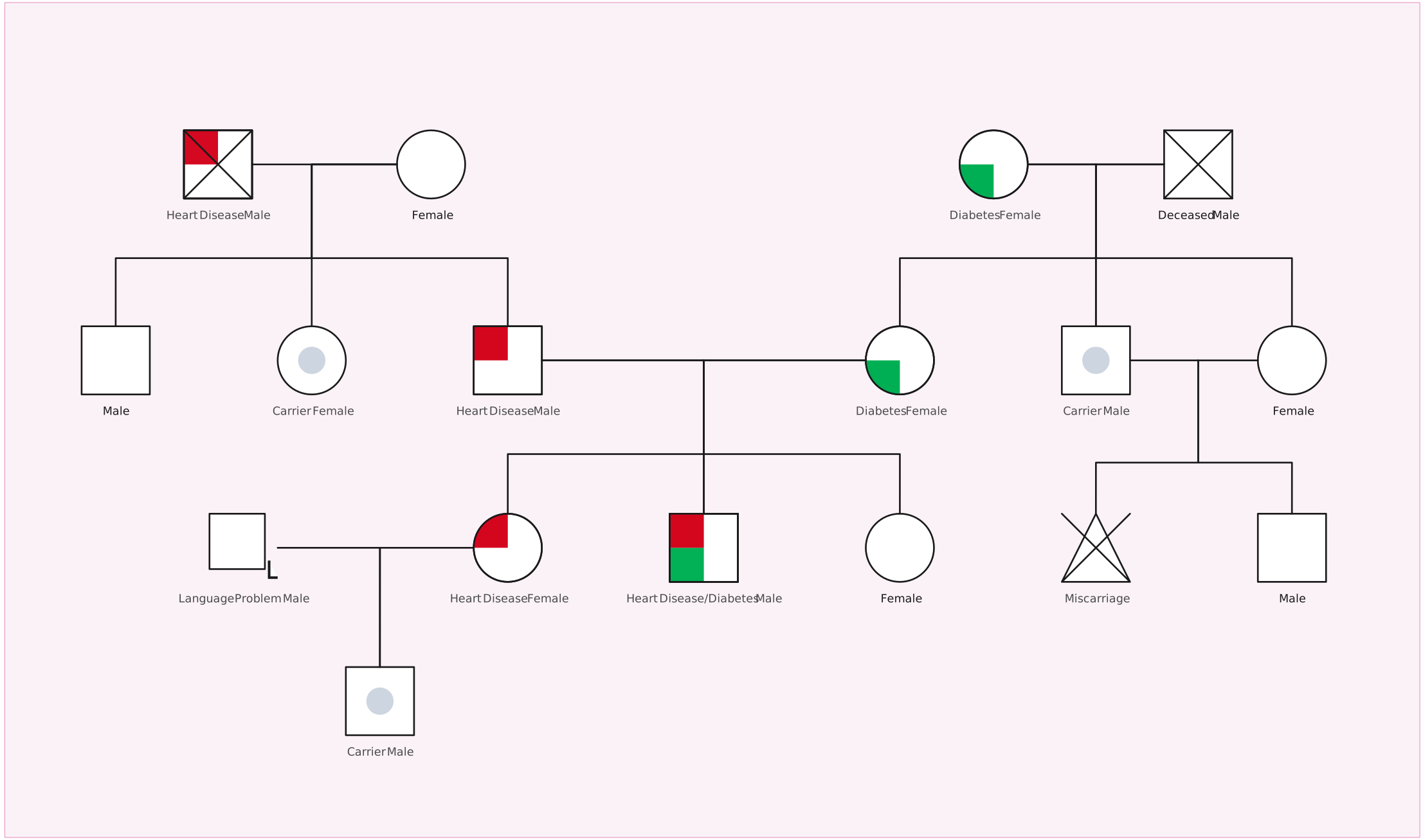
Families aren’t just about who’s related—they’re about how people relate to each other. In a genogram, different kinds of lines show emotional connections between people. For example, a solid line might show a close bond, a dashed line can mean distance, and a zigzag line often represents conflict. These lines help tell the emotional side of the story—the feelings, tensions, and closeness that can’t be seen in a family tree. Using the right lines helps others truly understand the family dynamic, not just the structure.
6. Represent twins with angled lines
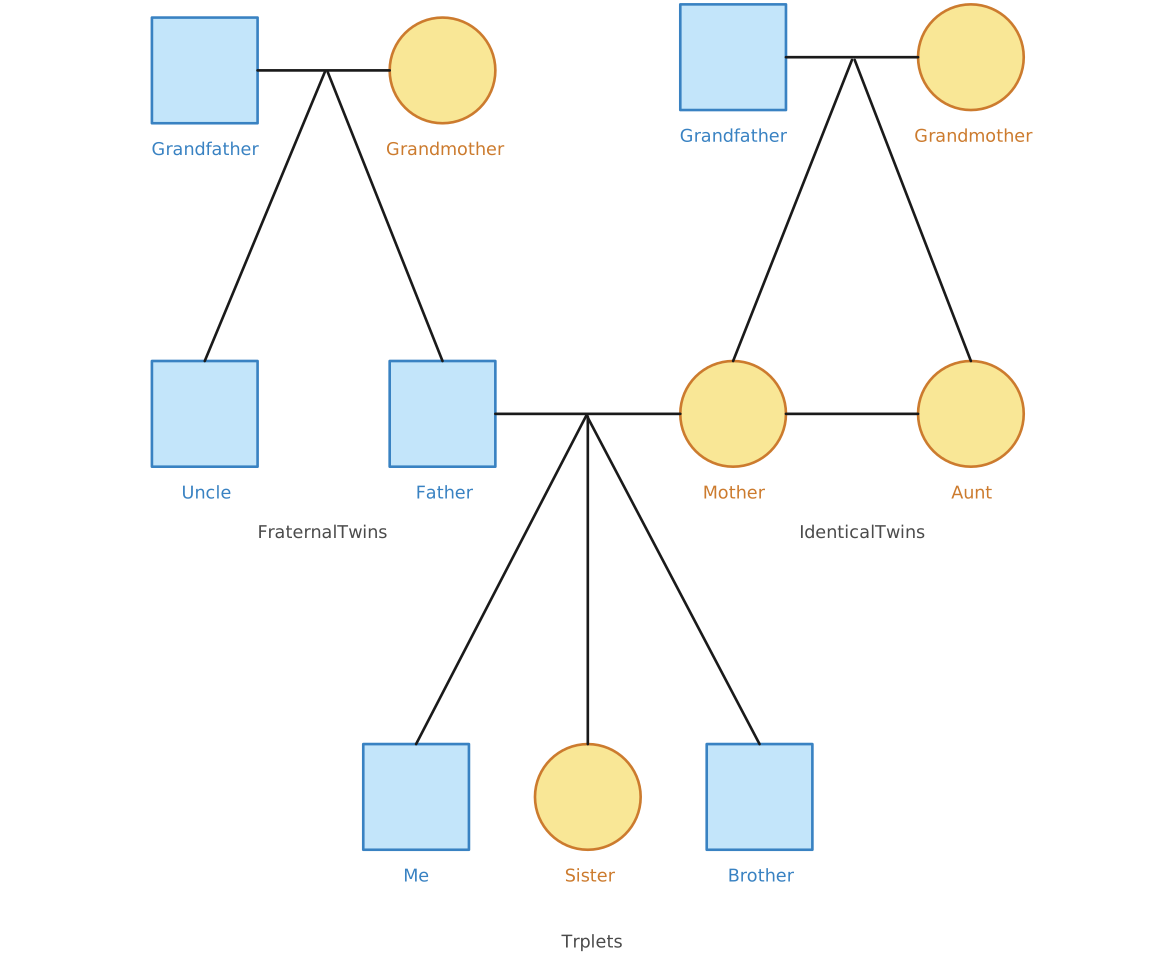
Twins have a special place in many families, and genograms show that clearly. To represent twins, draw two lines coming from the same point at an angle, almost like the letter “V.” If the twins are identical, connect their lines with a horizontal bar. If they’re fraternal, just leave the lines unconnected. This small visual difference says a lot—it not only shows they were born at the same time, but also whether they share the same genetics. It’s a simple way to reflect a unique bond within the family story.
7. Use Parent Placement as a Clear Layout Convention
In many traditional genograms, parents are arranged in a consistent left-to-right order to make the family structure easier to follow. Older conventions often place the father on the left and the mother on the right, but this should be treated as a layout convention rather than a universal rule.
For modern genograms, prioritize clarity and accuracy. Use the arrangement that best reflects the family structure and the information available. For same-sex parents, single parents, adoptive parents, guardians, blended families, or unknown parent details, label relationships clearly so the reader understands each person’s role.
8. Document Relationship Types Based on Source Data
When creating a genogram, do not assume a male-female relationship, marriage, parentage, or household structure by default. A genogram should reflect what is known from interviews, records, clinical notes, family reports, or other source information.
If a relationship is unclear, mark it as unknown, add a note, or use a neutral relationship line until the information is confirmed. This keeps the genogram accurate, respectful, and useful for anyone who needs to interpret it later.
9. Order spouses sequentially
When a person has had multiple marriages or relationships, it’s important to show them in the right order. Arrange spouses from left to right, starting with the first partner on the left and moving to the right with each subsequent union. This helps tell the story of someone’s life in a clear, chronological way, showing the flow of relationships over time. It’s a visual timeline that helps others understand the progression of relationships, giving more context to the family history.
10. Review the Genogram for Accuracy and Unsupported Assumptions
Before finalizing a genogram, review it for accuracy, consistency, and unsupported assumptions. Check whether each relationship, symbol, date, and label is based on confirmed information.
For clinical, educational, or research use, it is especially important to note missing data, uncertain relationships, and the source of information. A good genogram should be clear about what is known, what is unknown, and what still needs to be verified.
11. Indicate life events with dates
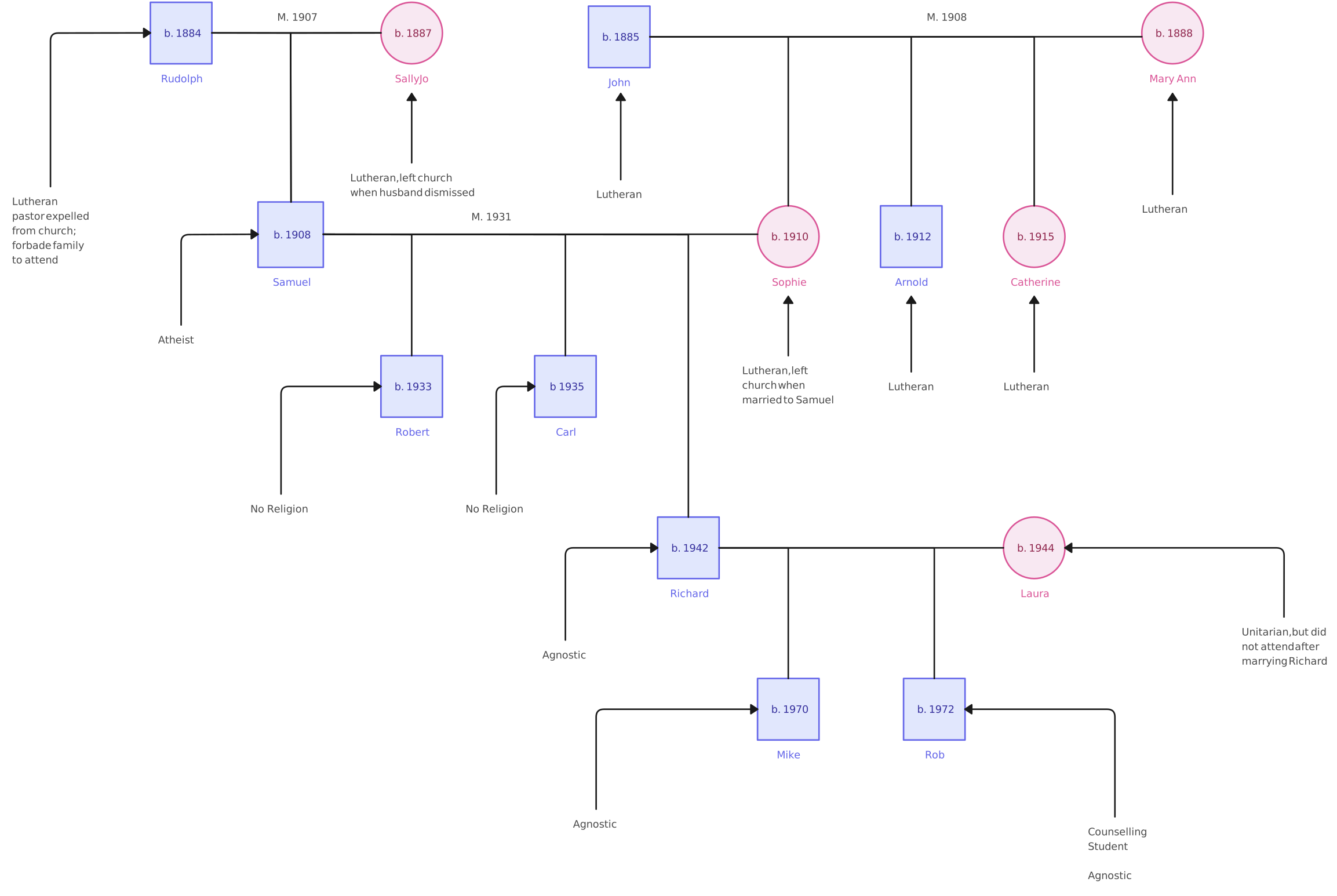
To give more depth to a genogram, it’s helpful to include important life events like birth and death dates. Display these dates above the person’s symbol to show when significant events happened in their life. This helps create a clear timeline, showing not just who’s in the family, but when they were born or passed away. Adding dates brings chronological clarity to the genogram, allowing anyone reading it to better understand the family’s history and how different generations relate to each other.
12. Clearly Label Adopted, Foster, and Guardian Relationships
Families can be formed in many different ways, and a genogram should show those relationships clearly. Adopted children are often shown with a dashed line, while foster relationships may be shown with a dotted line.
You can also label guardianship, step-parenting, kinship care, or other caregiving relationships when relevant. The goal is not only to show biological connections, but also to show legal, caregiving, and family roles accurately.
13. Include a Symbols and Legend Section
A genogram can include many symbols, lines, colors, and labels, so it should always have a legend or key. The legend explains what each visual element means and helps others interpret the family map correctly.
Your genogram legend can define:
- Individual symbols, such as square, circle, diamond, or custom shapes
- Relationship lines, such as marriage, separation, divorce, or partnership
- Parent-child relationship lines, such as biological, adoptive, foster, or guardian
- Emotional relationship lines, such as close, distant, conflict, or cutoff
- Life status markers, such as deceased, living, or unknown
- Colors, icons, or labels used for health, legal, cultural, or social information
A clear legend is especially important when the genogram is used in therapy, social work, healthcare, education, research, or legal planning.

14. Use consistent formatting
Use the same symbols, line styles, spacing, colors, and labels throughout the genogram. Consistency helps readers understand the family structure without having to reinterpret the diagram at every section.
Avoid overlapping lines where possible. If the family structure is complex, increase spacing, use routed connectors, or add notes to keep the genogram readable.
15. Limit each generation to one row
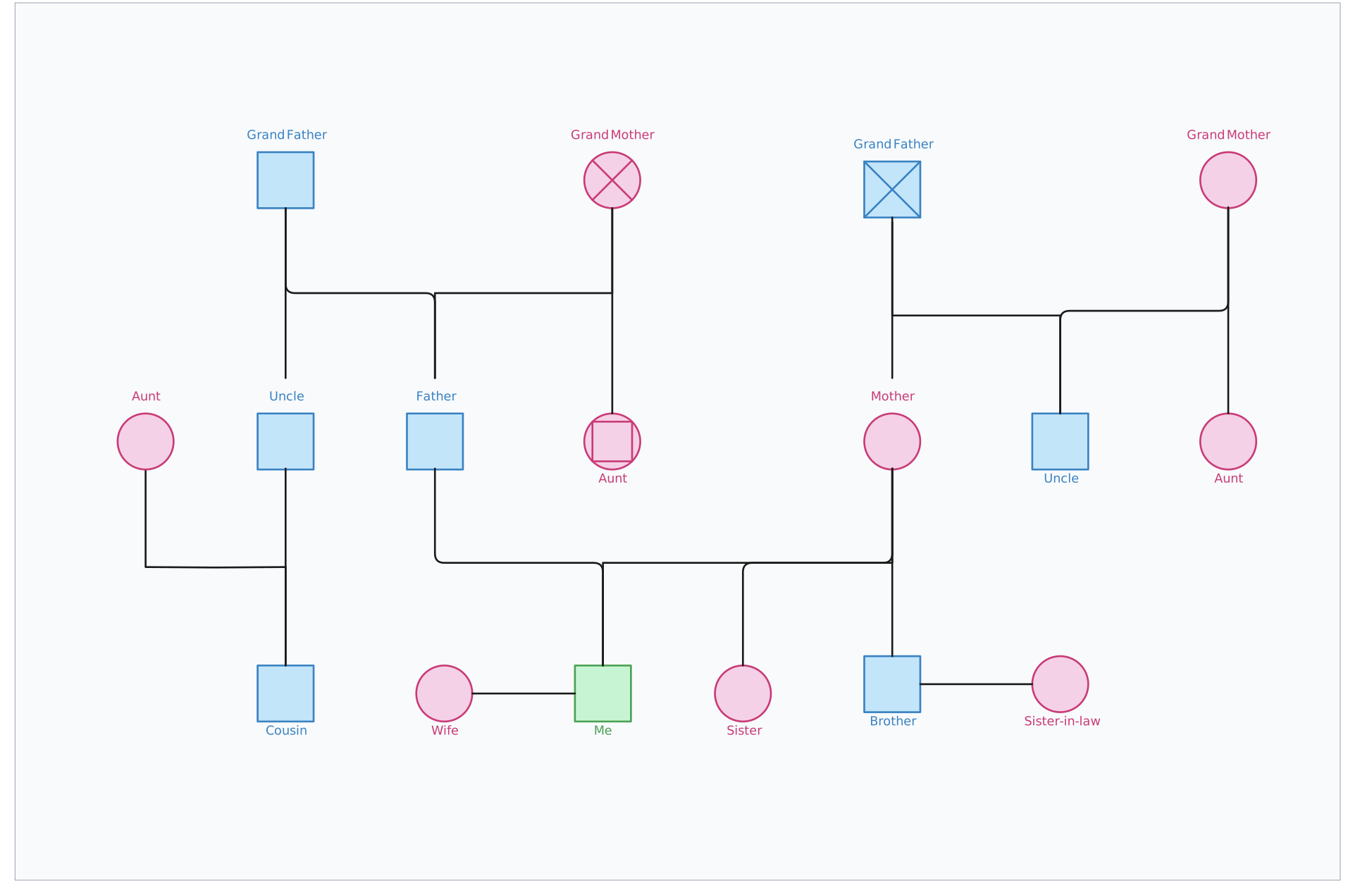
In a genogram, it’s important to keep each generation in a single horizontal row. This makes the family structure clear and easy to follow. By keeping siblings, parents, and grandparents aligned in their respective rows, you create a visual flow that shows how each generation connects to the next. This small rule helps avoid clutter and confusion, allowing anyone reading the genogram to quickly see the relationships between different family members. It’s all about keeping things simple and organized, so the story of your family is easy to understand at a glance.
Before You Finalize Your Genogram
Review your genogram before sharing or using it for analysis:
- Are standard symbols and relationship lines used consistently?
- Are unknown or uncertain details clearly marked?
- Are children, spouses, and generations arranged in a readable order?
- Are important dates included where available?
- Is there a legend for custom symbols, colors, or relationship lines?
- Have unsupported assumptions been removed or noted?
Genogram rules help make complex family information easier to read, compare, and discuss. By using consistent symbols, relationship lines, dates, layout conventions, and legends, you can create a genogram that clearly shows family structure and important patterns without confusing the reader.
The most important rule is accuracy. Document what is known, mark what is uncertain, and avoid making assumptions about relationships, roles, or family history. Whether the genogram is used for personal reflection, therapy, healthcare, social work, or research, clear rules make the final diagram more useful and respectful.
References
Cuartas Arias, J.M. (2019). Genogram: tool for exploring and improving biomedical and psychological research. International Journal of Psychological Research, 10(2), p.6. doi:https://doi.org/10.21500/20112084.3177.
www.sciencedirect.com. (n.d.). Genogram - an overview | ScienceDirect Topics. [online] Available at: https://www.sciencedirect.com/topics/medicine-and-dentistry/genogram.
FAQs About Genogram Rules
What is the purpose of following genogram rules?
Do I have to use all the genogram rules?
How do I handle ambiguous relationships in a genogram?
Can I update my genogram over time?
Why is birth order important in genograms?
Why should I include a legend or key?