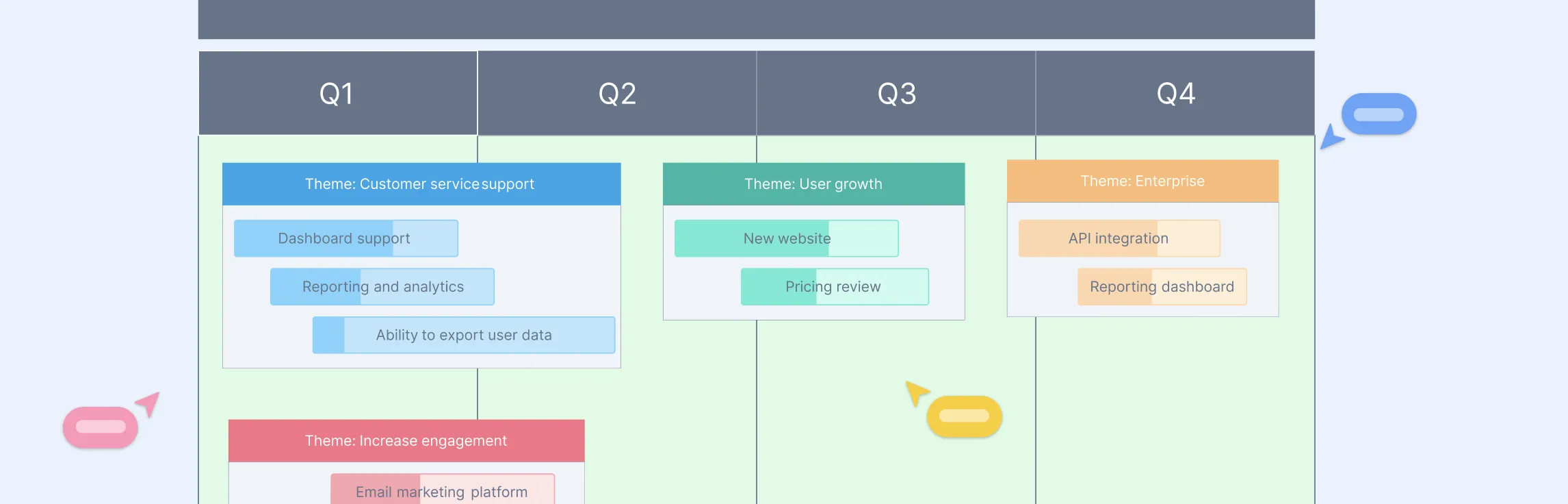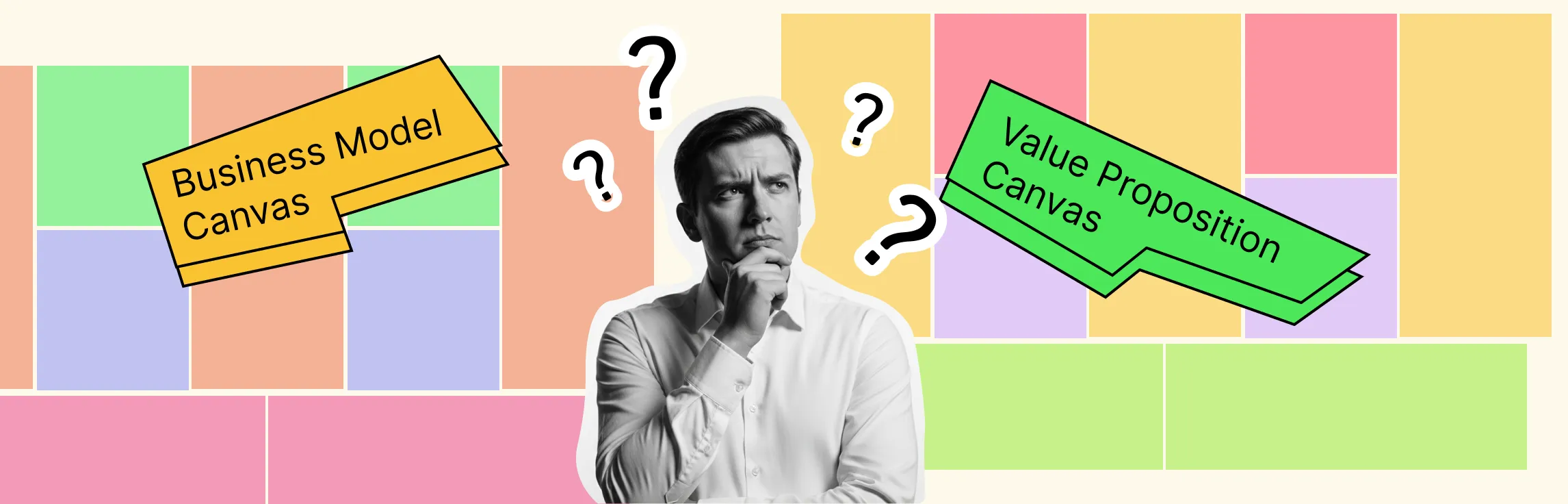
This guide is your roadmap to navigating the complexities of a digital project, with a focus on crafting a winning digital product strategy. Whether you’re launching a new digital product or optimizing an existing one, having a clear strategy is key to ensuring success. We’ll walk you through the essential steps, from setting objectives and understanding your target audience to using digital tools and agile methodologies for seamless execution. By the end of this guide, you’ll be equipped with practical insights to develop and implement a digital product strategy that drives your project forward and ensures lasting impact.
What Is a Digital Product Strategy?
A digital product strategy is a comprehensive plan that guides the development, marketing, and scaling of a digital product. It ensures that every decision, from concept to execution, aligns with both business objectives and user needs.
In modern digital projects, a product strategy not only focuses on delivering value but also on creating an adaptive framework that evolves with market demands and technological advancements. It’s about building a product that serves your audience while staying ahead of the curve in an increasingly digital-first world.


Distinctions Between Traditional and Digital Project Strategies
Traditional project strategies often follow linear, waterfall-like approaches with fixed stages and outcomes. In contrast, a digital product strategy is more dynamic and flexible, allowing for continuous iteration and improvement.
Digital projects rely heavily on real-time user feedback, agile methodologies, and data-driven decision-making. Unlike traditional projects, which may focus solely on deadlines and deliverables, digital strategies prioritize innovation, user experience, and adaptability in response to changing technologies and market trends.
The Role of Digital Transformation and Innovation
Digital transformation plays a pivotal role in shaping digital product strategies by integrating digital technologies into all aspects of a product’s lifecycle. This transformation helps businesses stay competitive in a tech-driven market by fostering greater efficiency, collaboration, and customer engagement.
Innovation is the driving force behind digital product development, encouraging teams to think creatively and use emerging technologies to deliver unique, future-ready products. As digital projects evolve, both transformation and innovation ensure that strategies remain relevant and impactful in a rapidly changing digital landscape.
Starting Your Digital Product Strategy: Market Analysis and Project Scoping
Before diving into a digital project, it’s essential to evaluate the digital landscape to understand the opportunities and challenges that lie ahead. This involves analyzing market trends, technological advancements, and shifts in consumer behavior.
Assessing the digital ecosystem relevant to your project will give insights into how your product can stand out, what digital tools or platforms might be most effective, and where the market is heading. A thorough evaluation of the digital landscape ensures that your Digital Product Strategy is grounded in reality and prepared to capitalize on emerging opportunities.
1. Identifying Target Audiences and Creating User Personas
Understanding your target audience is crucial to building a successful digital product. By creating detailed user personas, you can tailor your product to meet their specific needs, preferences, and pain points.
User personas go beyond basic demographics; they include behavioral insights, motivations, and challenges that your audience faces. This information helps you design a user-centered digital product strategy that resonates with your audience, ensuring your product aligns with their expectations and delivers real value.
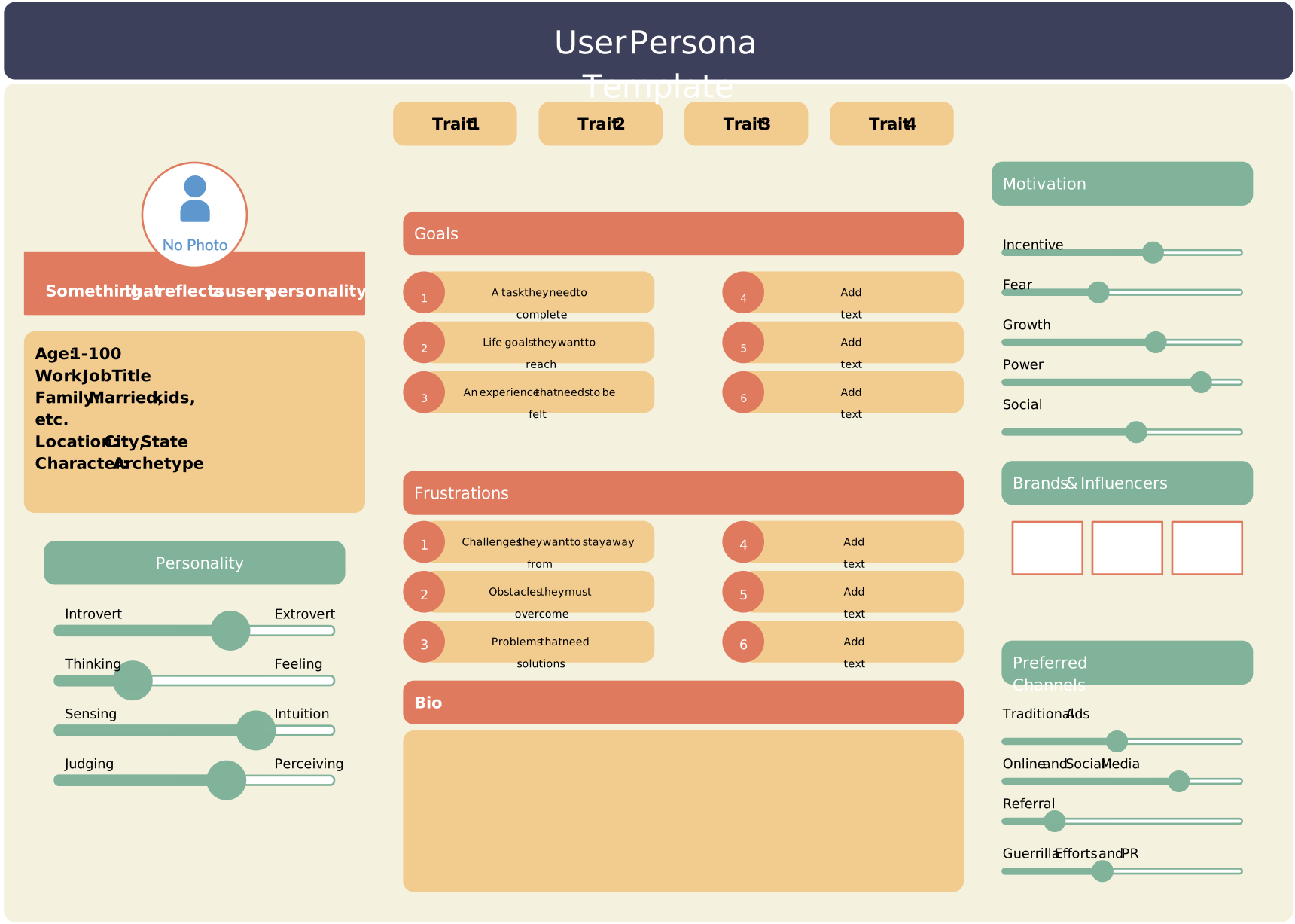
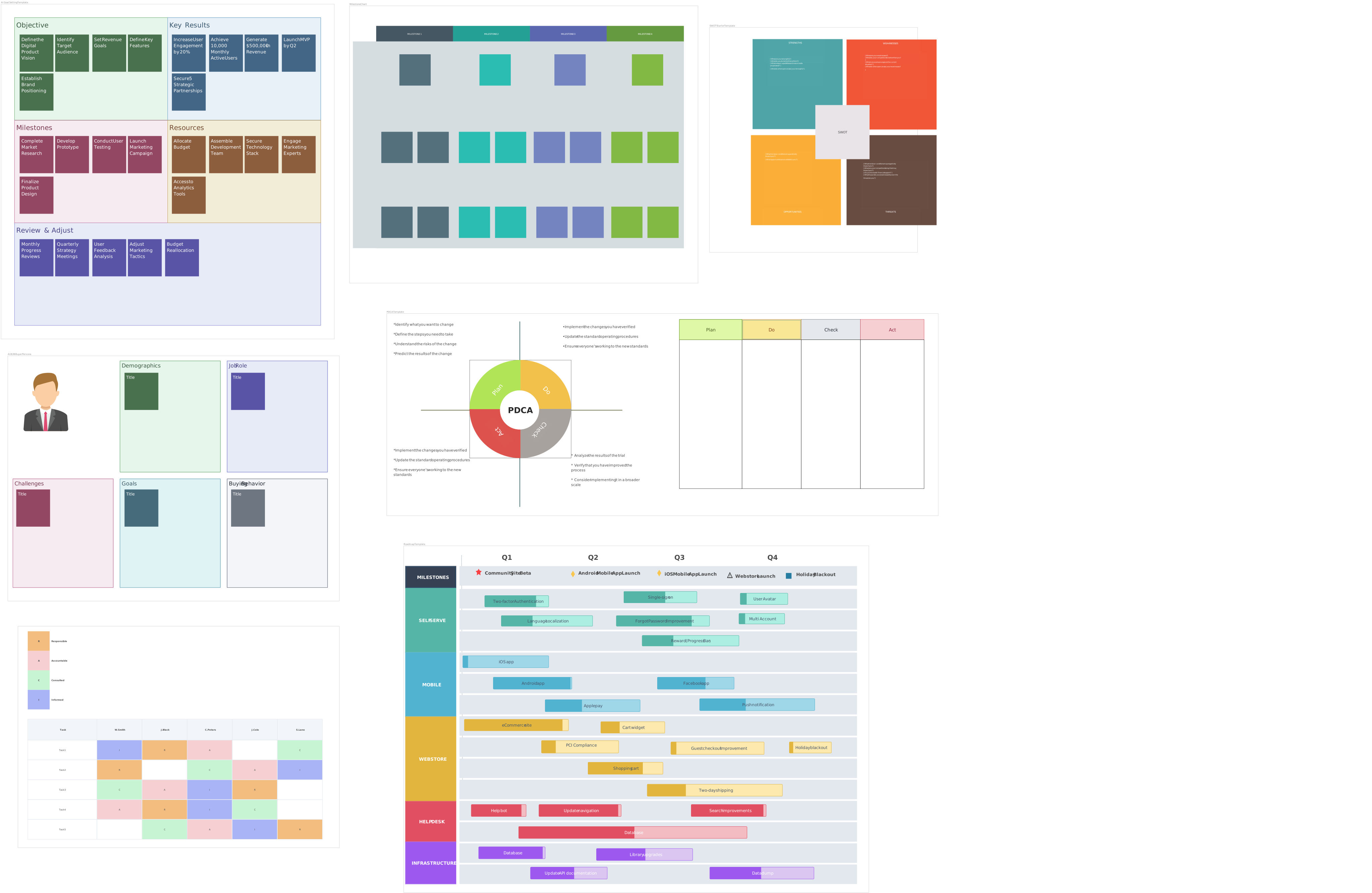
The User Persona Creator helps you easily map out detailed profiles of your target audience. Use this template to define key characteristics such as age, occupation, goals, pain points, and preferred digital channels. It also allows you to capture behavioral patterns, motivations, and challenges. Creately has an AI-powered user persona generator which enhances this process. By filling out these sections, you can visualize the needs of different user segments, helping you prioritize features, design user-centric experiences, and craft marketing messages that resonate. Try this template to ensure your digital product strategy stays focused on delivering real value to the right audience.
2. Conducting Competitor Analysis and Trend Mapping
To refine your Digital Product Strategy, it’s important to conduct a comprehensive competitor analysis. This process helps you identify who your competitors are, what they’re offering, and where your product can differentiate itself. By evaluating competitors’ strengths and weaknesses, you can pinpoint gaps in the market and opportunities to innovate.
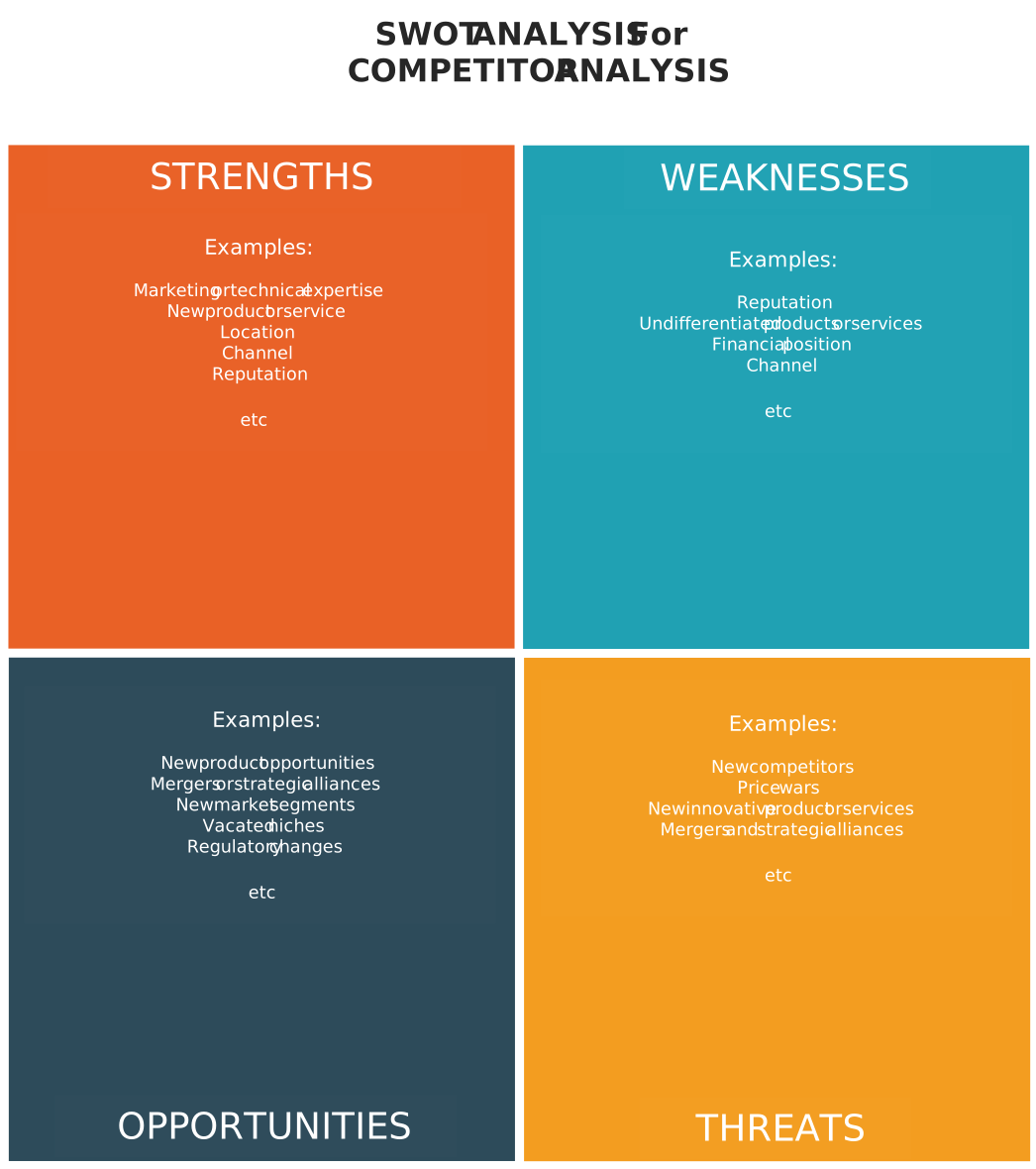
The SWOT Analysis Template enables you to systematically evaluate your competitors by breaking down their Strengths, Weaknesses, Opportunities, and Threats. Use this template to compare product features, pricing models, customer feedback, and market positioning. By identifying competitors’ strengths, you’ll understand industry benchmarks, while analyzing their weaknesses reveals gaps your product can fill. Opportunities highlight market trends to capitalize on, and threats prepare you for potential challenges. This structured approach helps you uncover areas where your digital product strategy can stand out and gain a competitive edge.
Additionally, mapping trends within your industry and analyzing consumer behavior patterns will help you stay ahead of the curve, ensuring your strategy adapts to changes and positions your product for long-term success.
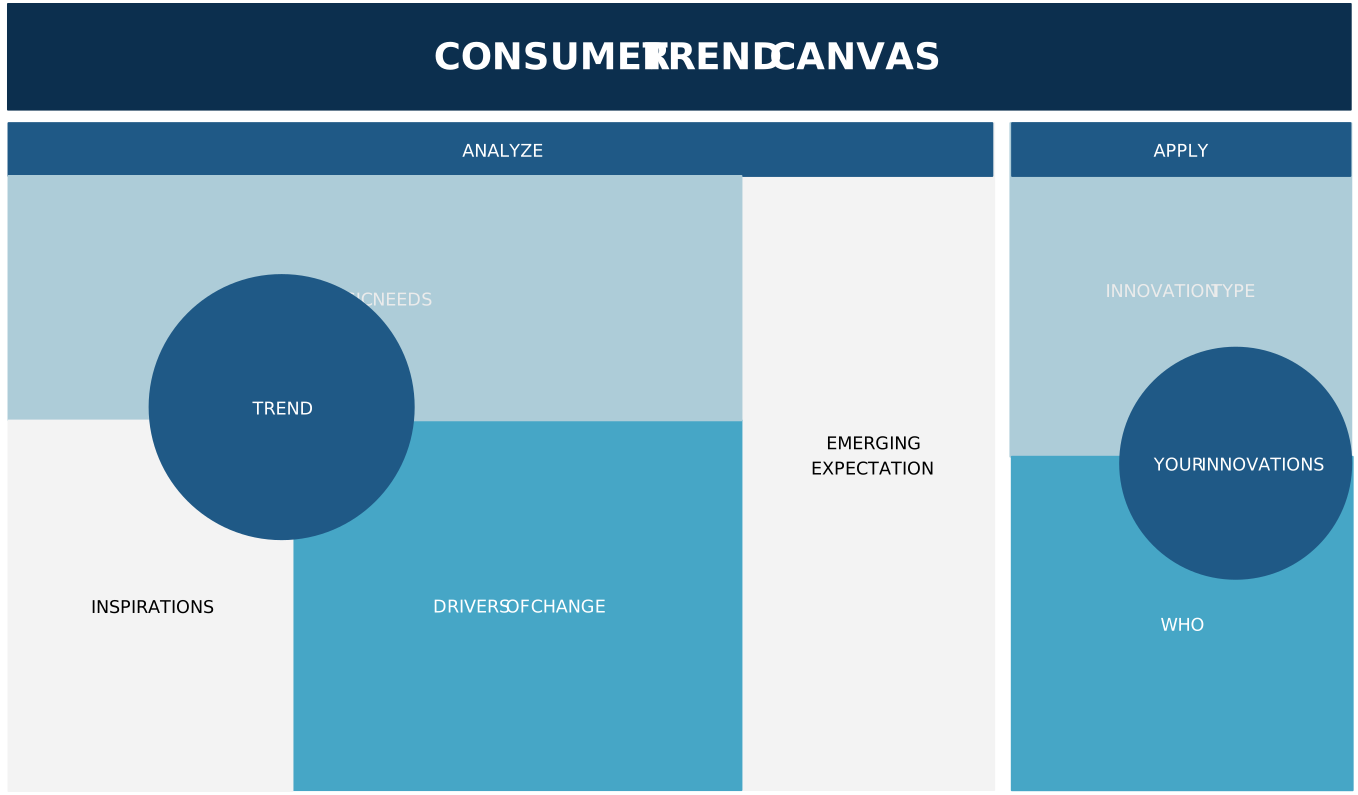
The Consumer Trend Canvas Template helps you identify and analyze key industry trends and evolving consumer behaviors. Use this template to map out emerging trends, understand what drives them, and assess how they impact customer expectations. By exploring factors such as technological advancements, cultural shifts, and market demands, you can align your digital product strategy with future opportunities. This template also guides you in connecting these trends to actionable business insights, ensuring your product remains relevant, innovative, and positioned for long-term success.
Strategic Planning for Your Digital Project
3. Setting Clear Objectives, KPIs, and Business Goals
A successful Digital Product Strategy starts with well-defined objectives that align with your broader business goals. Establishing clear, measurable key performance indicators (KPIs) is crucial for tracking progress and ensuring the project stays on course. These KPIs should reflect both short-term milestones and long-term business outcomes, such as user engagement, customer acquisition, or revenue growth.
By setting SMART (Specific, Measurable, Achievable, Relevant, Time-bound) objectives, you create a solid foundation that guides decision-making and aligns your digital product with your business vision.
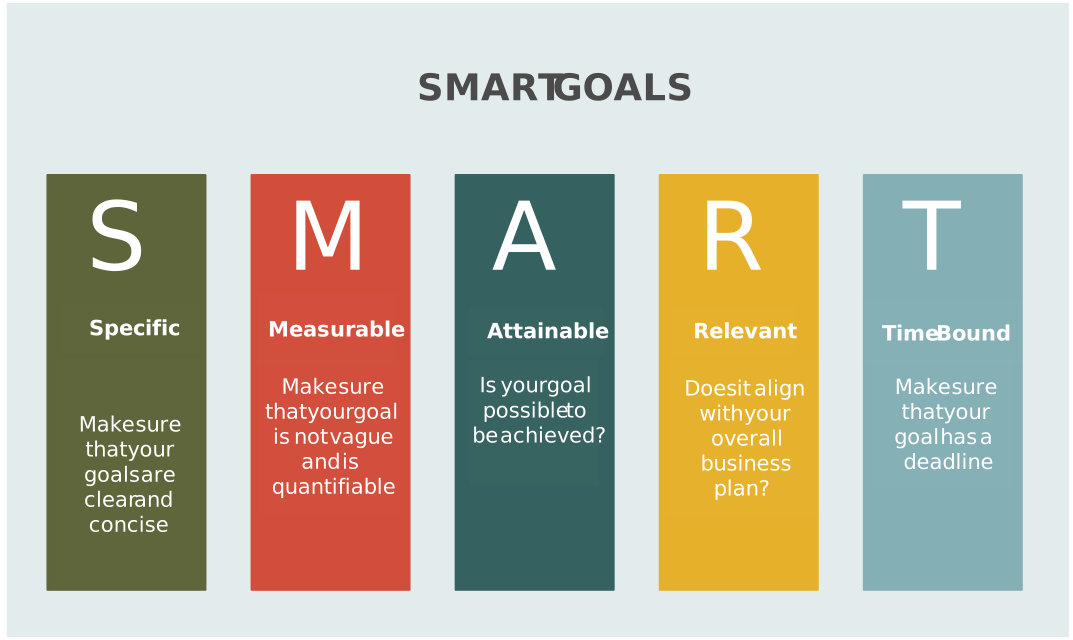
The SMART Goals Template helps you define clear, actionable objectives for your digital product strategy by ensuring they are Specific, Measurable, Achievable, Relevant, and Time-bound. Use this template to break down broad business goals into focused targets, such as improving user engagement by a certain percentage or reaching a specific revenue milestone within a set timeframe. By outlining these goals alongside corresponding KPIs, you can track progress effectively, make data-driven decisions, and ensure your digital product stays aligned with long-term business outcomes.
4. Crafting a Customer-Centric Digital Product Strategy
The heart of any effective Digital Product Strategy is a focus on the customer. Crafting a strategy that is customer-centric means understanding your audience’s needs, desires, and pain points, and designing solutions that directly address them. This involves gathering user feedback, analyzing data, and continuously refining the product to ensure it delivers exceptional user experiences. A customer-centric approach not only helps retain loyal users but also drives growth through positive word-of-mouth and customer advocacy.
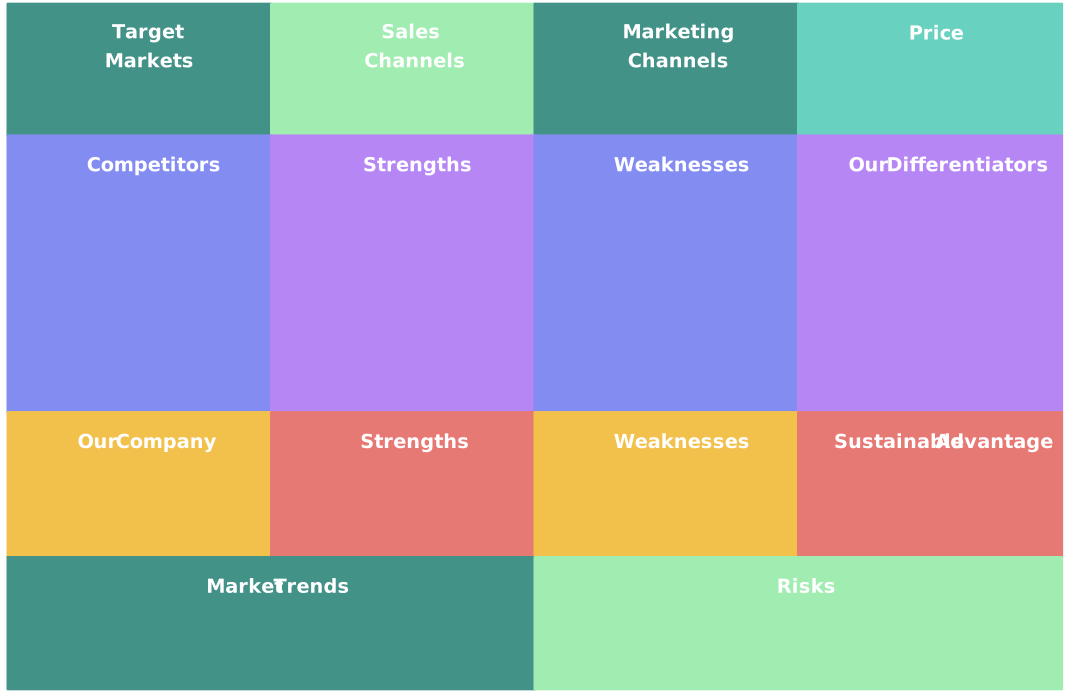
The Product Strategy Template provides a structured framework to design a customer-centric digital product strategy by aligning product features with user needs and business goals. Use this template to map out key elements such as target customer segments, value propositions, customer pain points, and solution offerings. It also helps you prioritize features based on customer impact and business value. By visualizing these components, you can ensure that every strategic decision focuses on delivering meaningful user experiences, fostering customer loyalty, and driving sustainable growth.
5. Integrating Agile Methodologies into Your Project Plan
Agile methodologies are a key component in executing a flexible and responsive Digital Product Strategy. By adopting an iterative approach, your team can break the project into smaller, manageable sprints, allowing for continuous improvement and adaptation. This enables you to release incremental updates, test features, and gather real-time feedback.
The agile methodologies foster collaboration, minimize risks, and ensure that your digital product evolves in alignment with both user needs and market dynamics, ensuring your strategy remains relevant and responsive throughout the project lifecycle.
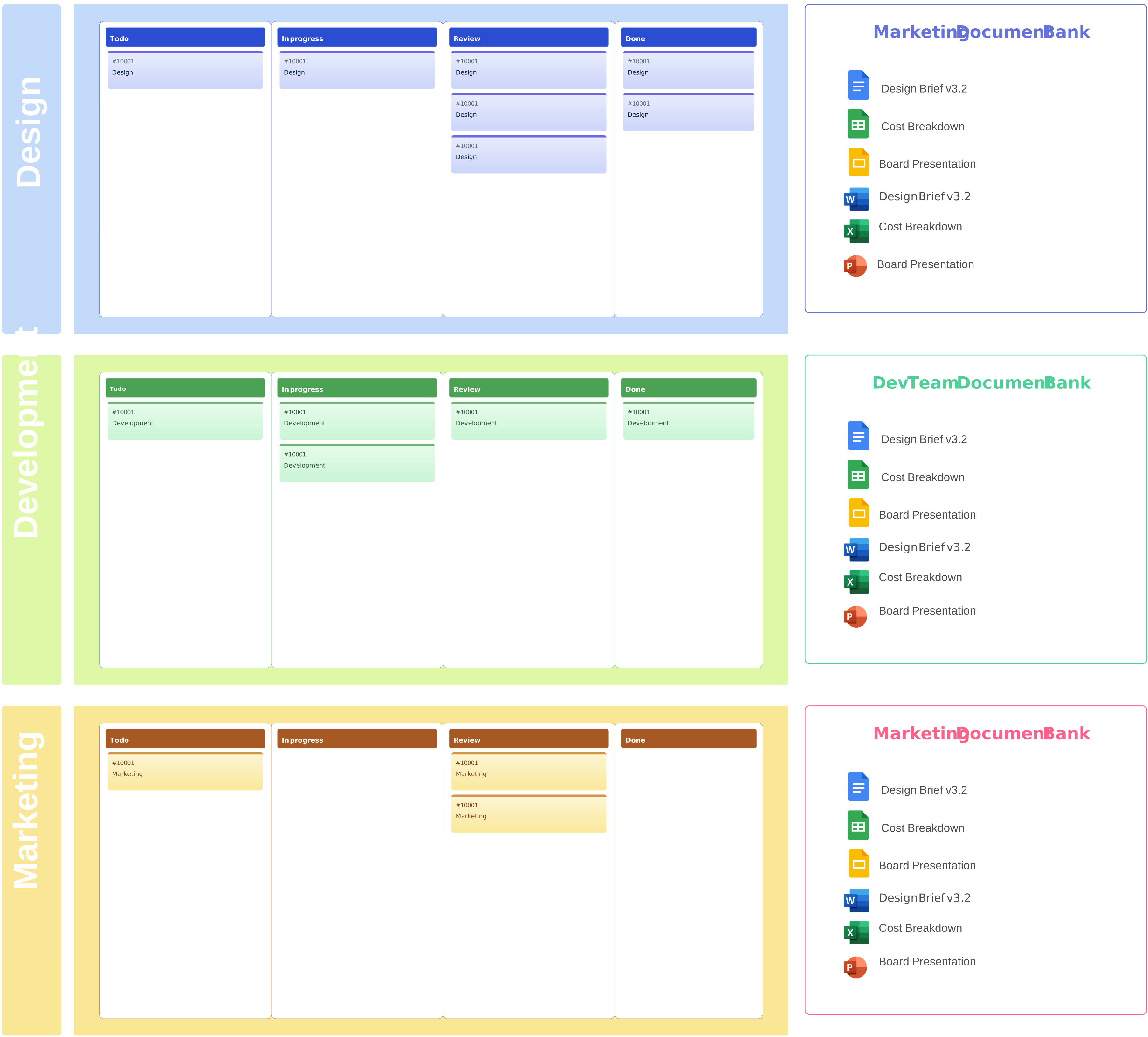
The Agile Board Template helps you seamlessly incorporate Agile methodologies into your digital product strategy by visualizing and managing project tasks through iterative sprints. Use this template to organize your workflow into columns such as To Do, In Progress, and Done, ensuring transparency and accountability across cross-functional teams. It allows you to prioritize tasks, track progress in real-time, and quickly adapt to changes based on user feedback. By leveraging this template, your team can maintain a flexible approach, delivering continuous improvements and ensuring the digital product evolves to meet user needs efficiently.
Developing a Digital Product Strategy Roadmap
Creating a clear and actionable roadmap is essential for ensuring your digital product strategy stays on track and aligns with both short-term goals and long-term vision.
Here’s a step-by-step guide to developing a digital product strategy roadmap:
1. Define Your Vision and Goals
Start by articulating the overall vision for your digital product. What problem does it solve, and how does it fit into the broader market? Define your goals in terms of business impact, user experience, and innovation. These goals should align with your company’s mission and set the stage for the product’s development.
2. Break Down Strategic Objectives into Specific Milestones
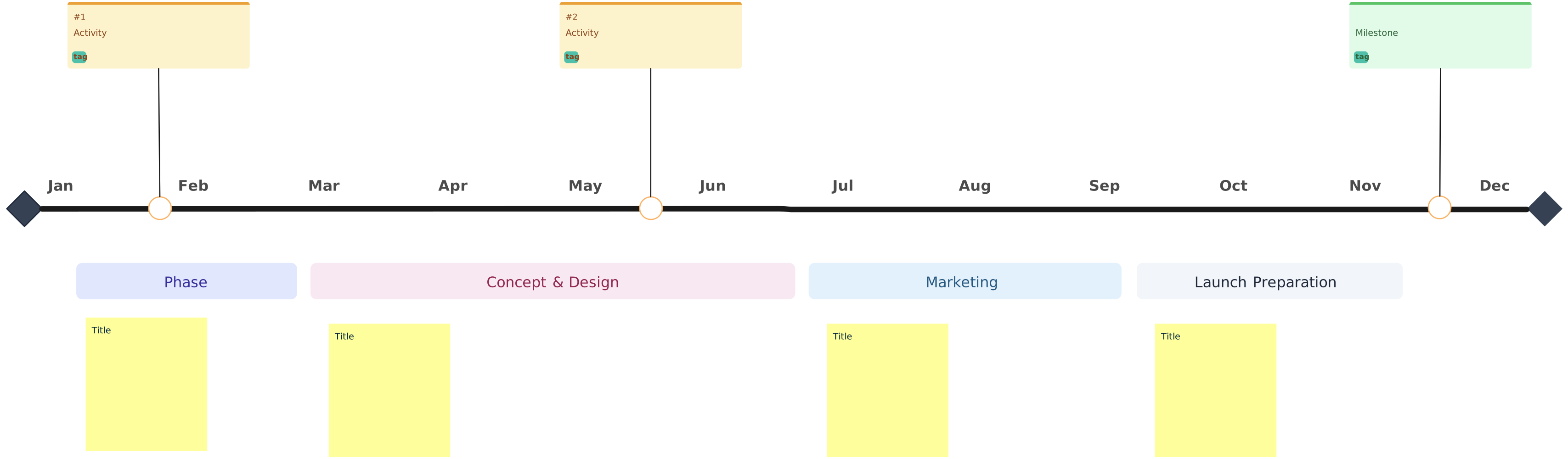
Once your vision is clear, break it down into actionable milestones. These milestones should represent key phases in the development of your digital product—such as concept design, prototype creation, user testing, and final launch. Assign deadlines and prioritize them based on their importance to the product’s success.
3. Map Out Features and Deliverables
Identify the core features and functionalities your product will offer. Create a list of essential deliverables for each phase of the project using product roadmap software. This might include user interface designs, backend integrations, and any technological innovations that will differentiate your product. Ensure that the features align with both user needs and business objectives.
4. Allocate Resources and Budget
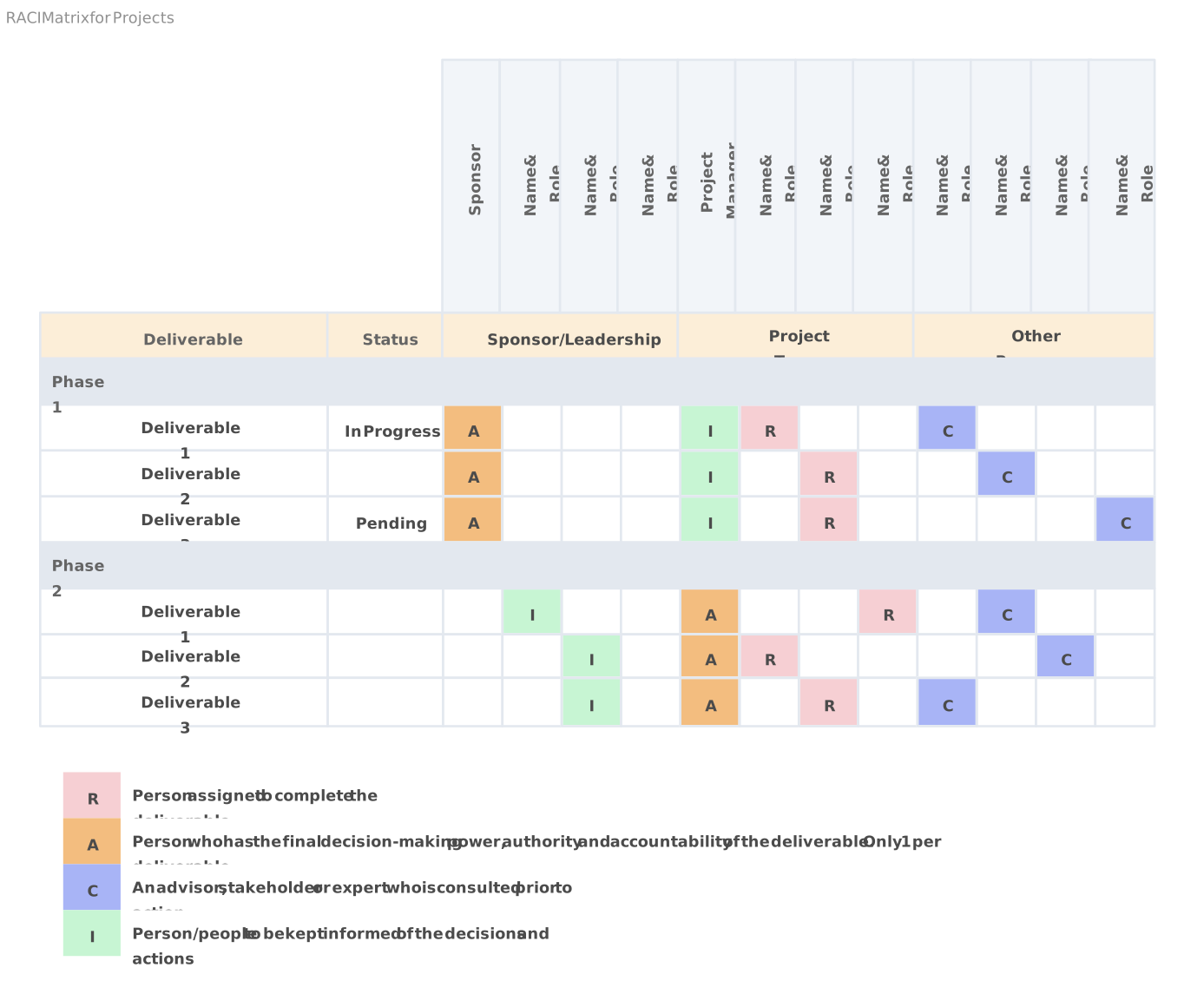
For each phase of the roadmap, allocate the necessary resources, including team members, budget, and technology. You can use a resource breakdown structure to identify how to distribute the resources. A well-planned budget will help you manage costs effectively and avoid unnecessary delays during product development.
Clearly define roles and responsibilities to ensure that all stakeholders are aligned.
5. Set Key Performance Indicators (KPIs)
Establish KPIs for each stage of the roadmap to monitor progress and success. These could include metrics like user acquisition rates, engagement levels, and revenue targets. Regularly track and adjust your KPIs to ensure that you stay on target and can pivot if necessary.
6. Plan for Iteration and Feedback
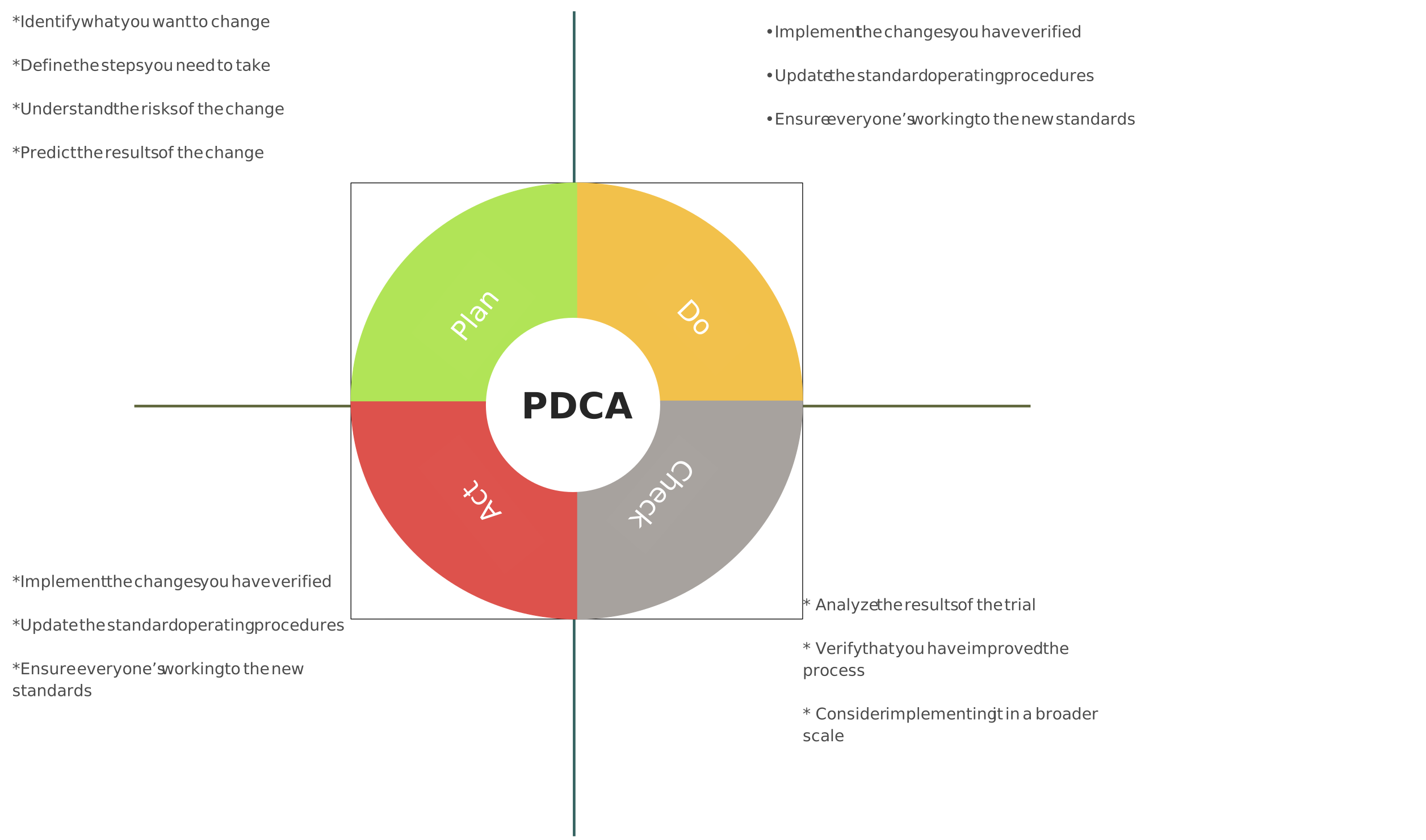
Your digital product strategy roadmap should incorporate room for iteration and continuous feedback. Plan for regular check-ins, where you can assess the product’s performance and make adjustments based on user testing or market feedback. This ensures that the product remains aligned with customer needs and industry trends.
7. Build a Go-to-Market Strategy
Finally, plan your product’s launch by developing a go-to-market strategy. This should include marketing campaigns, partnership opportunities, and sales strategies to ensure a successful product introduction. Think about how you’ll engage your target audience and generate excitement leading up to the launch.
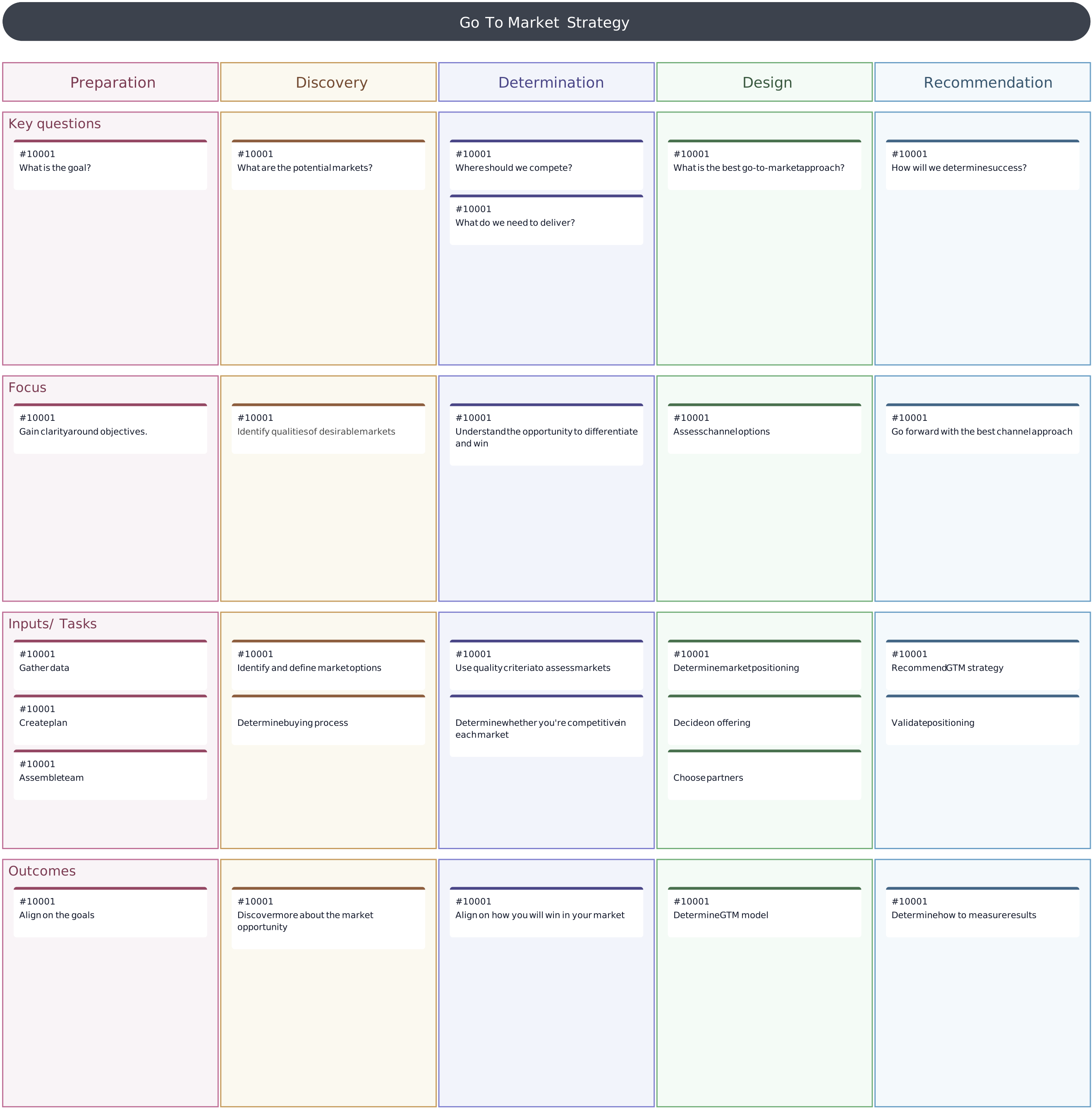
By following these steps, you’ll develop a comprehensive Digital Product Strategy roadmap that keeps your project on course and ensures you’re prepared for each phase of development. A well-structured roadmap helps you visualize the journey, stay focused on goals, and efficiently allocate resources to achieve success.
How to Implement a Digital Product Strategy
Once you’ve developed your digital product strategy, the next step is putting it into action. Successful implementation requires coordination, communication, and the right tools to ensure your strategy is executed effectively. This phase is about translating your roadmap into tangible outcomes while adapting to feedback and evolving market conditions. Here’s how to implement your strategy seamlessly:
1. Building Cross-Functional Teams and Securing Leadership Buy-In
A successful digital product strategy requires the involvement of multiple departments—product development, marketing, sales, customer support, and more. Building cross-functional teams ensures diverse perspectives, allowing your strategy to be well-rounded and aligned with all aspects of the business.
Parallelly, securing leadership buy-in is crucial. When leadership is aligned with the vision, you gain access to the resources, support, and authority needed to drive the strategy forward. Their commitment will help ensure that all teams stay motivated and focused on the end goal.
2. Leveraging Digital Tools for Visual Strategy Mapping
Using a visual collaboration tool, such as Creately, can help bring your digital product strategy to life. Also, visual strategy mapping software enables your teams to see the big picture, understand each phase of the product lifecycle, and track progress.
Creately’s collaborative features allow team members to brainstorm, map out processes, and share ideas in real time. This not only streamlines communication but also provides clarity on roles and responsibilities, helping everyone stay aligned throughout the project’s execution.
3. Executing the Strategy with Agile and Iterative Approaches
To ensure your digital product strategy stays flexible and responsive, it’s essential to implement agile and iterative approaches. Agile methodologies allow teams to work in short sprints, continuously testing, refining, and delivering value.
Incorporating regular feedback loops helps make data-driven decisions and adjust the product as needed. Iteration ensures that your product evolves in line with user feedback and market shifts, creating a continuous cycle of improvement and innovation that keeps the project on track and aligned with your overall strategy.
By following these steps—building the right teams, utilizing the right tools, and adopting agile principles—you’ll be well on your way to successfully implementing your digital product strategy, ensuring your product meets both user needs and business goals.
Helpful Resources
Explore the strategic process of overseeing the lifecycle of digital products—from ideation to launch and continuous improvement.
Organize your everyday workflows and set your team up for success. Visually organize and track the progress of any kind of work collaboratively.
Effortlessly create a roadmap to clarify vision, enhance communication, and improve execution.
Explore how agile workflows embrace fluidity, allowing teams to focus on what really matters and adapt as needed.
This guide delves into the various stages of the product development process and helps you use the framework as a compass to guide you as you go about developing a product.
Measuring Success and Optimizing Your Digital Project
Measuring the success of your digital product strategy is critical to ensuring that your digital project achieves its intended outcomes and drives long-term value. The process of monitoring progress and making adjustments along the way allows you to stay aligned with your goals and continuously improve your product. Here’s how to measure success and optimize your digital project effectively:
Key Performance Metrics for Evaluating Digital Product Strategy
To assess the effectiveness of your Digital Product Strategy, it’s essential to establish clear key performance metrics (KPIs). These could include user engagement rates, customer retention, revenue growth, market share, or user satisfaction.
Setting both short-term and long-term KPIs allows you to track the impact of your strategy at every stage of the project. Regularly reviewing these metrics helps ensure that you’re meeting your objectives and allows you to make informed decisions about where adjustments are needed.
Utilizing Analytics to Monitor Project Progress
Analytics play a pivotal role in measuring the success of your digital product strategy. Leveraging tools like Google Analytics, product analytics platforms, or even Creately’s data visualization capabilities, you can monitor key metrics in real time.
Analytics provide actionable insights into user behavior, feature adoption, and areas for improvement. By using this data to adjust your strategy as needed, you can ensure that your digital product evolves to meet user needs and business goals. Continuously monitoring progress allows you to stay agile and make data-driven decisions to optimize your project.
Iterative Improvements and Case Studies of Successful Digital Projects
One of the key aspects of a successful digital product strategy is the ability to iterate and improve over time. By gathering feedback from users, analyzing performance data, and testing new features, you can make ongoing enhancements to the product. This iterative approach ensures that your product remains relevant and effective in a constantly evolving digital landscape.
Studying case studies of other successful digital projects can also provide valuable lessons. Seeing how others have applied similar strategies and iterated their products offers insight into best practices, potential pitfalls, and innovative solutions you can incorporate into your own project.
By measuring success through key metrics, using analytics to monitor progress, and embracing iterative improvements, you can ensure that your Digital Product Strategy remains on track, continuously optimized, and poised for long-term success.
Conclusion: Driving Success with a Digital Product Strategy
A comprehensive Digital Product Strategy is key to the success of your digital project, aligning your goals, resources, and team to create a product that truly delivers value. By understanding your market, defining clear objectives, and leveraging the right tools and methodologies, you ensure that every phase of your project is executed with purpose. With a customer-centric approach and agile practices, your strategy helps you stay adaptable, keeping the product aligned with user needs and business goals.
Moving forward, focus on actionable insights like setting measurable KPIs, using analytics to track progress, and continuously iterating to improve your product. A successful Digital Product Strategy doesn’t end at launch—it’s an ongoing process of refinement. Stay flexible, monitor performance, and keep improving to ensure long-term success and growth for your digital project.
FAQs About Digital Product Strategy
What is a digital product strategy, and why is it important?
How do you create an effective digital product strategy?
How does a digital product strategy differ from a traditional product strategy?
Resources:
Lyytinen, K., Yoo, Y. and Boland Jr., R.J. (2015). Digital product innovation within four classes of innovation networks. Information Systems Journal, 26(1), pp.47–75. doi:https://doi.org/10.1111/isj.12093.
Nylén, D. and Holmström, J. (2015). Digital innovation strategy: A framework for diagnosing and improving digital product and service innovation. Business Horizons, [online] 58(1), pp.57–67. doi:https://doi.org/10.1016/j.bushor.2014.09.001.