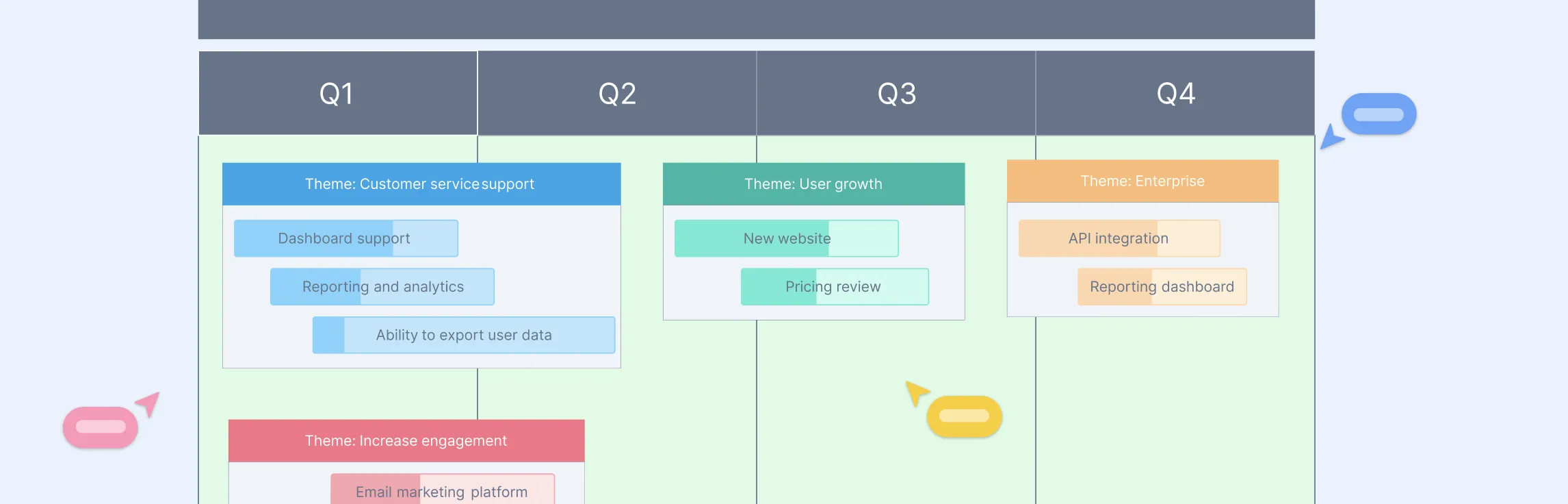
In today’s digital-first world, businesses rely on software, apps, and online platforms to deliver value to their customers. Digital product management is the strategic process of overseeing the lifecycle of these digital products—from ideation to launch and continuous improvement. It involves aligning business objectives, user needs, and technology to create products that drive growth, engagement, and customer satisfaction.
What Is Digital Product Management?
Digital product management is the process of strategizing, developing, launching, and optimizing software-based products such as mobile apps, SaaS platforms, and digital tools. It involves understanding user needs, aligning business goals with product development, and continuously iterating based on data-driven insights. Unlike traditional product management, digital product management focuses on rapid innovation, user experience, and scalability in an ever-evolving digital landscape.
At its core, digital product management begins with a deep understanding of user needs. Product managers work closely with cross-functional teams to conduct thorough market research and gather user insights. This information helps identify customer pain points, map out user journeys, and prioritize features that will deliver real value. By continuously collecting and analyzing feedback, teams ensure that the product remains aligned with both user expectations and evolving market trends.
For instance, a company developing a mobile banking app needs to constantly adapt its product to meet user demands, such as adding new features like instant payments or better security measures. Through ongoing user feedback and real-time analytics, the product evolves in a way that aligns with both user preferences and business objectives.
Another example is an e-commerce platform like Amazon, where product managers continuously refine features like search algorithms, product recommendations, and checkout flows. These improvements are data-driven, aiming to enhance the user experience and increase sales by making the platform more intuitive and responsive to customer needs.
In essence, digital product management is a dynamic blend of strategic planning, technical expertise, and a relentless focus on user satisfaction. It is the driving force behind successful digital innovations, enabling organizations to remain competitive in a fast-paced, ever-evolving digital landscape.
Who Is a Digital Product Manager?
A digital product manager is a professional responsible for overseeing the entire lifecycle of a digital product, from ideation and development to launch and continuous improvement. They act as the bridge between business goals, user needs, and technical teams, ensuring the product delivers value to both users and the organization.
Digital product managers work closely with cross-functional teams, including developers, designers, marketers, and sales professionals, to deliver products that are scalable, user-friendly, and aligned with business objectives.
Key Responsibilities of a Digital Product Manager
- Defining Product Vision and Strategy: Setting clear goals and outlining the product roadmap based on market research and business priorities.
- Leading Cross-Functional Teams: Collaborating with engineering, design, marketing, and sales teams to ensure seamless product development and launch.
- User Research and Analysis: Understanding customer needs through data, feedback, and market trends to inform product decisions.
- Prioritizing Features: Managing the product backlog and deciding which features to build, improve, or retire.
- Product Launch and Go-to-Market Strategy: Coordinating product releases, marketing campaigns, and user onboarding processes.
- Continuous Improvement: Gathering user feedback, analyzing performance metrics, and iterating the product for better user experience and performance.
Essential Skills for a Digital Product Manager
- Strategic Thinking: Ability to align product development with business objectives.
- Technical Knowledge: Understanding of software development processes and digital technologies.
- Data-Driven Decision-Making: Proficiency in using analytics to guide product strategies.
- Strong Communication: Effective collaboration with diverse teams and clear articulation of product vision.
- Problem-Solving: Quickly identifying issues and implementing practical solutions.
- Agile Methodologies: Familiarity with Agile and Lean frameworks for rapid and flexible product development.
How Digital Product Management Differs from Traditional Product Management
While both digital and traditional product management share the ultimate goal of delivering products that meet customer needs and drive business success, the nature of the products they oversee leads to significant differences in their processes, strategies, and challenges.
Traditional product management typically focuses on physical goods, involving complex logistics like manufacturing, inventory management, and distribution. In contrast, digital product management is centered around software-based products—such as mobile applications, SaaS platforms, and digital tools—that can be continuously refined and updated based on user feedback and market demands.
Let’s explore these differences in detail:
Traditional vs. Digital Product Management | ||
| Aspect | Traditional Product Management | Digital Product Management |
Product Lifecycle & Iteration Speed |
|
|
Scalability and Distribution |
|
|
Development Methodologies |
|
|
User Feedback & Data Utilization |
|
|
Cost Structures and Revenue Models |
|
|
Cross-Functional Collaboration |
|
|
Digital product management plays a critical role in today’s fast-paced, technology-driven business landscape. Its ability to deliver products faster, adapt to user needs in real time, and scale without heavy logistical investments makes it indispensable for modern businesses. By leveraging Agile methodologies, data-driven insights, and global scalability, digital product management ensures that software products remain relevant, competitive, and customer-centric.
The Importance of Digital Product Management in Modern Businesses
With industries becoming increasingly digital, effective digital product management is crucial for staying competitive. Businesses must deliver seamless digital experiences, optimize customer engagement, and adapt quickly to market demands. Successful digital product management enables companies to:
- Build user-centric products that solve real problems.
- Increase customer retention through continuous updates and improvements.
- Leverage data and analytics for informed decision-making.
- Streamline collaboration across teams using tools like Creately, which helps visualize product strategies, workflows, and roadmaps.
By mastering digital product management, organizations can create innovative, scalable, and high-performing digital products that drive long-term success.
Utilizing platforms like Creately, businesses can streamline the complexity of these roles. Tools such as strategy mapping software offered by Creately enable teams to visually plan and manage the strategic initiatives integral to digital product success. This allows for the centralization of all product-related activities on a single, collaborative platform, bolstering the efficacy of the digital product management landscape.
8 Unique Features of Digital Products
Digital products differ significantly from physical goods, offering unique characteristics that influence their development, distribution, and management. Here are some key features that set digital products apart:
1. Scalability
Unlike physical products, digital products can be replicated and distributed at scale with minimal cost. Whether it’s a SaaS platform, an online course, or a mobile app, once the initial development is complete, additional units can be delivered instantly without significant production expenses.
2. Continuous Iteration and Improvement
Digital products are not static; they can be updated, improved, and refined based on user feedback and data analytics. Through agile development practices and regular software updates, businesses can enhance functionality, fix issues, and adapt to changing market needs.
3. Intangible and Experience-Driven
Unlike tangible goods, digital products often deliver value through experience rather than physical ownership. Whether it’s a subscription-based service, cloud software, or digital content, the user’s interaction, ease of use, and overall experience determine the product’s success.
4. Instant and Global Distribution
With internet connectivity, digital products can reach global audiences instantly. This allows businesses to scale rapidly and expand their market without the logistical challenges associated with physical goods, such as manufacturing, warehousing, and shipping.
5. Data-Driven Decision Making
Digital products generate vast amounts of user data, enabling businesses to analyze behavior, track performance, and optimize user experience. Product teams leverage data analytics, A/B testing, and user feedback to make informed decisions and improve engagement.
6. Low Marginal Cost
Once a digital product is developed, the cost of distributing additional copies is relatively low. Unlike physical products that require raw materials, production, and logistics, digital products can be duplicated and delivered at nearly zero cost.
7. Subscription and Monetization Flexibility
Many digital products operate on subscription-based models, offering recurring revenue streams. Additionally, businesses can experiment with freemium models, in-app purchases, licensing, and advertising-based monetization to maximize revenue potential.
8. Integration and Interoperability
Digital products often integrate with other tools, platforms, or ecosystems. APIs, plug-ins, and cloud-based services enable seamless interoperability, enhancing user experience and expanding product functionality.
Understanding these unique features is essential for effective digital product management, ensuring businesses can optimize development, delivery, and user engagement. Creately offers a solution for managing these digital products. It facilitates visual project management and strategic collaboration, streamlining the digital product lifecycle from innovation to iteration, and helping product managers maintain agility.
The Digital Product Management Lifecycle
Successful digital product management follows a structured product lifecycle, from idea generation to continuous refinement. Each stage plays a crucial role in ensuring the product meets user needs, aligns with business goals, and remains competitive.
Step 1. Ideation & Market Research
The foundation of any digital product starts with identifying problems, market opportunities, and user pain points. This stage involves:
- Conducting competitor analysis and industry research.
- Gathering customer insights through surveys, interviews, and analytics.
- Identifying product gaps and market demand.
By validating ideas early, product teams can ensure they are building solutions that truly address user needs.
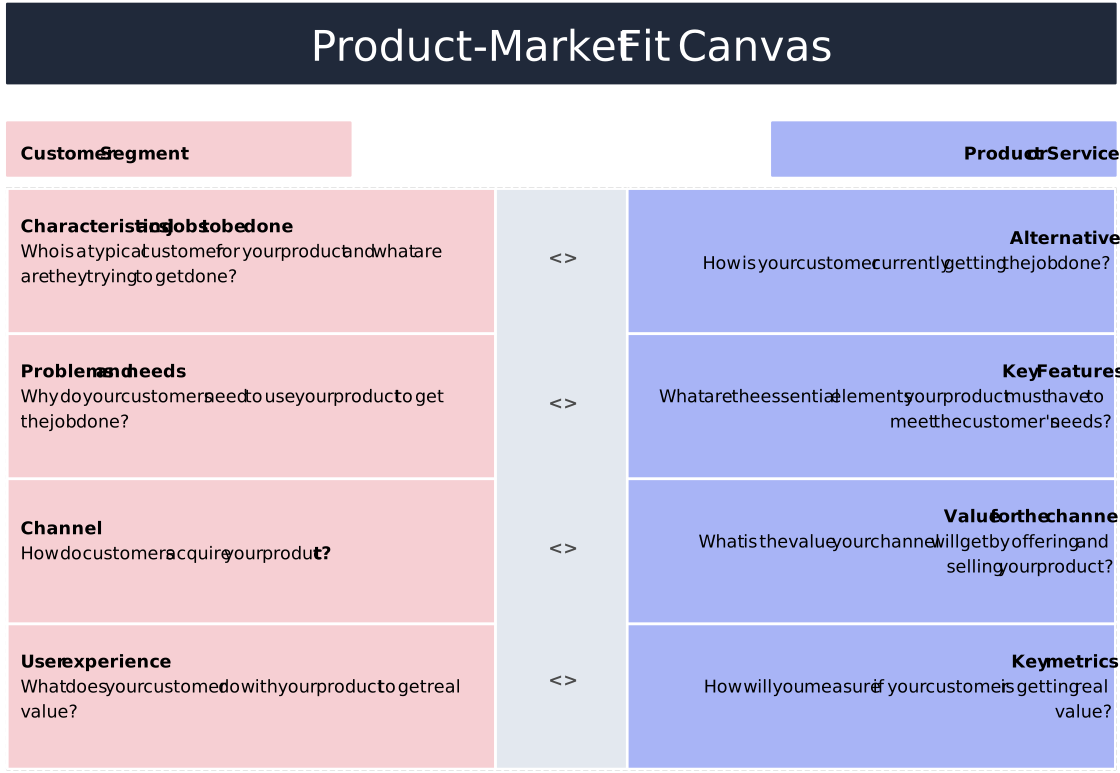

This template helps you visualize the alignment between your product and its target market. It allows product managers to clearly define:
- Customer segments and their pain points.
- The value proposition your product offers.
- The product’s unique features that solve these problems. By using this template, teams can ensure they are building a product that truly meets market needs and validates product-market fit early on.
Step 2. Product Strategy & Roadmap
Once an idea is validated, it’s time to define the product vision, set objectives, and create a roadmap that outlines key milestones. This step includes:
- Establishing product goals and success metrics.
- Prioritizing features based on business impact and user value.
- Aligning cross-functional teams on the development timeline.
A well-structured product roadmap keeps all stakeholders aligned and ensures efficient execution.
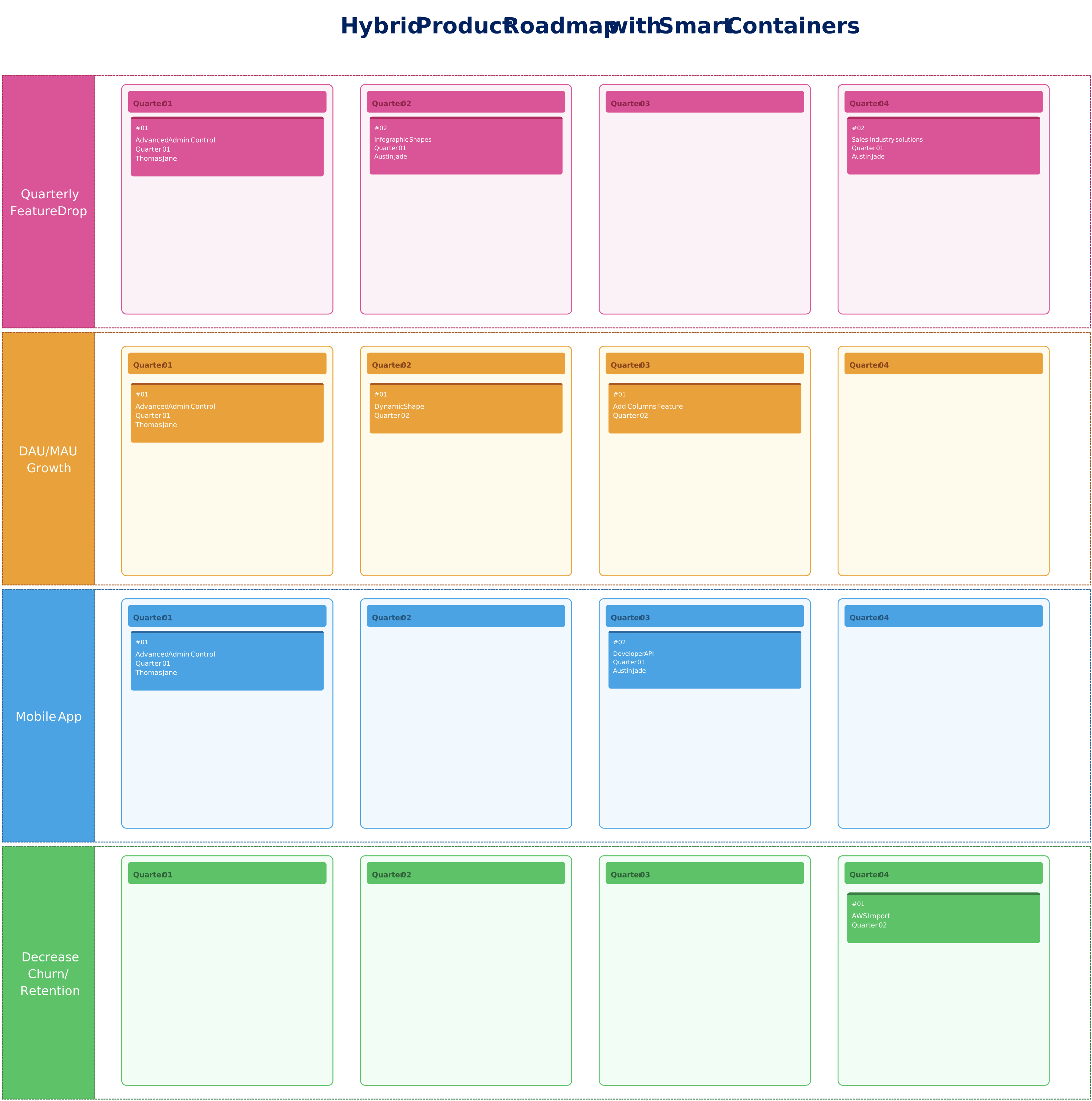
The Product Roadmap template is essential for defining your product vision, strategy, and key milestones. It helps:
- Set short-term and long-term goals.
- Prioritize features based on user needs and business objectives.
- Align cross-functional teams on the product’s development timeline. This template keeps everyone on the same page and ensures the product is progressing toward strategic goals.
Step 3. Design & Prototyping
Before development begins, product managers collaborate with UX/UI designers to create initial prototypes and test user interactions. This stage involves:
- Wireframing and sketching early designs.
- Creating interactive prototypes for usability testing.
- Refining design elements based on user feedback.

The User Flow Diagram template visualizes the journey a user takes within the product. It helps:
- Map out interactions, navigation paths, and decision points.
- Ensure the design is intuitive and user-friendly.
- Identify areas for improvement or simplification in the user experience. By using this template, teams can design a seamless, efficient, and enjoyable user experience.
Step 4. Development & Testing
With a clear design in place, the product moves into development, where Agile methodologies play a crucial role in iterative progress. This phase includes:
- Building an MVP (Minimum Viable Product) to test core functionalities.
- Running usability tests and debugging issues.
- Collaborating between developers, QA testers, and product managers.
Testing ensures that the product is functional, reliable, and ready for launch.
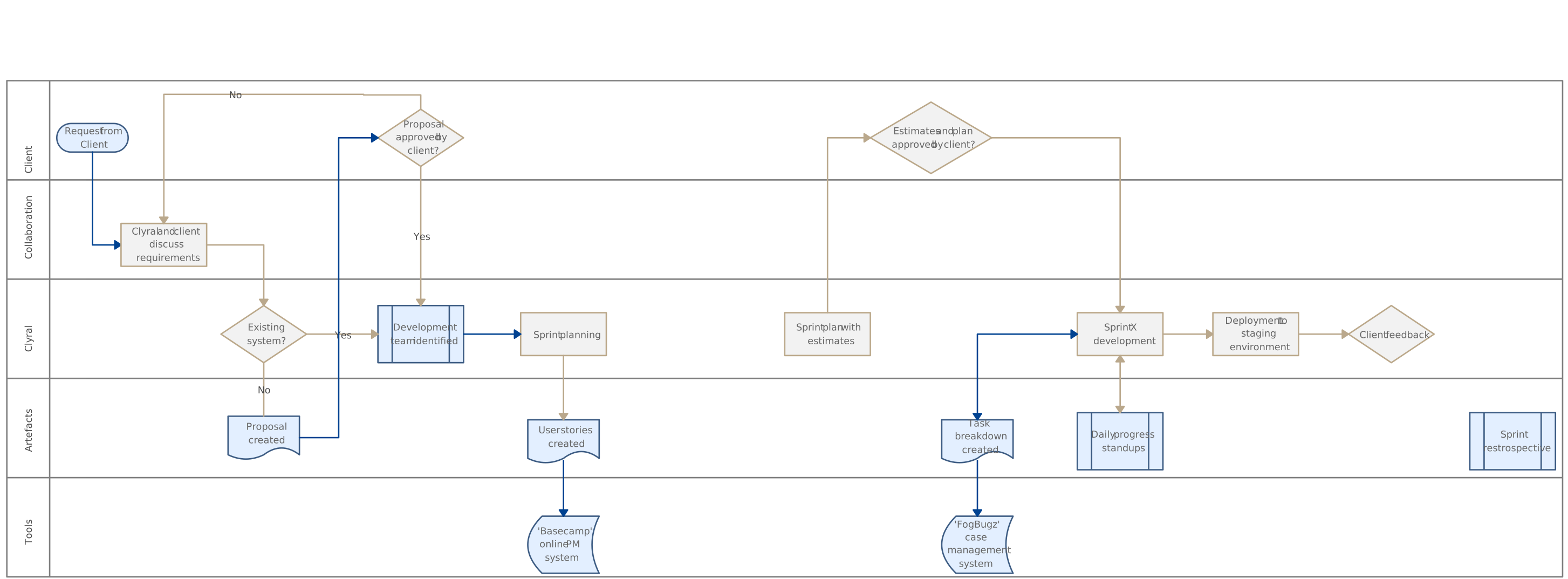
The Agile Development Process template is used to manage the iterative development of digital products. It supports:
- Breaking down the product into manageable sprints.
- Tracking progress through backlogs, task boards, and sprint goals.
- Ensuring continuous testing, feedback, and improvements. This template is perfect for maintaining an Agile workflow that allows for rapid development and adaptability.
Step 5. Launch & Go-to-Market Strategy
A strong go-to-market (GTM) strategy ensures the successful release of the product. This phase focuses on:
- Planning product marketing and branding strategies.
- Executing beta testing and phased rollouts.
- Implementing onboarding processes for user adoption.
A well-executed launch ensures product visibility, user engagement, and long-term success.
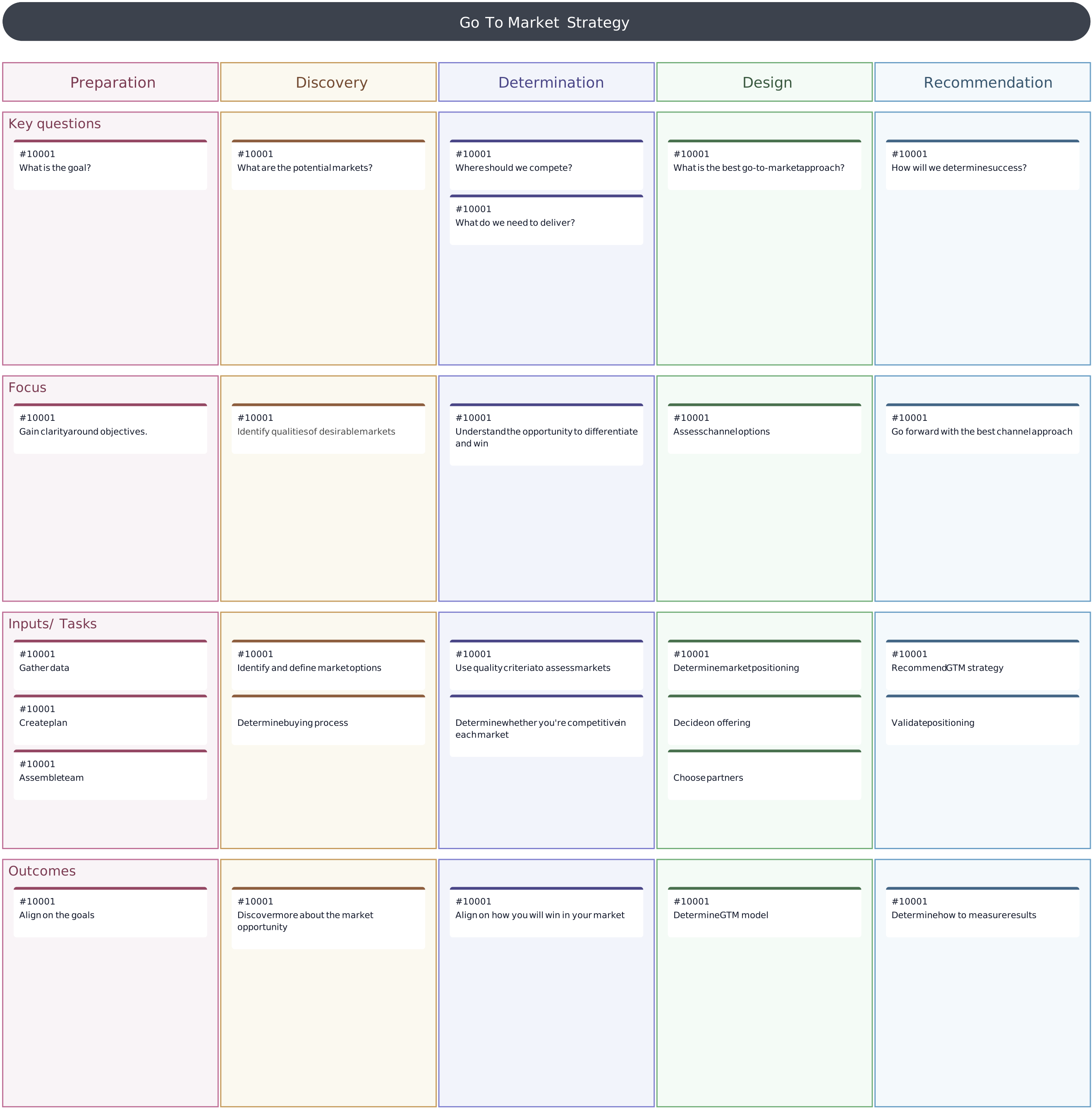
The Go-to-Market Strategy Template helps plan and execute the launch of the product. It enables teams to:
- Define target markets and buyer personas.
- Create marketing channels, messaging, and launch tactics.
- Plan sales strategies, pricing models, and promotional activities. By using this template, you can ensure that your product launch is strategically aligned and reaches the right audience with the right message.
Step 6. Iteration & Continuous Improvement
Post-launch, digital products require ongoing updates based on user feedback and performance analytics. Continuous iteration involves:
- Analyzing user behavior and identifying pain points.
- Deploying feature enhancements and bug fixes.
- Refining the product roadmap based on new insights.
This stage ensures the product remains competitive and continues to deliver value.
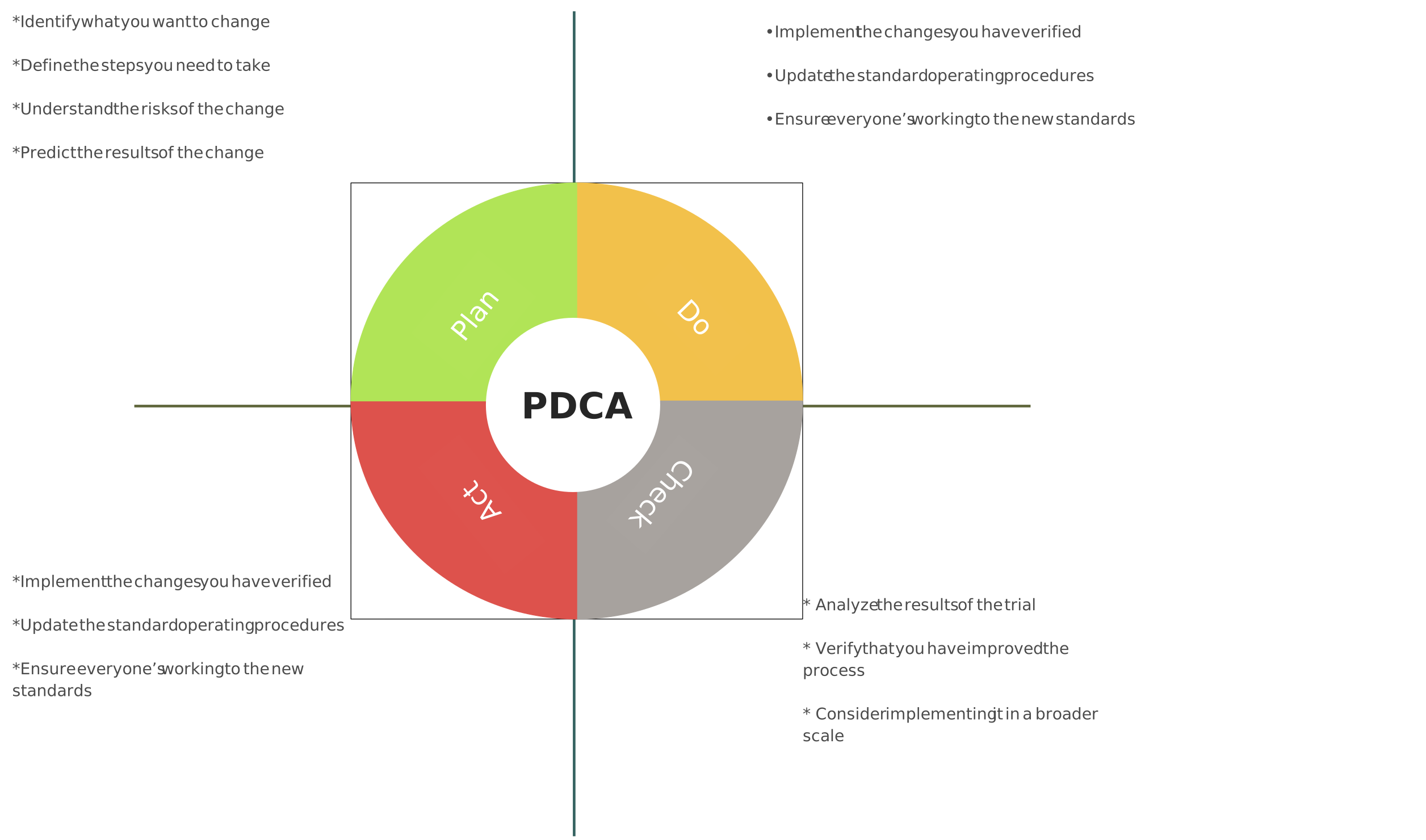
The PDCA (Plan-Do-Check-Act) template is a continuous improvement tool used to optimize products post-launch. It helps teams:
- Plan improvements based on feedback and data.
- Do implement updates or changes to the product.
- Check and monitor the impact of those changes.
- Act to refine and standardize the improvements based on results.
This template fosters a cycle of ongoing product enhancements, ensuring that the product continuously evolves and stays competitive.
By following this structured lifecycle and leveraging Creately’s templates, teams can streamline digital product management, enhance collaboration, and build successful digital products efficiently.
5 Key Digital Product Management Strategies
Effective digital product management relies on strategic approaches that ensure products meet user needs, are developed efficiently, and drive business growth. Here are some key strategies that help digital product managers succeed:
1. User-Centered Design & UX
User-centered design focuses on creating digital products that prioritize the needs, behaviors, and preferences of the end-users. By involving users early and continuously throughout the design and development process, product teams can build intuitive, engaging products that lead to higher customer satisfaction and retention.
Key strategies include:
- Conducting user research (surveys, interviews, usability testing) to understand pain points.
- Creating user personas and mapping user journeys to guide design decisions.
- Continuously iterating on the product based on user feedback.
A strong focus on UX (User Experience) ensures the product is easy to use, engaging, and meets the expectations of the target audience.
2. Agile & Lean Methodologies
Agile and Lean methodologies allow digital product teams to respond quickly to changes, continuously improve, and maintain flexibility in the development process.
- Agile emphasizes iterative development with regular sprints and continuous testing.
- Lean focuses on minimizing waste by validating ideas early and rapidly prototyping.
Both approaches prioritize collaboration and quick, incremental improvements over perfectionism. This ensures products evolve based on real-time feedback and market needs, rather than being delayed by lengthy development cycles.
3. Data-Driven Decision Making
Making informed decisions is critical for the success of any digital product. Data-driven decision-making involves analyzing user data, metrics, and analytics to guide product development and identify areas for improvement.
Key strategies include:
- Tracking key performance indicators (KPIs) like user engagement, retention, and conversion rates.
- Using tools like A/B testing and user feedback to validate assumptions.
- Leveraging analytics platforms to make data-backed decisions on feature development and prioritization.
By grounding decisions in data, product managers can ensure the product meets user expectations and drives measurable business outcomes.
4. Monetization Models & Pricing Strategies
Choosing the right monetization model is essential for generating revenue and ensuring the product’s sustainability. Digital product managers explore different strategies to maximize value and meet both business and user needs.
Common models include:
- Subscription-based (e.g., monthly or yearly payments for continued access).
- Freemium (offering a basic product for free with optional paid features).
- Licensing (charging businesses or users for rights to use the product).
- Pay-per-use (charging users based on usage or transactions).
A well-chosen pricing strategy ensures that the product not only delivers value to users but also supports business profitability.
5. Cross-Functional Collaboration
Successful digital product management requires close collaboration among various teams, including developers, designers, marketers, and stakeholders. Product managers facilitate this cross-functional teamwork to ensure alignment and smooth product development.
Key strategies for collaboration include:
- Clear communication through shared goals and objectives.
- Using tools like Creately to visualize workflows, roadmaps, and tasks for better collaboration.
- Involving stakeholders early in decision-making to maintain alignment.
By fostering cross-functional collaboration, product teams can tackle challenges more effectively and create a cohesive, high-quality product.
These strategies help product managers navigate the complexities of digital product management, enabling them to create products that not only meet user expectations but also drive business success. By leveraging the right methodologies and tools, like the Creately templates, teams can streamline processes and deliver exceptional products.
Helpful Resources
Organize your everyday workflows and set your team up for success. Visually organize and track the progress of any kind of work collaboratively.
Effortlessly create a roadmap to clarify vision, enhance communication, and improve execution.
Explore how agile workflows embrace fluidity, allowing teams to focus on what really matters and adapt as needed.
This guide delves into the various stages of the product development process and helps you use the framework as a compass to guide you as you go about developing a product.
A single connected visual platform to collaborate on planning, tracking and running your Scrum projects.
Are agile teams more effective in getting work done faster than traditional teams? Are they better structured and optimized to achieve success every time?
Tools & Technologies for Digital Product Management
To excel in digital product management, leveraging the right tools and technologies is essential. These platforms help streamline processes, enhance collaboration, and ensure data-driven decision-making throughout the product lifecycle. Here’s a look at some key categories and examples:
Tools & Technologies for Digital Product Management | ||
| Tool Category | Description | Examples |
Product Management Tools | Plan, track, and manage every aspect of your product’s lifecycle. These tools help organize tasks, maintain roadmaps, and keep stakeholders aligned. |
|
Data & Analytics Platforms | Monitor user behavior, track performance, and make data-driven decisions to optimize your product throughout its lifecycle. |
|
Prototyping & UX Design Tools | Design, prototype, and iterate on user interfaces before development, ensuring an intuitive and engaging user experience. |
|
Collaboration & Communication Tools | Facilitate real-time communication, project tracking, and seamless collaboration across teams, keeping everyone on the same page. |
|
By integrating these tools into your digital product management strategy, you can streamline workflows, enhance team collaboration, and make more informed decisions that drive product success. Whether you’re mapping out a product roadmap on Creately or analyzing user data through Google Analytics, these technologies are essential for staying competitive in a fast-paced digital environment.
Challenges in Digital Product Management & How to Overcome Them
Digital product management is a complex and fast-paced field, and product managers often face several challenges throughout the product lifecycle. Understanding these challenges and having strategies to tackle them is crucial for ensuring the success of digital products. Below are some common hurdles digital product managers face and how to overcome them:
1. Handling Rapidly Changing Market Demands
The digital landscape evolves quickly, and market demands can shift unexpectedly. This constant change can make it difficult for product managers to stay ahead and ensure their products remain relevant.
How to Overcome This Challenge
- Prioritize agility by adopting Agile and Lean methodologies, which allow teams to adapt quickly and pivot when necessary.
- Continuously gather user feedback and monitor market trends to identify emerging needs and adjust product roadmaps accordingly.
- Regularly review and update the product roadmap to reflect the latest market conditions and user expectations.
2. Managing Stakeholder Expectations
Stakeholder expectations can vary, with different departments (sales, marketing, design, engineering) having their own ideas about what the product should focus on. Managing these diverse expectations and maintaining alignment can be challenging.
How to Overcome This Challenge
- Establish clear communication channels to ensure all stakeholders are informed about product priorities and timelines.
- Set realistic expectations by providing regular updates on progress, challenges, and changes to the product roadmap.
- Use data to support decisions and demonstrate why certain features or changes are prioritized over others.
3. Balancing Feature Development and Technical Debt
As new features are developed, technical debt (the accumulated cost of suboptimal code or infrastructure) can pile up, slowing down progress and reducing product quality. Balancing the development of new features with the need to address technical debt can be tricky.
How to Overcome This Challenge
- Implement a regular cadence for addressing technical debt alongside feature development (e.g., dedicating a percentage of each sprint to refactoring or optimizing code).
- Prioritize features that have the greatest business value while keeping technical debt manageable to avoid major setbacks in the future.
- Use Agile best practices to strike a balance between shipping new features and ensuring product stability.
4. Ensuring Product-Market Fit
Achieving product-market fit—the point where the product meets the needs of its target market—is one of the most challenging aspects of digital product management. Without it, even the most innovative product will struggle to gain traction.
How to Overcome This Challenge
- Conduct continuous user research and stay closely aligned with customer feedback to refine the product and validate assumptions.
- Iterate rapidly on product features and adjust the roadmap based on market responses.
- Measure product success through metrics like user retention, satisfaction, and growth to ensure that the product resonates with the target audience.
5. Retaining Users and Reducing Churn
While attracting users to a digital product is essential, retaining them is often even more challenging. High churn rates (users leaving the product) can indicate problems with user engagement, satisfaction, or unmet needs.
How to Overcome This Challenge
- Focus on onboarding experiences to ensure users understand the value of the product from the outset and can quickly see its benefits.
- Regularly analyze user behavior to identify drop-off points and areas where users face challenges, then optimize the user experience accordingly.
- Engage users with new features, updates, and personalized content to maintain interest and encourage long-term usage.
By addressing these common challenges with the right strategies and tools, digital product managers can navigate the complexities of the digital space, ensuring their products not only meet market demands but also thrive in a competitive environment. Utilizing templates from Creately can help streamline these processes and provide visual clarity throughout the product lifecycle.
Final Thoughts: Embracing the Future of Digital Product Management
In wrapping up, this guide has taken you on a comprehensive journey through the world of digital product management—from understanding its fundamentals and unique features to navigating the complete lifecycle of digital product development. We’ve explored the essential strategies that include user-centered design, agile methodologies, data-driven decision-making, smart monetization models, and cross-functional collaboration, all of which are critical for creating products that truly resonate with your audience.
We’ve also highlighted the powerful tools and technologies that streamline the digital product management process, enabling teams to work more efficiently and make informed decisions. Moreover, by addressing common challenges and offering practical solutions, this guide has equipped you with the insights needed to overcome obstacles and drive product success.
As digital product management continues to evolve, staying agile and data-informed is more important than ever. Leverage tools like Creately’s robust templates to visualize your strategy, manage roadmaps, and keep your team aligned. Whether you’re just starting out or looking to refine your approach, embracing these best practices can transform how you develop and scale your digital products.
Take the next step in your digital journey by exploring Creately’s innovative templates and resources, and unlock the full potential of your digital product management strategy.
FAQs About the Product Management Process
What is Digital Product Management?
How Can I Ensure My Digital Product Achieves Product-Market Fit?
What Tools Are Essential for Effective Digital Product Management?
Resources:
Rincon-Guio, C., Hernández-Ramírez, J., Olguín, C., Pibaque-Ponce, M., Baque-Cantos, M., Santistevan-Villacreses, K., Cañarte-Quimis, L., Hernández-Lugo, P. and Medina, L. (n.d.). LogForum A SYSTEMATIC LITERATURE REVIEW ON ADVANCES, TRENDS AND CHALLENGES IN PROJECT MANAGEMENT AND INDUSTRY 4.0. [online] 19(2), pp.225–244. doi:https://doi.org/10.17270/J.LOG.2023.844.
Wu, T. (2021). Digital project management: rapid changes define new working environments. Journal of Business Strategy, 43(5). doi:https://doi.org/10.1108/jbs-03-2021-0047.