Most HR leaders share a common frustration: having plenty of data on how employees are performing today, but zero clarity on who is actually ready to lead tomorrow. The 9 box grid solves this by mapping performance against potential. In this guide, we will break down exactly how this talent management tool works, define every category in the 9-box model, and provide a step-by-step framework to build your own succession planning roadmap.
What Is the 9 Box Grid?
The 9 box grid is a strategic talent management tool and employee assessment model used by HR and leadership to evaluate a workforce based on two key dimensions: performance and potential.
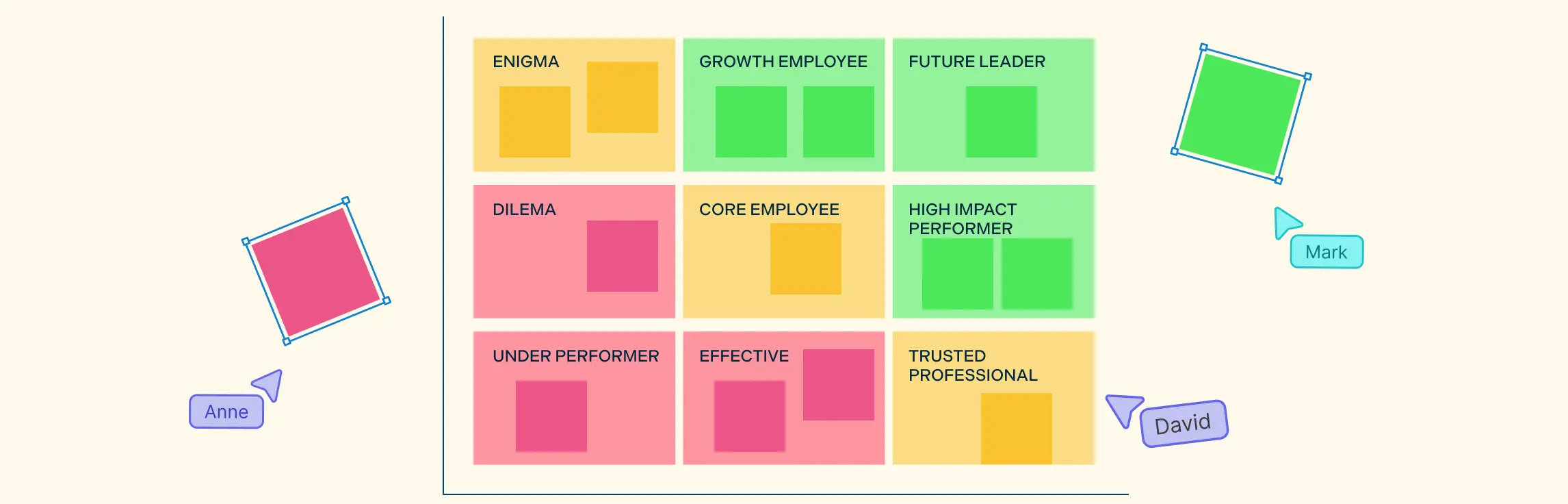
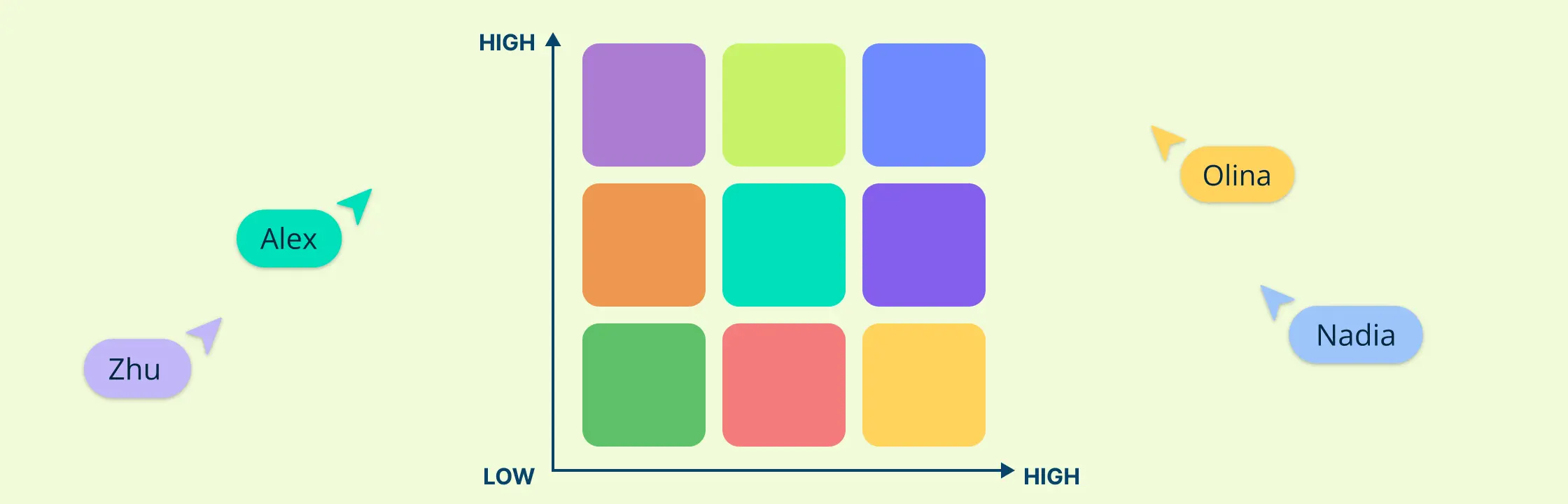
Structurally, it is a 3x3 grid that maps individual employees into nine distinct categories. This visual framework allows organizations to identify high-potential team members, recognize core contributors, and pinpoint underperformers who may require additional support or re-alignment.
The Origins of the 9-Box Model
The framework originated in the 1970s, developed by McKinsey & Company, for General Electric (GE). While it was initially designed to help GE prioritize investments across its diverse business units, HR professionals quickly realized its value as an employee assessment tool.
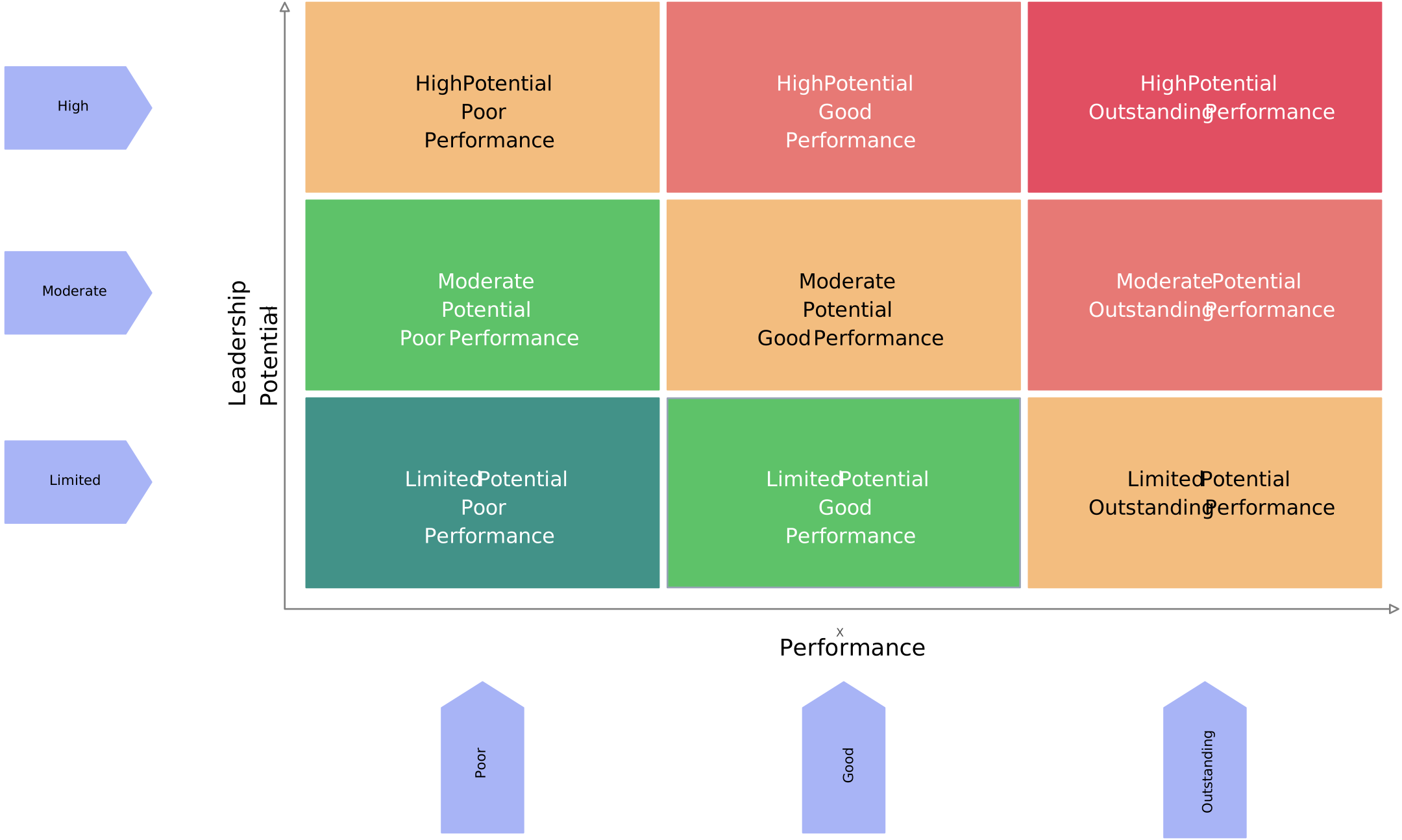

By plotting a 9-box grid for performance vs potential, companies moved away from one-dimensional reviews toward a holistic view of succession planning. Today, it remains the gold standard for calibrating talent, ensuring that development resources are allocated to the employees most likely to drive future organizational growth.
9 Box Grid Explained - Performance vs. Potential
To use a 9 box assessment effectively, you must first distinguish between what an employee is doing and what they could do. The 9 box model succeeds because it forces managers to look beyond current output and consider future scalability.
Defining Performance (The “What”)
Performance is a retrospective metric. It measures an employee’s historical effectiveness, their ability to hit KPIs, and their mastery of their current role.
- Key Indicators: Meeting quarterly targets, quality of work, technical proficiency, and adherence to company values.
- Assessment Tool: Usually measured via annual performance reviews or continuous feedback loops.
Defining Potential (The “How Far”)
Potential is a forward-looking metric. It predicts an employee’s capacity to grow into positions of greater responsibility or complexity. It is not about how well they do their current job, but how they might handle the next one.
- Key Indicators: Learning agility, leadership aspirations, emotional intelligence (EQ), and the ability to adapt to ambiguous situations.
- Assessment Tool: Measured through behavioral observations, psychometric testing, and “stretch” assignments.
Why Both Dimensions Are Needed Together
Evaluating performance in isolation is a common management trap (often leading to the “Peter Principle,” where people are promoted until they reach a level of incompetence).
By plotting performance vs. potential on a 9 box matrix, organizations gain a holistic view:
- High Performance + Low Potential: A “Subject Matter Expert” who is vital in their current role but may not want or be suited for management.
- Low Performance + High Potential: A “Diamond in the Rough” who may be in the wrong role or lacks the right training to unlock their talent.
Common 9-Box Assessment Biases
Even with a robust employee assessment tool, subjectivity can creep in. If managers don’t account for cognitive biases, the resulting talent grid will be skewed, leading to poor succession decisions.
1. Recency Bias: The “Snapshot” Trap
Recency bias occurs when a manager’s evaluation is disproportionately influenced by an employee’s most recent actions—typically within the last 3 to 4 weeks—rather than their performance over the entire review period.
- The Risk: A “Star” employee who had one bad week right before the assessment might be unfairly ranked as “Low Performance,” while a mediocre employee who just closed a single big deal might be over-ranked.
- How to Mitigate: Maintain a “performance log” throughout the year to ensure the 9 box grid reflects a 12-month trajectory, not a 30-day snapshot.
2. The Halo (and Horn) Effect: The “Single Trait” Error
The Halo Effect is a cognitive bias where a manager’s overall positive impression of an employee in one area (e.g., “They are great at public speaking”) bleeds into their assessment of unrelated traits (e.g., “They must have high leadership potential”).
- The Flip Side (The Horn Effect): If an employee struggles with one specific technical skill, a manager may incorrectly assume they lack potential across the board.
- The Risk: This leads to the “Peter Principle,” where employees are promoted based on current technical skills rather than the behavioral competencies required for the next level.
3. Lack of Calibration: The “Leniency vs. Severity” Gap
Calibration is the process of ensuring that “High Potential” means the same thing to a Sales Manager as it does to an Engineering Lead. Without a unified rubric, you encounter two types of managers:
- The “Easy Grader” (Leniency Bias): Places 80% of their team in the top-right boxes.
- The “Hard Grader” (Severity Bias): Believes no one is a “10,” leaving the top boxes empty.
- The Risk: It creates an uneven playing field where an employee’s career progression depends more on who their manager is than on their actual merit.
4. Central Tendency Bias: The “Safe Middle”
This occurs when managers are hesitant to rank employees at the extremes (the “Low/Low” or “High/High” boxes). Instead, they cluster the majority of the workforce in the center box (“Moderate Performance/ Moderate Potential”).
- The Risk: This renders the 9 box model useless for succession planning because it fails to differentiate between your future leaders and your underperformers.
What Do the 9 Boxes in a 9 Box Grid Mean?
The 9 box model is divided into three tiers based on the intersection of an employee’s current output and their future growth. Each box represents a specific “talent profile” that requires a different management strategy.
The Top Tier: High Potential
These employees represent your “bench strength” for future leadership.
Box 1: The “Star” (High Potential/ High Performance)
The organization’s most valuable assets. They consistently deliver results and have the capacity for senior leadership.
- Strategy: Retain at all costs. Provide a mentor and high-stakes “stretch” assignments.
Box 2: The “High Potential” (High Potential/ Moderate Performance)
These are often rising stars or newer employees. They have the “DNA” of a leader but haven’t fully mastered their current KPIs yet.
- Strategy: Focus on functional coaching. Close the gap between their ability and their output.
Box 3: The “Enigma” (High Potential/ Low Performance)
The “Diamond in the Rough.” They have high intelligence or leadership traits but are failing in their current role.
- Strategy: Investigate the cause. Are they in the wrong role? Is there a personality clash with a manager? They likely need a transfer, not a PIP.
The Middle Tier: Moderate Potential
This is the “engine room” of the company—reliable talent that keeps the business moving.
Box 4: The “High Achiever” (Moderate Potential/ High Performance)
Your most reliable experts. They are great at their jobs but may be nearing their “ceiling” for vertical promotion.
- Strategy: Keep them challenged with lateral moves or subject matter expertise roles. Prevent burnout.
Box 5: The “Core Player” (Moderate Potential/ Moderate Performance)
The steady majority. They meet expectations and have some room to grow into slightly more complex roles.
- Strategy: Provide steady development. They are the backbone of the culture; don’t ignore them.
Box 6: The “Dilemma” (Moderate Potential/ Low Performance)
These employees show some promise but are currently under-delivering.
- Strategy: Identify if this is a motivation issue or a skill gap. They need a clear performance improvement plan (PIP) with a 3–6 month check-in.
The Bottom Tier: Low Potential
These boxes require active management to protect the organization’s productivity.
Box 7: The “Workhorse” (Low Potential/ High Performance)
Technically brilliant but uninterested in (or unsuited for) leadership. They are vital to the team but will stay in their current role for the long term.
- Strategy: Reward them for their expertise. Do not force them into management, or you will lose a great specialist and gain a bad manager.
Box 8: The “Solid Performer” (Low Potential/ Moderate Performance)
They do exactly what is asked—no more, no less. They are unlikely to advance further.
- Strategy: Keep them in their current role as long as their performance remains steady. Monitor for stagnation.
Box 9: The “Underperformer” (Low Potential/ Low Performance)
The most critical category for HR. These individuals are a drain on team resources and morale.
- Strategy: Re-assignment or exit strategy. If they cannot improve performance quickly, they are likely a “bad hire” or a cultural mismatch.
How to Create & Label 9-Box Grid in 3 Easy Steps
To implement a successful 9 box assessment, you need a standardized process that reduces bias and ensures data-driven results. Follow these three steps to build your talent management roadmap.
Step 1: Establish Your Evaluation Rubrics
Before plotting names, you must define the “Y” and “X” axes to ensure all managers are grading against the same scale.
- Define Performance (X-Axis): Divide performance into three levels (Low, Moderate, High). Use objective KPIs, such as sales targets, project completion rates, or billable hours.
- Define Potential (Y-Axis): Divide potential into three levels. Unlike performance, this is behavioral. Look for learning agility, leadership desire, and the ability to handle complexity beyond their current job description.
- Conduct a Calibration Meeting: HR should facilitate a session where managers discuss their rankings. This prevents “grade inflation” and ensures a “Star” in Marketing meets the same criteria as a “Star” in Engineering.
Step 2: Plot and Label the 9-Box Grid
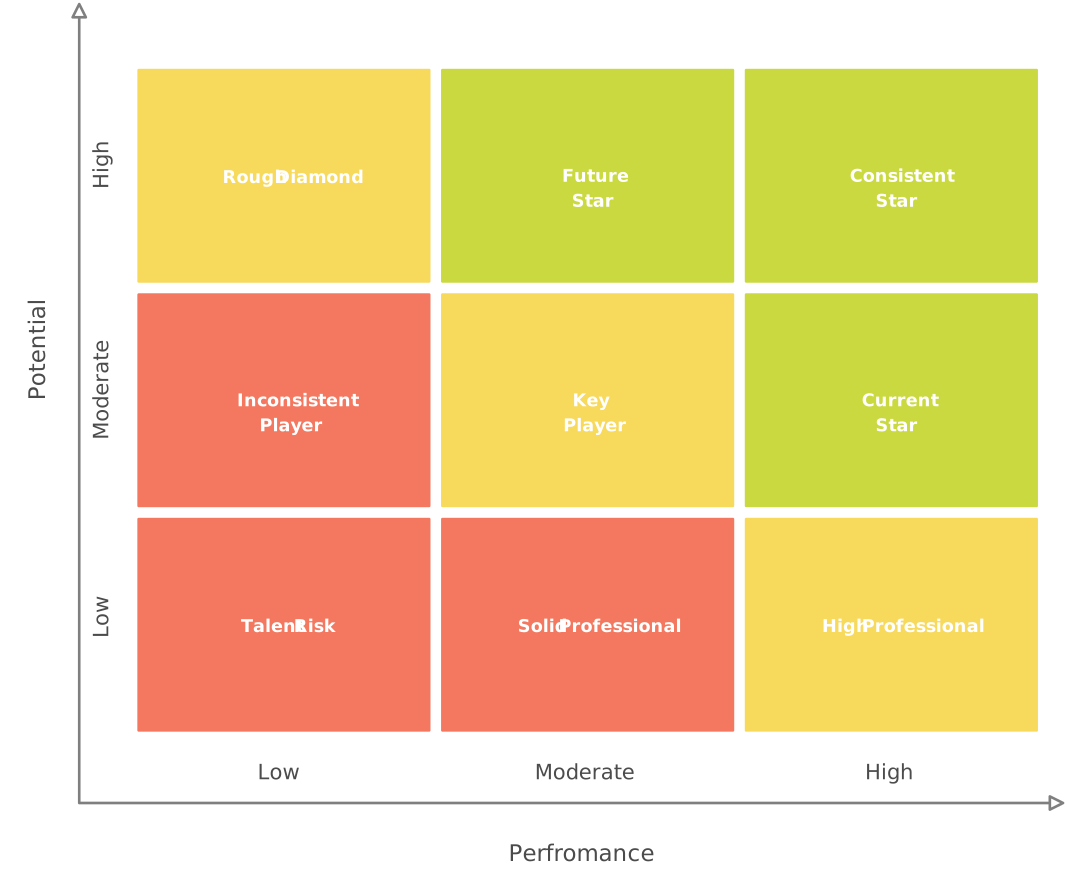
Once the data is collected, visualize the results. For a professional 9-box grid model, the layout is traditionally organized as follows:
- The Y-Axis (Vertical): Growth Potential (Low, Moderate, High).
- The X-Axis (Horizontal): Current Performance (Low, Moderate, High).
Step 3: Determine Strategic Action Plans
A 9 box talent grid is only useful if it leads to action. Group your employees by their grid position and apply these development strategies:
- For the “Stars” (High Potential/ High Performance): These are your succession planning priorities. Provide them with executive mentorship, high-visibility “stretch” assignments, and a clear path to leadership.
- For the “Enigmas” (High Potential/ Low Performance): Don’t give up on them. Identify “blockers”—perhaps they are in the wrong department or need a different management style. A lateral move often unlocks their potential.
- For the “Core Players” (Moderate Potential/ Moderate Performance): Focus on steady skill enhancement. They are your organization’s backbone; ensure they feel valued so they don’t become disengaged.
- For the “Underperformers” (Low Potential/ Low Performance): Be decisive. Start a Performance Improvement Plan (PIP) or discuss an exit strategy. Retaining low-performers in this box for too long can damage team morale and productivity.
Using the 9-box Grid for Talent Management
A 9 box talent grid is only as effective as the action plans it triggers. Once your employee assessment is complete, use these strategies to manage and develop your workforce.
| Tier | Employee Profile | Strategic Action Plan |
| 1: High Growth | Stars & Enigmas | Focus on succession planning. Assign C-suite mentorship, executive coaching, and stretch assignments to prepare them for leadership roles. |
| 2: Core Contributors | High Achievers & Core Players | Focus on engagement. Provide lateral growth, specialized training, and regular calibration to keep your organization's "backbone" motivated. |
| 3: Specialized & At-Risk | Workhorses & Underperformers | Focus on optimization. Reward technical specialists with SME status; for underperformers, implement a 90-day PIP or a transparent exit strategy. |
The Role of the 9 Box Grid in Succession Planning
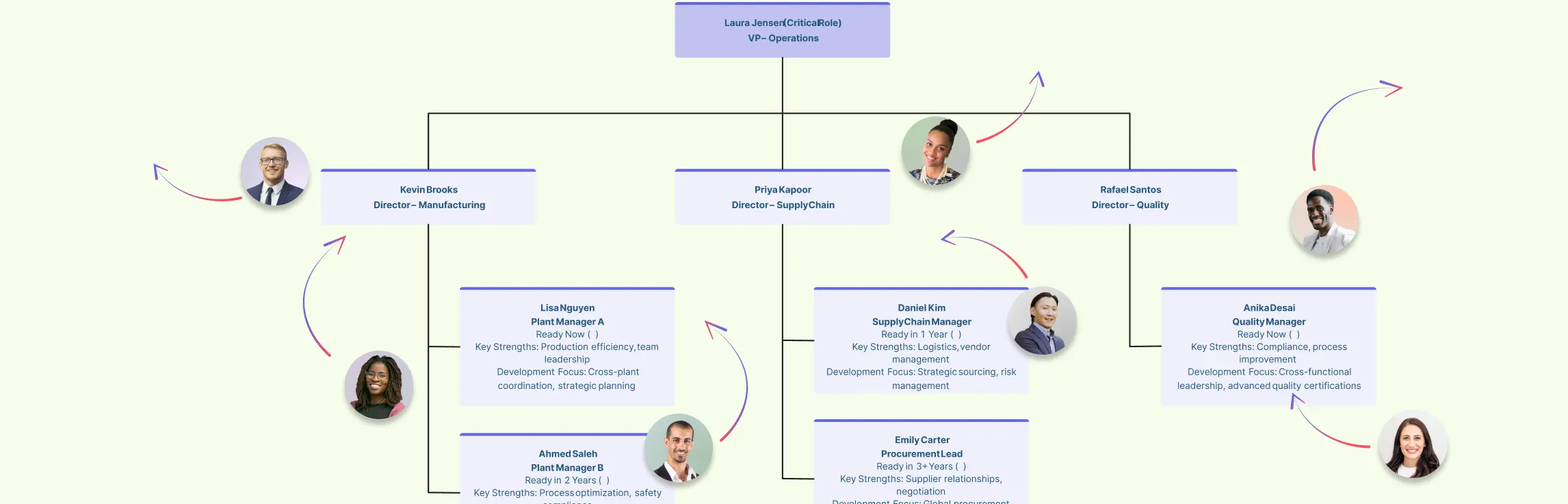
In succession planning, the 9 box talent review serves as a strategic map for future-proofing your leadership pipeline. It shifts the conversation from “who is doing well today” to “who is ready to lead tomorrow.”
- Builds a Leadership Pipeline: Identifies “High-Po” (High Potential) candidates early, allowing for targeted grooming 12–24 months before a transition.
- Optimizes Development ROI: Ensures executive coaching and high-cost training budgets are prioritized for those with the highest “Time-to-Readiness.”
- Mitigates Talent Risk: Acts as an early warning system to spot “talent gaps” (empty top-right quadrants), signaling when to begin external recruiting or internal cross-training.
Advantages of Using the 9 Box Grid
Effectively managing talent requires moving beyond “gut feelings” to a structured, data-driven approach. The 9 box model offers several distinct advantages for modern HR departments:
- Standardized Assessment: Provides a unified visual language, ensuring “performance” and “potential” are measured consistently across different departments.
- Data-Driven Succession: Simplifies succession planning by clearly identifying “High-Po” (high-potential) individuals ready for future leadership roles.
- Optimized ROI: Directs development budgets more effectively by matching the right resources (mentorship vs. training) to the right employee category.
- Reduced Bias: Encourages transparent leadership calibration, helping to move past “gut feelings” and toward objective, merit-based promotions.
- Strategic Visibility: Offers a high-level “snapshot” of the organization’s talent health, revealing immediately if the leadership pipeline is empty or robust.
Limitations of the 9 Box Grid
Even as a gold-standard talent management tool, the 9 box grid has three critical risks that HR leaders must manage:
- Subjectivity of “Potential”: Performance is a fact (KPIs), but potential is often an opinion. Without a clear rubric, managers may rely on “gut feelings,” leading to inconsistent data across departments.
- Unconscious Bias: The 9 box model can inadvertently favor employees who mirror their manager’s style (Affinity Bias) or be influenced by a single recent win (Recency Bias), skewing succession planning results.
- The “Pigeonhole” Effect: Labels like “Low Potential” can become permanent in a manager’s mind. This “fixed mindset” can demotivate employees and ignore their capacity for future growth.
When the 9 Box Grid Should (and Should Not) Be Used
While the 9 box model is a staple in talent management, it isn’t a “one-size-fits-all” solution. Using it in the wrong context can lead to demotivated teams and skewed data.
Ideal Use Cases (When to Use)
- Succession Planning: Use it to visualize your leadership pipeline and identify who is ready to step into critical roles within 6–12 months.
- Resource Allocation: Use it to decide where to spend your development budget—investing in executive coaching for “Stars” versus technical training for “Workhorses.”
- Leadership Calibration: Use it as a conversation starter during leadership meetings to ensure all managers are evaluating “potential” using a unified rubric.
- Identifying Talent Gaps: Use it to spot “danger zones,” such as a department with high performance but zero high-potential successors.
Scenarios to Avoid (When NOT to Use)
- Determining Compensation: Never use the grid as the sole basis for salary increases or bonuses. The “potential” axis is too subjective for financial decisions.
- Isolation from Feedback: Do not plot employees in a vacuum. Without a follow-up conversation and a development plan, the grid is just a static chart.
- Small Teams (<10 People): In very small teams, the grid can feel like “forced ranking.” Direct, qualitative feedback is often more effective than a 3x3 matrix.
- Immediate Terminations: The grid is a development tool, not a “firing list.” Use it to improve performance, not as a shortcut for HR disciplinary actions.
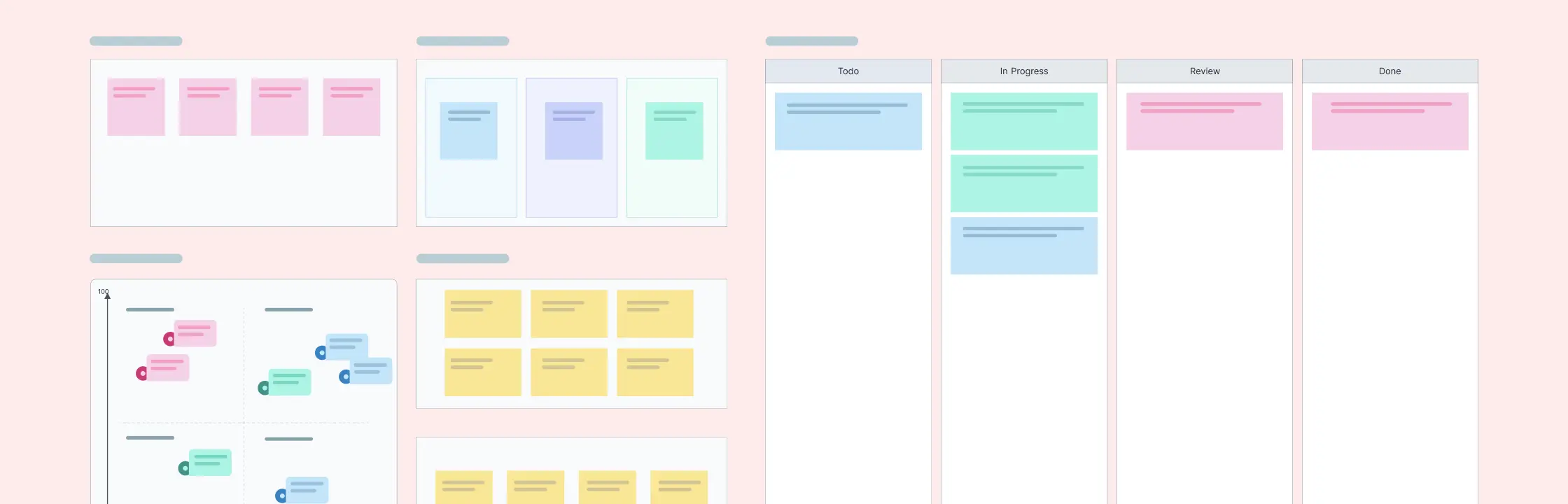
Free 9 Box Grid Templates for Talent Management
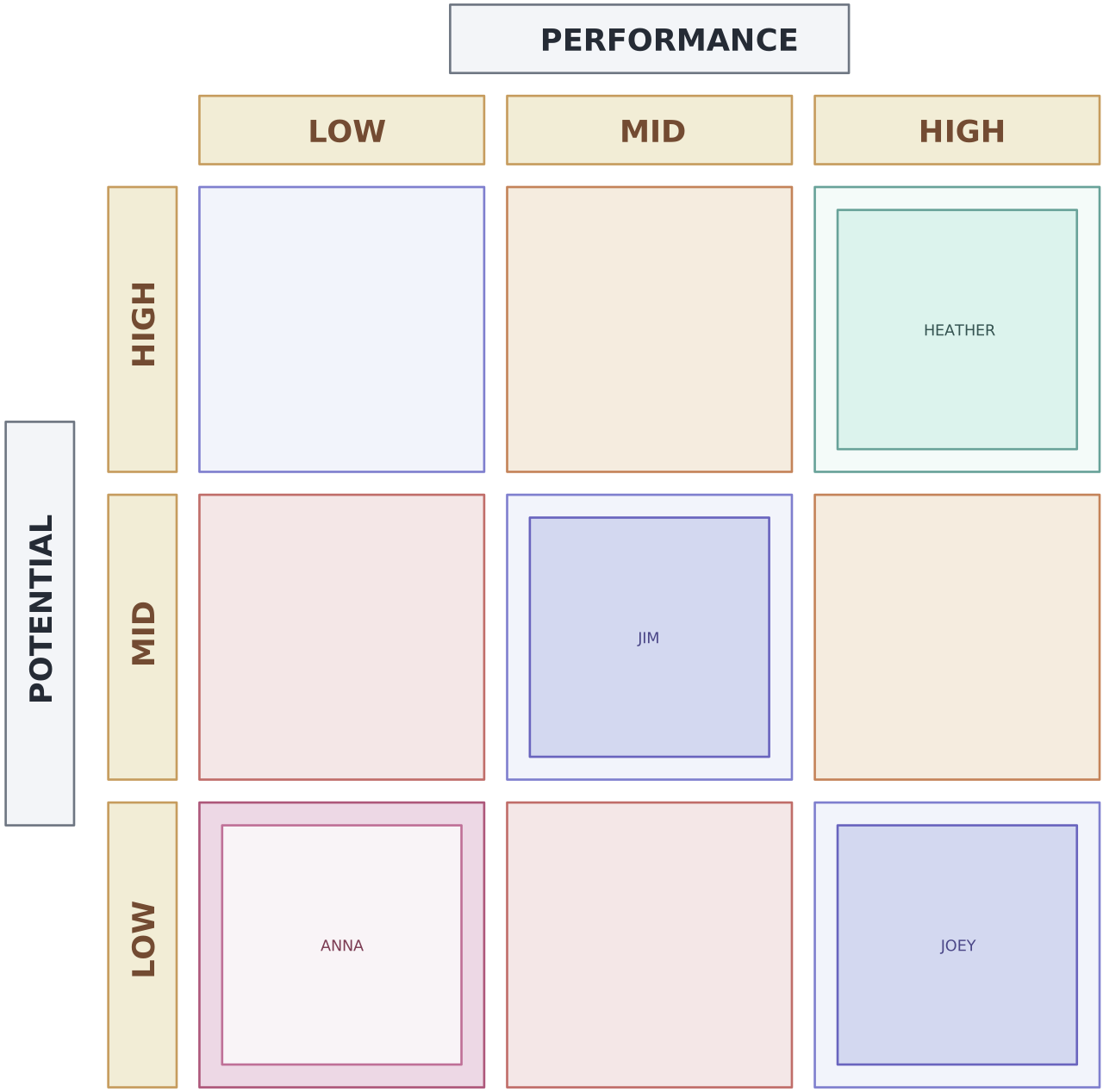


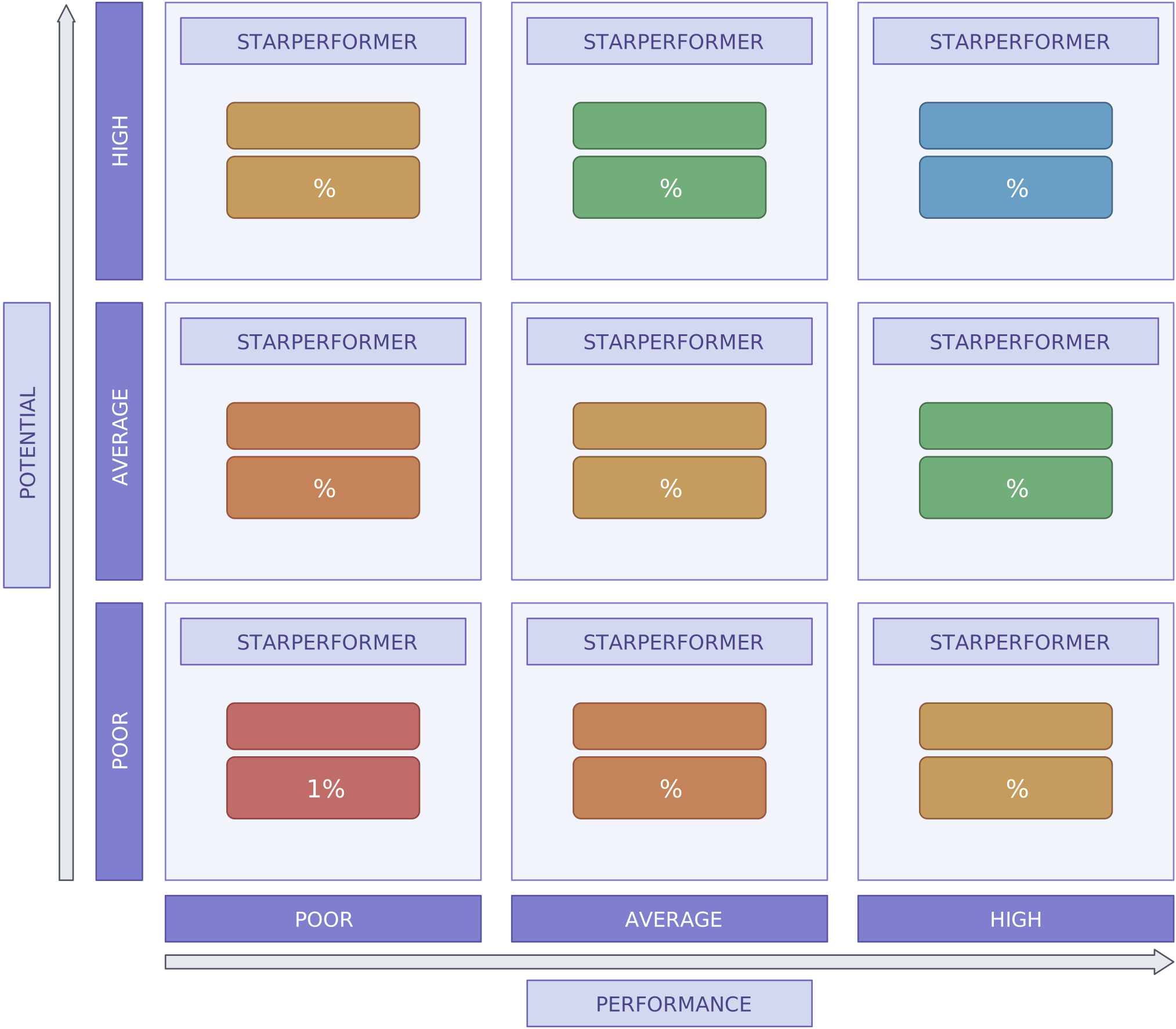
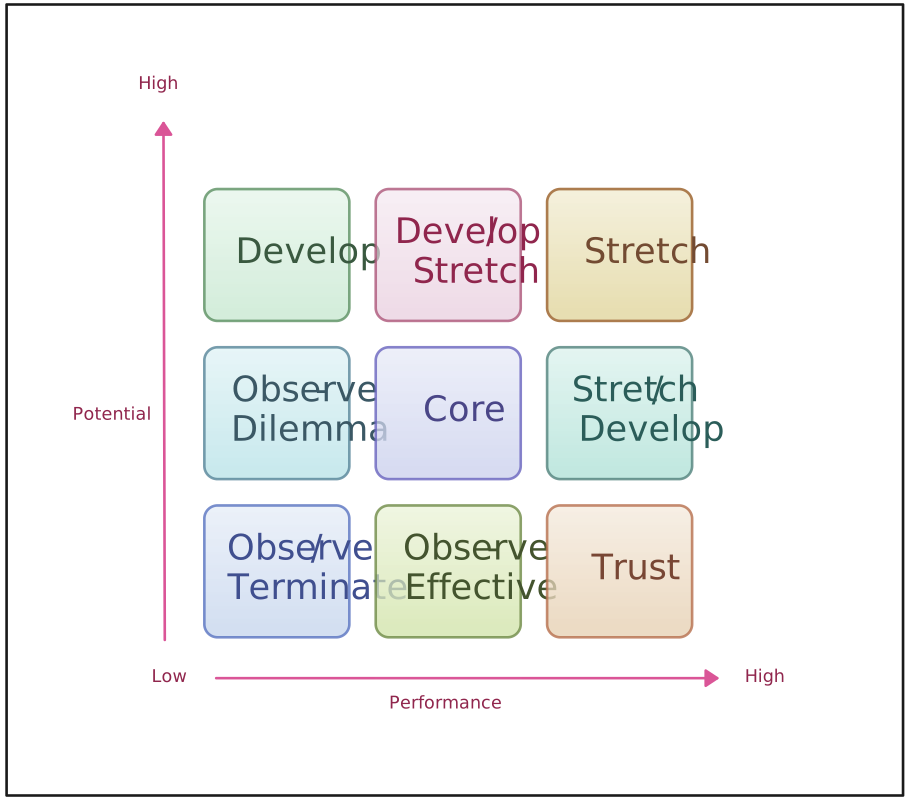
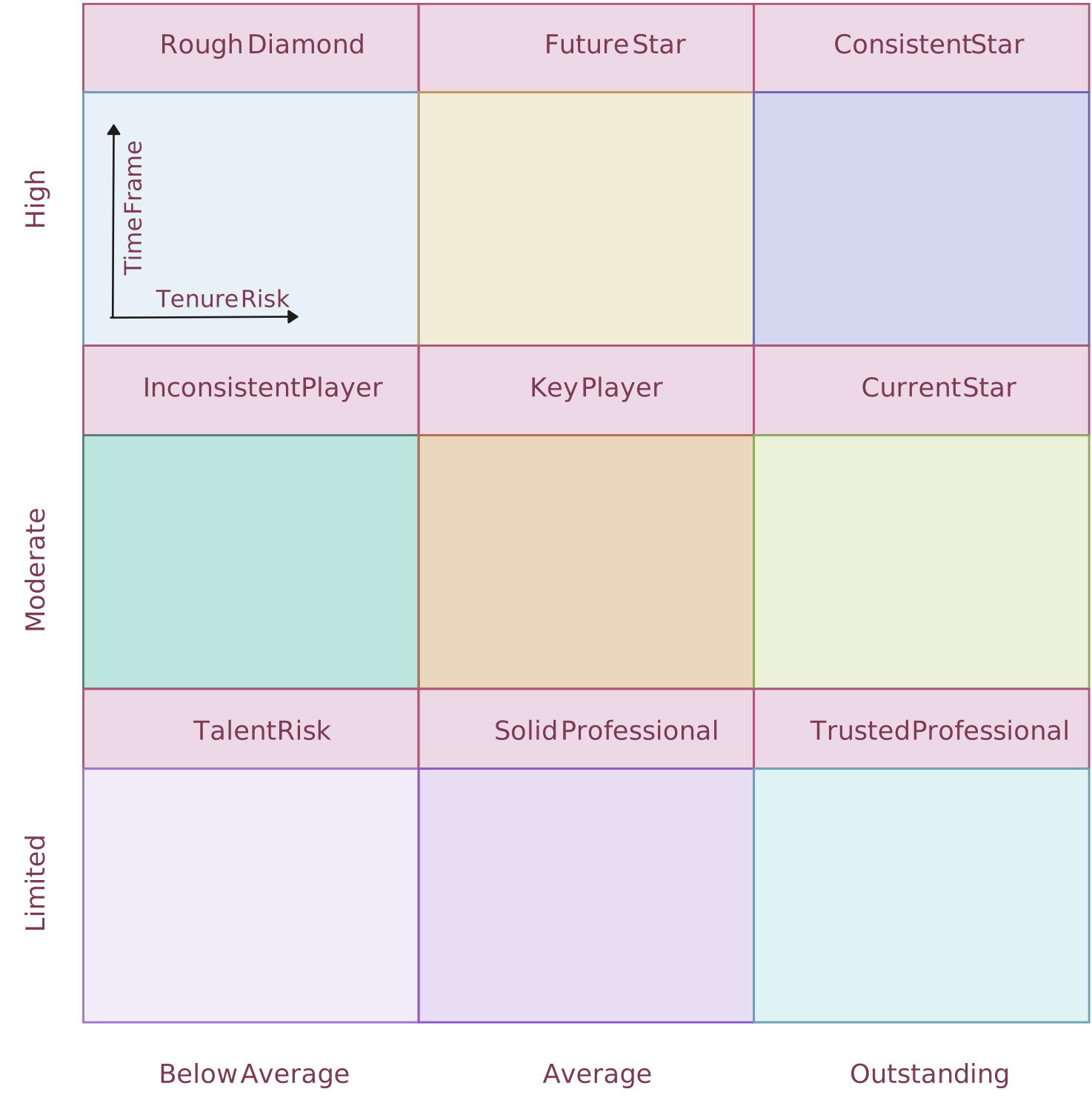
The 9 box grid is more than just a categorization tool; it is a strategic blueprint for organizational growth. By balancing performance vs. potential, HR professionals can move beyond subjective “gut feelings” to make data-driven decisions about succession planning and resource allocation. Ready to visualize your team’s future? Try Creately today to build collaborative, data-rich grids that turn talent insights into actionable leadership pipelines.
Helpful Resources
Learn what is succession planning and how it helps organizations to continue their growth
Learn how to make a succession plan that aligns with your company growth strategy
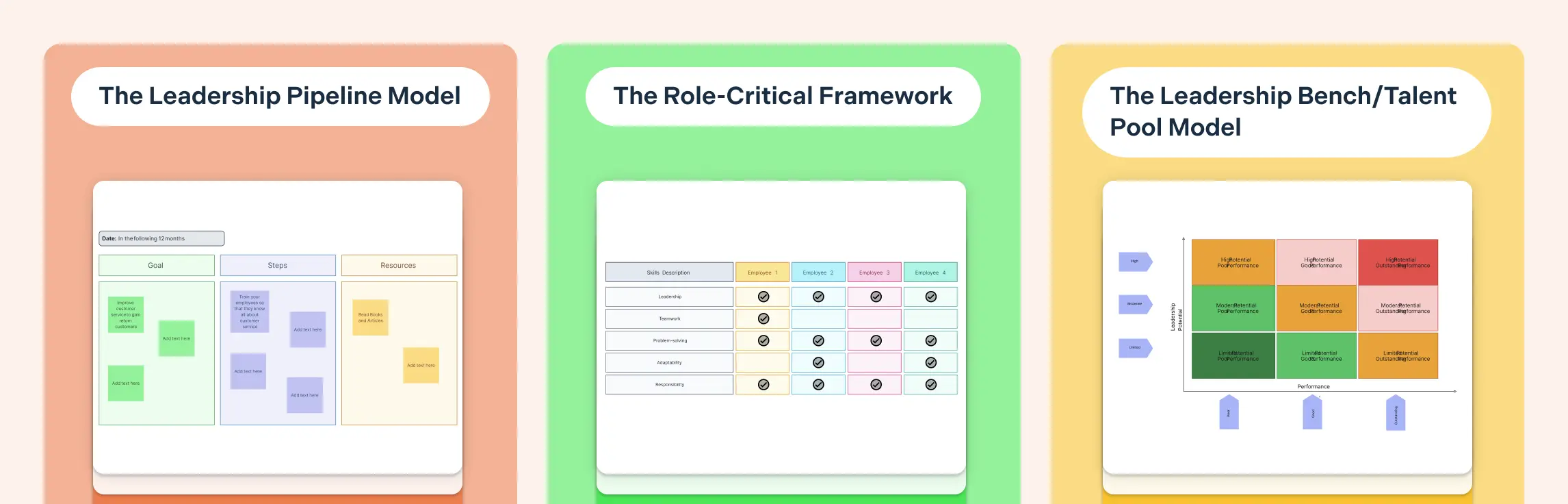
Explore the succession planning frameworks for your leadership strategy while comparing the big three succession planning models
Explore real-world succession planning examples and visual roadmaps that actually work for modern teams
Discover how to execute a high-impact, strategic 9 box talent review for succession planning