Two managers can respond to the same missed deadline in very different ways. One adds approval steps and checks every task, assuming the team will slack off without supervision. The other asks what blocked the work, agrees on a recovery plan, and gives the team room to solve it. Douglas McGregor’s Theory X and Theory Y help explain the assumptions behind those choices.
This guide compares the theories, shows what they can look like in daily management, and offers a way to examine your own approach. The aim is to choose practices that fit the work and the people doing it, rather than assign permanent labels to a manager or team.
What Are Theory X and Theory Y?
Douglas McGregor introduced Theory X and Theory Y in his 1960 book The Human Side of Enterprise. They are two contrasting sets of assumptions about people at work. Theory X assumes employees generally dislike work and need direction or control to meet organizational goals. Theory Y assumes people can direct themselves, accept responsibility, and use creativity when the conditions allow it.
McGregor was interested in what managers believe and what those beliefs lead them to do. The MIT Sloan account of McGregor’s work also cautions against turning Theory Y into a rigid set of rules. The useful question is: What am I assuming about this team, and how does that assumption affect the way I manage?
Theory X and Theory Y are not employee personality types, a motivation test, or a choice between having standards and having none. Both managers in the opening example need to address the missed deadline. Their assumptions influence how they investigate it and what they change next.
Theory X vs Theory Y at a Glance
| Management question | Theory X assumption and likely response | Theory Y assumption and likely response |
|---|---|---|
| Why do people work? | Mainly for pay or to avoid negative consequences; emphasize external incentives and consequences | Work can be satisfying and purposeful; connect goals with meaningful contribution |
| Who should make decisions? | Managers should specify tasks and closely supervise execution | Employees can make decisions within clear boundaries and take responsibility for results |
| How should a manager respond to a problem? | Tighten controls and check compliance first | Investigate barriers, seek input, and agree on accountability |
| Where does creativity come from? | Ideas and direction come primarily from management | Useful ideas can come from people throughout the team |
| What might the team experience? | Clarity in tightly prescribed work, but potentially less voice or ownership if control is excessive | More room for initiative, but confusion if goals, resources, or decision rights are unclear |
The last row describes possible effects, not guaranteed outcomes. Team skills, workload, fairness, and the nature of the task matter too. A clear safety procedure, for example, does not prove a manager believes employees are unwilling to work.
What Theory X Looks Like in Management
A manager working from Theory X assumptions may set detailed instructions, require frequent approvals, monitor individual activity closely, and rely heavily on rewards or penalties. The reasoning is that without external pressure, people will avoid responsibility or do too little.
Consider a customer-support team missing its response target. A Theory X response might require every agent to log activity hourly and seek approval for routine replies. That may expose work in progress, but it can also slow simple decisions and discourage agents from raising problems if every delay is treated as a lack of effort.
The better diagnosis may be a staffing gap, an unclear escalation path, or a tool that makes cases hard to find. Checking actual work and asking agents about barriers gives the manager more evidence than assuming low motivation. For a broader view of directive and participative approaches, see our guide to management styles.
What Theory Y Looks Like in Management
A manager working from Theory Y assumptions expects people to contribute ideas and take ownership when they understand the goal and have the means to act. That manager still sets standards and follows up. The difference is that supervision supports the work instead of substituting for employee judgment.
In the same support team, the manager might share the response target, let agents classify common cases, agree on when to escalate, and review unresolved cases together. Agents gain room to solve routine issues; the manager remains accountable for staffing, training, and service quality.
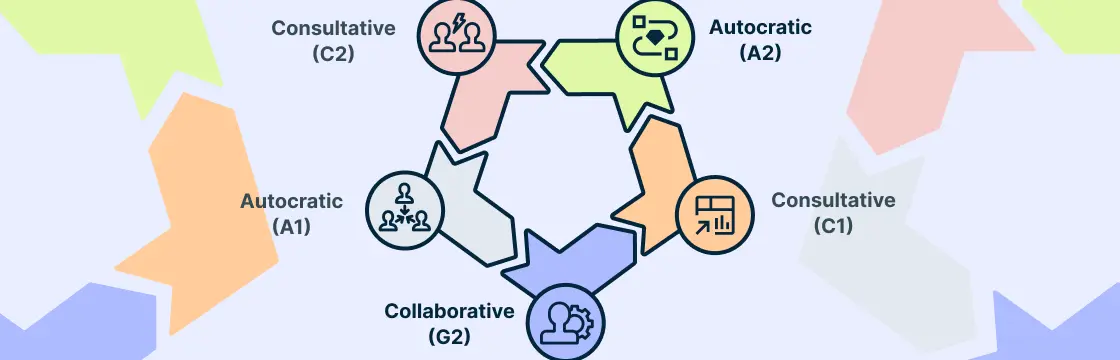
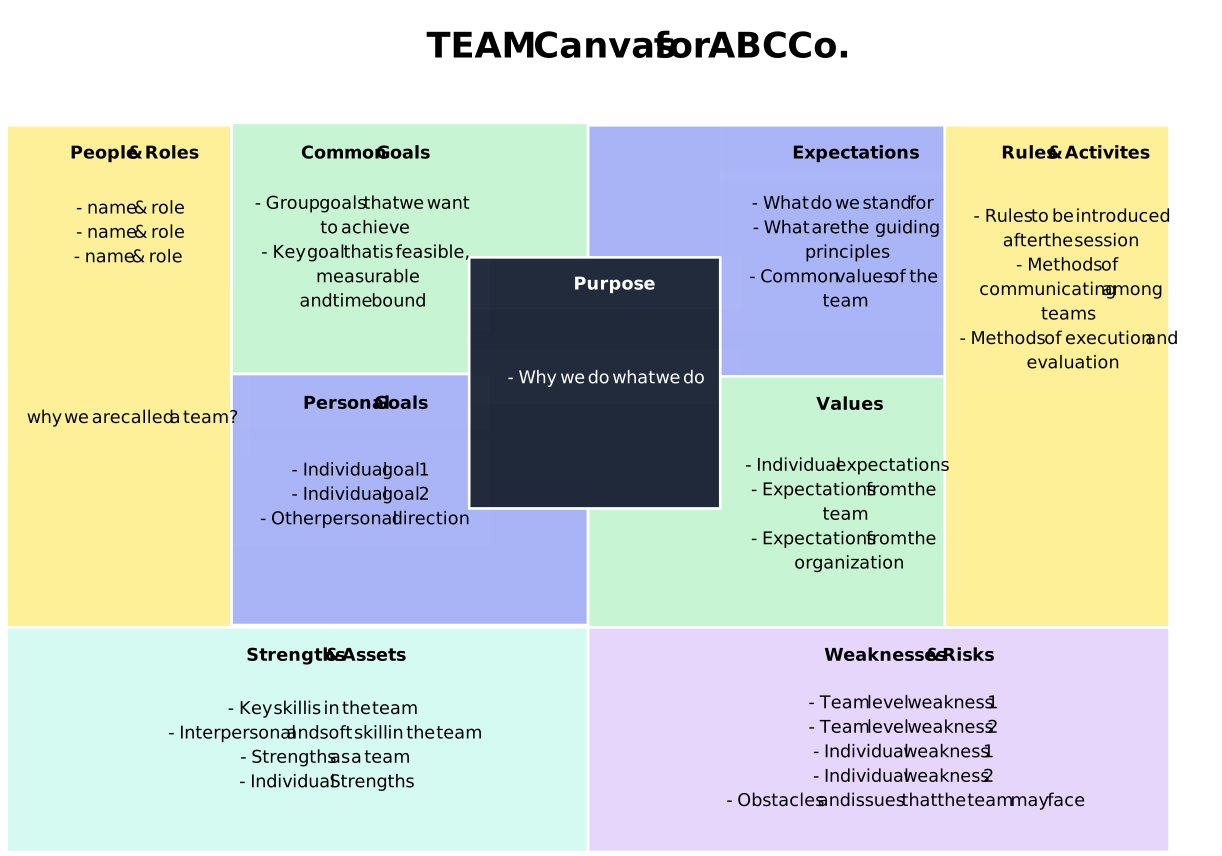
Theory Y is not a promise that autonomy alone will fix poor performance. If the queue is overloaded or employees do not know which decisions they can make, a hands-off manager can leave the team unsupported. A team charter can make purpose, responsibilities, and working agreements explicit.
How Management Assumptions Affect the Team
Management choices create conditions that can reinforce the original assumption. If every decision needs approval, employees may stop offering ideas. A manager could then read that silence as proof that the team lacks initiative. If expectations and decision rights are clear, employees have a better chance to demonstrate judgment; the manager can see where support is still needed.
Watch for signals before drawing conclusions:
- Participation: Do people raise risks and suggest improvements, or only report completion?
- Decision flow: Which choices genuinely require a manager, and which are waiting because ownership is unclear?
- Quality and reliability: Are missed targets caused by effort, workload, training, handoffs, or a broken process?
- Feedback: Do employees understand what good work looks like and receive useful responses when they ask for help?
A one-on-one conversation or weekly team review can test these observations. Ask for specific examples rather than assuming all employees have the same needs or that one management style explains every outcome.
Workplace Examples: Same Goal, Different Assumptions
A delayed product release
Theory X response: The product manager begins checking each developer’s activity twice a day and approves every task change. This may make progress visible, but it can divert time from fixing the integration issue that actually delayed the release.
Theory Y response: The manager asks the team to show the blocking dependency, names an owner for resolving it, and agrees on a new milestone and check-in. The team owns the technical solution, while the manager removes the cross-team barrier. A team alignment map can clarify goals and who needs to coordinate.
A recurring safety error
A Theory Y approach does not mean removing mandatory checks. A warehouse manager can require a safety checklist, verify compliance, and still ask workers which step is difficult to follow or where equipment fails. Standards address the risk; employee input helps improve the process. The key distinction is whether the manager treats every error as evidence that workers cannot be trusted.
A new employee learning the role
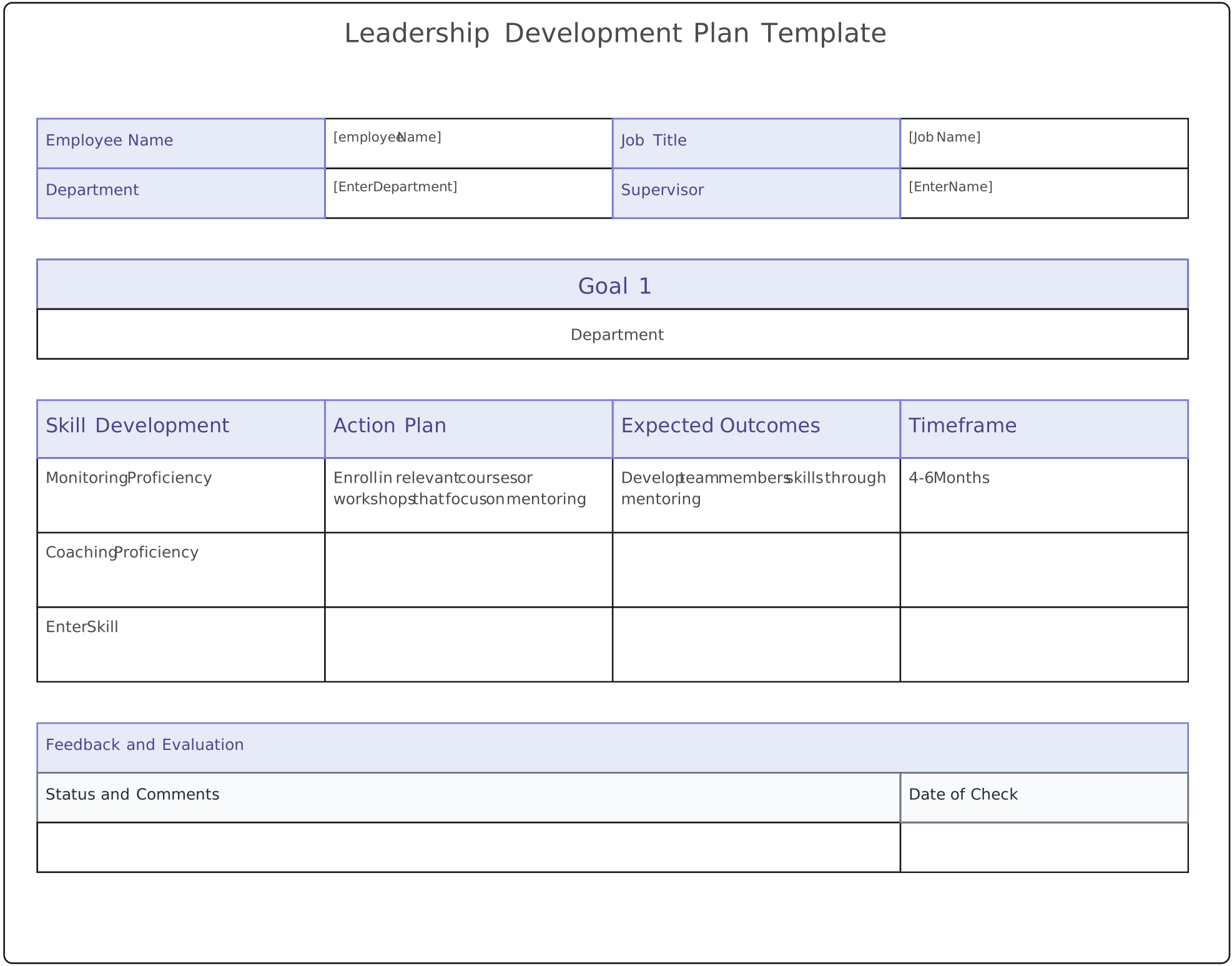
A new hire may need close coaching and frequent feedback. That level of support does not, by itself, make the manager a Theory X leader. The manager can explain why checks are needed, invite questions, and expand autonomy as capability grows. Our leadership development plan explains how to turn observed skill gaps into specific development actions.
How to Examine Your Own Leadership Assumptions
Start with one recent team problem rather than trying to classify your whole leadership style.
- Write down the assumption. Before deciding what to change, ask what you believe caused the problem. Separate evidence from guesses about attitude or effort.
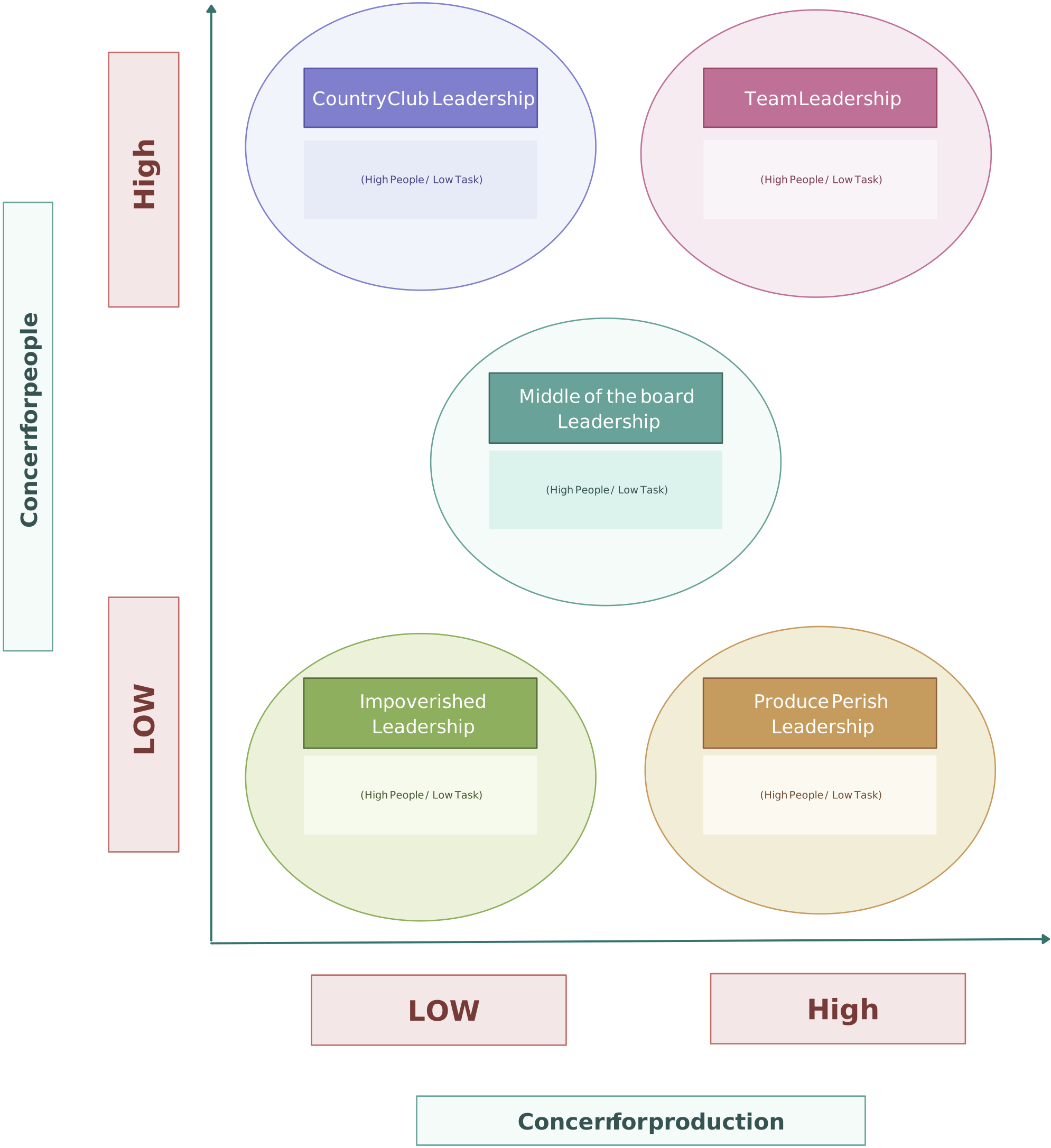
- Map your response. List what you control, what the team owns, and where approvals or handoffs slow decisions. A visual leadership grid can help start a conversation about your concern for people and results, although the Blake–Mouton model is separate from McGregor’s theories.
- Ask the people doing the work. In a team discussion or one-on-one, find out which goals, resources, recognition, or growth opportunities matter and what blocks progress. A motivation map can organize these inputs; Maslow’s hierarchy is another framework, not a substitute for Theory X/Y.
- Run a small change. Clarify one outcome and its decision boundaries, remove one unnecessary approval, or improve one check-in. Agree on a date to review quality, speed, and team feedback.
The Blake–Mouton leadership grid below can support the second step by making people and results visible together. It does not score a manager as Theory X or Theory Y.

The employee-motivation template below can help with the third step. Use it to organize what team members say about needs and support, rather than to infer motivation from a label.

Turn the Discussion Into a Team Plan With Creately
Use a shared Creately Workspace to record the team’s goal, decision boundaries, observed barriers, and agreed changes. A simple board can place the current behavior beside the assumption behind it and the evidence you still need. Review it with the team so people can correct the picture before a new management practice becomes routine.
For each change, name an owner and a review date. For example, if the support team removes approval for standard replies, track response time and accuracy alongside agent feedback. If quality falls, investigate the reason and adjust the boundary; do not jump straight to a judgment about employee motivation.
Templates for Leadership and Team Planning
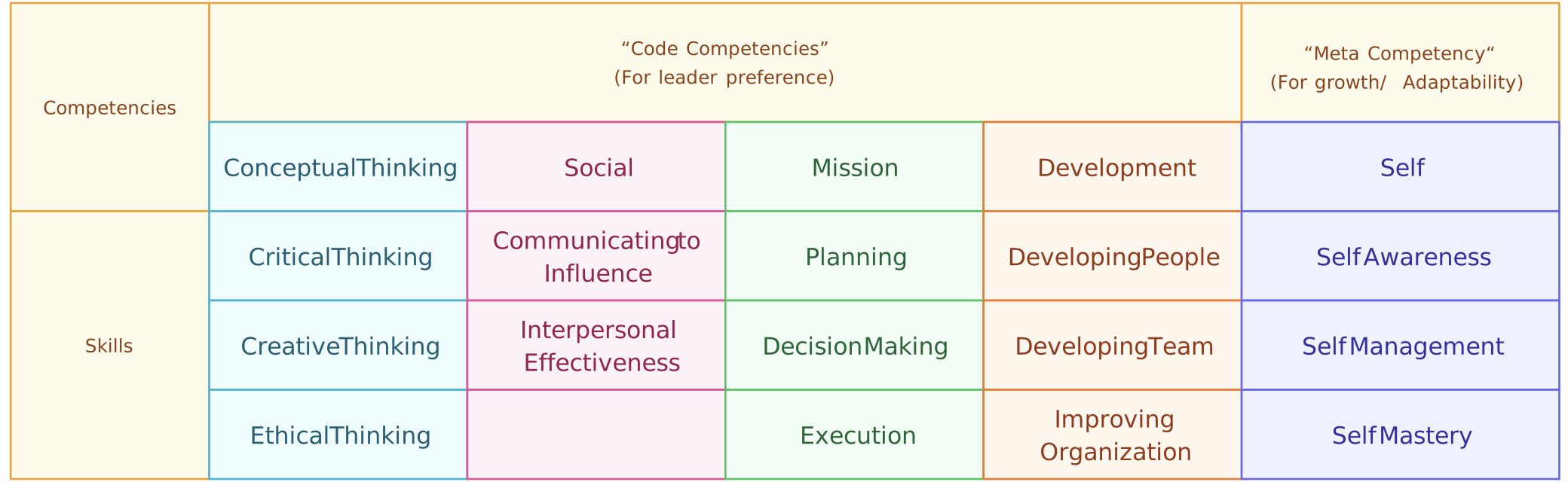
The leadership grid and motivation template above support reflection. These different templates help turn what you learn into goals and development actions.


Helpful Resources
Compare practical ways managers direct work, make decisions, and support teams.
Explore another leadership framework focused on people and results.
Agree on purpose, responsibilities, decision rights, and working norms.