An HR career can lead in several directions. You might enjoy supporting employees across the full employment cycle, building deep expertise in one area, advising business leaders, or leading a people team. Understanding those options helps you choose a next role based on the work you want to do and the skills you want to build.
This guide explains common HR roles and career tracks, then shows how to turn a target role into a practical development plan. If you need the broader method for planning any profession, start with our career path guide.
What Does an HR Career Path Look Like?
An HR career path is a set of possible moves between people-focused roles. It is a map of opportunities, not a fixed ladder. An HR coordinator might become a generalist, move into recruiting, or develop expertise in HR systems. A specialist might later lead a function or move into a broader business partner role.
Job titles and scope differ between employers. In a small organization, one generalist may handle hiring, onboarding, employee relations, and policy work. In a larger organization, those responsibilities may belong to separate teams. Compare actual job responsibilities before treating any title as the next step.
| Career stage | Example roles | Typical focus | Evidence to build for the next move |
|---|---|---|---|
| Entry | HR assistant, HR coordinator, recruiting coordinator | Maintain records, support hiring and onboarding, answer routine questions | Accurate operations, discretion, reliable follow-through |
| Developing | HR generalist, talent acquisition specialist, learning specialist, HR operations specialist | Own processes or a defined area of expertise | Independent problem-solving, process improvement, knowledge of relevant policy |
| Experienced | Senior specialist, HR manager, HR business partner | Lead complex work, advise managers, connect people decisions to business needs | Stakeholder influence, sound judgment, measurable outcomes |
| Leadership | HR director, head of people, vice president of HR, CHRO | Set people priorities, lead teams, manage risk and long-term capability | Strategic decisions, cross-functional leadership, organizational results |
These are examples, not mandatory steps. A specialist can advance within a specialty without becoming a generalist or managing a team.
Choose an HR Career Track
HR generalist
A generalist works across several HR activities, such as onboarding, employee relations, performance processes, benefits coordination, and policy implementation. This path suits people who enjoy varied questions and want a broad view of how an organization works. A next move may be senior generalist, HR manager, or HR business partner, depending on the role’s scope.
HR specialist
A specialist develops depth in an area such as talent acquisition, learning and development, compensation, people analytics, or HR operations. The work may include designing a process, advising colleagues on a technical question, or measuring results in that specialty. Specialists can progress to senior expert or functional leadership roles, and can also move into broader HR positions.
HR business partner
An HR business partner (HRBP) works closely with leaders on workforce needs and people decisions. Rather than treating HRBP as a required step after generalist or specialist work, consider it a role with a different emphasis: consultation, business context, and translating people data into action. Experience in either a broad or specialist role can help prepare someone for it.
Ask which kind of work gives you energy: handling varied employee needs, solving a specialist problem in depth, or advising leaders on priorities. You can revise your answer as you gain experience.
Skills to Build as You Progress
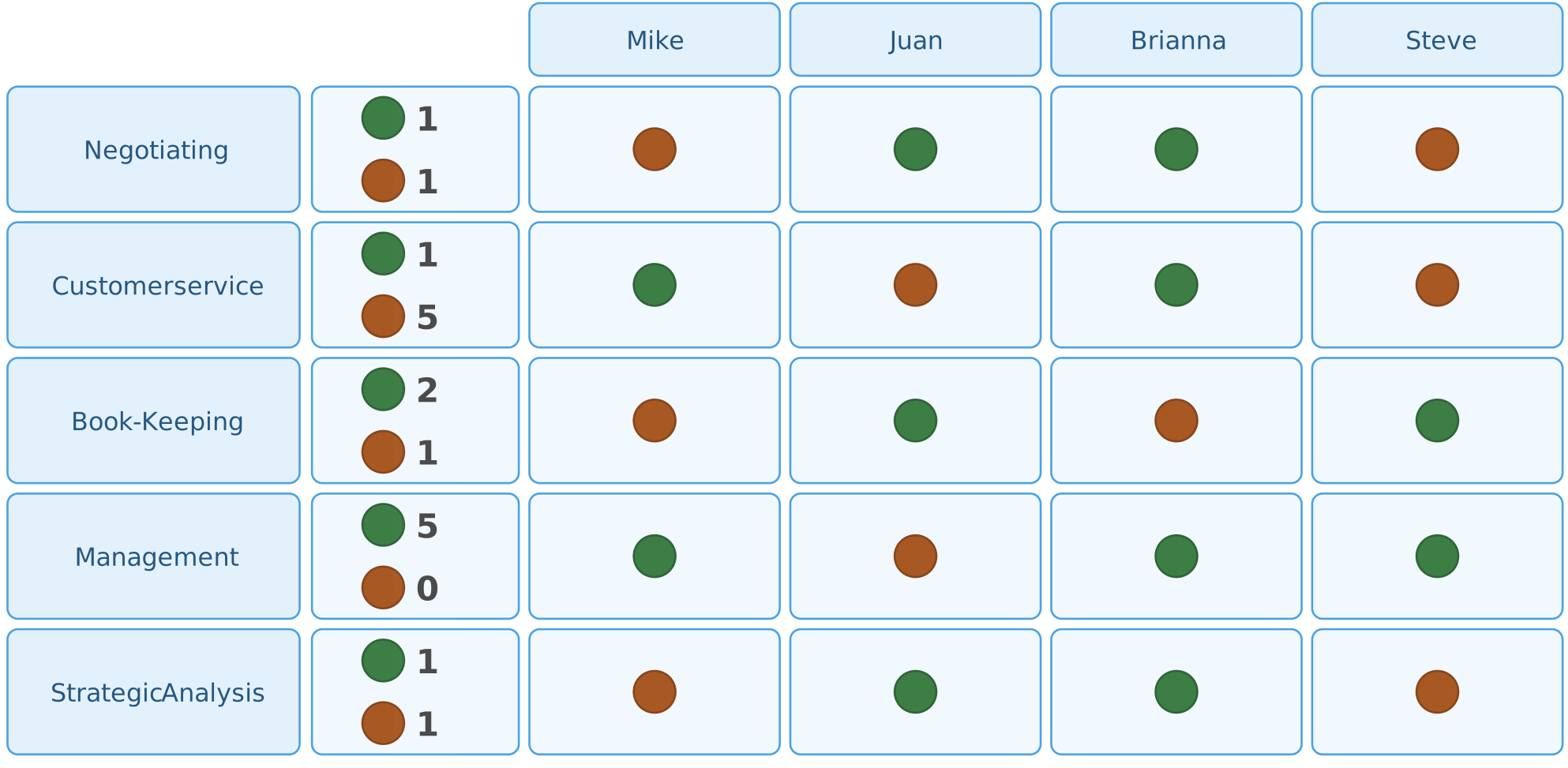
HR knowledge matters at every stage, but the way you apply it changes with the role. Use a competency matrix to compare your current evidence with the responsibilities of a target position.
- HR practice and judgment: Understand the processes, policies, confidentiality expectations, and applicable requirements involved in your work. Check local legal requirements rather than assuming one rule applies everywhere.
- Communication and relationships: Explain decisions clearly, listen to employees and managers, and handle sensitive conversations with care.
- Data and systems: Use HR systems and relevant measures to spot patterns, assess a process, and support recommendations.
- Business understanding: Connect workforce decisions to team goals, budgets, operations, and organizational priorities.
- Consultation and leadership: Frame a problem, present options, influence stakeholders, and help others carry out a decision.
Formal study or certification can support your development, but a credential does not replace demonstrated work. Review actual openings in your location to understand which qualifications employers request for your target role.
Example: Moving from HR Coordinator to HR Business Partner
Suppose you coordinate onboarding and want to become an HRBP. Jumping straight from your current title to the target title gives you little guidance. Map the intervening experiences instead:
- Start with what you already do. Record the onboarding processes you run, the questions you answer, and improvements you have made.
- Study the target role. Compare several HRBP job descriptions. Note recurring expectations, such as manager consultation, employee relations, workforce planning, and interpreting people data.
- Choose an intermediate move. A generalist role may broaden your exposure; a people analytics or employee relations assignment may help you develop a specific gap. Neither is a universal prerequisite.
- Collect evidence. Lead a process improvement, partner with a manager on a defined problem, and document the outcome and what you learned.
- Review the route. Discuss your map with a manager or mentor, then update it when you learn more about available roles.
To show readiness for an HRBP role, you might keep a before-and-after onboarding process map with aggregated cycle-time results and a short manager-consultation case summary explaining the problem, options, recommendation, and outcome. Before sharing either artifact, remove employee names, case details, and small-group figures that could identify someone. Follow your organization’s HR data and approval rules; if the work cannot be shared safely, describe your role and the skills you used without attaching the underlying records.
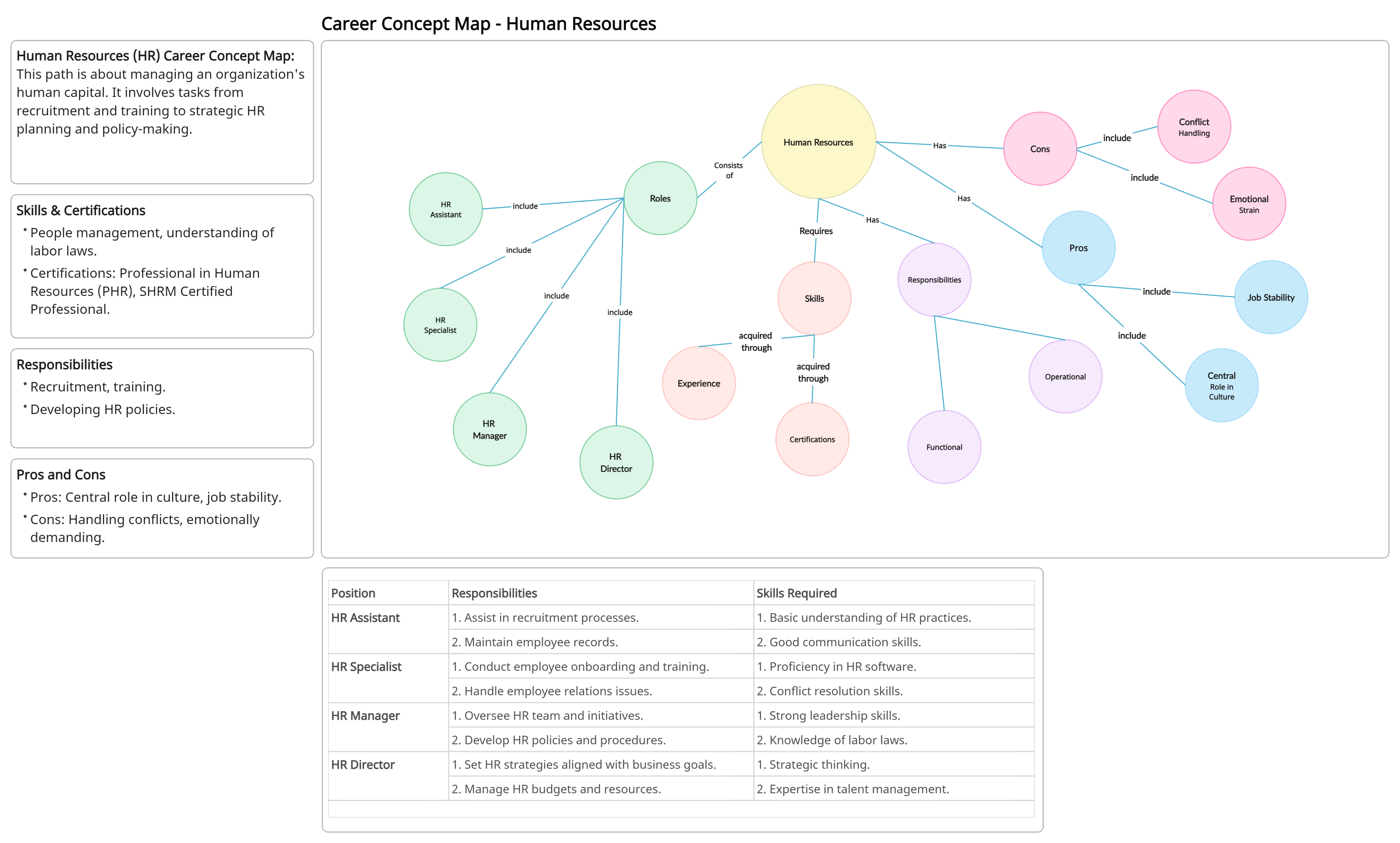
The Human Resources Career Concept Map gives you an editable starting point. Add your current role, possible lateral moves, and the skills or projects you need for each option. Its example route is illustrative; adapt it to the titles and responsibilities in your organization.

Build a Development Plan for Your Next HR Role
Turn the map into a plan you can act on. First, choose one target role and list the work it involves. Then score your current experience against each responsibility using concrete examples, such as a completed project or a manager’s feedback. Prioritize two or three gaps rather than trying to develop everything at once.
For each gap, write an action, an opportunity to practice, and evidence you will collect. For example, if you need stronger consultation skills, ask to support a manager through an onboarding or retention problem, agree on a goal, and review the outcome afterward. Put those actions into an employee development plan and revisit it every quarter. The goal is to make your readiness visible, while leaving room to change direction.
Templates to Plan Your HR Career
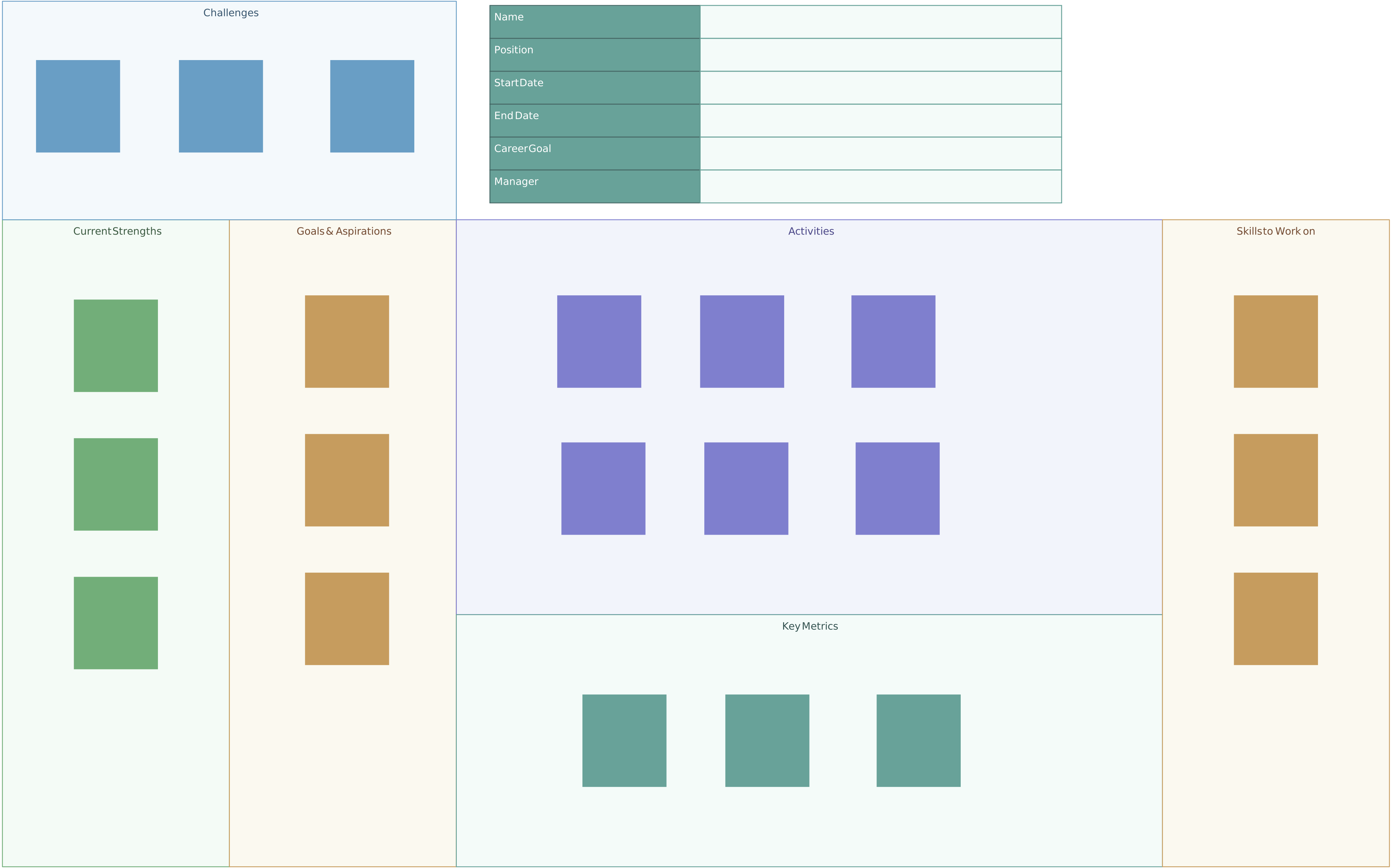
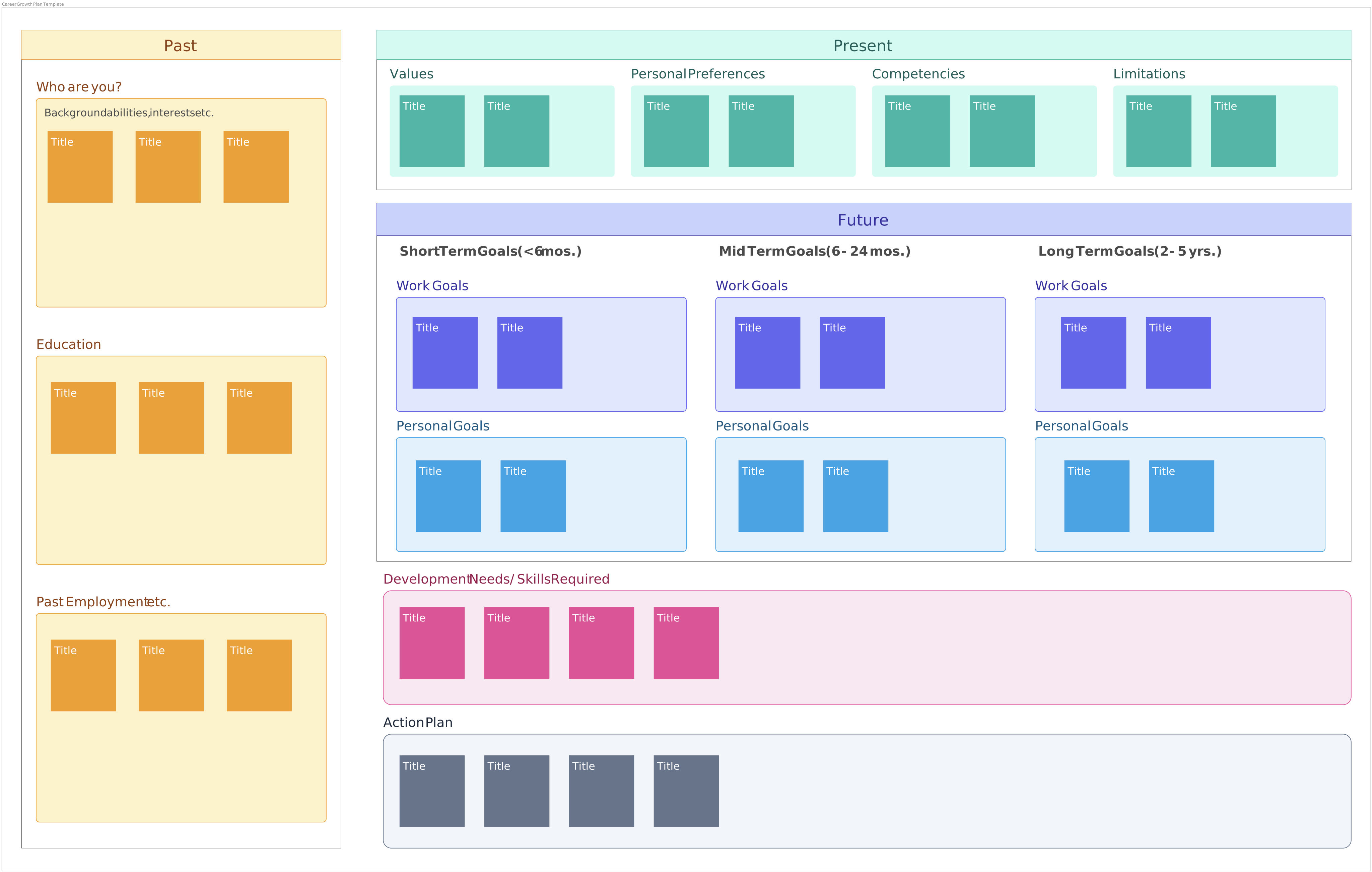
Use these alongside the HR career map above: the matrix helps identify a skill gap, the development plan turns it into action, and the growth plan makes milestones visible. Each template is editable, so replace example roles and competencies with the ones that matter to you.


More Resources for Career Development
Learn how organizations make growth routes and role requirements visible.
Explore the general steps for planning a career across professions.
See how to compare skills and identify development priorities.